TL;DR
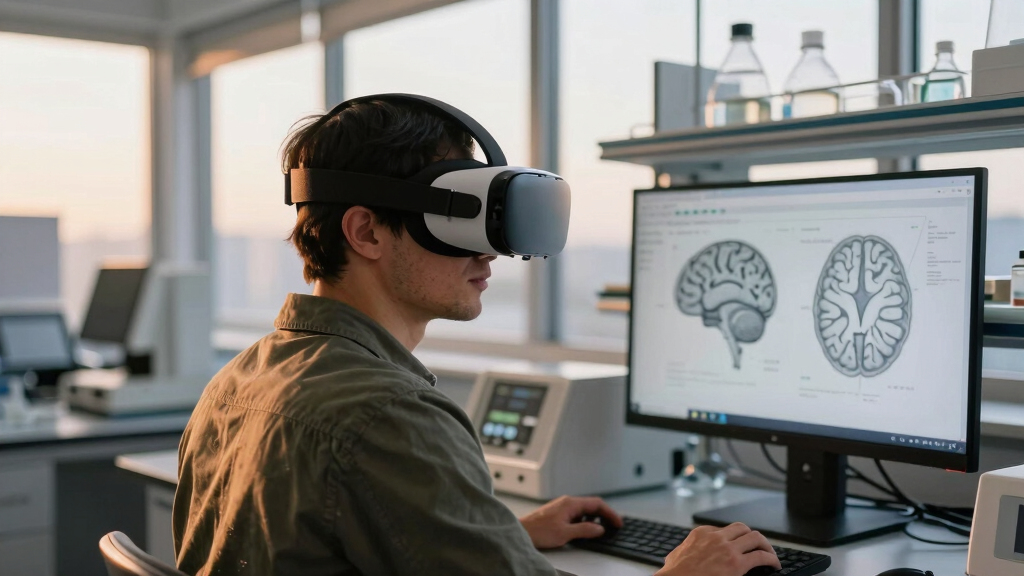
A new AI technology can create videos that specifically stimulate targeted brain regions. This breakthrough could impact neuroscience research and neurological treatments. The development is confirmed; further clinical applications are still under study.
Researchers have successfully created AI-generated videos that can specifically stimulate and activate targeted areas of the human brain. This development, confirmed by the study team, marks a notable step forward in neuroscience and neural modulation techniques, with potential implications for research and medical therapies.
The research team used advanced AI algorithms to generate videos tailored to maximize activity in specific brain regions, such as the visual cortex or hippocampus. This approach leverages neural response modeling to optimize visual stimuli for targeted neural activation. The method was tested in controlled laboratory settings with human subjects, with results showing significant increases in activity within the targeted areas, as measured by functional MRI scans. The researchers emphasized that the AI-generated videos are designed based on individual neural response profiles, enabling precise stimulation that surpasses traditional visual stimuli methods. The study was published in the journal Nature Neuroscience, and the team stated that this technology could pave the way for new neural research tools and potential therapeutic interventions for neurological conditions.Potential Impact on Neuroscience and Therapy
This development represents a major advance in the ability to precisely target brain regions using AI-generated visual stimuli. It could enable researchers to better understand brain functions and neural circuits by providing a non-invasive, customizable stimulation method. Additionally, the technology holds promise for treating neurological disorders such as depression, PTSD, or neurodegenerative diseases by selectively activating affected brain areas. However, experts caution that clinical applications are still in early stages, and extensive testing is needed before widespread use.

Mastering AI Video Generation (Updated Edition): From Basics to Advanced Creations for Artists and Innovators
As an affiliate, we earn on qualifying purchases.
As an affiliate, we earn on qualifying purchases.
Advances in Neural Stimulation and AI Integration
Traditional neural stimulation methods, such as transcranial magnetic stimulation (TMS) and deep brain stimulation, have limitations in precision and invasiveness. Recent years have seen growing interest in using AI to enhance non-invasive neural targeting, with some studies exploring neural response modeling. Prior efforts primarily focused on electrical or magnetic stimulation, but the use of AI to generate visual stimuli tailored to individual neural profiles is a novel approach. This research builds on prior work in neural decoding and response prediction, pushing toward more personalized neural modulation techniques. The study by the team at the University of California, San Francisco, marks a significant step in this trajectory, demonstrating that AI can generate stimuli optimized for specific brain activation patterns.
“Our AI-generated videos can precisely target and activate specific brain regions, opening new avenues for understanding neural functions and developing therapies.”
— Dr. Laura Chen, lead researcher
Uncertainties About Clinical Applications and Long-term Effects
It remains unclear how well this AI-generated stimulation method will translate from laboratory settings to real-world clinical use. The long-term safety, efficacy, and potential side effects of targeted neural stimulation via AI-generated videos are still unknown. Researchers emphasize that further studies are needed to assess the durability of effects, individual variability, and ethical considerations surrounding neural manipulation.
Next Steps Include Broader Testing and Ethical Review
The research team plans to conduct larger-scale studies to verify reproducibility and safety across diverse populations. They are also exploring collaborations with clinical institutions to evaluate therapeutic potential for neurological and psychiatric conditions. Simultaneously, ethical discussions are underway regarding the use of AI for neural stimulation, focusing on consent, privacy, and potential misuse. Regulatory pathways for eventual clinical approval are expected to be established in the coming years.
Key Questions
How does the AI generate videos to target specific brain regions?
The AI uses neural response modeling to analyze individual brain activity patterns and then creates visual stimuli optimized to activate targeted areas, based on learned neural response profiles.
Can this technology be used for treating neurological disorders?
While promising, it is still in experimental stages. Researchers aim to explore its potential for non-invasive treatment of conditions like depression or PTSD after further validation.
Are there safety concerns with this approach?
Potential safety issues are currently under investigation. Long-term effects and individual variability are not yet fully understood, necessitating cautious progression.
How is this different from existing neural stimulation methods?
Unlike electrical or magnetic stimulation, this method uses AI-generated visual stimuli tailored to individual neural responses, potentially offering greater precision and non-invasiveness.
Source: hn