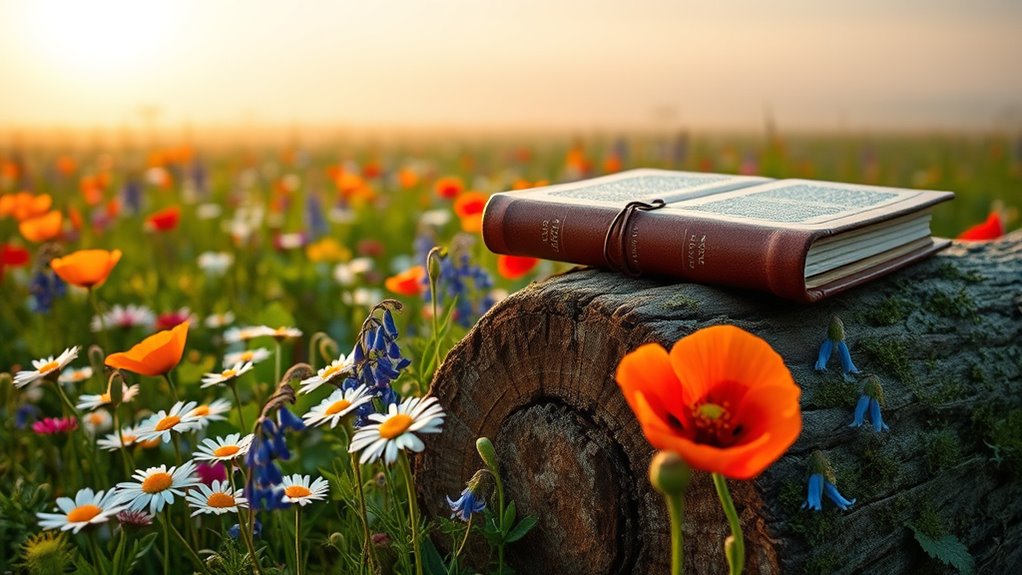
If you’re searching for field guides for wildflowers, you’re looking for reliable resources to identify and learn about blooms in different regions. The Wildflowers of North America by the National Audubon Society stands out as the best overall, offering comprehensive coverage across the continent. For regional accuracy, the Wildflowers of Wisconsin Field Guide and Wildflowers of Texas Field Guide excel at providing detailed local information. The main tradeoffs involve balancing scope versus specificity; broader guides cover more terrain but may lack regional detail, while regional guides offer depth but less general coverage. Continue reading for a full breakdown of these options and what makes each suitable for different types of wildflower enthusiasts.

Prime made for students and young adults
- Fast, free delivery for dorm and study essentials
- Prime Video and Amazon Music included
- Member-only deals
Key Takeaways
- The top-ranked guides combine regional detail with user-friendly layouts, making identification easier.
- Regional guides tend to be more detailed for their specific areas, but may not be as useful if you explore multiple regions.
- For beginners, simplified guides like Peterson First Guides provide great entry points, though they lack depth for advanced botanists.
- Comprehensive guides like Kaufman’s volume balance coverage across multiple plant types, but can be bulky and less portable.
- Price and print quality vary; investing in durable, well-illustrated guides pays off for outdoor use.
| Wildflowers of North America (National Audubon Society Complete Guides) |  | Best Overall Field Guide for North American Wildflowers | Coverage Area: North America | Illustrations: Detailed, color plates | Content Type: Descriptions, illustrations | VIEW ON AMAZON | See Our Full Breakdown |
| Wildflowers of Wisconsin Field Guide |  | Best for Local Wildflower Identification in Wisconsin | Region Covered: Wisconsin | Illustrations: Color plates | Content Type: Descriptions, illustrations | VIEW ON AMAZON | See Our Full Breakdown |
| Wildflowers of Texas Field Guide |  | Best for Texas Wildflower Enthusiasts and Botanists | Region Covered: Texas | Illustrations: Color plates | Content Type: Descriptions, illustrations | VIEW ON AMAZON | See Our Full Breakdown |
| Wildflowers of Michigan Field Guide |  | Best for Michigan’s Flora Enthusiasts | Region Covered: Michigan | Illustrations: Color plates | Content Type: Descriptions, illustrations | VIEW ON AMAZON | See Our Full Breakdown |
| National Audubon Society Field Guide to North American Wildflowers: Western Region |  | Best Regional Guide for Western North American Wildflowers | Region Covered: Western North America | Illustrations: Detailed, color plates | Content Type: Descriptions, illustrations | VIEW ON AMAZON | See Our Full Breakdown |
| Fandex Family Field Guides: Wildflowers |  | Best for Beginners | Type: Field guide | Target Audience: Beginners and families | Coverage: Wildflowers | VIEW ON AMAZON | See Our Full Breakdown |
| Wildflowers of Colorado Field Guide |  | Best for Regional Focus | Region: Colorado | Focus: Wildflowers | Format: Field guide | VIEW ON AMAZON | See Our Full Breakdown |
| Wildflowers of the Carolinas Field Guide |  | Best for Regional Flora Enthusiasts | Region: Carolinas | Coverage: Wildflowers | Format: Field guide | VIEW ON AMAZON | See Our Full Breakdown |
| Kaufman Field Guide to Nature of the Midwest |  | Best for All-in-One Regional Wildlife | Region: Midwest | Coverage: Birds, mammals, trees, wildflowers, insects | Format: Field guide | VIEW ON AMAZON | See Our Full Breakdown |
| Wildflowers of Northeastern and North-Central North America: A Peterson First Guide for Beginners |  | Best for Beginners in Northeastern/North-Central Regions | Region: Northeastern/North-Central North America | Coverage: Wildflowers | Format: First guide | VIEW ON AMAZON | See Our Full Breakdown |
| Newcomb’s Wildflower Guide |  | Best Overall for Comprehensive North American Wildflower Identification | Coverage: North American wildflowers | Format: Printed book | Illustrations: Yes | VIEW ON AMAZON | See Our Full Breakdown |
| Wildflowers of Florida Field Guide |  | Best for Florida-specific Wildflower Enthusiasts and Botanists | Coverage: Wildflowers of Florida | Format: Printed book | Photographs: Yes | VIEW ON AMAZON | See Our Full Breakdown |
| Wildflowers of Minnesota Field Guide |  | Best for Minnesota-specific Wildflower Identification | Coverage: Wildflowers of Minnesota | Format: Printed book | Identification Tips: Yes | VIEW ON AMAZON | See Our Full Breakdown |
| field guides for wildflower | Format | Coverage |
|---|---|---|
| Wildflowers of North America | — | |
| Wildflowers of Wisconsin Field | — | |
| Wildflowers of Texas Field Gui | — | |
| Wildflowers of Michigan Field | — | |
| National Audubon Society Field | — | |
| Fandex Family Field Guides: Wi | — | Wildflowers |
| Wildflowers of Colorado Field | Field guide | — |
| Wildflowers of the Carolinas F | Field guide | Wildflowers |
| Kaufman Field Guide to Nature | Field guide | Birds, mammals, trees, wildflowers, insects |
| Wildflowers of Northeastern an | First guide | Wildflowers |
| Newcomb’s Wildflower Guide | Printed book | North American wildflowers |
| Wildflowers of Florida Field G | Printed book | Wildflowers of Florida |
| Wildflowers of Minnesota Field | Printed book | Wildflowers of Minnesota |
More Details on Our Top Picks
Wildflowers of North America (National Audubon Society Complete Guides)
This comprehensive guide stands out for its extensive coverage of wildflowers across the continent, making it ideal for serious botanists and dedicated nature lovers. Compared to regional guides like the Wildflowers of Wisconsin or Texas, it offers a broader scope, but that can also make it more overwhelming for casual users. Its detailed descriptions and illustrations are invaluable for accurate identification, though the lack of a specific edition date means some information may be slightly outdated. Overall, this guide balances depth and usability, but its size and scope might be daunting for beginners seeking quick reference.
Pros:- Extensive coverage of North American wildflowers
- Detailed descriptions and high-quality illustrations
- Useful for both amateurs and professionals
Cons:- Lacks a specific edition or publication date, risking outdated info
- Large and possibly unwieldy for field use
Best for: Botanists, educators, and experienced wildflower enthusiasts needing a comprehensive North American resource
Not ideal for: Casual hikers or beginners who prefer quick, simplified identification tools with regional focus
- Coverage Area:North America
- Illustrations:Detailed, color plates
- Content Type:Descriptions, illustrations
- Format:Print
- Intended Audience:Botanists and serious nature enthusiasts
Our verdict“This guide is perfect for those seeking an authoritative, broad-ranging resource on North American wildflowers, despite its size and complexity.”
Wildflowers of Wisconsin Field Guide
This guide excels at providing detailed, region-specific information for Wisconsin’s wildflowers, making it highly useful for local botanists, hikers, and amateur naturalists. Unlike the more general North American guide, it offers focused illustrations and descriptions tailored to Wisconsin’s flora, which helps users identify plants more confidently in the field. However, it doesn’t include digital resources or broader regional coverage, limiting its usefulness outside Wisconsin. Its clarity and specificity make it ideal for those interested solely in Wisconsin, but it falls short for anyone needing a wider geographic scope.
Pros:- Detailed focus on Wisconsin wildflowers
- Clear illustrations aid quick identification
- Suitable for beginners and experts alike
Cons:- No digital content or online resources included
- Limited to Wisconsin; not helpful for broader regional exploration
Best for: Local botanists or hikers interested in Wisconsin flora
Not ideal for: Travelers or visitors seeking a regional guide for broader parts of the Midwest or beyond
- Region Covered:Wisconsin
- Illustrations:Color plates
- Content Type:Descriptions, illustrations
- Format:Print
- Intended Audience:Local botanists and hikers
Our verdict“This guide is best for those focused on Wisconsin’s wildflowers, especially beginners and local botanists seeking detailed regional info.”
Wildflowers of Texas Field Guide
This guide offers a thorough overview of Texas wildflowers, making it a solid choice for both beginners and experienced botanists interested in the state’s diverse flora. Compared with more general guides like the North American volume, it provides region-specific details that help users identify Texas species more accurately. Its straightforward descriptions and illustrations make it accessible, though it does not include digital features or supplemental content. If your focus is Texas, this guide offers detailed, localized info, but its lack of extra resources might be a downside for those seeking digital or multimedia tools.
Pros:- Region-specific coverage of Texas wildflowers
- Useful for beginners and experts
- Clear, helpful illustrations
Cons:- No digital content or online resources
- Limited to Texas flora, not suitable for broader exploration
Best for: Hikers, botanists, and nature lovers focused on Texas flora
Not ideal for: Casual readers or travelers seeking a broad or multi-region wildflower guide
- Region Covered:Texas
- Illustrations:Color plates
- Content Type:Descriptions, illustrations
- Format:Print
- Intended Audience:Texas wildflower enthusiasts
Our verdict“This Texas-focused guide is ideal for enthusiasts wanting detailed local information, though it lacks multimedia features.”
Wildflowers of Michigan Field Guide
This regional guide effectively captures Michigan’s native wildflowers with detailed descriptions and illustrations, making it well-suited for botanists and nature lovers dedicated to Michigan. Unlike the regional guides for Wisconsin or Texas, it focuses solely on Michigan, which can be limiting if you’re exploring nearby regions. Its straightforward approach provides reliable identification assistance, but the lack of digital features or a broader scope could be a drawback for those seeking a more extensive resource. It’s best for users focused on Michigan’s flora or those who prefer a simple, local reference.
Pros:- Comprehensive for Michigan flora
- Includes detailed descriptions and illustrations
- Ideal for local fieldwork and education
Cons:- No digital or online resources
- Limited to Michigan, not suitable for wider exploration
Best for: Botanists, students, and hikers interested in Michigan’s wildflowers
Not ideal for: Travelers or casual readers wanting a multi-state or national guide
- Region Covered:Michigan
- Illustrations:Color plates
- Content Type:Descriptions, illustrations
- Format:Print
- Intended Audience:Michigan flora enthusiasts
Our verdict“This guide is perfect for those focused on Michigan’s wildflowers, offering detailed local info without extras.”
National Audubon Society Field Guide to North American Wildflowers: Western Region
This region-specific guide offers detailed descriptions and illustrations of wildflowers native to the Western U.S., making it invaluable for hikers and botanists exploring that area. Its focus on the West provides precise identification cues that broader guides like the North American volume might lack. However, the absence of user reviews and detailed description can make it less approachable for casual users, and its extensive detail might be overwhelming for beginners. This guide makes the most sense for those with a specific interest in the Western wildflower flora, especially if they want regionally tailored information.
Pros:- Region-specific, detailed coverage
- High-quality illustrations
- Excellent for in-depth identification
Cons:- No additional reviews or user feedback included
- May be too detailed for casual or beginner users
Best for: Hikers, botanists, and nature enthusiasts exploring the Western U.S.
Not ideal for: Casual visitors or those seeking a general, all-region guide with simplified info
- Region Covered:Western North America
- Illustrations:Detailed, color plates
- Content Type:Descriptions, illustrations
- Format:Print
- Intended Audience:Western U.S. botanists and hikers
Our verdict“This guide is ideal for Western explorers who need precise, region-specific wildflower identification, despite its potentially overwhelming detail.”
Fandex Family Field Guides: Wildflowers
This guide stands out for its user-friendly approach, making wildflower identification accessible to newcomers. Its comprehensive illustrations and straightforward descriptions help beginners recognize common species without overwhelming botanical jargon. Compared with more regional guides like Wildflowers of North America, it offers a narrower focus but excels in simplicity and durability, perfect for outdoor outings. The main tradeoff is its limited scope—it covers only wildflowers and lacks in-depth botanical details, which might disappoint advanced enthusiasts seeking technical information. Still, this pick makes the most sense for casual nature lovers or families exploring local flora for fun.
Pros:- Simple, clear illustrations ideal for beginners
- Lightweight and durable for outdoor use
- Provides easy identification without technical jargon
Cons:- Limited to wildflowers, no other plant groups included
- Lacks detailed botanical descriptions for advanced study
Best for: Beginner nature enthusiasts or families looking for a durable, easy-to-use wildflower guide
Not ideal for: Experienced botanists or regional experts seeking detailed botanical descriptions and comprehensive species coverage
- Type:Field guide
- Target Audience:Beginners and families
- Coverage:Wildflowers
- Portability:Durable, handheld
Our verdict“This guide is perfect for novice wildflower explorers who want a straightforward, portable resource.”
Wildflowers of Colorado Field Guide
This guide excels for those specifically exploring Colorado’s native flora, offering detailed descriptions and high-quality images tailored to regional wildflowers. Compared to the Fandex Family Guide, which provides a broad overview, this book dives deeper into local species, making it ideal for hikers and botanists focused on Colorado’s unique plant life. However, it’s less useful outside the state and offers no information on non-Colorado wildflowers. The lack of explicit specifications or ratings makes it less transparent, but for regional enthusiasts, this guide provides detailed insights that others lack. It’s best suited for those who want to deepen their knowledge of Colorado’s wildflower diversity.
Pros:- In-depth coverage of Colorado wildflowers
- Helpful for hikers and outdoor explorers
- Includes detailed descriptions and high-quality images
Cons:- Limited to Colorado, not suitable for broader regions
- Lack of detailed specs and user ratings
Best for: Hikers, botanists, or regional naturalists focused on Colorado flora
Not ideal for: General wildflower enthusiasts seeking a broader North American scope or casual flower lovers
- Region:Colorado
- Focus:Wildflowers
- Format:Field guide
- Intended Audience:Hikers and naturalists
Our verdict“This guide makes the most sense for regional explorers who want detailed, Colorado-specific wildflower identification.”
Wildflowers of the Carolinas Field Guide
This regional guide offers detailed photographs and descriptions to identify wildflowers in the Carolinas, making it valuable for botanists and avid nature observers. Compared with the Colorado guide, it covers a different locale but shares a focus on detailed regional flora, ideal for those with a specific interest in the Carolinas. The absence of user reviews and specifications limits its transparency, yet its regional specificity means it provides targeted information that broader guides like Wildflowers of North America do not. This book is best suited for locals or visitors who want a detailed regional resource for wildflower identification.
Pros:- Regional focus with detailed photos and descriptions
- Ideal for botanists and serious nature lovers
- Well-suited for field use in the Carolinas
Cons:- No specifications or ratings available
- Limited to the Carolinas, not regional for broader areas
Best for: Botanists, regional naturalists, or outdoor enthusiasts in the Carolinas
Not ideal for: Wildflower lovers who seek a general North American guide or those outside the region
- Region:Carolinas
- Coverage:Wildflowers
- Format:Field guide
- Target Audience:Botanists and regional explorers
Our verdict“This guide is best for those specifically exploring or studying Carolinas wildflowers in detail.”
Kaufman Field Guide to Nature of the Midwest
This extensive volume covers a broad range of Midwest wildlife, including birds, mammals, trees, insects, and wildflowers, making it ideal for those who prefer a single resource. Compared with specialized guides like Wildflowers of the North America, it sacrifices some depth for the convenience of variety, but still offers enough wildflower detail for casual identification. Its wide coverage means it’s less detailed on any one group, and the lack of specific edition info or detailed photos could be a drawback for serious botanists. Nonetheless, for regional explorers who want a multi-purpose guide, this makes sense as a portable, all-in-one reference.
Pros:- Wide coverage of regional wildlife and plants
- Includes multiple species groups in one volume
- Portable and user-friendly for outdoor use
Cons:- Lacks detailed photos for precise identification
- No specific publication date or edition info
Best for: Regional outdoor enthusiasts who want a broad overview of Midwest flora and fauna
Not ideal for: Dedicated wildflower botanists seeking highly detailed, species-specific guides
- Region:Midwest
- Coverage:Birds, mammals, trees, wildflowers, insects
- Format:Field guide
- Intended Use:Outdoor exploration
Our verdict“This guide suits regional explorers who prefer a multi-taxa resource over specialized wildflower books.”
Wildflowers of Northeastern and North-Central North America: A Peterson First Guide for Beginners
This guide introduces newcomers to the common wildflowers across a broad northeastern and north-central area, featuring simplified identification tips and illustrations. Compared with the Fandex Family Guide, which is more general, this book narrows its focus to regions where many beginners start their wildflower journey. Its simplified approach makes it accessible, but the lack of detailed botanical descriptions limits advanced study, and regional coverage excludes other parts of North America. This makes it ideal for beginners who want a gentle, regional start, but less suitable for those seeking technical detail or regional diversity beyond its scope.
Pros:- Easy-to-understand illustrations and tips
- Good coverage of regional wildflowers for beginners
- Helpful for quick identification in the field
Cons:- No detailed botanical descriptions
- Limited to specific regions, not comprehensive North America
Best for: Beginners and casual enthusiasts exploring northeastern and north-central wildflowers
Not ideal for: Experienced botanists or regional experts needing detailed botanical information or broader geographic coverage
- Region:Northeastern/North-Central North America
- Coverage:Wildflowers
- Format:First guide
- Target Audience:Beginners and casual explorers
Our verdict“This guide is perfect for beginners looking for an accessible, region-specific wildflower introduction.”
Newcomb’s Wildflower Guide
Compared with the Wildflowers of North America (National Audubon Society Complete Guides), Newcomb’s Wildflower Guide offers a more accessible, user-friendly format with detailed descriptions and clear illustrations. It excels at providing a broad overview suitable for both beginners and experienced botanists who want a reliable reference on North American flora. However, its lack of digital access and focus solely on North American plants mean it doesn’t cover regional variants or offer interactive tools. This guide’s strength lies in its comprehensive plant descriptions paired with illustrations, making it easier to identify wildflowers during field excursions. It’s ideal for hikers, botanists, and nature enthusiasts seeking a portable yet detailed resource. The absence of a digital version could be limiting for tech-savvy users who prefer quick searches or updates. This pick makes the most sense for those who value detailed, printed field guides with broad coverage and straightforward identification tools.
Pros:- Extensive plant descriptions for accurate identification
- User-friendly layout suitable for all skill levels
- Includes illustrations that aid visual recognition
Cons:- No digital or online version available, limiting quick access
- Limited to North American flora, not suitable for international guides
Best for: Botanists, hikers, and nature enthusiasts interested in detailed, portable North American wildflower identification.
Not ideal for: Users who prefer digital tools or regional-specific guides, as this guide lacks online content and is limited to North American flora.
- Coverage:North American wildflowers
- Format:Printed book
- Illustrations:Yes
- Ease of Use:Beginner to expert
- Digital Content:None
- Size:Portable
Our verdict“A versatile, detailed guide perfect for those seeking a comprehensive, printed resource on North American wildflowers.”
Wildflowers of Florida Field Guide
Compared with Newcomb’s Wildflower Guide, this Florida-specific guide offers detailed photographs alongside descriptions, which significantly aids identification in the field. It is especially useful for botanists and nature lovers who focus on Florida’s unique flora, providing regional accuracy that broad guides might miss. The inclusion of photographs enhances quick recognition, but the guide’s specificity limits its usefulness outside Florida, unlike Wildflowers of North America or other regional guides. This guide’s focus on Florida’s native species makes it an ideal resource for local fieldwork and nature walks. However, for those seeking a broader or more general wildflower guide, it might feel restrictive. This pick is best suited for anyone exploring Florida’s wildflowers in detail, whether for casual walks or professional research.
Pros:- Includes detailed descriptions tailored to Florida flora
- Photographs provide quick visual confirmation
- Suitable for both beginners and seasoned botanists
Cons:- Limited to Florida wildflowers, not useful for other regions
- No digital or interactive features included
Best for: Botanists, naturalists, and hikers exploring Florida’s native wildflowers.
Not ideal for: Users outside Florida or those needing a regional guide covering multiple states, as its scope is limited geographically.
- Coverage:Wildflowers of Florida
- Format:Printed book
- Photographs:Yes
- Ease of Use:Beginner to experienced
- Digital Content:None
- Size:Handy for field use
Our verdict“An excellent Florida-specific guide that combines detailed descriptions with helpful photographs for local wildflower identification.”
Wildflowers of Minnesota Field Guide
Compared with the Florida-focused Wildflowers of Florida Field Guide, this Minnesota guide is tailored for local flora, offering detailed information and identification tips specific to Minnesota’s wildflowers. While it lacks the photographic aids of Florida’s guide, it compensates with thorough descriptions suited to amateur and professional botanists interested in the region. Its straightforward approach makes it highly accessible, though it doesn’t include additional features like digital content or extensive illustrations. This guide is well-suited for those who want a solid, region-specific resource without extra bells and whistles. However, it may feel limited for users seeking a more visual or interactive experience. This guide makes the most sense for Minnesotans or visitors focusing on local wildflower species who prefer a dedicated, no-frills reference.
Pros:- Provides detailed identification tips for Minnesota wildflowers
- Useful for both amateur and professional botanists
- Focuses solely on the region for precise identification
Cons:- No photographs or digital features to assist quick recognition
- Limited to Minnesota flora, not suitable for broader use
Best for: Minnesota residents, botanists, and nature lovers seeking a detailed, regional wildflower guide.
Not ideal for: Users outside Minnesota or those who prefer digital or multimedia resources, as this guide offers only printed descriptions without added features.
- Coverage:Wildflowers of Minnesota
- Format:Printed book
- Identification Tips:Yes
- Photographs:No
- Digital Content:None
- Size:Portable
Our verdict“A straightforward, region-specific guide ideal for Minnesotans and local wildflower enthusiasts seeking detailed descriptions.”

How We Picked
These guides were selected based on their accuracy, usability, coverage, and durability. We prioritized resources that are widely recognized by amateur and professional botanists alike, with clear illustrations or photographs, and well-organized layouts. Regional specificity was a key factor, as guides tailored to particular areas tend to be more detailed and practical for field use. Guides that balance breadth with ease of use ranked higher, while overly niche or overly broad options that sacrifice clarity received lower scores. Cost and print quality also influenced the rankings, ensuring that each pick offers good value for its intended use.| field guides for wildflower | Format | Coverage |
|---|---|---|
| Wildflowers of North America | — | |
| Wildflowers of Wisconsin Field | — | |
| Wildflowers of Texas Field Gui | — | |
| Wildflowers of Michigan Field | — | |
| National Audubon Society Field | — | |
| Fandex Family Field Guides: Wi | — | Wildflowers |
| Wildflowers of Colorado Field | Field guide | — |
| Wildflowers of the Carolinas F | Field guide | Wildflowers |
| Kaufman Field Guide to Nature | Field guide | Birds, mammals, trees, wildflowers, insects |
| Wildflowers of Northeastern an | First guide | Wildflowers |
| Newcomb’s Wildflower Guide | Printed book | North American wildflowers |
| Wildflowers of Florida Field G | Printed book | Wildflowers of Florida |
| Wildflowers of Minnesota Field | Printed book | Wildflowers of Minnesota |
Factors to Consider When Choosing Field Guides For Wildflowers
Choosing the right wildflower field guide depends on your experience level, the regions you explore, and how detailed you want the information to be. Here are key factors to consider to find the best fit for your needs:Region and Coverage
Decide whether you need a regional guide or a comprehensive one covering multiple areas. Regional guides often provide detailed descriptions and photographs tailored to local species, making them ideal for focused exploration. Conversely, broader guides are better if you plan to travel or identify wildflowers across different states or provinces, though they may sacrifice some detail for wider coverage.
Ease of Use and Layout
A well-organized guide with clear photographs and descriptions speeds up identification in the field. Avoid overly dense or cluttered pages that can slow you down. For beginners, simplified layouts and quick-reference sections are invaluable, while experienced botanists might prefer more detailed entries and dichotomous keys.
Illustrations and Photographs
High-quality images or illustrations are essential for accurate identification. Guides with side-by-side photos showing different stages of blooming, or multiple angles, can significantly improve confidence and accuracy. Keep in mind that overly stylized artwork might obscure important details, so choose guides with realistic depictions.
Durability and Portability
If you plan to carry your guide into the field, consider a hardcover or water-resistant cover, and a size that fits easily into your backpack. Lightweight guides are convenient but may lack durability, so balance portability with build quality, especially if you hike frequently or in rugged environments.
Price and Value
Price can vary widely. While investing in a high-quality, detailed guide makes sense for serious enthusiasts, casual wildflower viewers might prefer more affordable options. Remember, a well-illustrated guide with durable binding offers better long-term value, even if it costs more upfront.
Frequently Asked Questions
Should I buy a regional guide or a comprehensive one for wildflowers?
If you mainly explore a specific area, a regional guide will offer more detailed information tailored to the local species, making identification quicker and more accurate. However, if you plan to travel or hike in multiple regions, a comprehensive guide covering a wider area provides versatility, though it may be less detailed for each locale. Consider your typical exploration habits when choosing between these types.
Are illustrated guides better than photographic ones?
Both have their advantages. Illustrated guides often simplify complex details, making features easier to distinguish, especially for beginners. Photographic guides, on the other hand, show real-world examples, which can be more accurate for identifying wildflowers in various conditions. The best choice depends on your familiarity with wildflowers and the level of detail you prefer.
How important is durability for a field guide?
Durability is crucial if you plan to carry your guide outdoors regularly. Guides with water-resistant covers, spiral bindings, or sturdy hardcover constructions can withstand outdoor conditions better. Investing in a durable guide prevents damage and ensures it remains useful over time, especially during rainy or muddy hikes.
Is it worth paying extra for a guide with more images?
More images generally improve identification accuracy, especially when they show flowers in different growth stages or angles. However, additional images can also increase the price or make the book bulkier. Balance your need for detail with portability and budget to find the best value for your wildflower adventures.
Can I rely solely on a guidebook for wildflower identification?
A guidebook is a valuable starting point, but it shouldn’t be your only resource. Combining a guide with high-quality photos, online databases, or mobile apps can enhance accuracy. Learning to observe key features like leaf shape, flower structure, and habitat conditions will also improve your identification skills over time.