
The insect apocalypse is happening because habitats are shrinking, pesticides poison pollinators, and climate change disrupts their life cycles. Bees and butterflies face threats from urbanization, monocultures, and invasive species, causing sharp declines in their populations. These declines threaten global food supplies and ecosystem health. To understand the full scope of what’s happening and how you can help protect these essential creatures, keep exploring these critical issues.
Key Takeaways
- Habitat loss, urbanization, and monocultures reduce food sources and nesting sites for butterflies and bees.
- Pesticide overuse, especially neonicotinoids, poisons insects and disrupts their behaviors.
- Climate change alters migration, flowering times, and hinders pollinators’ ability to adapt.
- Disease spread and invasive species threaten pollinator health and survival.
- Declines in pollinators threaten global food security and ecosystem stability.
The Current State of Pollinator Populations
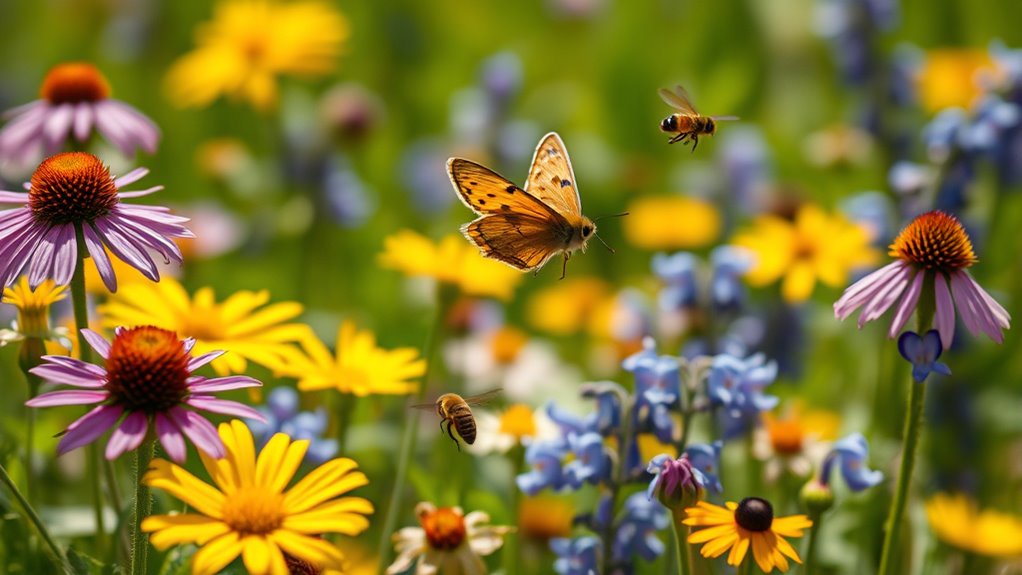
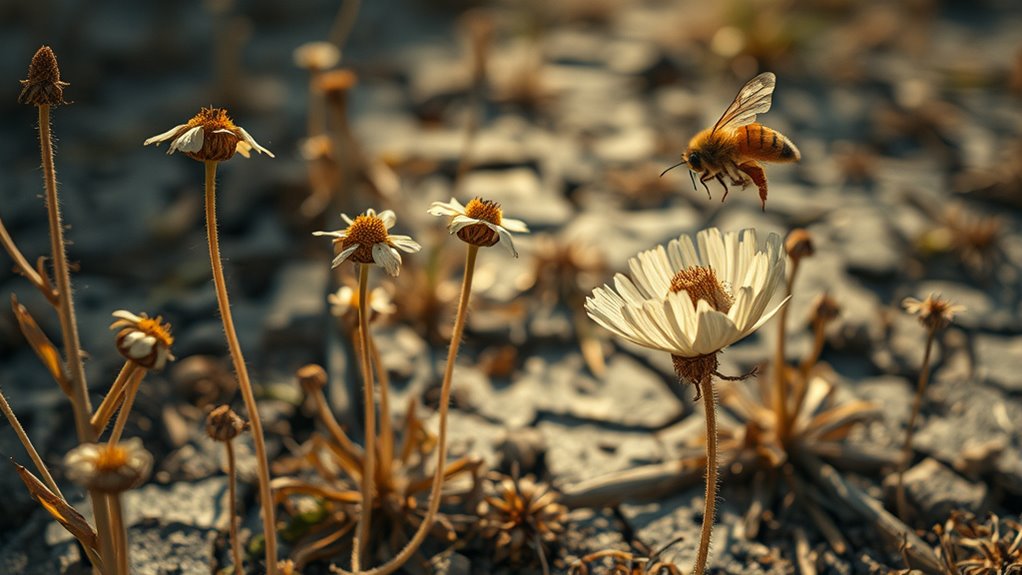
Have you noticed how insect populations are shrinking? The decline is alarming and widespread, especially among bees and butterflies. In the U.S., beekeepers lost about 62% of colonies between mid-2024 and early 2025, roughly 1.1 million colonies gone. Meanwhile, butterfly populations have dropped by 22% over two decades, with some species like the western monarch facing near-extinction. Despite efforts to maintain numbers, the overall pollinator health continues to decline due to threats like habitat loss, disease, and climate change. These insects are essential for pollinating one-third of our food crops, meaning their disappearance threatens global food security. The current state of pollinator populations signals a fragile balance that’s rapidly tipping toward ecological crisis.
Major Causes Behind Insect Declines
Habitat destruction and urbanization are shrinking the spaces where insects find food and nesting sites, making survival tougher. Pesticides and chemicals used in agriculture further harm pollinators by poisoning them directly or disrupting their behavior. Together, these human activities accelerate the decline of insect populations worldwide.
Habitat Destruction and Urbanization
Habitat Destruction and Urbanization (Major Causes Behind Insect Declines)
Urbanization and habitat destruction are rapidly shrinking the natural spaces that pollinators rely on for food and nesting. As cities expand, fields, meadows, and forests give way to concrete, reducing floral diversity and nesting sites. This loss limits food sources, forcing insects to travel farther or starve. Incorporating pollinator-friendly designs in urban planning can help create greener spaces that support pollinator health. Urban development fragments habitats, making it difficult for populations to survive and reproduce. The table below illustrates how different landscapes impact pollinators:
| Landscape Type | Impact on Pollinators | Example |
|---|---|---|
| Urban areas | Reduced floral diversity | City parks, rooftops |
| Agricultural fields | Monoculture, pesticide use | Corn and soybean farms |
| Forest edges | Fragmentation, invasive species | Suburban woodlands |
| Roadside margins | Limited nesting sites | Highway shoulders |
| Urban parks | Temporary food sources | Community gardens |
These changes threaten pollinator survival, disrupting ecosystems and food systems. Habitat fragmentation further exacerbates these declines by isolating populations and reducing genetic diversity.
Pesticide and Chemical Use
The widespread use of pesticides and chemicals in agriculture has become one of the most significant drivers of insect declines. These substances directly poison insects, disrupting their nervous systems, reproduction, and survival. Neonicotinoids, a common class of insecticides, are especially harmful, impairing bees’ ability to forage, navigate, and communicate. Pesticides contaminate flowering plants, reducing available food and exposing pollinators to toxic doses. Over time, this exposure weakens their immune systems, making them more vulnerable to diseases and parasites like Varroa mites. *Additionally*, chemical runoff pollutes water sources and soil, affecting a wide range of insects beyond bees and butterflies. Without stricter regulation and alternative pest management, pesticide overuse continues to threaten the delicate balance of insect populations worldwide. Chemical exposure also disrupts essential insect behaviors necessary for pollination and ecosystem health.
The Impact on Global Food Security
How much would food security suffer if pollinator populations continue to decline? You’d see reduced crop yields for fruits, vegetables, and nuts, as many rely on bees and butterflies for pollination. This decline threatens to spike food prices, making essentials less affordable and increasing the risk of shortages. With pollinators responsible for about one-third of global food production, their loss would destabilize agricultural productivity worldwide. For instance, California’s almond industry, heavily dependent on bee pollination, faces significant shortfalls. As pollinator numbers dwindle, farmers may need to turn to costly, less natural solutions like manual pollination, which isn’t scalable globally. Ultimately, the decline in pollinators jeopardizes both local food systems and overall global food security.
Decline Trends Among Butterflies
Recent studies reveal that butterfly populations across the United States are shrinking at alarming rates, highlighting a broader decline among pollinators. Over the past two decades, 22% of butterfly species have experienced population declines. The western monarch butterfly, in particular, has plummeted by 96% from 2023 to 2024, with nearly a 100% chance of extinction within 60 years if current trends continue. Eastern monarchs have also declined substantially, remaining 80% below historic levels. Nationwide, roughly 20% of butterfly species face increased extinction risk, mainly driven by climate change and habitat loss. You can see that butterflies are highly sensitive to environmental changes, and their decline signals the growing vulnerability of insect populations, which are essential for pollination and ecosystem health. Implementing effective conservation strategies can help mitigate these declines and preserve vital pollinator species. Recognizing the importance of insect population health is crucial for maintaining biodiversity and ecological stability. Additionally, efforts to restore native habitats and reduce pesticide use are vital components of insect conservation. These declines also serve as an indicator of broader ecological disruptions, emphasizing the importance of biodiversity preservation to sustain the health of ecosystems.
Threats Facing Native Pollinators

Native pollinators face a growing array of threats that jeopardize their survival and the essential ecological roles they play. You need to understand these dangers to grasp the urgency of conservation.
- Pesticide exposure weakens their immune systems and impairs navigation.
- Habitat loss from urbanization and monoculture farming reduces foraging and nesting sites.
- Climate change disrupts migration patterns and alters flowering times, creating mismatches.
- Invasive species compete for resources and introduce new diseases.
- The decline of native pollinators also impacts airless paint sprayer productivity, as healthy ecosystems support broader environmental stability. Protecting pollinators is crucial for maintaining biodiversity, which underpins resilient ecosystems.
These threats are interconnected, intensifying their impact. Without immediate action, many native pollinator species will continue to decline, risking ecosystem stability and food security. Recognizing these dangers is the first step toward effective conservation efforts.
Environmental and Human-Driven Challenges

You can see how pesticides and chemicals harm pollinators by contaminating their food sources and disrupting their health. Habitat loss from urbanization and agriculture reduces the places where insects nest and forage, intensifying their decline. These human activities directly threaten the survival of many pollinator species and the ecosystems they support. Additionally, the widespread use of Vetted portable camping gear can inadvertently impact insect habitats if not managed responsibly, further contributing to their decline. Implementing proper maintenance of camping equipment and practices can help mitigate these impacts and protect delicate ecosystems. Regularly assessing space and organization within natural areas can also aid in minimizing human disturbances that threaten pollinators. Furthermore, promoting pollinator-friendly landscaping in urban and suburban environments can create additional safe habitats for these vital insects. Recognizing the importance of native plant species can also help restore and preserve essential pollinator habitats.
Pesticides and Chemical Use
Pesticides and chemical use have become major drivers of pollinator decline, as their widespread application in agriculture exposes bees, butterflies, and other insects to toxic substances that impair their health and navigation. You might not realize that:
- Pesticides like neonicotinoids disrupt bees’ ability to forage and communicate.
- Chemical residues linger in pollen and nectar, accumulating in insect colonies.
- Overuse leads to resistance, prompting even more potent chemicals.
- Chemical exposure weakens immune systems, making insects vulnerable to diseases and parasites.
- The regulations and certifications surrounding pesticide use are often complex, and enforcement varies by region, which can hinder efforts to protect pollinators.
- The materials and application methods of pesticides influence their environmental persistence and impact on non-target species, including beneficial insects.
These chemicals not only threaten individual insects but also destabilize entire populations. Despite efforts to reduce their use, many farmers still rely heavily on pesticides, unknowingly accelerating pollinator declines and risking long-term ecological and agricultural health.
Habitat Loss and Urbanization
Habitat loss and urbanization have emerged as leading threats to pollinator populations, compounding the challenges posed by chemical exposure. As cities expand and farmland converts to monocultures, bees and butterflies lose critical nesting sites and diverse food sources. These changes weaken their resilience, making them more vulnerable to disease and climate shifts. Urban development replaces natural habitats with concrete, reducing floral diversity and creating fragmented landscapes. This fragmentation hinders pollinators’ ability to forage and reproduce effectively.
| Habitat Type | Impact on Pollinators |
|---|---|
| Natural | Provides shelter, food, and breeding sites |
| Urban | Fragmented, limited floral resources |
| Agricultural | Monocultures reduce food diversity |
Conservation Strategies and Efforts
Conservation strategies are essential to halt the rapid decline of pollinator populations and restore ecosystem health. To make a real impact, you can focus on these key actions:
- Restore habitat diversity by planting native flowers that provide nectar and pollen year-round. Creating diverse habitats can support a wider range of pollinators and improve their resilience to environmental changes.
- Reduce pesticide use through advocacy and adopting integrated pest management practices. Supporting policies that regulate harmful chemicals can significantly benefit pollinator health.
- Control parasites and diseases by supporting research and implementing hive health measures. Understanding parasite management techniques is crucial for maintaining healthy colonies.
- Raise public awareness to inspire community participation and policy changes that prioritize pollinator protection. Educational campaigns can motivate more people to take conservation actions.
- Proper bike maintenance practices, such as inspecting and inflating tires correctly, can reduce the need for repairs and waste, contributing to more sustainable habits.
The Role of Climate Change in Insect Losses
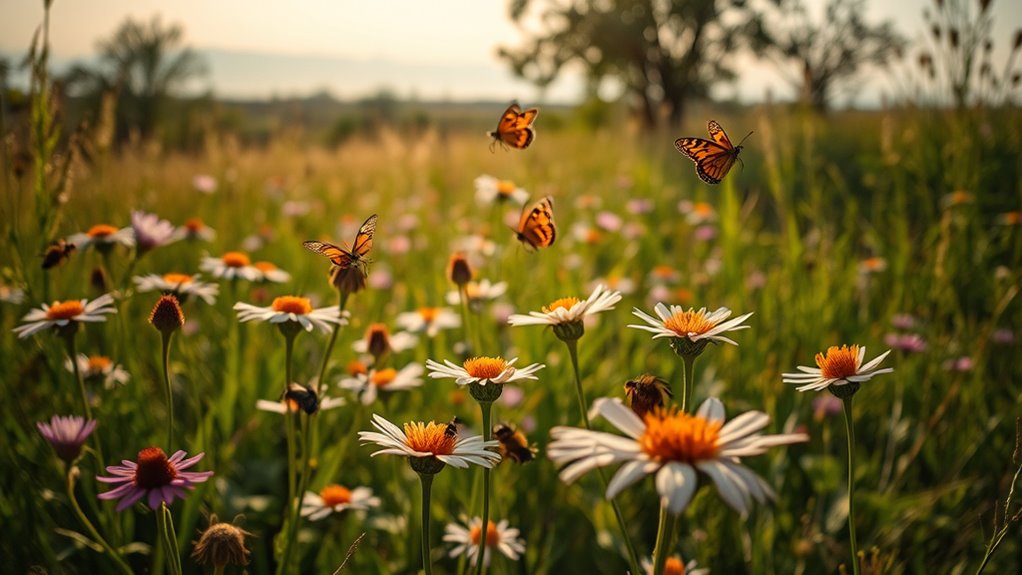
Climate change is increasingly disrupting insect populations by altering the environments they depend on for survival. Rising temperatures shift flowering times, causing mismatches between insects and their food sources. Warmer winters reduce hibernation periods, leading to increased mortality. Changing rainfall patterns affect the availability of water and suitable nesting sites. Habitat shifts force insects to migrate to cooler areas, but many cannot keep pace, leading to population declines. Additionally, climate change exacerbates the spread of parasites and diseases that weaken insect health. These environmental disturbances disrupt life cycles, reduce reproductive success, and threaten entire species. As a result, the delicate balance necessary for pollinator survival is unraveling, accelerating declines and threatening the essential ecosystem services they provide. Holistic approach to conservation efforts is crucial to address these complex challenges.
Urgent Actions Needed to Protect Pollinators

The urgent need to protect pollinators stems from the alarming rate at which their populations are declining due to multiple threats. To address this crisis, you can take immediate action:
- Support Habitat Restoration: Plant diverse native flowers and create pollinator-friendly spaces. Incorporating native plants into your garden can provide essential food sources for bees and butterflies.
- Reduce Pesticide Use: Advocate for and choose organic options, and avoid harmful chemicals. Utilizing pesticide-free gardening methods can significantly lessen pollinator exposure to dangerous substances.
- Promote Sustainable Agriculture: Encourage practices that protect pollinator habitats and reduce monocultures.
- Raise Awareness: Educate others about pollinator decline and the importance of conservation efforts.
- Consider using self watering plant pots to cultivate native plants more efficiently and ensure consistent watering without overuse of resources. Incorporating pollinator habitats into urban planning can significantly boost local bee and butterfly populations.
Frequently Asked Questions
How Do Parasites Like Varroa Mites Specifically Weaken Bee Colonies?
Parasites like Varroa mites weaken bee colonies by feeding on bee larvae and adults, transmitting deadly viruses. You might not see the damage right away, but their presence causes stress, reduces immune responses, and spreads diseases that compromise hive health. As a result, bees become more vulnerable to other threats, struggle to gather food, and eventually lead to colony collapse. Managing these parasites is essential to protect bee populations.
What Are the Most Effective Ways to Restore Pollinator Habitats?
You can restore pollinator habitats by planting diverse, native flowering plants that bloom throughout the year, providing essential food sources. Protect existing natural areas and create new wildflower corridors to connect fragmented habitats. Reduce pesticide use and avoid monocultures, which threaten pollinators’ survival. Engage communities to support conservation efforts, and advocate for policies that prioritize habitat preservation. Every action could be the key to saving these crucial insects before it’s too late.
How Does Climate Change Alter Pollinator Migration Patterns?
Climate change disrupts pollinator migration patterns by altering temperatures and seasonal cues they rely on. You’ll notice that bees, butterflies, and other pollinators may start migrating earlier or later than usual, or even shift their routes altogether. These changes can cause mismatches with flowering plant blooms, reducing food availability. As a result, pollinators struggle to find resources, which weakens their populations and hampers their vital role in ecosystems and agriculture.
Can Urban Gardening Help Mitigate Pollinator Habitat Loss?
Yes, urban gardening can help mitigate pollinator habitat loss. By planting native flowers, trees, and shrubs, you provide essential food and nesting sites for bees, butterflies, and other pollinators. You also create green spaces that support their survival amid shrinking natural habitats. Plus, urban gardens reduce the need for pesticides and monoculture farming, offering a safe refuge. Your efforts directly contribute to sustaining pollinator populations and improving local biodiversity.
What Policies Are Currently in Place to Protect Declining Insect Populations?
Think of current policies as a fragile web trying to catch falling pollinators. You’re likely aware of regulations that limit pesticide use, promote habitat restoration, and support research. Agencies like the EPA and USDA implement these measures, aiming to reduce threats and protect native insects. However, enforcement varies, and more coordinated efforts are needed. Your awareness and advocacy can strengthen this web, helping pollinators survive and thrive again.
Conclusion
Like Icarus soaring too close to the sun, ignoring the warning signs risks our very survival. If you don’t act now to protect pollinators, we may wake up one day to a world stripped of vibrant butterflies and essential bees, forever lost in the wings of time. The future depends on what you do today—because, in the end, we’re all part of this delicate web, and its unraveling spells trouble for us all.