
When discovering a new species, field exploration begins where scientists collect samples using nets, traps, or scuba gear, noting key traits and habitats. These specimens are then carefully preserved and examined for differences in morphology and DNA. Names are assigned following international rules, often reflecting features or honoring people. Advances in technology now speed up this process and improve accuracy. Continue exploring to uncover how scientists link these steps to better understand Earth’s hidden biodiversity.
Key Takeaways
- Researchers collect specimens from diverse habitats using tools like nets, traps, or scuba gear, noting their physical features and behaviors.
- Specimens are preserved and examined in labs, where species are described and assigned formal scientific names following international codes.
- Combining morphological traits with molecular DNA data enhances accuracy in identifying and confirming new species.
- Discovery efforts are concentrated in biodiversity hotspots and remote habitats, aided by technological advances like remote sensing and deep-sea exploration.
- Proper naming ensures global recognition, prevents taxonomic confusion, and supports conservation and biodiversity assessment.

Honoson 24 Pcs Butterfly Bug Net for Insect Collecting Bug Catcher Fishing Net Nature Exploration Observation Tools for Spring Outing Specimen Supplies
- Ample Quantity: 24 bug catcher nets included
- Vibrant Colors: Available in 4 colors
- Versatile Use: Catch bugs, butterflies, and fish
As an affiliate, we earn on qualifying purchases.
As an affiliate, we earn on qualifying purchases.
The Journey of Species Discovery: From Fieldwork to Curated Collections
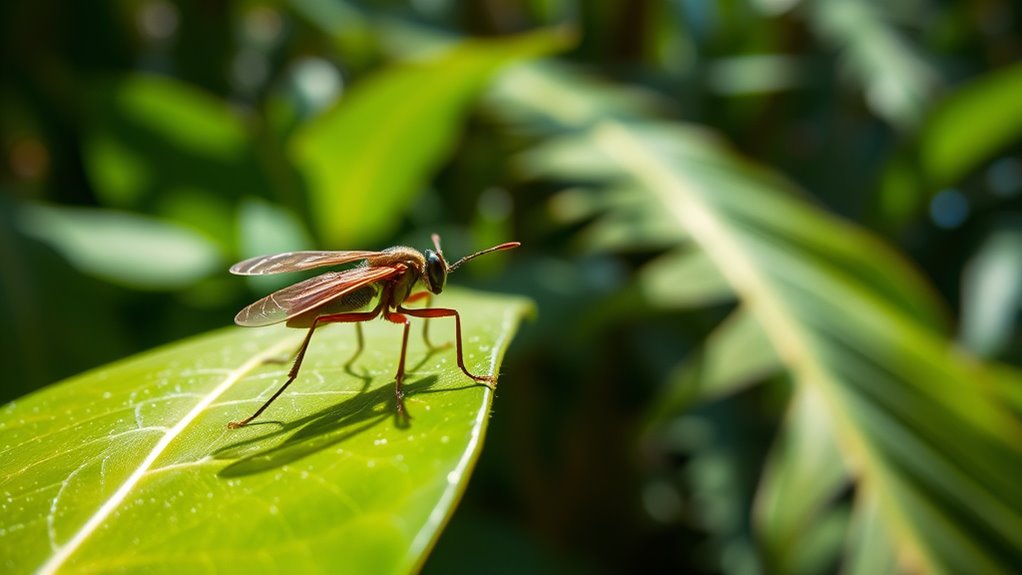
The journey of species discovery begins in the field, where researchers venture into diverse habitats to observe and collect organisms. You might explore lush rainforests, deep oceans, or remote deserts, searching for signs of unknown species. Using nets, traps, or scuba gear, you gather specimens carefully, noting their habitat, behavior, and physical features. Once collected, these samples are transported to laboratories or museums for detailed examination. You document morphological traits and may extract DNA, ensuring accurate identification. Proper preservation is essential, often involving mounting, freezing, or chemical treatment. This process transforms raw fieldwork into curated collections, laying the foundation for further analysis. Your efforts contribute fundamental data needed to recognize, describe, and ultimately understand Earth’s hidden biodiversity. Incorporating advanced technology enhances the accuracy and efficiency of species identification and classification. Additionally, curated collections serve as vital repositories for ongoing research and reference.
The Role of Morphology and Molecular Data in Identifying New Species
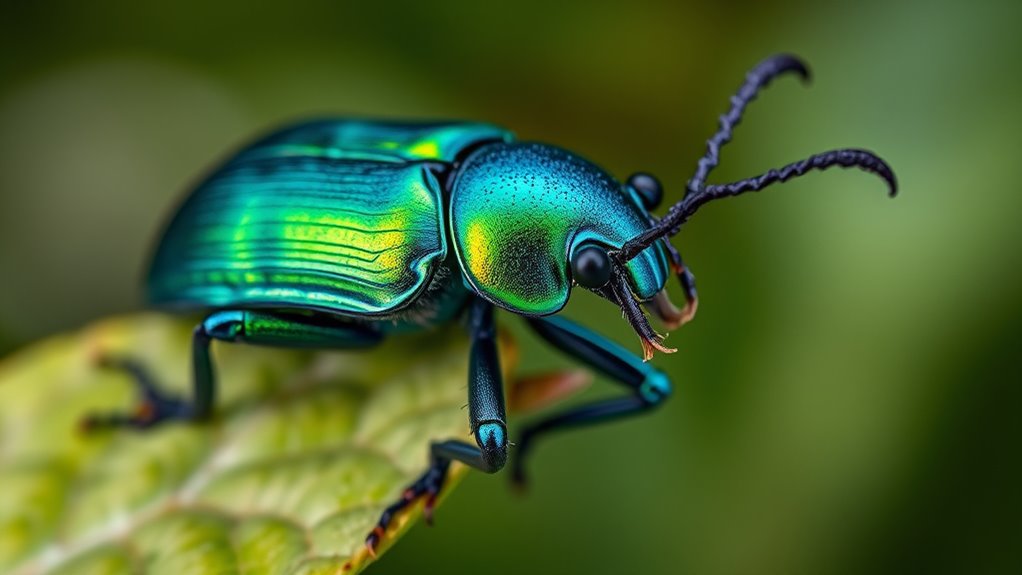
Morphological analysis has long served as the backbone of species identification, relying on physical traits like shape, size, and coloration to distinguish new species. You examine features such as skeletal structures, scales, or coloration patterns to recognize differences. Molecular data, like DNA sequences, increasingly complement morphology, especially when physical traits are subtle or convergent. This dual approach enhances accuracy and confidence. Here’s a comparison:
| Aspect | Morphology | Molecular Data |
|---|---|---|
| Primary Focus | Physical traits | Genetic sequences |
| Advantages | Quick, cost-effective | Precise, detects cryptic species |
| Limitations | Convergent traits, variability | Requires lab facilities |
| Application | Initial screening, description | Validation, phylogenetics |
Combining these methods improves species discovery, ensuring robust, reliable identifications. Integrating morphological and molecular approaches provides a comprehensive framework for accurate species classification, which is essential for understanding biodiversity and evolutionary relationships.
Habitats and Regions: Where Most New Species Are Found
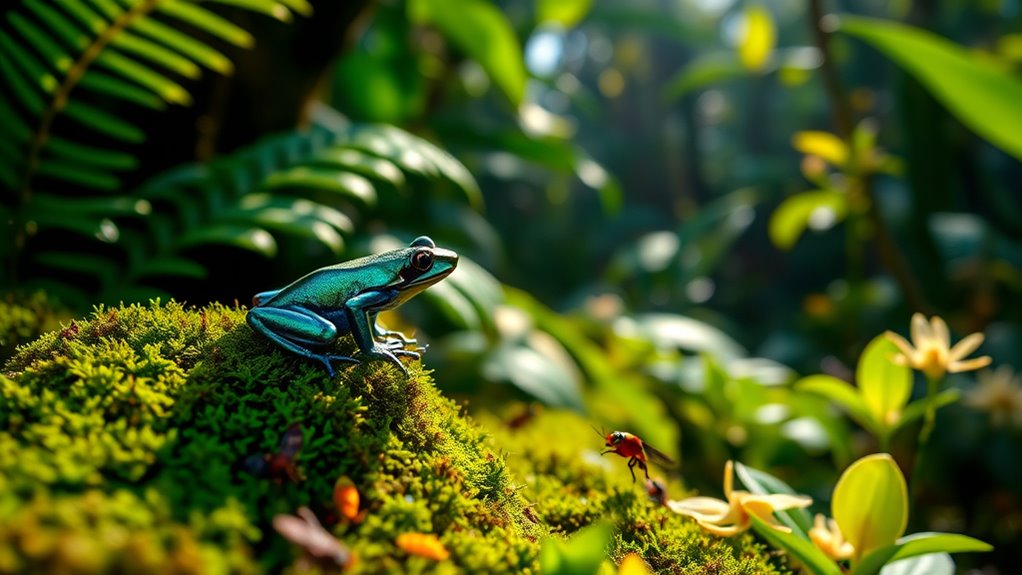
You’ll find most new species in biodiversity hotspots like Madagascar, Southeast Asia, and South America, where ecosystems are rich and often understudied. Remote habitats such as deep-sea vents and extreme environments also hold many undiscovered species due to limited exploration. Accessibility and research effort heavily influence discovery rates, meaning the least explored areas still have high potential for new finds. Additionally, advancements in sound design techniques and sampling methods can aid researchers in identifying and cataloging new species more effectively. Moreover, ongoing exploration efforts are crucial for uncovering species in these hard-to-reach regions. Increased use of technological innovations can further accelerate discoveries in these challenging environments. Further research into sampling methods and the development of advanced exploration technology are essential to expanding our understanding of biodiversity in these difficult-to-access regions.
Biodiversity Hotspots
Biodiversity hotspots are the primary regions where new species are still being discovered at high rates, driven by their rich and often unique ecosystems. You’ll find most discoveries in areas like Madagascar, Southeast Asia, and South America, which harbor vast, underexplored habitats. These regions often contain endemic species found nowhere else, making them essential for conservation. Shallow waters in marine environments also yield many new species, though deep-sea habitats remain largely unexplored. Remote and inaccessible areas attract fewer researchers, increasing the likelihood of undiscovered species. Human exploration efforts, combined with habitat complexity, shape discovery patterns. As a result, hotspots serve as critical centers for biodiversity research, revealing the remarkable diversity still hidden within well-known and overlooked ecosystems alike. Additionally, research trends indicate that technological advancements are expanding our ability to explore previously unreachable regions, further enhancing the discovery of new species. Exploration technologies are enabling scientists to venture into previously inaccessible habitats, leading to new findings at an unprecedented pace.
Underexplored Habitats
Where do most new species still await discovery? You’ll find that underexplored habitats like deep-sea vents, hot springs, and remote tropical forests hold the greatest potential. These environments remain largely inaccessible and poorly studied, hiding countless undiscovered species. Marine species are mostly discovered in shallow waters, leaving depths beyond 1,000 meters largely unexplored. Similarly, tropical rainforests in Southeast Asia, Madagascar, and South America continue to reveal new organisms, thanks to ongoing sampling efforts. Remote and extreme habitats are especially promising because their isolation and harsh conditions limit human exploration. As technology advances, you’ll see more discoveries in these habitats, providing vital insights into biodiversity and evolution. These regions are essential frontiers for discovering species that could profoundly impact science and conservation efforts. Additionally, the integration of new exploration technologies is increasing the likelihood of uncovering species in these challenging environments, further expanding our understanding of Earth’s biodiversity. Recognizing the importance of conservation efforts in these regions underscores the need to protect these fragile ecosystems as we explore them. Moreover, each discovery underscores the importance of scientific research in understanding and preserving Earth’s diversity. Advances in remote sensing and imaging are also aiding researchers in mapping and studying these hard-to-reach habitats more effectively.
Challenges in Counting and Estimating Earth’s True Biodiversity
You face the challenge of estimating Earth’s total species, but many remain hidden in unexplored habitats or poorly studied groups. Variability in taxonomic effort and expertise further complicates these estimates, leading to uncertain counts. As a result, scientists rely on models and methods that often carry significant margins of error, making it tough to determine the true diversity of life on our planet. Additionally, floating on water plays a vital role in many ecosystems, supporting a vast array of species yet remains difficult to quantify accurately. The safety features of equipment like heated mattress pads, such as auto shut-off, help prevent hazards and ensure safe usage in various environments.
Hidden Species Unknown Extent
Estimating Earth’s true biodiversity remains a formidable challenge because many species remain hidden in poorly studied habitats and taxonomic groups. You face uncertainty because vast regions like deep oceans, dense rainforests, and extreme environments are underexplored. Many species are small, cryptic, or rare, making detection difficult. Additionally, taxonomic efforts are uneven, leading to gaps in species inventories. Synonymy and identification errors further obscure counts, with up to 25% of recent species names possibly duplicated or misclassified. Hidden species can number in the millions, and current estimates range from 3 million to tens of millions globally. As you attempt to quantify biodiversity, you rely on models and localized sampling, but unknown species remain a significant obstacle, limiting our full understanding of Earth’s rich tapestry of life. The taxonomic process plays a crucial role in accurately identifying and classifying new species, yet it often lags behind discovery rates. Advances in molecular techniques are helping to uncover cryptic species that traditional methods might miss.
Taxonomic Effort Variability
Variability in taxonomic effort considerably hampers accurate assessments of Earth’s biodiversity. You might find that some regions and groups receive intense focus, leading to rapid discoveries, while others remain understudied, causing gaps in knowledge. Differences in expertise, available resources, and research priorities influence how thoroughly species are documented. For example, well-funded institutions may describe dozens of species annually, whereas remote habitats or less charismatic taxa are neglected. Additionally, taxonomic challenges like synonymy, misidentification, and limited access to specimens increase uncertainty. These disparities create uneven data, making it difficult to estimate total species numbers reliably. Taxonomic effort varies greatly among different regions and groups, further complicating comprehensive biodiversity assessments. As a result, your understanding of global biodiversity remains incomplete, with many species still hidden in poorly explored environments, awaiting discovery and description.
Estimation Uncertainty Challenges
Accurately counting Earth’s total species remains a significant challenge due to numerous uncertainties. Estimations vary widely—some suggest around 3 million, while others propose tens of millions—mainly because many species stay hidden in poorly studied habitats. Synonymy, where different names refer to the same species, affects about 25% of recent descriptions, adding confusion. Identification errors and uneven sampling efforts further complicate counts. To improve estimates, scientists use extrapolations from localized sampling, like insect surveys or deep-sea explorations. Advances in statistical models now incorporate taxonomic effort, effort variability, and habitat accessibility. These tools help refine predictions and quantify error margins, but uncertainties remain high, emphasizing the need for ongoing research and better data integration. For example, dog names reflect the diversity of preferences and cultural backgrounds, highlighting the importance of detailed classification in understanding biodiversity.
The Process of Naming: From Formal Description to Scientific Nomenclature

Once a new species has been thoroughly studied and documented, the next crucial step is assigning it a formal scientific name. You follow established international codes, like the ICZN for animals or the ICN for plants, to guarantee the name’s uniqueness and stability. The process involves selecting a name that often reflects a distinctive feature, habitat, or honors a person or place. You publish the description in a scientific journal, including details like the holotype specimen and diagnostic traits. This publication officially establishes the name, making it available for use worldwide. You must also confirm the name isn’t already used or confusingly similar to existing ones. Proper naming ensures clarity, stability, and recognition within the scientific community, facilitating future research, conservation, and communication. Additionally, understanding the naming conventions helps prevent taxonomic confusion and promotes consistency across scientific disciplines.
Advances in Technology and Data Analysis Transforming Taxonomy

Recent advances in technology and data analysis are revolutionizing how taxonomists identify, describe, and classify new species. You now have access to powerful tools that enhance discovery and accuracy. For example:
- Molecular techniques like DNA sequencing help validate species and clarify evolutionary relationships.
- Statistical models, such as CORAL, predict biodiversity patterns and estimate unknown species, including rare ones.
- Data integration from images, audio, and environmental sensors improves understanding of species distributions and seasonal changes.
These innovations enable faster, more precise discoveries, especially in remote or unexplored habitats. They also help manage large datasets, account for uncertainties, and refine global species estimates. As a result, your work becomes more efficient, reliable, and impactful in uncovering Earth’s hidden biodiversity.
The Significance of Discovering New Species for Conservation and Science
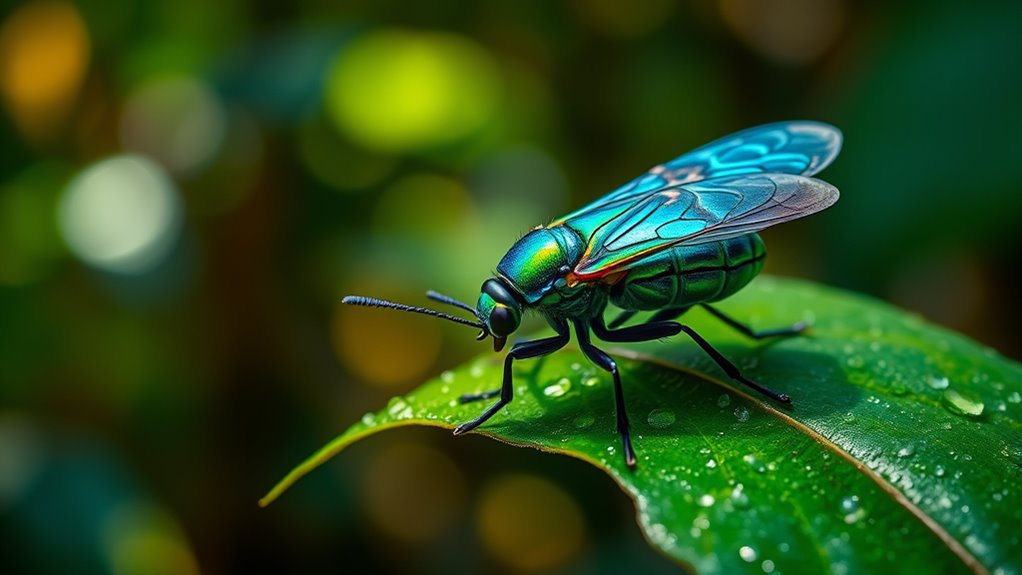
Discovering new species is essential for advancing scientific knowledge and protecting biodiversity. Each discovery helps you understand ecosystems, evolutionary processes, and environmental changes. Knowing what species exist allows you to evaluate their roles and assess threats like habitat loss or climate change. Without these discoveries, you might overlook species at risk of extinction or miss opportunities for medical or technological breakthroughs. Recognizing new species also guides conservation priorities, ensuring resources focus on habitats with high undiscovered diversity. For science, each new species adds data to models of biodiversity, helping predict future changes. Ultimately, discovering and naming new species enriches your understanding of life’s complexity, fostering more effective conservation strategies and expanding humanity’s scientific horizons.
Frequently Asked Questions
How Do Taxonomists Decide Which Specimens Qualify as a New Species?
You determine if a specimen qualifies as a new species by analyzing its morphological features and comparing them with known species. You also use molecular data, like DNA sequences, to confirm differences. If the specimen shows consistent, significant differences from existing species and meets international naming standards, you can describe it as new. Collaboration with experts and thorough documentation ensure your identification is accurate and scientifically valid.
What Are the Main Reasons Some Species Remain Undiscovered Globally?
Silent, secluded, and seldom surveyed, many species remain undiscovered because of limited exploration, elusive environments, and unequal effort. You might find hidden habitats, deep-sea domains, or remote regions where species hide from human eyes. Sparse sampling, scarce scientists, and species’ subtle, specialized traits make discovery difficult. As a result, vast biodiversity remains uncharted, emphasizing the need for ongoing exploration, enhanced effort, and innovative methods to uncover and understand Earth’s hidden habitats.
How Does Synonymy Impact the Accuracy of Species Counts?
Synonymy can considerably skew your species counts because multiple names might refer to the same species. When this happens, your tally overestimates actual diversity, making it seem like more species exist than there really are. It complicates conservation efforts and biodiversity assessments, as you might prioritize protecting species that are actually just different names for the same organism. Correcting synonymy improves the accuracy of your species inventories and understanding of true biodiversity.
Can Molecular Data Alone Reliably Define New Species?
Imagine a puzzle coming together, with molecular data as a key piece. While DNA sequences can strongly suggest new species, relying on them alone isn’t foolproof because genetic variation within species can mimic differences between species. You need to combine molecular data with morphological traits and ecological information to confidently define a new species. This integrated approach guarantees you don’t mistake genetic noise for true species boundaries, leading to more accurate discoveries.
What Are the Biggest Obstacles to Exploring Deep-Sea and Remote Habitats?
You face significant obstacles exploring deep-sea and remote habitats. The main challenges include extreme pressure, darkness, and cold temperatures that require specialized equipment and technology. Accessibility is limited, making deployment costly and logistically complex. Additionally, these environments often remain poorly mapped, increasing the risk of accidents. Funding constraints and the need for advanced submersibles or remote-operated vehicles further hinder exploration efforts, delaying discoveries of new species.
Conclusion
As you explore the world’s hidden corners, each new species becomes a beacon of hope and wonder. They symbolize the delicate threads weaving life together, reminding you that discovery is a continuous dance between nature and science. Every name you help uncover adds to the tapestry of Earth’s rich story, urging you to protect and cherish this vibrant mosaic. In each discovery, you find a piece of the greater whole—an ongoing symphony waiting to be heard.