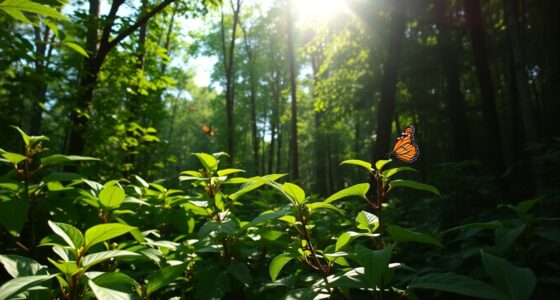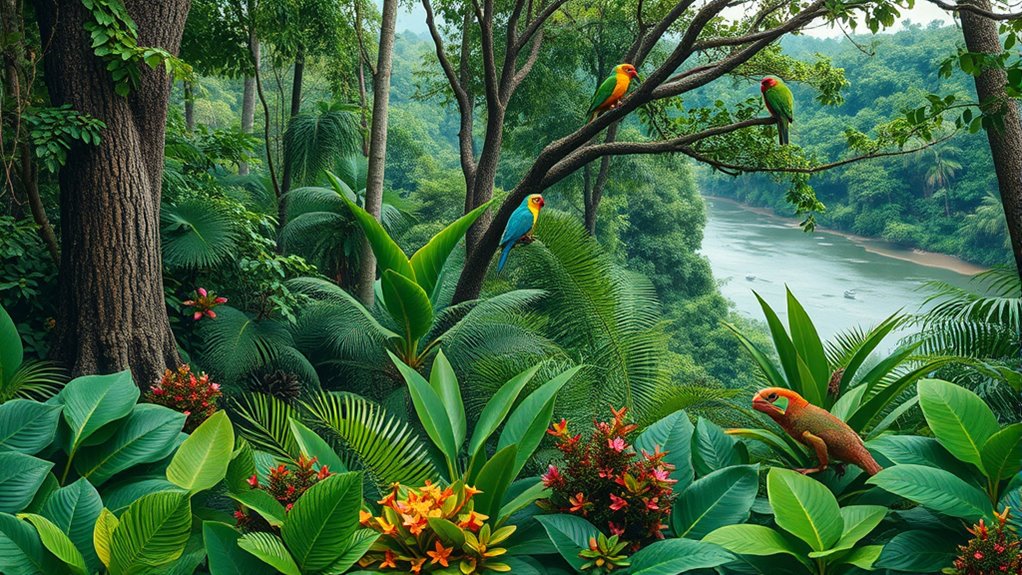
Biodiversity encompasses genes, species, and ecosystems, forming the foundation of life on Earth. Genetic variation within a species allows populations to adapt and survive environmental changes. Different species contribute to a balanced ecosystem, supporting essential processes like pollination and nutrient cycling. Ecosystem complexity guarantees resilience against disturbances such as storms or droughts. Understanding these connections helps you see why protecting each element is indispensable for Earth’s health, and there’s more to explore about how all these parts work together to sustain life.

Prime made for students and young adults
- Fast, free delivery for dorm and study essentials
- Prime Video and Amazon Music included
- Member-only deals
Key Takeaways
- Biodiversity encompasses the variety of genes, species, and ecosystems, each contributing to overall ecological health.
- Genetic variation within species enables adaptation and resilience to environmental changes.
- Different species interact within ecosystems, supporting functions like pollination and nutrient cycling.
- Loss of genetic diversity or species diminishes ecosystem stability and increases extinction risks.
- Protecting biodiversity ensures ecosystems can withstand disturbances and continue providing vital services.
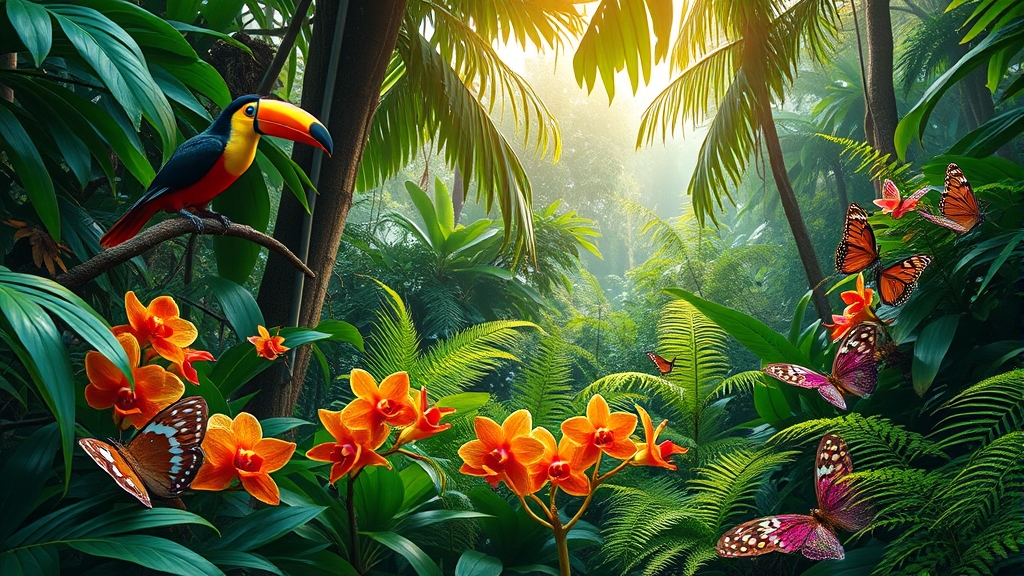
Have you ever wondered why Earth’s ecosystems are so vibrant and resilient? It all comes down to the incredible diversity found within genes, species, and entire habitats. At the core of this complexity is genetic variation, which refers to the differences in DNA sequences among individuals within a species. This variation is indispensable because it provides the raw material for evolution and adaptation. When environmental conditions change, populations with greater genetic diversity are more likely to contain individuals with traits that help them survive and thrive. This capacity to adapt strengthens ecosystem resilience, allowing ecosystems to recover from disturbances like storms, droughts, or human activities. Without genetic variation, species become more vulnerable to threats, risking extinction and the subsequent collapse of the ecosystems they support.
You can think of genetic variation as a kind of biological insurance policy. When a species has a broad genetic pool, it’s better equipped to handle new challenges, such as disease outbreaks or shifting climates. This diversity ensures that some individuals will possess the necessary traits to endure these pressures, maintaining population stability. As a result, ecosystems with diverse species and rich genetic variation tend to be more resilient overall. They can bounce back more quickly from disruptions, preserving essential functions like pollination, nutrient cycling, and water purification. This resilience is indispensable for maintaining the health of the planet because it stabilizes food webs and supports the services humans rely on.
Understanding the link between genetic variation and ecosystem resilience highlights why conserving biodiversity is so important. When habitats are destroyed or species are driven to extinction, we lose not only the unique organisms themselves but also the genetic diversity those organisms carry. This loss weakens ecosystem resilience, making ecosystems more fragile and less capable of withstanding environmental changes. Protecting genetic variation means safeguarding the potential for future adaptation and ensuring ecosystems remain robust and productive over time. It’s a reminder that every species, every gene, plays a crucial role in maintaining the balance of life on Earth. By nurturing biodiversity, you help create a more resilient planet capable of sustaining life through the challenges of an ever-changing world.
biodiversity books for beginners
As an affiliate, we earn on qualifying purchases.
As an affiliate, we earn on qualifying purchases.
Frequently Asked Questions
How Does Climate Change Impact Biodiversity?
Climate change impacts biodiversity by disrupting habitats and forcing species to adapt quickly. You’ll see some struggle with climate adaptation, leading to declines or extinctions. This reduces ecosystem resilience, making ecosystems less able to recover from disturbances. As temperatures rise and weather patterns shift, you might notice changes in species distribution and interactions, which further threaten biodiversity and the health of our planet’s ecosystems.
What Roles Do Keystone Species Play?
Imagine a tightrope walker maintaining balance for the entire circus; that’s your keystone species in an ecosystem. These species hold ecological balance by supporting many other species and maintaining habitat structure. Without them, the whole system risks collapsing, like a circus without its star performer. Your keystone species, consequently, plays an essential role in keeping ecosystems stable and resilient, ensuring biodiversity thrives and the environment remains in harmony.
How Can Individuals Help Conserve Biodiversity?
You can help conserve biodiversity through individual actions like reducing waste, choosing sustainable products, and supporting conservation organizations. Participating in community efforts such as local clean-ups, tree planting, or advocating for protected areas makes a bigger impact. Your daily choices and involvement inspire others, creating a collective effort that benefits ecosystems and preserves the variety of life on Earth. Every small step counts toward a healthier, more diverse planet.
What Is the Relationship Between Biodiversity and Human Health?
Imagine you’re living in the age of the Renaissance—biodiversity directly impacts your health today. You can see that genetic diversity in plants and animals boosts resilience and provides crucial ecosystem services like clean air, water, and medicine. When biodiversity thrives, it supports healthier ecosystems, which in turn, keep you healthier. Protecting biodiversity guarantees these essential services continue, safeguarding your well-being and future.
How Does Invasive Species Affect Native Ecosystems?
Invasive species disrupt native ecosystems by outcompeting local plants and animals, which threatens ecological balance. When invasive species establish themselves, they often lack natural predators, allowing their populations to grow rapidly. This imbalance can lead to the decline or extinction of native species, reduce biodiversity, and alter habitat structures. As a result, the overall health of the ecosystem suffers, impacting everything from food sources to ecosystem services you rely on daily.
Conclusion
Understanding biodiversity is like holding a vibrant tapestry woven with countless threads of genes, species, and ecosystems. Each thread adds strength and beauty to our planet’s fabric. By protecting this intricate web, you help guarantee a resilient, thriving Earth for generations to come. Remember, your actions are the brushstrokes that preserve this masterpiece—because when biodiversity flourishes, so does life itself. Together, you can keep the colors of nature shining bright.
Fall Picks
fall essentials
As an affiliate, we earn on qualifying purchases.