
Community ecology studies how different species interact within shared habitats to shape ecosystem structure and keep ecological balance. You’ll see relationships like predation, competition, mutualism, and commensalism, which influence species survival and reproduction. These interactions form a web that maintains ecosystem stability and responds to environmental changes. Understanding these dynamics helps you see how diverse communities thrive and why conserving species is essential. Keep exploring to uncover more about how these connections sustain life on Earth.

Prime made for students and young adults
- Fast, free delivery for dorm and study essentials
- Prime Video and Amazon Music included
- Member-only deals
Key Takeaways
- Community ecology studies how different species coexist and interact within shared habitats.
- It examines relationships like predation, competition, mutualism, and their effects on ecosystems.
- External factors such as climate and human activity influence species interactions and community structure.
- Biodiversity and ecological balance are crucial for ecosystem resilience and stability.
- Understanding these interactions helps in conservation and maintaining ecological health.
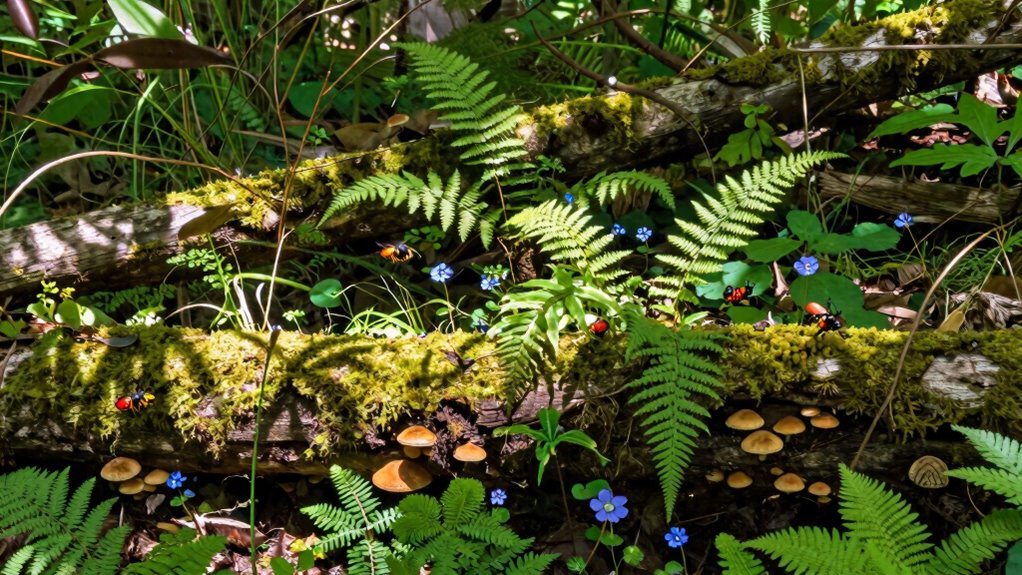
Have you ever wondered how different species coexist within the same environment? Community ecology is the branch of biology that explores exactly that. It focuses on how groups of species interact within a shared habitat and how these interactions shape the structure and function of ecosystems. When you look around, whether at a forest, a coral reef, or even a pond, you’re observing a web of relationships that define the community. These relationships, or species interactions, include everything from predation and competition to mutualism and commensalism. Each interaction influences the survival and reproduction of the species involved, ultimately contributing to the broader picture of ecosystem dynamics.
Community ecology examines how species interactions shape ecosystem structure and function across diverse habitats.
In community ecology, you learn that species don’t exist in isolation; they are part of a complex network. For example, predators keep prey populations in check, preventing overgrazing and allowing plant species to thrive. Meanwhile, plants and animals develop mutualistic relationships—like pollinators helping flowers reproduce while gaining nectar. These interactions are essential because they help maintain balance within ecosystems. When one species declines or disappears, it can trigger a cascade of effects, disrupting ecosystem stability. This interconnectedness highlights the importance of species interactions in shaping community composition and resilience.
Understanding community ecology also involves studying how different environmental factors influence these interactions. You might consider how resource availability, climate, or human activity alter species relationships. Changes in one species’ abundance can ripple through the community, affecting other species and altering ecosystem dynamics. For instance, the removal of a top predator can lead to an increase in herbivore populations, which might then overconsume vegetation. Such shifts can cause significant changes in habitat structure and biodiversity. Additionally, species interactions are influenced by external factors like climate change and habitat fragmentation, which can further alter community dynamics. Recognizing the importance of ecological balance helps explain how ecosystems maintain their stability over time.
Furthermore, studying species diversity provides insight into how resilient a community is to environmental changes and disturbances. This knowledge is fundamental for conservation efforts, helping you recognize the importance of preserving not just individual species but entire communities. Ultimately, community ecology reveals that the richness and stability of an ecosystem hinge on the intricate web of species interactions that operate beneath the surface, shaping the natural world you observe every day.
As an affiliate, we earn on qualifying purchases.
Frequently Asked Questions
How Does Community Ecology Impact Local Conservation Efforts?
Community ecology directly influences local conservation efforts by highlighting the importance of biodiversity preservation and ecosystem resilience. When you understand how species interact within a community, you can target efforts to protect critical habitats and maintain species balance. This knowledge helps you implement strategies that support diverse ecosystems, making them more resilient to disturbances like climate change or invasive species, ultimately ensuring long-term ecological health and sustainability in your area.
What Are the Main Methods Used to Study Community Interactions?
You study community interactions by observing species interactions directly in their habitats, noting who interacts with whom and how. You can use ecological networks to map these interactions visually, revealing complex relationships like predation, competition, and mutualism. Additionally, experiments and modeling help you understand the strength and stability of these interactions, providing insights into how communities function and respond to environmental changes.
How Do Invasive Species Alter Community Dynamics?
Invasive species can cause chaos in ecosystems, like a tornado tearing through a calm landscape. They often outcompete native species for resources, leading to community disruption. This can drastically shift predator-prey relationships, reduce biodiversity, and alter habitat structure. By establishing themselves quickly, invasive species destabilize existing community dynamics, making it difficult for native species to survive and thrive, ultimately transforming the entire ecological balance.
What Role Does Climate Change Play in Community Ecology?
Climate change profoundly impacts community ecology by forcing species to adapt through climate adaptation strategies. As temperatures and weather patterns shift, you’ll see changes in species interactions, distributions, and behaviors. These shifts can challenge ecological resilience, making communities more vulnerable to disturbances. Your role involves understanding these dynamics to help protect ecosystems, fostering resilience by supporting adaptive capacities, and ensuring that communities can withstand and recover from climate-induced changes.
How Do Human Activities Influence Community Structure?
You influence community structure through human disturbance and habitat fragmentation, which can disrupt species interactions and reduce biodiversity. Your activities, like urban development and deforestation, alter natural habitats, making it hard for some species to survive or coexist. This fragmentation isolates populations, weakens ecological networks, and can lead to the loss of keystone species, ultimately reshaping the entire community. Your actions directly impact ecological balance and species diversity.
Conclusion
Think of a community as a vibrant tapestry, where each thread is a different species woven together to create a beautiful, interconnected whole. Just like each thread’s strength supports the pattern, every organism plays an essential role in maintaining balance. When one thread weakens or disappears, the entire design risks unraveling. So, by understanding community ecology, you’re learning how these intricate patterns stay intact—helping you appreciate the delicate balance that keeps nature’s tapestry thriving.
Fall Picks
fall essentials
As an affiliate, we earn on qualifying purchases.