Every species finds its place in nature through its ecological niche, which includes its role, location, resources, and interactions within the environment. This niche is shaped by factors like temperature, humidity, competition, and available food. Different species share habitats by dividing resources and microhabitats, reducing competition. Recognizing how niches work helps explain biodiversity and ecosystem stability—exploring further reveals how these roles support a balanced, thriving environment.
Key Takeaways
- Each species occupies a specific ecological niche that includes its role, resources used, and environmental conditions tolerated.
- Niche differentiation and resource partitioning enable multiple species to coexist by reducing direct competition.
- Abiotic factors like temperature, humidity, and soil pH define the physical limits of a species’ niche.
- Biotic interactions such as predation, competition, and mutualism influence how species adapt to their niches.
- Microhabitat specialization and behavioral strategies help species efficiently utilize resources within their environment.
Understanding the Concept of an Ecological Niche
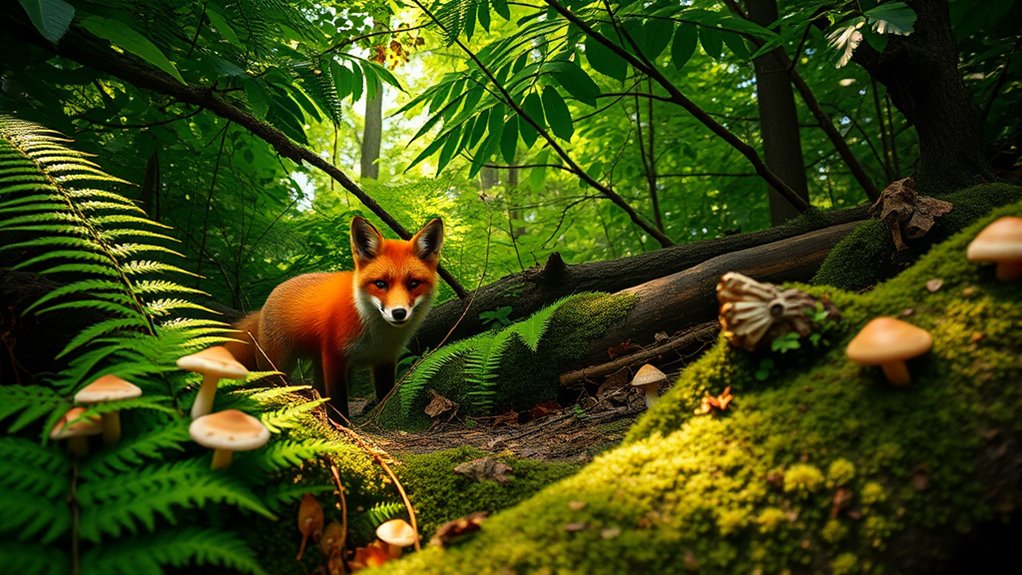
An ecological niche defines the role and position a species has within its environment, encompassing both where it lives and how it interacts with other organisms. It includes the physical space a species occupies and its functional role, such as feeding habits or relationships with other species. Think of it as a combination of the resources you use, the conditions you tolerate, and your interactions within the ecosystem. Your niche is shaped by factors like temperature, humidity, and competition, which influence your survival and behavior. Unlike just a habitat, which is a location, your niche involves your specific activities and relationships. No two species have identical niches, allowing them to coexist by dividing resources and reducing direct competition. Recent advancements in algorithms have further refined our understanding of how species adapt their niches over time to changing environments. For example, niche partitioning helps species coexist by reducing competition for resources. Additionally, homeostasis plays a vital role in maintaining the internal conditions necessary for a species’ survival within its niche. Understanding these ecological interactions is crucial for conservation efforts and maintaining biodiversity.
The Different Types of Ecological Niches
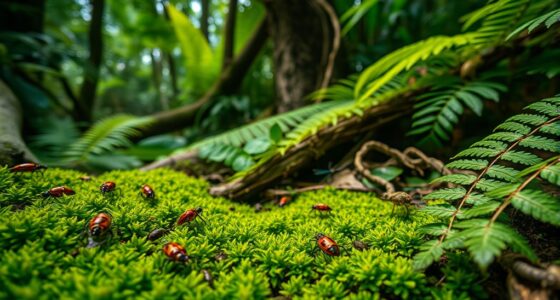
Different species occupy various types of ecological niches that define their roles and positions within ecosystems. The habitat or spatial niche specifies where you find a species, such as a forest log for millipedes. The trophic niche determines your feeding role—whether you’re a predator, herbivore, or scavenger—and how you interact with food resources. The hypervolume niche considers multiple environmental factors like temperature, humidity, and soil type, shaping where and how you survive. The fundamental niche represents your potential range of conditions without competition, while the realized niche reflects where you actually live, influenced by interactions with other species. Understanding these niche types helps explain how diverse organisms coexist by partitioning resources and adapting to their environment efficiently. Recognizing the importance of ecological balance and regional legal resources can also influence how individuals navigate complex systems, much like species adapt to their ecological constraints. Additionally, the concept of a niche underscores the significance of species interactions in maintaining ecosystem stability and biodiversity. Incorporating knowledge about behavioral adaptations can further clarify how species modify their niches to survive in changing environments, ensuring ecological resilience. Recognizing these different niche dimensions highlights the importance of adaptation mechanisms in promoting species survival amid environmental fluctuations.
How Species Share and Divide Their Habitats
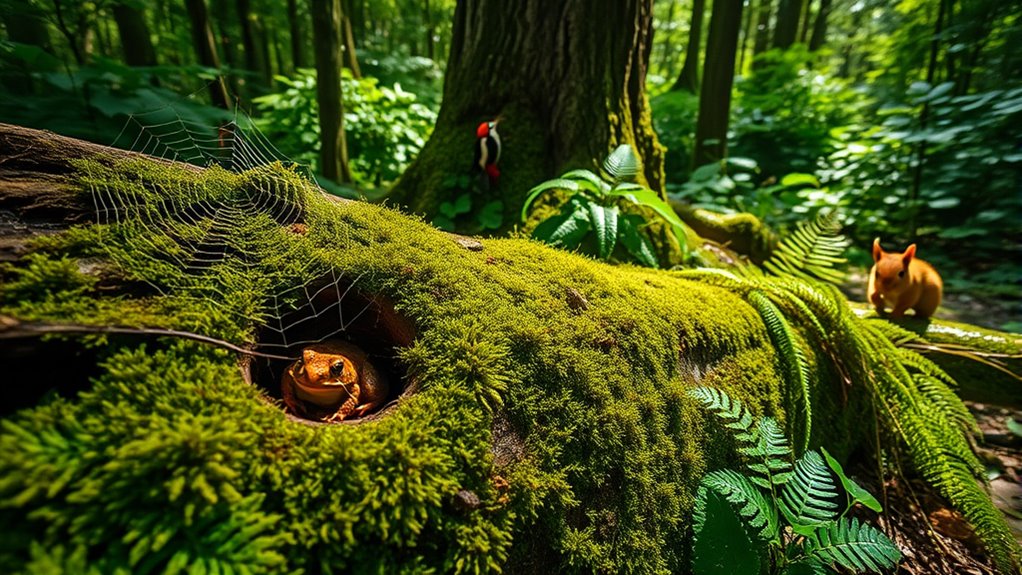
You might notice that species often share habitats by dividing resources or microhabitats to reduce competition. They develop strategies like feeding in different areas or at different times to coexist smoothly. By differentiating their niches, species can thrive side by side without directly competing for the same resources. Additionally, some species participate in internal competition through behaviors like territoriality or seasonal shifts, which further helps them carve out distinct ecological roles. These adaptive strategies enable biodiversity to flourish within shared environments, illustrating how species optimize their ecological specializations to coexist effectively. Furthermore, the presence of diverse geographical features like mesas and buttes influences how species adapt their behaviors and habitat preferences. Moreover, understanding ecological niches can reveal how subtle variations in behavior and habitat preference contribute to the rich diversity observed in nature.
Resource Partitioning Strategies
Resource partitioning strategies enable multiple species to coexist within the same habitat by dividing resources and microhabitats in ways that reduce direct competition. You might observe different bird species feeding at varying heights in a tree or insects foraging at distinct times of the day. Species adapt by specializing in specific food types, such as herbivores focusing on different plants or predators hunting at different depths or times. Morphological differences, like beak shapes or limb structures, help species exploit different resources efficiently. Behavioral adaptations, including territoriality or activity patterns, further minimize overlap. These strategies allow species to optimize their survival while sharing the same environment. By partitioning resources, they avoid conflict and promote biodiversity within ecosystems. Resource partitioning is a crucial concept in understanding how diverse species coexist and maintain ecosystem stability. Additionally, these strategies are often reinforced by Behavioral adaptations, which serve to enhance resource utilization efficiency and reduce interspecific competition. Moreover, habitat specialization enables species to thrive in specific microenvironments, further reducing direct competition and supporting biodiversity. Recognizing the role of niche differentiation helps clarify how species evolve distinct traits to reduce overlap and coexist peacefully.
Microhabitat Differentiation
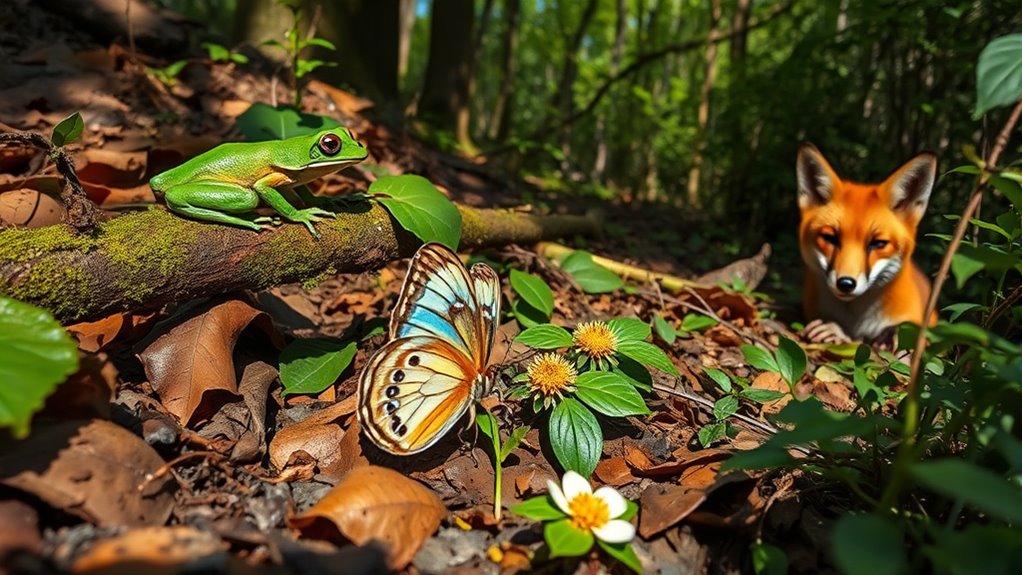
Microhabitat differentiation occurs when species occupy specific, localized areas within a broader habitat to minimize competition and optimize survival. You might find different insect species living under separate layers of leaf litter or multiple bird species nesting in distinct tree branches. By dividing the habitat into microhabitats, each species reduces direct competition for resources like food, shelter, and breeding sites. This spatial partitioning allows species with similar needs to coexist peacefully. For example, in a forest, some amphibians prefer moist, shaded patches, while others thrive in drier areas. Microhabitat differentiation is a key strategy that promotes biodiversity, enabling many species to share the same overall environment without outcompeting each other. It highlights how fine-scale habitat use supports ecosystem stability and can be influenced by environmental factors that shape habitat availability and species-specific preferences. Additionally, habitat partitioning plays a crucial role in maintaining ecological balance by reducing interspecific competition and fostering species coexistence. Recognizing the importance of microhabitat diversity helps us understand how ecosystems sustain such a wide variety of life forms.
The Role of Environmental Factors in Shaping Niches

Environmental variables like temperature, humidity, and soil pH directly influence where a species can survive and thrive. Both abiotic factors, such as climate and water availability, and biotic factors, like competition and predation, shape a species’ niche. Understanding how these environmental influences interact helps explain the diversity and distribution of life across ecosystems. Incorporating mindfulness practices can also enhance our awareness of ecological relationships and the subtle balances within natural habitats.
Environmental Variable Influence
Have you ever wondered how a species finds its place in an ecosystem? Environmental variables shape where and how species survive. Factors like temperature, humidity, pH, and soil nutrients directly influence their behavior, reproduction, and distribution. For example, some plants thrive only within specific soil pH ranges, while certain fish prefer particular temperature zones. These variables define the boundaries of a species’ fundamental niche, limiting or expanding their potential habitat. Here’s a quick overview:
| Environmental Variable | Effect on Niche |
|---|---|
| Temperature | Affects metabolic rates and distribution |
| Humidity | Influences water availability and survival |
| pH | Determines soil or water acidity tolerance |
Abiotic and Biotic Factors
Ever wondered how the combined forces of abiotic and biotic factors shape a species’ ecological niche? You play a vital role in this process. Abiotic factors like temperature, humidity, soil pH, and light set the physical limits within which a species can survive and thrive. These conditions influence where you can live, what resources are available, and how you behave. Meanwhile, biotic factors such as competition, predation, mutualism, and resource availability directly impact your activity, reproduction, and survival strategies. Together, these environmental influences determine your niche—your specific role and position in the ecosystem. Changes in abiotic conditions or shifts in biotic interactions can expand, restrict, or even redefine your niche, shaping how you interact with your environment and other species.
Examples of Niches Across Various Ecosystems
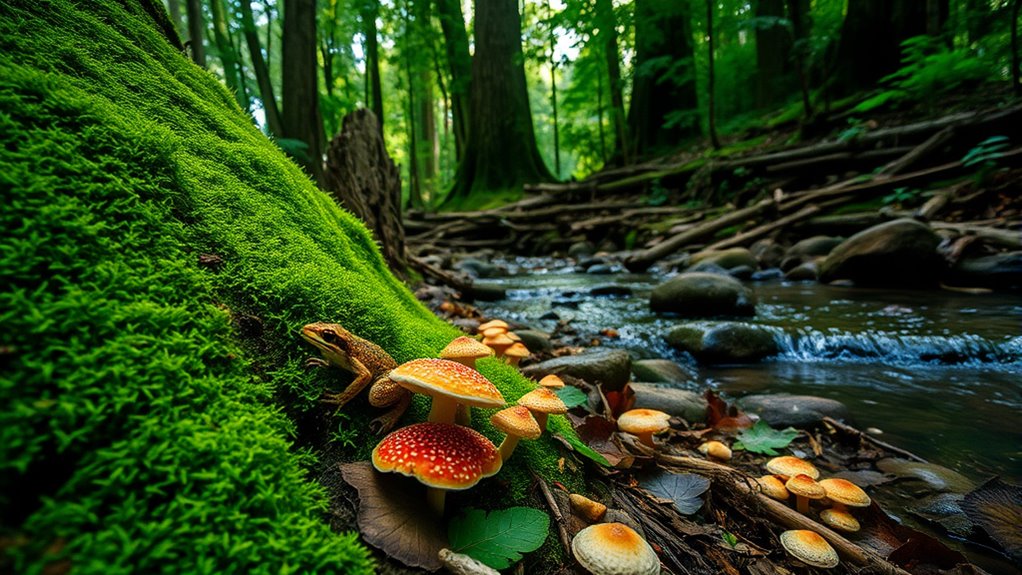
Different ecosystems host a diverse array of species, each occupying unique ecological niches that enable them to survive and contribute to their environment. In grasslands, bison act as herbivores and engineers, shaping plant communities and soil health. Prairie dogs burrow and influence grass distribution while serving as prey for predators. In aquatic environments, trout and salmon occupy specific niches based on water depth, temperature, and diet, such as insects or smaller fish. Forests host oak and maple trees, each adapted to light availability, soil type, and dispersal methods. Deserts feature cacti that conserve water and tortoises that tolerate extreme dryness. Pollinators like bees and butterflies facilitate plant reproduction, while predators like hawks maintain prey populations. These examples highlight how species adapt their roles to thrive within their ecosystems.
The Importance of Niche Differentiation for Coexistence
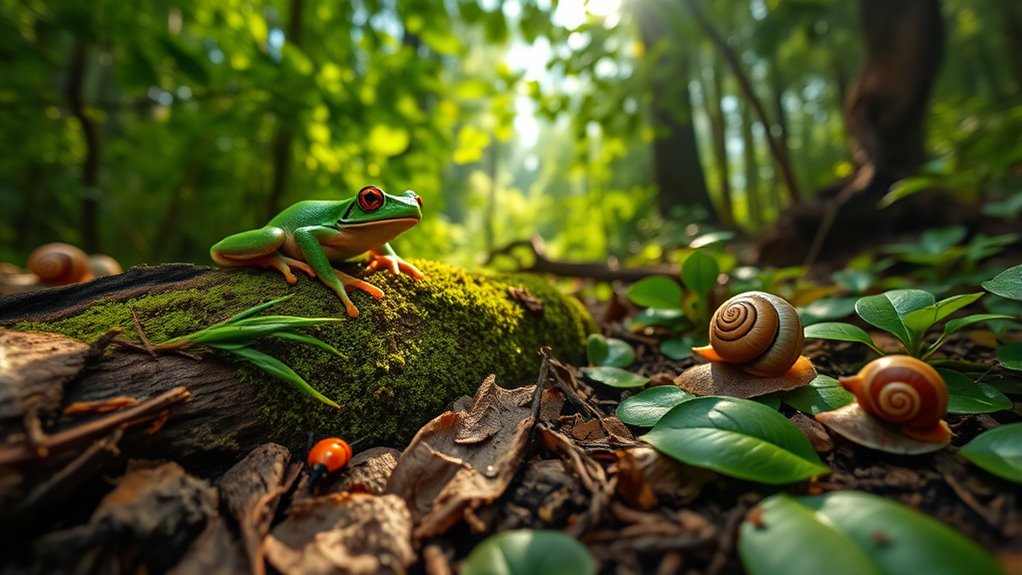
Niche differentiation is essential for species to coexist peacefully within the same ecosystem because it minimizes direct competition for resources. When species specialize in different parts of their environment or utilize distinct resources, they reduce overlap and avoid conflicts. This separation allows multiple species to thrive simultaneously, maintaining biodiversity. By occupying unique niches, species can adapt to specific conditions, optimize resource use, and stabilize ecological communities. The following table highlights key aspects of niche differentiation:
| Aspect | Explanation |
|---|---|
| Resource Partitioning | Different species use different food sources or habitats |
| Temporal Segregation | Active at different times to avoid competition |
| Morphological Differences | Physical traits enable specialization in niches |
| Microhabitat Use | Species prefer distinct microenvironments within habitats |
| Mutualism & Cooperation | Relationships expand niches and promote coexistence |
How Niches Influence Ecosystem Dynamics and Community Structure
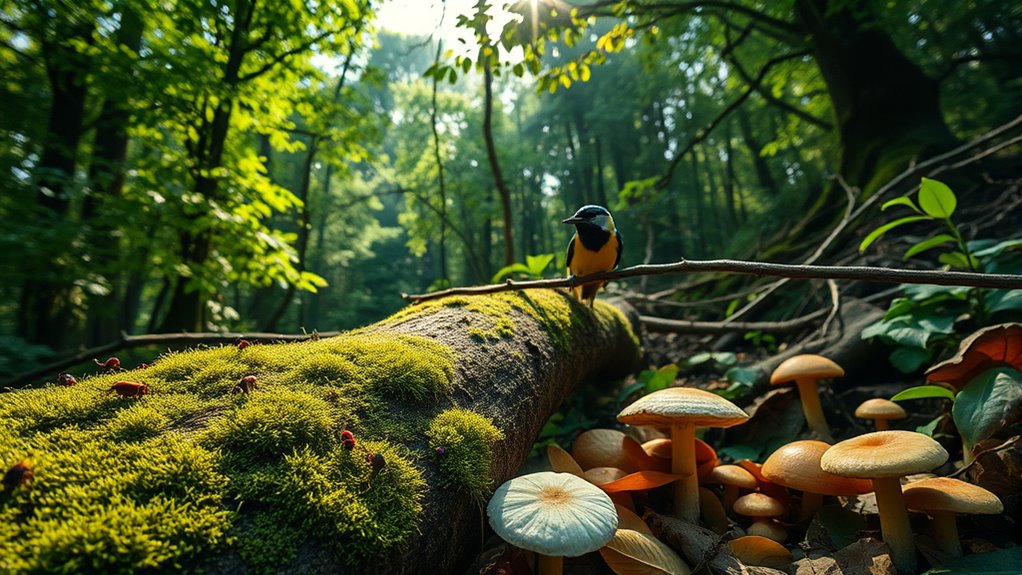
Understanding how species utilize their ecological niches reveals their essential roles in shaping ecosystem dynamics and community structure. Your species’ niche determines how it interacts with resources, competitors, and other organisms, influencing energy flow and nutrient cycling. When species occupy distinct niches, they reduce direct competition, allowing diverse communities to thrive. Niche overlap can lead to competition but also promotes adaptation and resource partitioning, maintaining balance. These interactions regulate population sizes, influence predator-prey relationships, and shape habitat structure. Changes in one species’ niche can ripple through the community, altering species abundance and ecosystem processes. By understanding these relationships, you see how niches drive ecosystem stability, resilience, and biodiversity, highlighting their central role in maintaining the complex web of life within any community.
Using Niche Knowledge to Protect and Preserve Biodiversity

By applying knowledge of how species occupy and interact within their ecological niches, conservation efforts can be more targeted and effective. Understanding niches helps identify critical resources and habitat features essential for species survival. You can prioritize protecting key microhabitats, manage invasive species that displace native ones, and restore ecological processes that maintain niche diversity. Consider these strategies:
- Preserving habitat heterogeneity to support species with different niche requirements
- Facilitating niche differentiation to reduce competition and promote coexistence
- Using niche modeling to predict impacts of environmental change and guide habitat management
Frequently Asked Questions
How Do Invasive Species Alter Existing Ecological Niches?
Invasive species often disrupt existing ecological niches by competing with native species for resources, such as food, space, or mates. They may outcompete or prey on native species, reducing biodiversity and altering community structures. You’ll see invasive species sometimes occupying new niches or expanding their range, which can lead to the loss of specialized roles and the breakdown of ecosystem functions, ultimately destabilizing the balance within the habitat.
Can a Species’ Niche Change Over Its Lifetime?
Yes, your species’ niche can change over its lifetime, like a river shifting course. As you grow, age, or face environmental shifts, your role, resource needs, and interactions adapt. For example, a young predator might focus on hunting small prey, but mature into a top predator or shift to different food sources. These changes reflect flexibility in your ecological role, helping you survive and coexist in a dynamic environment.
What Is the Impact of Climate Change on Species Niches?
Climate change considerably alters species niches by shifting temperature, humidity, and resource availability. You’ll find that some species move to new areas or change their behaviors to survive, while others may face extinction if they can’t adapt quickly enough. These changes can lead to reduced biodiversity, disrupted interactions, and altered ecosystem functions. To cope, species may undergo niche shifts, but not all can keep pace with the rapid environmental transformations.
How Do Mutualistic Relationships Influence Niche Expansion?
Mutualistic relationships expand your species’ realized niche by improving resource access and survival chances. When you engage in mutualism, you benefit from partner interactions that increase food availability, protection, or environmental tolerance. This collaboration allows you to use a broader range of resources and habitats you couldn’t access alone. As a result, your ecological role becomes more flexible, enabling you to thrive in diverse conditions and coexist with other species more effectively.
Are Niche Overlaps Always Detrimental to Species Survival?
Niche overlaps aren’t always detrimental; they can promote coexistence if species specialize in different resources or microhabitats within the shared space. You might see species partitioning resources to reduce direct competition, allowing them to thrive together. Environmental variability, behavioral adaptations, and mutualistic relationships also help species coexist despite overlapping niches. So, overlaps can foster diversity and stability, especially when species adapt strategies to minimize conflict and maximize resource use.
Conclusion
By understanding ecological niches, you hold the key to safeguarding nature’s intricate tapestry. Think of each species as a unique brushstroke, coloring the vast canvas of life. When you appreciate how every niche fits together, you see the forest for the trees—each one essential to the masterpiece. Protecting these roles ensures the harmony of the ecosystem, allowing nature’s symphony to play on, vibrant and resilient, with each species shining like a star in the night sky.