
A food web contains markedly more biodiversity than a food chain. Food webs illustrate complex interactions among multiple species, enhancing resilience and stability in ecosystems. They show how various organisms are interconnected, allowing for alternative food sources and supporting nutrient cycling. This biodiversity is vital, as it helps ecosystems adapt to environmental changes and recover from disturbances more effectively. If you're curious about the broader impact of food webs, there's plenty more to uncover.

Prime made for students and young adults
- Fast, free delivery for dorm and study essentials
- Prime Video and Amazon Music included
- Member-only deals
Key Takeaways
- Food webs exhibit more biodiversity than food chains due to their complex interconnected relationships among multiple species.
- Food chains have fewer species and trophic levels, limiting diversity compared to the intricate structures of food webs.
- The diverse interactions in food webs enhance ecological stability, allowing ecosystems to thrive despite changes.
- Biodiversity in food webs supports various ecological roles, contributing to the overall resilience of ecosystems.
- Ecosystems with food webs recover more quickly from disturbances, highlighting the importance of interconnectedness and species diversity.
Popular right now

Shark AI Ultra Robot Vacuum with Self-Empty Base

KitchenAid Artisan 5-Quart Tilt-Head Stand Mixer, KSM150PS, Almond Cream

KitchenAid Artisan 5-Qt Tilt-Head Stand Mixer, Cardamom
As an affiliate, we earn on qualifying purchases.
What Is a Food Web?
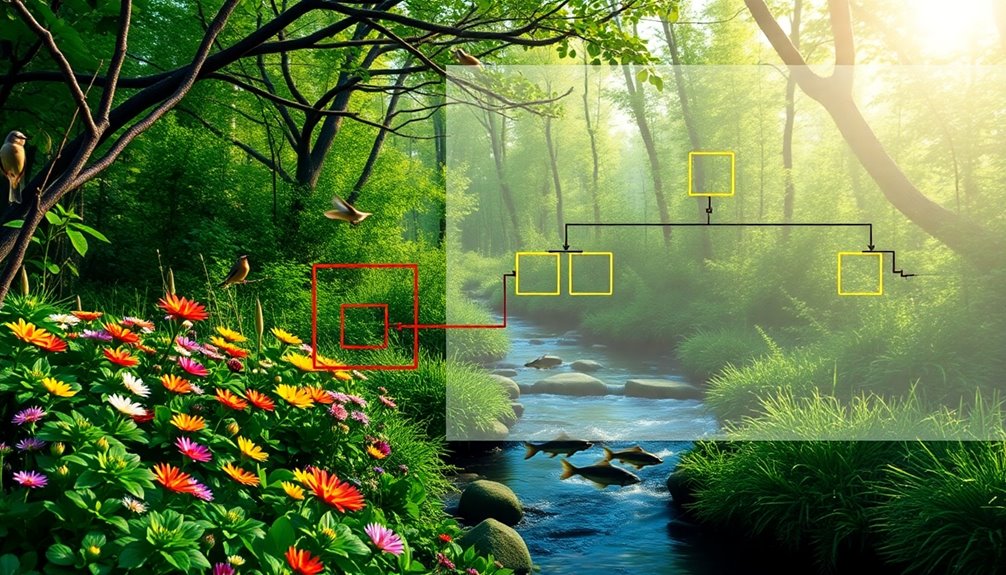
A food web is a complex network that illustrates how various organisms in an ecosystem are interconnected through their feeding relationships.
Unlike a simple food chain, a food web showcases multiple pathways for energy flow among producers, consumers, and decomposers. This complexity allows for greater biodiversity, enabling multiple species to occupy various trophic levels and interact in diverse ways.
If one species is removed, the food web often maintains stability, as other species can fill those ecological roles. These intricate connections provide a more realistic representation of ecosystem interactions and energy transfer, highlighting the importance of each species in maintaining the overall health and balance of the ecosystem.
The Difference Between Food Chains and Food Webs

Understanding how food webs operate sets the stage for recognizing the differences between food chains and food webs. A food chain shows a linear energy flow with fewer species, while a food web illustrates a complex network of interconnected feeding relationships. This complexity enhances biodiversity and ecosystem resilience.
| Feature | Food Chain | Food Web |
|---|---|---|
| Structure | Linear | Complex |
| Species Involvement | Fewer species | Multiple species |
| Trophic Levels | Fewer levels | Various levels |
| Energy Flow | Simplistic | Dynamic and interconnected |
| Ecosystem Impact | Vulnerable to single species loss | More resilient to species loss |
Food webs better represent energy flow and species interdependence, showcasing the intricate balance of ecosystems.
Biodiversity in Food Webs
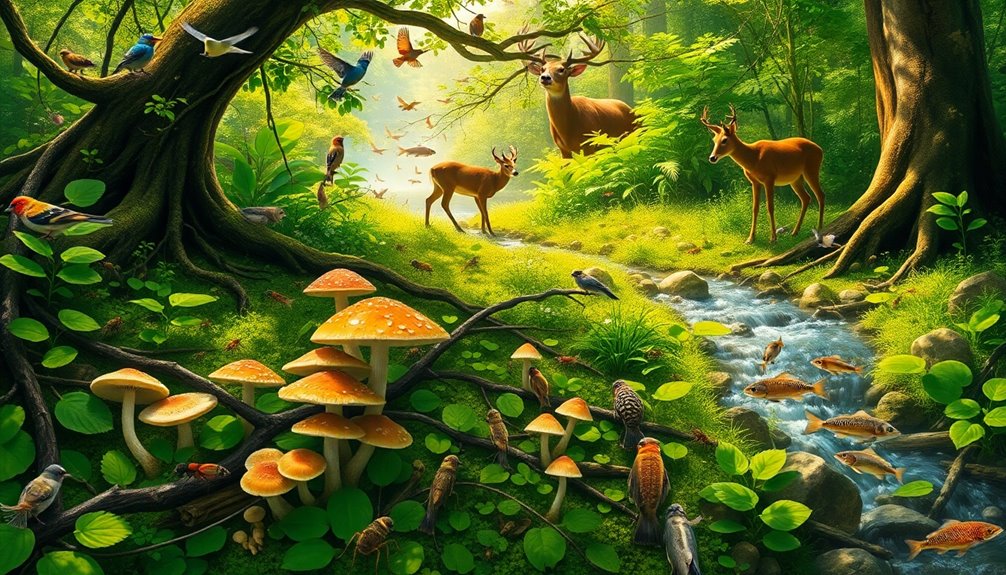
While food chains offer a simplified view of energy transfer, food webs reveal a vibrant tapestry of biodiversity.
In food webs, the interconnected relationships among various species create a rich environment where multiple organisms can thrive. This complexity enhances biodiversity, as ecosystems with diverse producers and consumers support a variety of ecological roles.
When one species declines, the resilience of the entire system often prevents collapse, thanks to these intricate connections. Studies show that ecosystems characterized by food webs adapt better to environmental changes, maintaining their biodiversity.
Importance of Food Webs in Ecosystems
Food webs play an essential role in supporting species diversity within ecosystems.
By connecting various food chains, they enhance resilience and allow ecosystems to adapt to changes more effectively.
You'll see that a complex food web promotes ecological stability, ensuring that the loss of one species doesn't lead to widespread disruption.
Supporting Species Diversity
Ecosystems thrive on the intricate relationships illustrated by food webs, which support a greater diversity of species than simple food chains. The complexity of food webs fosters multiple trophic interactions, enhancing species diversity and ecological balance.
Here's why food webs are crucial for supporting species diversity:
- Resilience: If one species declines, alternative food sources help maintain stability.
- Nutrient Cycling: Diverse interactions improve nutrient cycling, benefiting the entire ecosystem.
- Adaptability: Increased biodiversity allows ecosystems to adapt to environmental changes more effectively.
In essence, food webs create a robust framework that not only sustains biodiversity but also guarantees the resilience of ecosystems, making them more capable of withstanding disturbances. Furthermore, healthy ecosystems provide essential services such as clean air and water purification, which are vital for all living organisms.
Enhancing Ecosystem Resilience
The intricate connections within food webs not only support species diversity but also play a significant role in enhancing ecosystem resilience.
Food webs encompass a complex network of interactions among producers, consumers, and decomposers, fostering higher biodiversity. This complexity allows ecosystems to adapt to environmental changes, as the decline of one species can be compensated by others within the web.
When you observe these interconnections, you'll see that they help maintain ecological balance, ensuring various organisms can thrive despite external pressures.
By promoting a rich tapestry of life, food webs fortify ecosystems against disturbances, making them more resilient.
Fundamentally, the health of ecosystems relies heavily on the dynamic relationships that food webs encapsulate.
Promoting Ecological Stability
While many might think of stability as a straightforward concept, understanding the role of food webs reveals a complex picture of ecological balance.
Food webs promote ecological stability by fostering biodiversity and creating interconnected ecosystems. Here's how:
- Resilience: Diverse species within food webs enhance an ecosystem's ability to recover from environmental changes.
- Trophic Levels: Multiple trophic levels guarantee various ecological roles are filled, making the system more robust.
- Interconnectedness: The decline of one species doesn't spell disaster; instead, other species can take its place, preventing collapse.
Examples of Food Webs and Their Impact

Understanding food webs reveals their significant impact on biodiversity and ecosystem health. Unlike simpler food chains, food webs showcase complex interactions among multiple species.
For instance, in a forest food web, trees nourish herbivores like deer and rabbits, which become prey for carnivores such as foxes and hawks. This intricate network supports a greater number of species, enhancing resilience against environmental changes.
Research shows that marine ecosystems with diverse predator-prey relationships promote species coexistence better than simpler food chains. Additionally, diverse species within food webs improve essential ecosystem functions, like nutrient cycling and pollination, which are critical for maintaining ecological balance.
Ultimately, food webs play an important role in sustaining biodiversity and ecosystem health.
Understanding Ecosystem Resilience Through Food Webs

Understanding how food webs operate can really highlight the interconnected relationships among species.
When you look at the diversity within these webs, you'll see how they provide stability and help ecosystems adapt to changes.
This resilience is essential for maintaining balance, especially in the face of disturbances like climate change.
Interconnected Species Relationships
As ecosystems thrive on complexity, food webs reveal the intricate relationships among species that bolster resilience and adaptability.
These interconnected species relationships contribute to higher biodiversity, making ecosystems more stable.
Here are three key aspects of food webs:
- Trophic Levels: Different species occupy various trophic levels, allowing for diverse food sources and predation opportunities.
- Species Coexistence: Complex food webs enhance the ability of species to coexist, as the loss of one species doesn't collapse the entire system.
- Environmental Adaptation: The interconnected nature of food webs allows ecosystems to adapt to environmental changes, maintaining stability even when certain populations decline.
Stability Through Biodiversity
Biodiversity plays an essential role in stabilizing ecosystems, especially when it comes to food webs. Unlike food chains, food webs showcase complex interconnectedness that enhances stability and resilience.
When diverse species interact across various trophic levels, they create alternative feeding relationships that support ecological balance. If one species declines, others can fill the gap, preventing system collapse.
This interconnectedness allows for effective energy flow, as multiple species contribute to nutrient cycling. Research shows ecosystems with robust food webs recover more quickly from disturbances, highlighting their ability to withstand environmental changes.
Consequently, fostering biodiversity within food webs is vital for maintaining stability and ensuring the resilience of ecosystems against species loss and other challenges.
Adaptation to Environmental Changes
Ecosystems that thrive on the interconnectedness of food webs are better prepared to handle environmental changes. The complexity of these webs allows for diverse species interactions, enhancing resilience.
Here are three key benefits:
- Alternative Food Sources: When one species declines, others can fill the gap, preventing ecosystem collapse.
- Diverse Ecological Roles: Each species plays a crucial role, contributing to overall stability and adaptability.
- High Biodiversity: Greater biodiversity means ecosystems can maintain functionality even under stress.
This intricate web of relationships enables ecosystems to withstand disturbances.
Frequently Asked Questions
What Is More a Food Web or a Food Chain?
When you compare a food web to a food chain, you'll find that a food web is more complex and interconnected. It shows multiple relationships among different species, allowing for greater diversity.
In a food web, if one species declines, others can still survive, boosting ecosystem resilience.
You'll also notice that food webs support a wider variety of organisms, leading to improved ecological functions and a more stable environment overall.
What Is Biodiversity in a Food Web?
Imagine a vibrant tapestry, each thread representing a different species. In a food web, biodiversity thrives through the intricate connections between various organisms.
You'll find multiple producers, consumers, and decomposers interacting, creating a dynamic system. This complexity allows species to adapt and survive environmental changes, as they've various food sources and predators.
Ultimately, the rich relationships within a food web foster resilience, supporting a broader range of life compared to simpler structures.
Is an Ecosystem More Like a Food Chain or a Food Web?
When you think about an ecosystem, it's more like a food web than a food chain.
A food web shows the intricate connections between various species, illustrating how they interact and depend on each other.
You'll notice that these relationships create a more resilient system, allowing some species to thrive even if others decline.
This complexity leads to a richer, more dynamic environment, highlighting the diversity of life within ecosystems.
How Does Having More Biodiversity in a Food Web Make the Food Web and Its Ecosystem More Resilient?
Having more biodiversity in a food web boosts resilience by creating multiple food sources and ecological roles.
When species can adapt to changes, the ecosystem can better withstand disturbances. If one species declines, others can step in, preventing a domino effect that harms the entire system.
This interconnectedness enhances stability and efficiency, allowing for essential services like pollination and nutrient cycling to thrive, ultimately maintaining the health and balance of the ecosystem.
Conclusion
In the grand tapestry of nature, food webs weave together countless species, showcasing a vibrant biodiversity that food chains simply can't match. By understanding the intricate connections within food webs, you grasp how ecosystems thrive and endure. These complex networks not only support a rich variety of life but also guarantee resilience against environmental changes. So, as you explore the natural world, remember that it's the food web that truly sustains the dance of life.