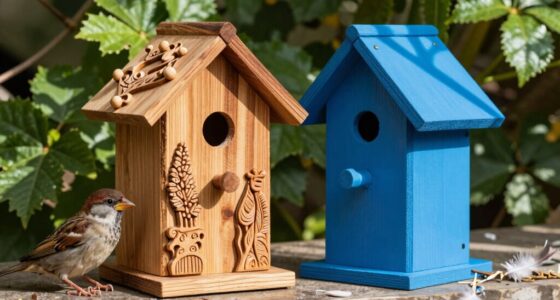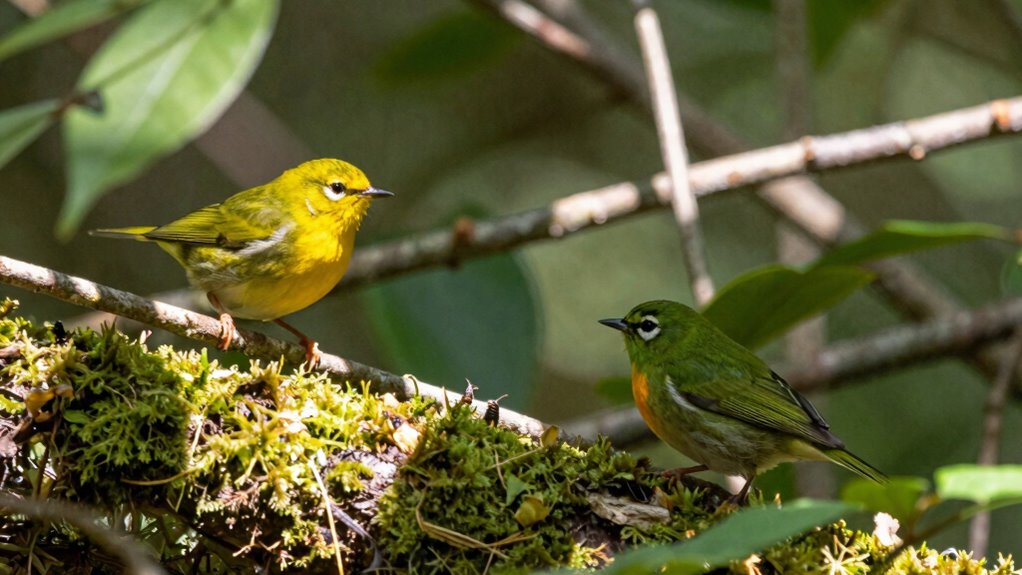

Niche partitioning is when different species share the same space by dividing resources and habitats to avoid direct competition. You’ll see this happen as animals hunt at different times, choose distinct prey, or occupy specific microhabitats. This process helps species coexist peacefully and promotes biodiversity in ecosystems. Over time, these behaviors become more refined, supporting ecosystem stability. Keep exploring to discover how this fascinating strategy shapes the natural world around us.

Prime made for students and young adults
- Fast, free delivery for dorm and study essentials
- Prime Video and Amazon Music included
- Member-only deals
Key Takeaways
- Niche partitioning allows species to coexist by dividing resources and habitats, reducing direct competition.
- It involves species developing specialized traits to exploit specific resources or microhabitats.
- Behavioral differences, such as feeding times or heights, facilitate resource sharing without conflict.
- Niche partitioning is dynamic, evolving as species adapt to environmental changes and competition.
- It promotes biodiversity, ecosystem stability, and efficient resource utilization by preventing competitive exclusion.
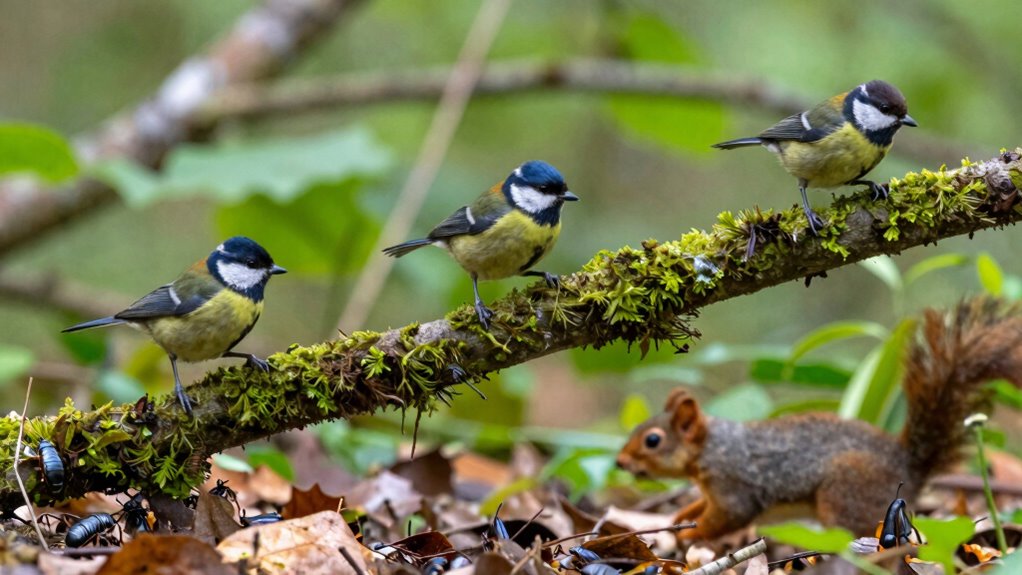
In ecosystems, multiple species often share the same space, but they do so without directly competing for the same resources. This balance is maintained through a process called niche partitioning, which allows different species to coexist by dividing up the environment in ways that minimize overlap. Without this division, competitive exclusion would occur, where one species outcompetes and displaces another, leading to reduced biodiversity. Instead, species adapt through resource specialization, honing in on specific parts of the environment or particular resources that others don’t use as efficiently. For example, two bird species might feed in the same area but at different heights or times of day, reducing direct competition.
Species coexist by dividing resources and habitats, reducing competition and promoting biodiversity through niche partitioning.
Resource specialization is a key factor in how species share space. It involves each species developing unique traits or behaviors that enable them to exploit particular resources more effectively than others. This specialization reduces overlap and diminishes the likelihood of competitive exclusion, where a more dominant species might otherwise eliminate a weaker competitor. Through natural selection, species become finely tuned to their specific niche, whether it’s a particular prey type, a preferred habitat, or a specific time for activity. This specialization allows multiple species to thrive side by side, each occupying a distinct role within the ecosystem.
You might notice this process in action when observing predator and prey dynamics. Predators might hunt at different times or target different prey sizes, while prey species may hide in specific microhabitats to avoid predation. These behaviors exemplify resource partitioning, where each species’ adaptation prevents direct conflict. Over time, these distinctions become more pronounced, reinforcing the separation of niches within the shared environment. Recognizing how species adapt through resource partitioning enhances our understanding of ecosystem resilience and biodiversity. Additionally, niche differentiation can lead to increased overall ecosystem productivity by allowing multiple species to utilize resources more efficiently.
It’s important to realize that niche partitioning isn’t static; it evolves as species adapt to changing conditions and competition levels. If one species begins to dominate a resource, others may shift their behavior or diet to avoid direct confrontation. This dynamic process helps sustain biodiversity and ecosystem stability. It’s also worth noting that the spatial or temporal separation isn’t always obvious; sometimes, species partition resources subtly, like feeding at different depths in a water column or at different times of the day. These subtle adjustments are examples of behavioral adaptations that facilitate coexistence within shared environments.
Ultimately, niche partitioning exemplifies nature’s ingenuity in maintaining coexistence. By specializing and dividing resources, species avoid the pitfalls of competitive exclusion, ensuring a rich tapestry of life in shared environments. This synergy allows ecosystems to flourish, with each species playing a crucial role in the intricate web of life.
As an affiliate, we earn on qualifying purchases.
Frequently Asked Questions
How Does Niche Partitioning Evolve Over Time?
Niche partitioning evolves over time as species adapt through various mechanisms, like changes in diet, activity patterns, or habitat use. You see, these adaptation mechanisms enable species to reduce competition, leading to new evolutionary pathways. Over generations, natural selection favors traits that better fit these adjusted niches, causing niche partitioning to become more specialized. This ongoing process helps species coexist and diversify within shared environments.
Can Niche Partitioning Occur Within the Same Species?
Yes, niche partitioning can occur within the same species. You see, intraspecific competition drives individuals to develop behavioral adaptations that reduce competition for resources. These adaptations might include differences in feeding times, habitats, or breeding sites. By diversifying their behaviors or resource use, members of the same species effectively partition their niche, minimizing direct competition and allowing coexistence within the same environment.
What Are Examples of Niche Partitioning in Urban Environments?
Think of urban green spaces as a bustling city street where different species find their own lanes. You’ll see birds nesting in trees, insects thriving in flowers, and mammals foraging in parks. This is niche partitioning in action, driven by species adaptability. Each species adapts to specific microhabitats, allowing them to coexist without competition. These diverse strategies help wildlife thrive amid urban development, creating a harmonious balance in city ecosystems.
How Does Niche Partitioning Affect Species Conservation?
You should realize that niche partitioning helps conserve species by reducing habitat overlap and minimizing competitive exclusion. When species adapt to different roles within an ecosystem, they coexist more peacefully, preventing one from dominating or displacing others. This balance maintains biodiversity, ensuring that resources are used efficiently and ecosystems stay resilient. Recognizing these dynamics allows conservation efforts to focus on preserving natural niches, supporting healthy, stable populations.
Are There Cases Where Niche Partitioning Leads to Species Extinction?
Yes, niche partitioning can sometimes lead to species extinction, especially when intense interspecies competition causes overlapping niches to become unsustainable. If two species have significant niche overlap, they might compete fiercely for resources, and if one can’t adapt or shift its niche, it risks extinction. In such scenarios, the inability to effectively partition niches or reduce competition can ultimately threaten a species’ survival.
Conclusion
Understanding niche partitioning helps you see how species cleverly share space without competing directly. Did you know that in tropical rainforests, over 300 bird species coexist within just one square kilometer? This incredible diversity showcases how each species finds its unique role, reducing conflict and promoting harmony. By appreciating these natural strategies, you gain a deeper respect for the intricate balance of ecosystems, reminding you of nature’s remarkable ability to adapt and thrive together.
Fall Picks
fall essentials
As an affiliate, we earn on qualifying purchases.