
Phenology is the study of how the timing of natural events in plants and animals affects ecosystems. Your environment depends on these schedules, like flowering, breeding, and migration, which are influenced by climate change. When these events shift, it can cause mismatches in food supplies and disrupt habitats. Small changes in timing can have big impacts on ecological stability. To understand more about how these natural rhythms shape our world, keep exploring these fascinating connections.

Prime made for students and young adults
- Fast, free delivery for dorm and study essentials
- Prime Video and Amazon Music included
- Member-only deals
Key Takeaways
- Phenology studies seasonal biological events and their timing in plants, animals, and ecosystems.
- Timing influences interactions like pollination, migration, and breeding, shaping ecological relationships.
- Climate change disrupts natural schedules, causing mismatches that threaten species survival.
- Small shifts in timing can lead to large ecosystem impacts through cascading effects.
- Monitoring phenology helps predict environmental changes and supports biodiversity conservation.

Have you ever wondered how the timing of natural events influences the environment around you? Phenology, the study of these seasonal biological patterns, reveals how plants, animals, and ecosystems respond to the changing seasons. When the timing of events like flowering, breeding, or migration shifts, it can ripple through the entire environment. Climate change plays a significant role here, altering the usual schedules of nature. Warmer temperatures cause plants to bloom earlier and animals to change their breeding and migration timings. These shifts can disrupt established patterns, making it harder for species to find food, reproduce, or survive in their traditional habitats.
Climate change disrupts natural timing, affecting plant blooms, animal migrations, and ecosystem balance.
Your understanding of migratory patterns is a perfect example of phenology’s importance. Many bird species, for instance, time their migration to coincide with the availability of food sources like insects or flowering plants. When climate change causes these resources to appear earlier or later, migratory birds may arrive too early or too late, leading to mismatches that threaten their survival. This misalignment can reduce breeding success and diminish populations over time. Similarly, insects that emerge based on temperature cues might do so before their food plants are ready, affecting everything up the food chain.
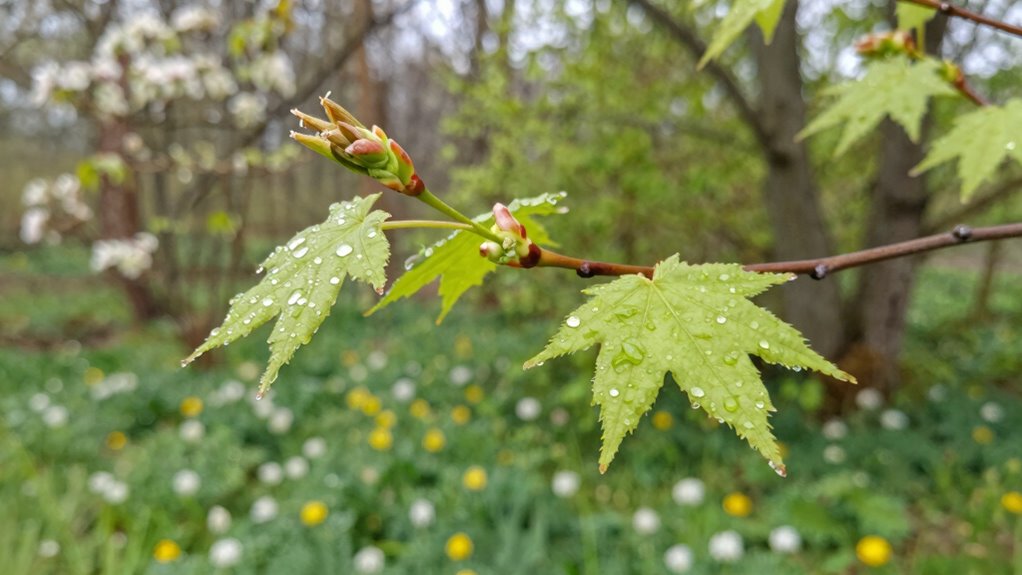
Phenology isn’t just about individual species—it’s about the delicate balance of entire ecosystems. When timing shifts, it can cause cascading effects. For example, if trees flower earlier, pollinators that depend on those flowers may not be active yet, resulting in decreased pollination and fruit production. This impacts not only plants but also the animals that rely on those plants for food. The interconnectedness of these events means that even small changes in timing can have big consequences.
Understanding phenology helps us grasp how climate change influences natural rhythms. It emphasizes that timing isn’t just a matter of convenience; it’s vital for ecological stability. By studying these patterns, scientists can predict how ecosystems might respond to ongoing environmental changes. Your awareness of phenology highlights the importance of monitoring these natural cues, as they serve as early indicators of broader environmental shifts. Recognizing the significance of timing can motivate efforts to mitigate climate change’s impacts, helping preserve the natural synchronicity that sustains life on Earth.
In essence, phenology shows that timing is everything. Whether it’s the blooming of a flower, the migration of a bird, or the spawning of fish, these events are finely tuned to their environment. When climate change disrupts this harmony, it reminds you how interconnected all living things are. Maintaining this natural timing isn’t just about understanding nature—it’s about protecting the future of life on our planet.
As an affiliate, we earn on qualifying purchases.
Frequently Asked Questions
How Is Phenology Different From General Seasonal Changes?
Phenology differs from general seasonal changes because it focuses on biological timing, like when plants flower or animals breed, rather than just the weather or temperature shifts. You notice phenology through specific life events that happen in sync with seasonal cycles. While seasonal changes affect everything broadly, phenology tracks the precise timing of these biological events, helping you understand how plants and animals adapt to environmental cues and seasonal rhythms.
Can Phenology Data Predict Future Climate Impacts?
Yes, phenology data can help predict future climate impacts through ecological forecasting. By analyzing shifts in plant and animal life cycle events, you can identify patterns linked to climate change. This information allows you to anticipate how ecosystems might respond as temperatures rise or seasons shift. Using phenology as a tool, you can better understand and prepare for the ecological consequences of ongoing climate change.
How Do Scientists Track Phenological Events Accurately?
Scientists track phenological events accurately by combining remote sensing technology and citizen science efforts. Remote sensing uses satellites and drones to monitor plant and animal activities from afar, providing consistent, large-scale data. Meanwhile, citizen science involves volunteers recording local phenological changes, enriching datasets with real-time observations. Together, these methods help scientists capture precise timing of events like flowering or migration, ensuring a thorough understanding of phenology across different regions.
Are There Regional Differences in Phenological Timing?
Yes, there are regional differences in phenological timing due to regional variability and climate influence. You’ll notice that in different areas, plants and animals respond uniquely to local climate conditions, leading to variations in flowering, migration, and breeding times. These differences happen because regional climate factors like temperature, rainfall, and seasonal patterns directly affect when species initiate their life cycle events, making phenology a highly localized phenomenon.
How Does Phenology Affect Agricultural Practices?
You might be surprised that 70% of global crop yields depend on phenological timing. Phenology directly influences your agricultural practices by dictating crop cycles, ensuring planting and harvesting align with *best* conditions. It also helps manage pests more effectively, as understanding plant development stages allows you to implement targeted pest management strategies. By tracking phenological events, you can boost productivity and reduce losses, making your farming more efficient and sustainable.
Conclusion
Understanding phenology shows you how timing is everything in nature’s grand dance. When you pay attention to these seasonal cues, you realize that nature’s clock is finely tuned, and missing a beat can throw the whole rhythm off. By recognizing these patterns, you can better appreciate the delicate balance that keeps ecosystems thriving. So, keep your eyes open—nature’s timing is like a well-rehearsed play, and you’re part of the audience watching it unfold in real time.
Columbus Day / Indigenous Peoples' Day Picks
long weekend sales
As an affiliate, we earn on qualifying purchases.