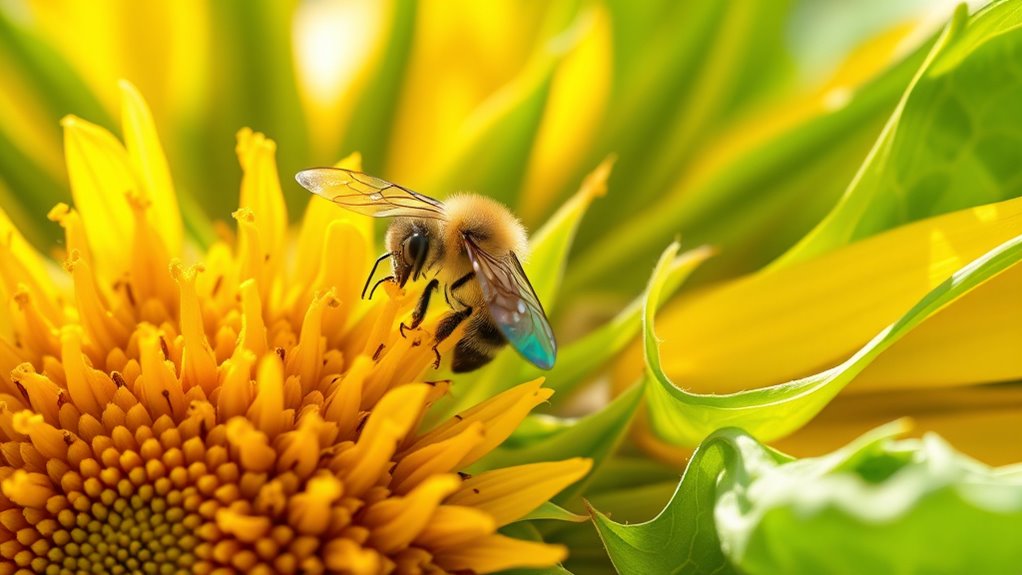

Did you know that about one-third of the food you eat depends on pollinators like bees? These essential insects support the growth of many fruits, nuts, and vegetables by aiding in their reproduction. Without healthy pollinator populations, crop yields and quality decline, prices rise, and food variety decreases. Threats like pesticides and habitat loss put this cycle at risk. Keep exploring to learn how protecting pollinators benefits your food and future.
Key Takeaways
- About 75% of food crops rely on pollinators like bees for reproduction and optimal yields.
- Bee-pollinated crops account for roughly one-third of our diet, including fruits, nuts, and vegetables.
- Pollinators improve crop size, flavor, nutritional value, and market appeal, enhancing food quality.
- Declines in bee populations due to habitat loss and pesticides threaten global food supply and food security.
- Protecting bees supports sustainable agriculture, ensuring diverse and nutritious food for future generations.
Top picks for "pollinator food depend"
Open Amazon search results for this keyword.
As an affiliate, we earn on qualifying purchases.
The Critical Role of Pollinators in Food Production
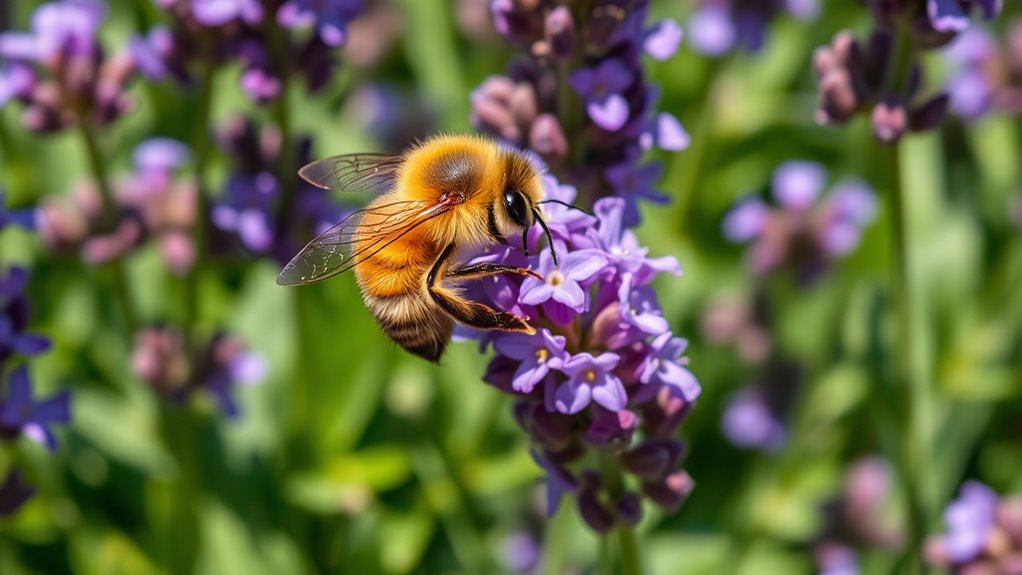
Have you ever wondered how much of the food on your plate depends on pollinators? They support the reproduction of about 88% of the world’s flowering plants, including many crops we rely on daily. Around 75% of the crops grown for food need pollinators to some extent, making them essential for food production. Animal pollination alone contributes to 30% of global food supply, including fruits, vegetables, nuts, and oils. Bee-pollinated crops account for roughly one-third of our diet, highlighting their importance. Without pollinators, many foods would become scarcer and less nutritious. Their role is fundamental not just for crop yields but also for maintaining the diversity and resilience of ecosystems that support agriculture worldwide.
How Pollination Boosts Crop Yields and Quality
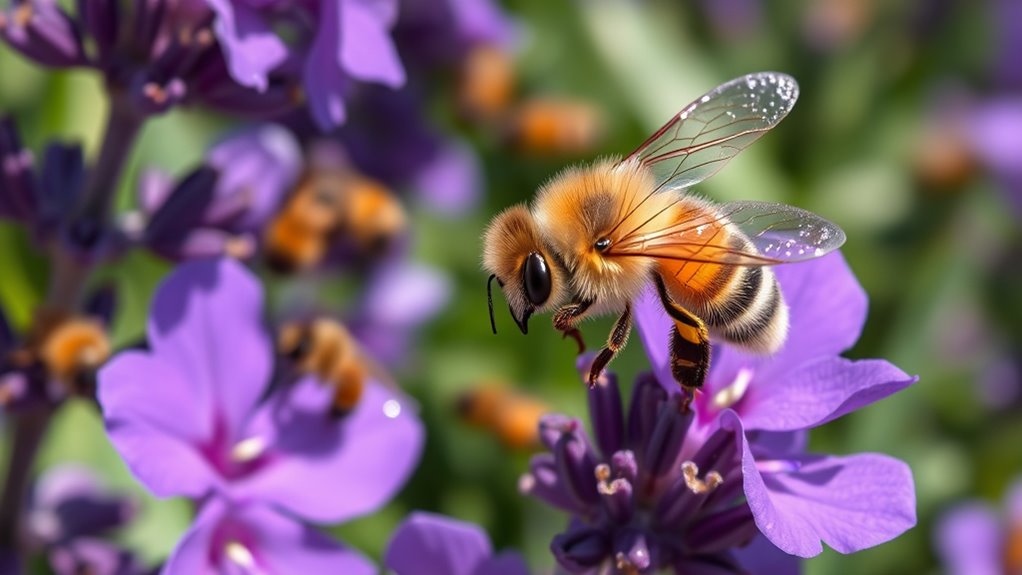
Pollination directly increases both the quantity and quality of many crops you rely on, like fruits, nuts, and vegetables. When pollinators visit, they help produce larger, more uniform, and better-nourished harvests. Without them, yields drop, and the nutritional value of your food can suffer.
Enhancing Fruit and Nut Quality
Pollination plays a crucial role in enhancing both the quantity and quality of fruits and nuts, directly influencing their size, shape, flavor, and nutritional value. When pollinators like bees visit flowers, they facilitate better fertilization, leading to fuller, more uniform fruits and nuts. This process improves fruit coloration, texture, and taste, making them more appealing and flavorful. Additionally, effective pollination guarantees higher nutrient content, such as vitamins and antioxidants, in the final produce. Proper pollination also relies on the health of pollinator populations and their ability to perform efficient pollination, which is essential for optimal crop development. Without adequate pollination, fruits and nuts may be smaller, misshapen, or less flavorful, diminishing their market value and nutritional benefits. Supporting diverse and healthy pollinator populations is vital for maintaining high crop yields and quality. A healthy ecosystem that sustains pollinators also contributes to biodiversity, which in turn supports resilient agricultural systems. Ensuring the availability of diverse floral resources can enhance pollinator health, leading to improved pollination success. Promoting habitat diversity and providing food sources for pollinators can significantly impact their population health and activity levels. By supporting healthy pollinator populations, you help ensure that crops develop ideal quality, resulting in more nutritious, delicious, and commercially valuable foods.
Increasing Crop Productivity
Did you know that healthy pollinator populations directly increase the quantity and quality of your crops? When pollinators thrive, your harvests become more abundant and nutritious. Here’s how they boost crop productivity:
- They improve fruit set, leading to larger and more uniform crops.
- They enhance seed development, increasing yields of nuts, legumes, and grains.
- They elevate crop quality, resulting in better flavor, texture, and nutritional content.
- Tuning Hyundai Vehicles techniques can be used to optimize equipment used in modern agriculture, improving efficiency and productivity.
Without pollinators, many crops would produce fewer and lower-quality yields, impacting your food options and farm profitability. Investing in pollinator health isn’t just good for biodiversity; it’s crucial for maximizing food production. Protecting these essential creatures helps ensure you get the most from your land, supporting both your needs and global food security.
The Global Economic Impact of Pollinator Services
Pollinators provide an essential ecological service worth about $200 billion annually worldwide, supporting the production of many cash crops like coffee, cocoa, and almonds. Their contributions boost both the quantity and quality of food, making agriculture more profitable. Understanding this economic value highlights how crucial pollinator health is for global food security and farm livelihoods. Protecting pollinator populations is vital to maintaining these benefits and ensuring sustainable food systems for the future. Additionally, pesticide use can significantly harm pollinator species, threatening these valuable services. Recognizing the importance of technological advancements can help develop sustainable farming practices that protect these vital creatures and promote beekeeping practices that support pollinator health. Supporting conservation efforts is also essential for maintaining biodiversity and ecosystem resilience, which underpin pollination services.
Economic Valuation of Pollination
The global economic value of pollination services is staggering, amounting to an estimated $200 billion annually. You might not realize it, but pollinators directly boost food production and farm profitability. Consider these key points:
- Pollination enhances both the quantity and quality of crops like fruits, nuts, and oils.
- Cash crops such as coffee, cocoa, almonds, and soybeans rely heavily on pollinators for _ideal_ yields.
- The economic benefits extend beyond agriculture, supporting local economies and food markets worldwide. Vibrational energy
- Protecting pollinators also supports biodiversity, which is essential for resilient ecosystems and sustainable agriculture.
Without pollinators, many crops would produce less or even fail, leading to reduced income and food insecurity. Protecting pollinators isn’t just ecological; it’s an economic necessity that sustains global food systems.
Crop Production Enhancement
Pollinator services markedly boost crop production worldwide, impacting both the volume and quality of yields. When pollinators visit your crops, they facilitate the transfer of pollen, leading to higher fruit set, better size, and improved nutritional content. This enhancement guarantees that farms produce more profitable and nutritious crops, from fruits and vegetables to nuts and oils. Without pollinators, yields of many essential crops would decline considerably, risking food shortages and economic losses. Investing in pollinator management—like habitat preservation and sustainable practices—can directly increase farm productivity. This not only benefits individual farmers but also strengthens global food security. In essence, healthy pollinator populations are crucial for maximizing crop yields and maintaining a resilient food supply chain around the world. Additionally, supporting pollinator health through sustainable practices can ensure the longevity of these vital services for future food production, especially as habitat preservation remains a key factor in maintaining pollinator populations. Recognizing the importance of ecological balance can further enhance efforts to protect these essential species and their pollination services. Promoting financial management strategies within agricultural practices can help farmers allocate resources efficiently toward pollinator conservation. Understanding plant health and plant parts used in herbalism can also contribute to ecological balance and support pollinator-friendly environments.
Crops That Rely Heavily on Bees and Other Pollinators
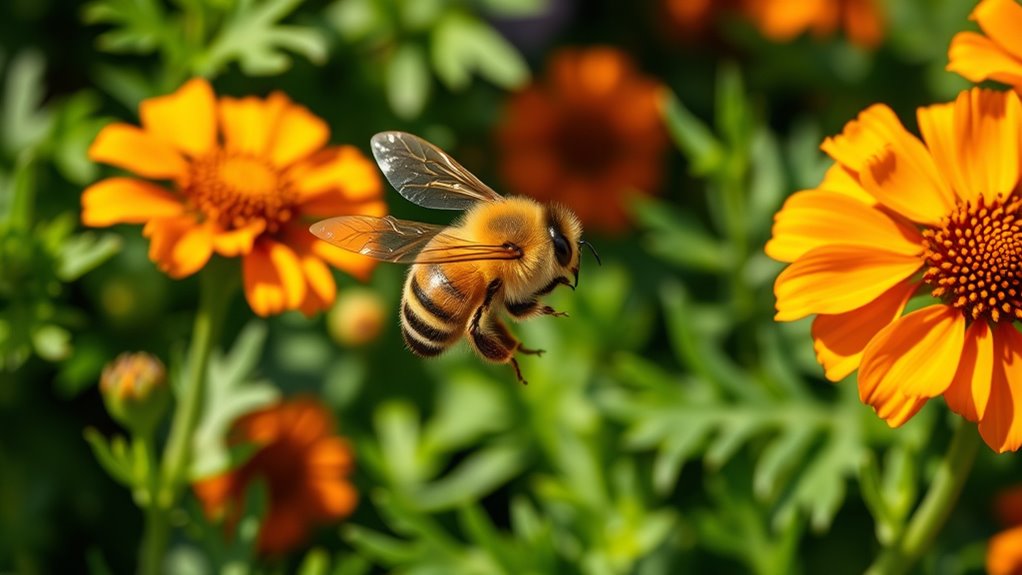
Many crops essential to your diet depend heavily on bees and other pollinators for successful production. Without them, these foods would struggle to grow, affecting your meals and nutrition. Here are three key crops that rely on pollinators:
Many vital foods depend on bees and pollinators for healthy growth and harvest.
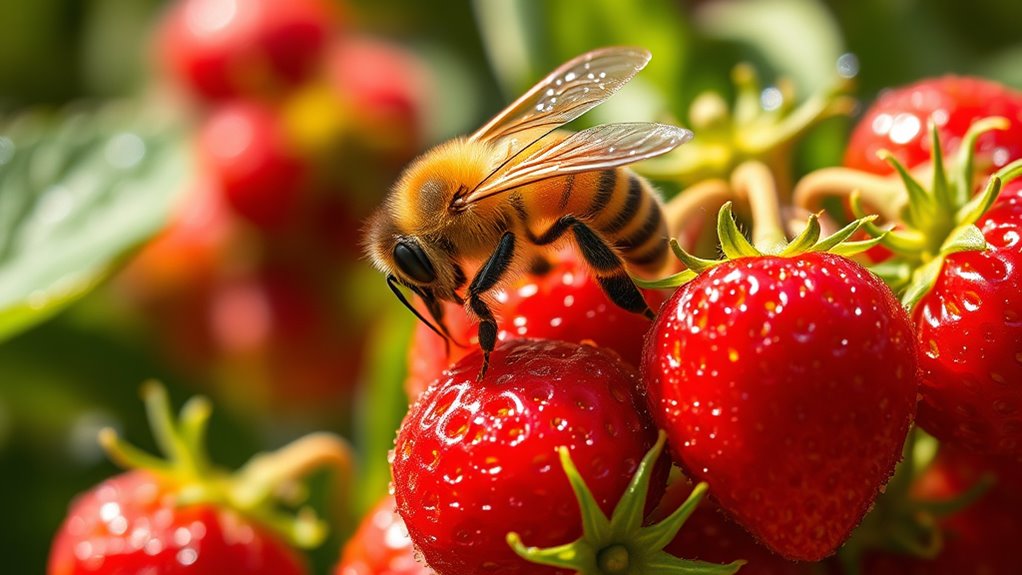
- Fruits like apples, cherries, and strawberries need bees to transfer pollen, ensuring good fruit set. Pollination services are vital for maximizing fruit yields and quality.
- Nuts such as almonds and cashews depend on pollinators for high yields and quality.
- Vegetables like tomatoes, cucumbers, and zucchinis rely on pollination for proper fruit development. pollination methods involve traditional crossbreeding techniques to develop new crop varieties, enhancing yields and resilience.
While some crops can produce without pollinators, their yields often decline markedly. Your favorite foods—whether sweet, crunchy, or fresh—are often made possible by the work of bees and other pollinators.
The Growing Dependence on Pollinators Over Time
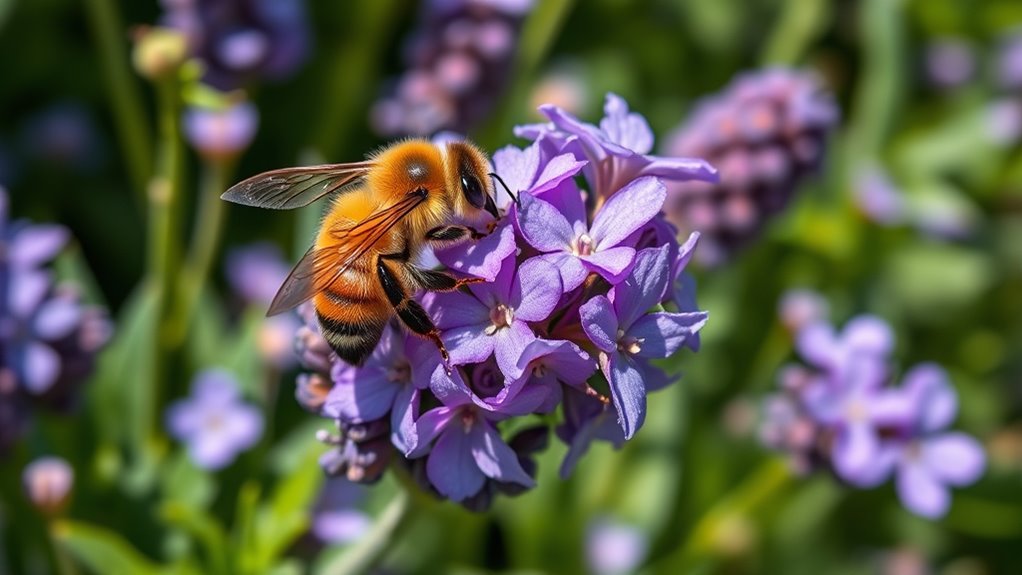
Over time, agriculture has become increasingly reliant on pollinators to meet rising food demands. As global populations grow, so does the need for nutritious crops. This dependence has gradually expanded, especially for fruits, nuts, and vegetables. In fact, the percentage of crops needing pollinators has risen, making pollination more critical. The table below shows how reliance has increased:
| Year | Pollinator-Dependent Crops | Dependence Percentage |
|---|---|---|
| 2000 | 65% | Moderate |
| 2010 | 75% | High |
| 2020 | 80% | Very high |
This trend highlights how our food system is becoming more intertwined with pollinator health, emphasizing the importance of protecting these essential creatures for future food security. Supporting pollinator habitats can also play a role in promoting sustainable practices that support pollinator ecosystems. Additionally, implementing the Law of Attraction principles can help raise awareness and motivate collective efforts to preserve pollinator populations. Recognizing the importance of honeybees and native pollinators is crucial for understanding the full scope of pollination’s role in agriculture.
Threats Facing Pollinator Populations Worldwide
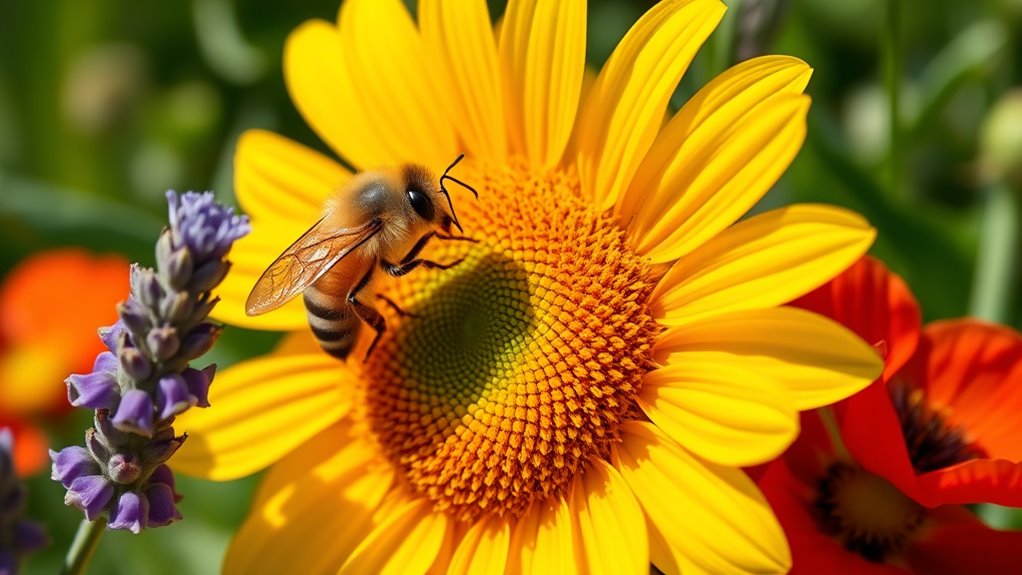
Worldwide, pollinator populations face numerous threats that endanger their survival and, consequently, global food security. These threats are complex and widespread, impacting pollinator health directly and indirectly. You should be aware that:
- Climate change alters habitats and flowering cycles, disrupting pollinator activity.
- Pesticides, especially neonicotinoids, poison bees and other insects, reducing their numbers.
- Land use changes, such as urbanization and intensive agriculture, destroy natural habitats and foraging grounds.
These factors, alone or combined, weaken pollinator populations and threaten their ability to support crops. Without immediate action, these declines could accelerate, jeopardizing the essential pollination services that sustain agriculture and biodiversity worldwide.
Consequences of Pollinator Decline on Food Security

As pollinator populations decline, the stability of global food security faces serious threats. You’ll see fewer yields from crops that depend on pollinators, especially fruits, nuts, and vegetables. This reduction means less variety and nutrition on your plate and higher prices for food. Without enough pollinators, farmers struggle to produce the same amount of food, increasing the risk of shortages. Low-income countries, already vulnerable, could experience even greater food insecurity. Additionally, the decline weakens the resilience of food systems, making them more susceptible to pests, diseases, and climate impacts. This domino effect jeopardizes not just individual crops but entire agricultural communities and economies. Ultimately, pollinator loss threatens your access to diverse, nutritious, and affordable food, undermining global efforts to end hunger.
Ecological Benefits of Healthy Pollinator Communities
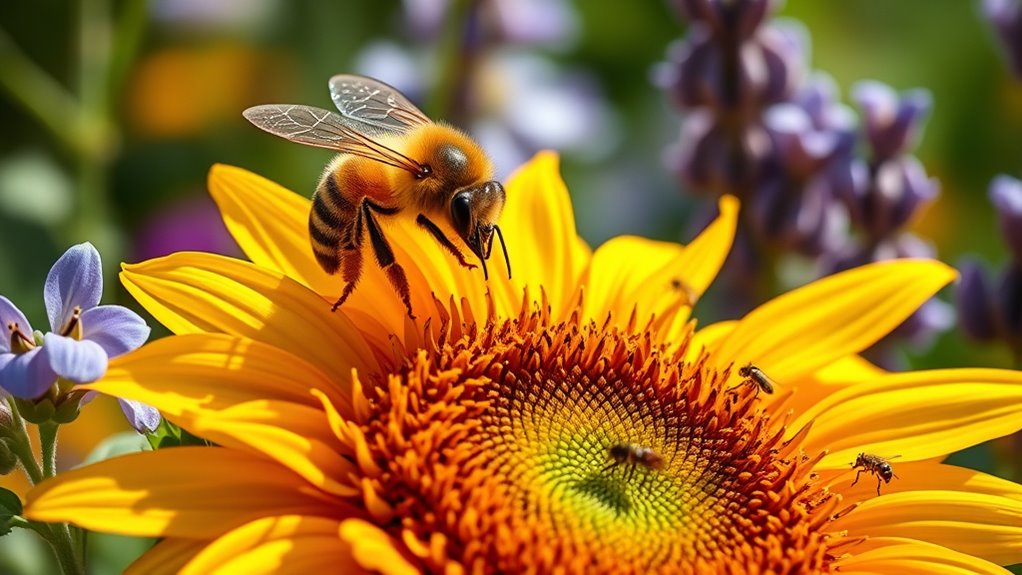
Healthy pollinator communities do more than just support crop production; they are essential for maintaining the overall health and stability of ecosystems. When pollinators thrive, they promote:
- Biodiversity: They help plants reproduce, supporting diverse habitats that sustain birds, reptiles, amphibians, and mammals.
- Soil and Water Quality: Pollinated plants contribute organic matter and help filter water, maintaining clean soils and water sources.
- Resilience: Healthy pollinator populations enable ecosystems to recover from disturbances, such as droughts or storms, by fostering robust plant growth.
These benefits create interconnected systems that sustain life beyond agriculture. Protecting and supporting pollinators ensures that ecosystems remain balanced, resilient, and capable of providing crucial services that benefit all living beings.
Strategies to Protect and Promote Pollinator Health

Protecting and promoting pollinator health requires targeted strategies that address the main threats they face. You can help by planting native flowering plants that provide food and habitat, especially during off-peak seasons. Reducing pesticide use, particularly neonicotinoids, minimizes harm to bees and other pollinators. Supporting organic farming practices promotes healthier environments. Creating wildflower corridors and preserving natural habitats increase safe foraging spaces. Educating others about the importance of pollinators encourages community action. Be mindful of land management practices, avoiding habitat destruction and monocultures that limit food diversity. Supporting policies that regulate pesticide application and protect natural areas is also vital. Together, these actions can bolster pollinator populations, ensuring they thrive and continue supporting the global food supply.
Frequently Asked Questions
How Do Pollinators Affect the Nutritional Quality of Foods?
Pollinators substantially boost the nutritional quality of foods by increasing the amount and diversity of fruits, nuts, and vegetables you eat. When pollinators like bees visit flowers, they help plants produce more nutrient-dense crops with higher vitamin, mineral, and antioxidant levels. Without pollinators, these foods would be less abundant and less nutritious, reducing your access to essential nutrients and impacting your overall diet and health.
What Specific Practices Can Farmers Adopt to Support Pollinator Health?
You can support pollinator health by creating habitats with native plants, reducing pesticide use, and providing nesting sites. Incorporate flowering cover crops and leave field margins undisturbed to attract bees and butterflies. Implement integrated pest management to minimize chemical impact. By making these changes, you not only protect pollinators but also boost crop yields and quality, ensuring a sustainable food supply for everyone.
Are There Alternative Methods to Pollination for Crop Production?
Yes, there are alternative methods to pollination. You can use mechanical pollination, which involves manually transferring pollen to plants, mimicking natural processes. Another option is deploying pollination drones or robots that can efficiently pollinate crops in areas with declining insect populations. Additionally, you can cultivate crops that are self-pollinating or capable of wind pollination, reducing reliance on animal pollinators and ensuring stable yields.
How Do Urban Environments Influence Pollinator Populations?
Urban environments gently shape pollinator populations by offering both challenges and opportunities. You might notice fewer natural habitats, which can limit foraging and nesting sites, but cities also create microhabitats like gardens and green roofs that attract bees and butterflies. By planting native flowering plants and reducing pesticide use, you can help support healthy pollinator communities amid urban settings, ensuring they continue their essential role in our ecosystems.
What Role Do Native Pollinators Play Compared to Managed Bee Colonies?
You should know that native pollinators play a crucial role alongside managed bee colonies. They often adapt better to local conditions, pollinate a wider variety of plants, and support biodiversity. Managed colonies, like honeybees, are indispensable for large-scale agriculture, but native pollinators contribute to ecosystem health and resilience. Protecting both ensures sustainable crop yields, enhances biodiversity, and maintains the natural balance necessary for robust food production.
Conclusion
Think of pollinators as the unseen architects of your food, building a vibrant garden of nourishment. Without them, the delicate web of our food system starts to unravel, threatening your plate and the planet. Protecting these tiny heroes is like tending a precious garden—each effort helps guarantee your future meals flourish. So, take action now, because the health of pollinators directly shapes the flavor and abundance of every bite you enjoy.