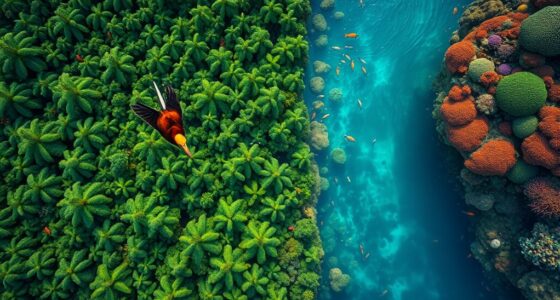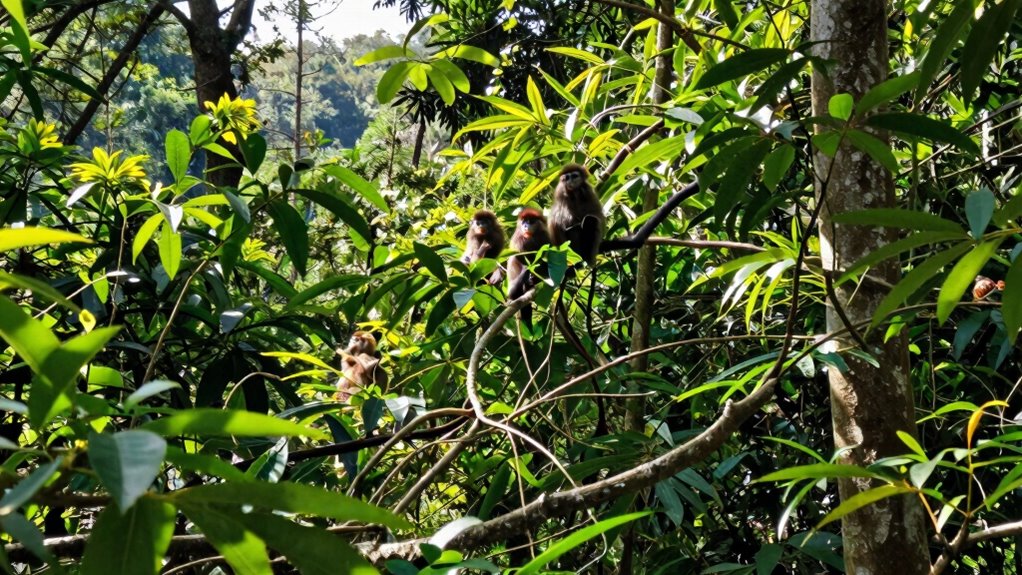

In conservation biology, your focus on population size matters because larger populations maintain greater genetic diversity, which is essential for adapting to environmental changes. Small populations are more at risk of inbreeding, genetic drift, and losing critical traits, making them vulnerable to extinction. Creating corridors and protecting habitats can help sustain these numbers. If you want to understand how maintaining healthy population sizes supports species survival, there’s more to discover.

Prime made for students and young adults
- Fast, free delivery for dorm and study essentials
- Prime Video and Amazon Music included
- Member-only deals
Key Takeaways
- Larger populations maintain greater genetic diversity, enhancing adaptability to environmental changes.
- Small populations face higher risks of genetic drift and inbreeding depression, reducing survival chances.
- Habitat fragmentation isolates populations, decreasing gene flow and increasing extinction risk.
- Maintaining sufficient population sizes preserves genetic variation essential for long-term species resilience.
- Connecting habitats through corridors supports gene flow and helps prevent population declines below critical thresholds.

Have you ever wondered why some species bounce back while others vanish? The answer often hinges on their population size and the genetic health of those populations. When populations are large enough, they tend to have greater genetic diversity, which is essential for adapting to changing environments and resisting diseases. Conversely, small populations are more vulnerable to genetic bottlenecks, where limited genetic variation reduces their ability to cope with new challenges. This makes them more susceptible to extinction.
Habitat fragmentation plays a significant role here. As natural habitats break into smaller, isolated patches, populations become divided and shrink in size. Fragmentation not only reduces the overall number of individuals but also isolates groups from each other. This isolation hampers gene flow, meaning less exchange of genetic material between populations. Over time, this lack of diversity can lead to inbreeding depression, where the accumulation of harmful genetic traits diminishes individuals’ fitness. As a result, small, fragmented populations struggle to recover from disturbances and are at higher risk of extinction.
Habitat fragmentation isolates populations, reducing gene flow and increasing extinction risk through inbreeding depression.
Maintaining a healthy population size is fundamental because it supports genetic diversity. Larger populations are more likely to retain a wide variety of genes, which increases their resilience against environmental changes and diseases. When genetic diversity is high, there’s a better chance that some individuals will possess traits suited to survive new threats, enabling the population to adapt and persist. On the other hand, when populations dwindle below a certain threshold, Genetic drift can cause random loss of genetic traits, further weakening their survival prospects. Genetic drift is a crucial factor in small populations that can accelerate their decline, highlighting the importance of maintaining sufficient population sizes. Additionally, understanding the effects of population bottlenecks helps conservationists identify populations at risk of losing vital genetic variation.
Conservation efforts often focus on increasing population size and reducing habitat fragmentation. Strategies like creating wildlife corridors help reconnect isolated populations, facilitating gene flow and boosting genetic diversity. Protecting large, contiguous habitats ensures populations remain robust enough to withstand environmental pressures. It’s also essential to prevent populations from shrinking to critically low levels, as recovery becomes nearly impossible once genetic diversity is lost. Additionally, monitoring population sizes using modern technology helps conservationists make informed decisions and implement effective strategies. Recognizing the significance of population viability is vital for designing successful conservation plans.
Ultimately, understanding the importance of population size in conservation biology helps you recognize why safeguarding large, connected populations is indispensable. It’s not just about numbers; it’s about preserving the genetic fabric that allows species to adapt, survive, and thrive. When you support habitat preservation and connectivity, you play a direct role in helping species maintain the genetic diversity necessary for their long-term survival, preventing extinction and ensuring biodiversity persists for future generations.
As an affiliate, we earn on qualifying purchases.
Frequently Asked Questions
How Does Gene Flow Influence Small Population Survival?
Gene flow helps small populations survive by introducing new genetic material, reducing the effects of genetic drift and preventing harmful inbreeding. When gene flow occurs, it can counteract the negative impacts of population bottlenecks, which sharply reduce genetic diversity. By maintaining or increasing genetic variation through gene flow, you’re giving these populations a better chance to adapt to environmental changes and avoid extinction.
What Role Do Keystone Species Play in Small Populations?
You should recognize that keystone species are essential in small populations because they help maintain ecosystem stability amid challenges like habitat fragmentation. Their presence reduces the risk of negative effects from genetic drift, which can diminish genetic diversity. By supporting key ecological functions, keystone species help small populations survive and adapt, ultimately promoting resilience and preventing further decline in compromised habitats.
How Do Human Activities Impact Population Sizes Globally?
Human activities, like urban expansion and pollution impact, notably influence global population sizes. Urban growth often leads to habitat destruction, forcing species into smaller, fragmented populations. Pollution affects their health and reproductive success, causing declines. These impacts reduce biodiversity and threaten species survival. By understanding how our actions shrink populations, you can support conservation efforts that promote habitat preservation and pollution reduction, helping protect vulnerable species worldwide.
Can Small Populations Recover Without Intervention?
A small population is like a fragile flame; it can flicker out without help. Without intervention, recovery is unlikely because limited genetic diversity hampers adaptability, and reproductive success declines. Your efforts can act as the wind that sustains this flame, bolstering genetic health and encouraging reproduction. Preservation efforts are essential to guarantee these populations don’t fade away, but instead, reignite with resilience and hope.
What Technological Tools Assist in Monitoring Population Sizes?
You can use technological tools like camera traps, drones, and acoustic sensors to monitor population sizes. These tools help you gather data on genetic diversity and population dynamics, providing real-time information without disturbing animals. By analyzing this data, you can track changes in population sizes, identify threats, and make informed conservation decisions to support species recovery efforts effectively.
Conclusion
Understanding population size is like tending to a delicate garden—you need enough plants to thrive and avoid the weeds of extinction. When populations shrink, they become more vulnerable to diseases, genetic problems, and environmental changes. By paying attention to these numbers, you help guarantee species don’t slip away unnoticed, like a whisper in a storm. Remember, every individual counts, and together, you can make a difference in preserving the rich tapestry of life on Earth.
Fall Picks
fall essentials
As an affiliate, we earn on qualifying purchases.