The sixth mass extinction is a current, human-driven crisis where species are disappearing at rates far faster than natural, threatening Earth’s biodiversity and ecosystem stability. Unlike past events caused by natural factors, this crisis results mainly from activities like deforestation, pollution, climate change, and overhunting. If these trends continue, many more plants and animals could vanish in our lifetime. Stay with us to explore how we got here and what can be done to change course.
Key Takeaways
- The sixth mass extinction is an ongoing, human-driven event causing unprecedented species loss globally.
- It is characterized by extinction rates 100 to 1,000 times higher than natural background levels.
- Current biodiversity decline is driven by habitat destruction, pollution, climate change, overhunting, and invasive species.
- Evidence includes shrinking populations, critically endangered species, and declines in invertebrate and vertebrate populations.
- Human activities are the primary cause, making us both the cause and potential solution to this mass extinction.
Understanding the Concept of Mass Extinctions

What exactly are mass extinctions, and why do they matter? Mass extinctions are catastrophic events where a large percentage of Earth’s species vanish in a relatively short period. They drastically reshape life’s diversity, often wiping out 70-95% of species. These events are significant because they reset evolutionary progress and open ecological niches for new life forms. Past extinctions, caused by natural disasters like volcanic eruptions or asteroid impacts, took millions of years for recovery. Today, we face a different scenario: human activities are driving a similar crisis at an unprecedented pace. Recognizing the causes of biodiversity loss helps underscore the urgency of conservation efforts. Understanding mass extinctions helps you grasp the scale of biodiversity loss and the importance of taking action to prevent further irreversible damage to Earth’s ecosystems. Additionally, recognizing the role of antioxidants in maintaining health underscores the importance of safeguarding our environment to preserve the delicate balance necessary for life. The ongoing decline in species diversity is accelerating due to human activities, highlighting the critical need for sustainable practices.
Historical Context: The Five Past Major Events

Throughout Earth’s history, five major mass extinction events have dramatically reshaped life on our planet. The first, the End-Ordovician, occurred about 440 million years ago, wiping out roughly 85% of marine species due to ice ages and falling sea levels. The Late Devonian extinction, around 375 million years ago, saw a gradual decline in marine life, possibly linked to climate change and asteroid impacts. The Permian-Triassic event, 252 million years ago, was the most severe, eliminating 70-95% of species, likely caused by massive volcanic eruptions and climate shifts. The End-Triassic, about 201 million years ago, cleared the way for dinosaurs, driven by volcanic activity. Finally, the Cretaceous-Paleogene extinction 66 million years ago, famously ended by an asteroid impact, wiped out the dinosaurs and many marine species.
Signs of an Ongoing Crisis in Biodiversity
You can see signs of the crisis in biodiversity through the rapid decline of species worldwide. Extinction rates are soaring far beyond natural background levels, with many species disappearing before they’re even documented. These emerging indicators make it clear that an ongoing extinction crisis is actively unfolding. Creating awareness about the importance of biodiversity conservation is essential to address this urgent issue.
Rapid Species Declines
Signs of an ongoing biodiversity crisis are evident in the rapid declines of numerous species across the globe. You can see this in the alarming rates of vertebrate extinctions, with hundreds of species disappearing in just the last century. Invertebrates, which make up most of Earth’s species, are also vanishing at unprecedented speeds, though data are limited. Many populations are crashing due to habitat loss, pollution, overhunting, and invasive species. You might notice fewer birds in your area or declines in fish populations. These declines happen faster than natural background rates—sometimes hundreds of thousands of times faster. Such rapid losses threaten ecosystem stability, disrupt food chains, and diminish biodiversity’s resilience, pushing countless species toward irreversible extinction. Biodiversity loss is accelerating globally, driven largely by human activities, and it underscores the urgent need for conservation efforts to mitigate these impacts.
Extinction Indicators Emerging
Evidence of an ongoing biodiversity crisis is mounting as diverse indicators reveal that species are continuing to decline at alarming rates. Scientists observe shrinking populations, with many species now classified as critically endangered or on the brink of extinction. Invertebrates, which make up most of Earth’s biodiversity, are often underreported, but data suggests their declines are severe. Habitat loss, climate change, pollution, and invasive species are accelerating these trends. Additionally, shifts in ecosystem functions, like declining pollinator populations and disrupted food webs, signal deeper problems. Remote sensing and monitoring technologies now detect these changes more rapidly than ever before. Monitoring tools have become essential in tracking these declines effectively. These indicators serve as stark warnings: unless immediate action is taken, biodiversity loss will escalate, pushing ecosystems closer to collapse. Furthermore, early warning systems now play a crucial role in identifying potential tipping points before irreversible damage occurs. The integration of AI-driven analytics in conservation efforts further enhances our ability to anticipate and respond to these crises promptly. Recognizing ecosystem indicators early can help mobilize targeted conservation strategies and prevent catastrophic declines.
Comparing Current Extinction Rates to the Past
How do current extinction rates compare to those in Earth’s past? Right now, you’re witnessing rates that far exceed normal background levels observed over millions of years. Geological records show that previous mass extinctions wiped out 70-95% of species, taking millions of years for recovery. Today, studies reveal extinction rates are hundreds of thousands of times faster than natural, background levels. For example, since 1900, nearly 200 terrestrial vertebrates have gone extinct, with many more likely lost among invertebrates, which are underreported. These accelerated rates are driven mainly by human activities like habitat destruction, pollution, and climate change. Unlike past events caused by natural disasters, the current pace is largely a result of human influence, making this extinction crisis unprecedented in Earth’s history.
Main Human Activities Accelerating Species Loss
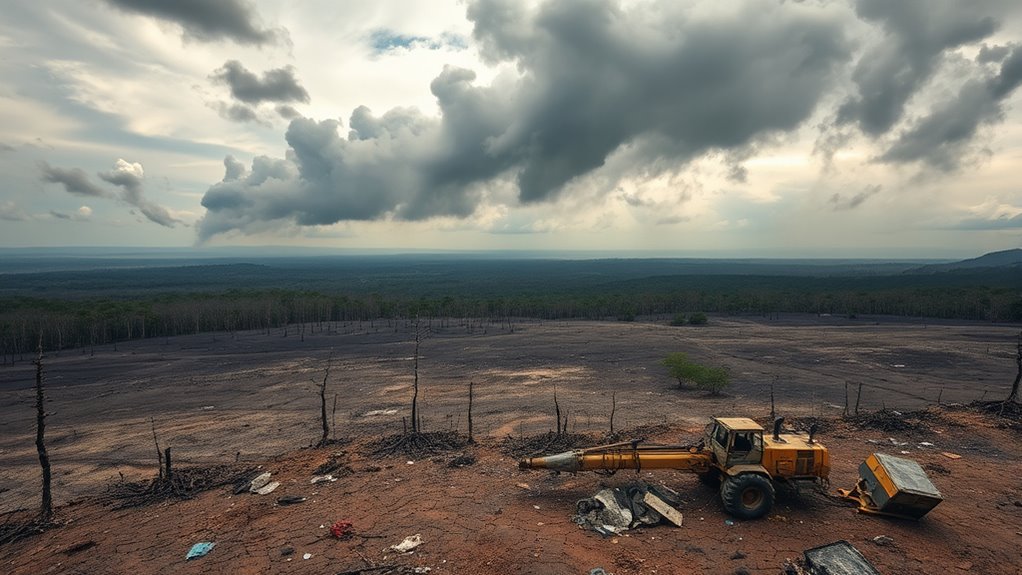
Your actions directly threaten biodiversity through habitat destruction, overhunting, and pollution, pushing many species toward extinction. Overfishing depletes crucial populations, while invasive species disrupt native ecosystems. These human activities accelerate species loss far beyond natural rates, jeopardizing the planet’s ecological balance. Additionally, habitat destruction can be exacerbated by the expansion of urban areas and agriculture, further stressing vulnerable species. Incorporating AI in Business solutions can help monitor and address environmental threats more effectively. Recognizing the importance of self-reflection and goal setting can also motivate collective efforts to mitigate these impacts and promote sustainable practices. Understanding conservation strategies and investing in protected areas are essential steps in combating the ongoing crisis.
Habitat Destruction and Deforestation
Habitat destruction and deforestation are the primary human activities driving the rapid decline of biodiversity worldwide. When you clear forests for agriculture, logging, or urban development, you eliminate critical homes for countless species. As forests shrink, animals lose their shelters, breeding grounds, and food sources, pushing many toward extinction. Deforestation also fragments habitats, making it difficult for species to survive and reproduce. You may not see it daily, but your actions contribute to these processes—whether through consumer choices or land use policies. The loss of natural habitats reduces ecosystem resilience, disrupts ecological balance, and accelerates species loss. Addressing habitat destruction requires urgent efforts to protect remaining forests, restore damaged ecosystems, and implement sustainable land management practices.
Overhunting and Overfishing
Overhunting and overfishing are among the leading human activities driving the rapid decline of species worldwide. By hunting animals for food, sport, or trade, you push many populations toward extinction, especially when combined with illegal poaching. Overfishing depletes fish stocks faster than they can reproduce, disrupting marine ecosystems and threatening species like sharks, tunas, and cod. These practices remove key predators and prey, destabilizing entire food webs. Many species are caught unintentionally as bycatch, increasing their risk of decline. As demand for wildlife products grows, pressure on vulnerable species intensifies. Without regulation and sustainable practices, overhunting and overfishing accelerate extinction rates, eroding biodiversity and undermining the resilience of ecosystems crucial to human survival. Implementing sustainable harvesting methods can help mitigate some of these impacts and preserve marine and terrestrial life.
Pollution and Invasive Species
Pollution and invasive species are two of the most significant human activities speeding up species loss today. Pollution contaminates water, air, and soil, harming habitats and causing health issues for wildlife. Invasive species are introduced intentionally or accidentally, outcompeting native species and disrupting ecosystems. These factors often work together, weakening biodiversity resilience. To illustrate, consider the table below:
| Impact Type | Examples | Effects |
|---|---|---|
| Pollution | Plastic waste, chemicals | Habitat degradation, toxicity |
| Invasive Species | Zebra mussels, cane toads | Outcompete natives, reduce diversity |
| Habitat Disruption | Urbanization | Loss of breeding grounds |
| Climate Change | Rising temperatures | Altered migration patterns |
| Overexploitation | Overharvesting of resources | Population declines, extinctions |
You play a role in reducing these impacts by supporting conservation and reducing pollution. Additionally, public awareness about invasive species can help prevent their spread and protect native ecosystems. Raising scientific understanding of how invasive species spread can further support prevention efforts. Understanding the adaptive capacity of ecosystems is crucial in developing strategies to enhance their resilience against these stressors. Promoting ecosystem resilience can also aid in buffering ecosystems against these stressors. Moreover, ongoing research highlights the importance of biodiversity preservation in maintaining ecosystem health and stability.
Challenges in Measuring and Confirming a Sixth Extinction

Measuring and confirming a sixth mass extinction is challenging because scientists face significant gaps and biases in the available data. Many species, especially invertebrates and microorganisms, are poorly documented, making it hard to gauge total losses accurately. The Red List, a primary conservation tool, underrepresents these groups, leading to potential underestimations. Additionally, the fossil record is incomplete and less reliable for recent times, complicating comparisons with past extinctions. Variability in taxonomic research and limited monitoring further hinder precise assessments. While some scientists argue current rates aren’t yet extraordinary, the growing consensus acknowledges that extinction rates are alarmingly high. Overcoming these challenges requires improved data collection, broader taxonomic coverage, and consistent global monitoring efforts to confirm whether we’re truly in a sixth mass extinction. Recognizing high levels of antioxidants in some environments can also help gauge ecosystem health and resilience. Developing standardized assessment methods is crucial for making accurate comparisons across regions and time periods, which remains a significant hurdle in the field.
Ecosystem and Human Impacts of Species Loss
The loss of species doesn’t just diminish biodiversity; it fundamentally alters how ecosystems function and how humans benefit from them. When key species disappear, processes like pollination, water filtration, and nutrient cycling slow down or stop, destabilizing ecosystems. This disruption reduces food security, as crops and wild foods rely on healthy pollinators and healthy soils. It also affects climate regulation, since forests and wetlands sequester carbon and moderate weather. Human health worsens as disease vectors expand and zoonotic illnesses spread more easily without natural controls. Economies suffer from reduced fish stocks, timber, and ecotourism. Ultimately, species loss weakens the resilience of ecosystems, making them more vulnerable to environmental shocks, and diminishes the natural services humans rely on daily. Additionally, the loss of biodiversity can impair the mind-body connection crucial for holistic health, highlighting how interconnected ecological health is with human well-being.
Efforts to Detect and Document Extinction Events
Detecting and documenting extinction events is a critical challenge in understanding the scope of the ongoing biodiversity crisis. You rely on scientific tools like the IUCN Red List, which tracks species’ statuses worldwide, but many species remain unassessed, especially invertebrates. Researchers use field surveys, camera traps, and genetic analysis to monitor populations and identify declines early. Advances in remote sensing and satellite technology help detect habitat loss and environmental changes that threaten species. Citizen science also plays a essential role, enabling the public to report sightings and document species at risk. Despite these efforts, gaps persist due to limited resources, taxonomic biases, and incomplete data. Improving detection methods and expanding monitoring are fundamental steps toward accurately understanding and responding to the ongoing extinction crisis.
Strategies for Conservation and Global Action
To combat the sixth mass extinction, you need to focus on strengthening habitat protection and promoting global cooperation. By working together across borders, you can implement policies that preserve critical ecosystems and curb illegal trade. These coordinated efforts are essential to prevent further biodiversity loss and guarantee sustainable futures.
Strengthening Habitat Protection
Strengthening habitat protection is essential for conserving biodiversity amid the ongoing sixth mass extinction. You can help by supporting protected areas and advocating for their expansion. Establishing and enforcing national parks, wildlife corridors, and conservation zones limits habitat destruction and creates safe spaces for species recovery. It’s critical to restore degraded ecosystems through reforestation and habitat rehabilitation projects. Promoting sustainable land-use practices reduces human encroachment and preserves important habitats. Legislation plays a key role—strengthening laws that prevent illegal logging, mining, and development protects vulnerable ecosystems. Raising awareness and educating communities about the importance of habitat preservation foster local stewardship. By prioritizing habitat protection, you contribute directly to slowing extinction rates and maintaining the natural balance essential for life on Earth.
Enhancing Global Cooperation
Enhancing global cooperation is crucial for effectively addressing the sixth mass extinction, as no single nation can tackle such a complex crisis alone. You need coordinated efforts to implement international treaties, share scientific data, and enforce conservation laws. Countries must work together to combat climate change, curb illegal wildlife trade, and protect critical habitats across borders. Strengthening global institutions like the United Nations and creating binding agreements can drive collective action. Public awareness and funding should also be mobilized worldwide to support conservation projects. By uniting efforts, you can leverage diverse expertise, resources, and political willpower. Only through sustained, collaborative action can humanity slow extinction rates, preserve biodiversity, and ensure a sustainable future for all species.
The Future of Life on Earth Amidst the Crisis
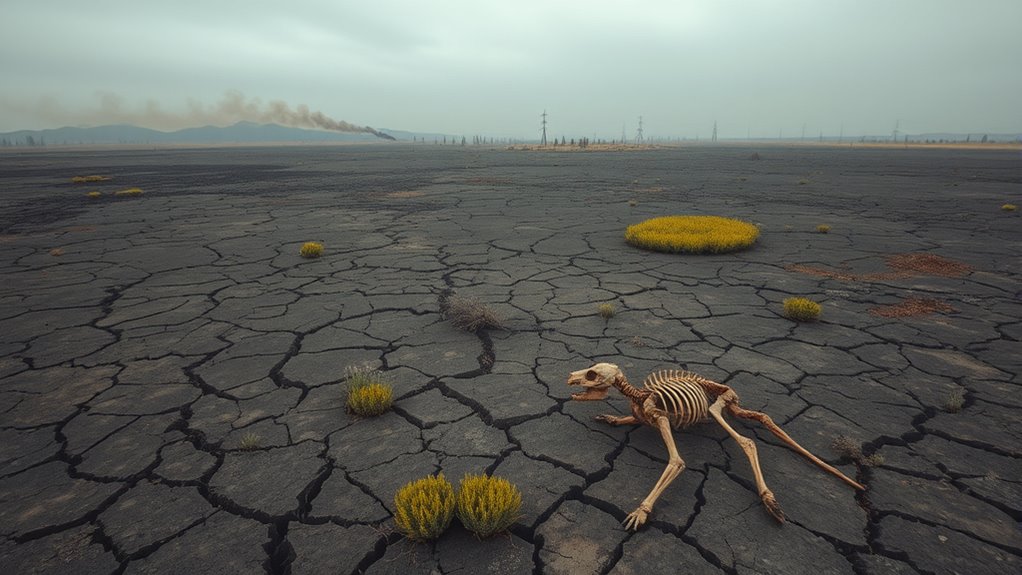
Despite the ongoing mass extinction, the future of life on Earth isn’t predetermined; it hinges on what you do today. Your actions can slow or even reverse some damage. Protecting habitats, reducing pollution, and fighting climate change are essential steps. Supporting sustainable practices and conserving biodiversity help create resilient ecosystems that can adapt to change. Technological advances and global cooperation offer hope for innovative solutions, like restoring degraded lands or protecting endangered species. Education and awareness empower you to make environmentally conscious choices. While challenges remain, your collective efforts can preserve critical ecosystem services and biological diversity. The future depends on your commitment to prioritize conservation and sustainability, ensuring that Earth remains a vibrant, life-sustaining planet for generations to come.
Frequently Asked Questions
How Do Scientists Predict Future Extinction Rates?
You can understand future extinction rates by looking at current data on species decline, extinction patterns, and environmental changes. Scientists use models that incorporate factors like habitat loss, climate change, and invasive species to project how quickly species might disappear. These models help identify trends and assess risks, but uncertainties remain, so ongoing research and improved data collection are essential to refine predictions and inform conservation efforts effectively.
What Role Do Invasive Species Play in the Current Crisis?
Invasive species disrupt ecosystems, outcompete native species, and spread diseases, fueling the current crisis. You see them invade habitats, threaten biodiversity, and weaken ecological resilience. They alter food chains, reduce genetic diversity, and accelerate extinction rates. By introducing new predators or competitors, invasive species challenge existing balances, making ecosystems more fragile. Their unchecked spread intensifies environmental stress, pushing many species toward extinction and deepening the ongoing biodiversity crisis you’re witnessing today.
Can Technological Advances Help Prevent Species From Going Extinct?
Technological advances can definitely help prevent species from going extinct. You can use tools like genetic engineering to restore endangered populations, drone technology for habitat monitoring, and data analytics to identify vulnerable species and prioritize conservation efforts. By supporting innovative solutions and adopting sustainable practices, you play a crucial role in protecting biodiversity. Embracing technology offers hope to mitigate human impacts and preserve Earth’s rich biological diversity for future generations.
How Does Climate Change Specifically Impact Biodiversity Loss?
You see climate change accelerating biodiversity loss through extreme weather events, like the 2019 Australian wildfires that devastated habitats. Rising temperatures and shifting rainfall patterns disrupt ecosystems, making it harder for species to survive, reproduce, and migrate. Coral reefs, for example, bleach and die because of warming oceans. These impacts threaten the delicate balance of ecosystems, leading to declines in species and reducing biodiversity worldwide.
What Are the Most Effective Policies to Combat the Sixth Mass Extinction?
To combat the sixth mass extinction effectively, you should support policies that protect habitats, strengthen wildlife laws, and curb illegal trade. Advocate for global agreements targeting deforestation and climate change, promote sustainable resource use, and fund conservation efforts. Encourage scientific research to identify vulnerable species early. Your involvement can push governments and organizations toward urgent action, ultimately helping to preserve biodiversity and maintain healthy ecosystems for future generations.
Conclusion
You stand at a crossroads, where the Earth’s biodiversity teeters on the edge like a delicate balance beam. Recognizing that we’re in the midst of the sixth mass extinction isn’t just awareness; it’s a call to action. Your choices, from supporting conservation to reducing your footprint, can tip the scales toward hope. Together, we hold the power to rewrite this chapter, ensuring life’s vibrant tapestry continues to flourish for generations to come.