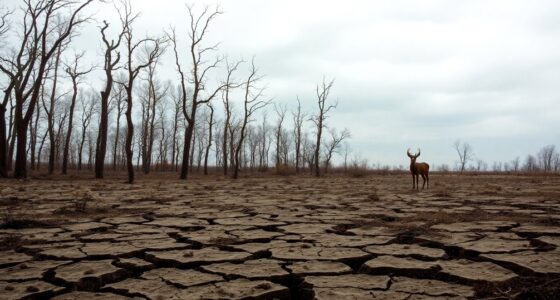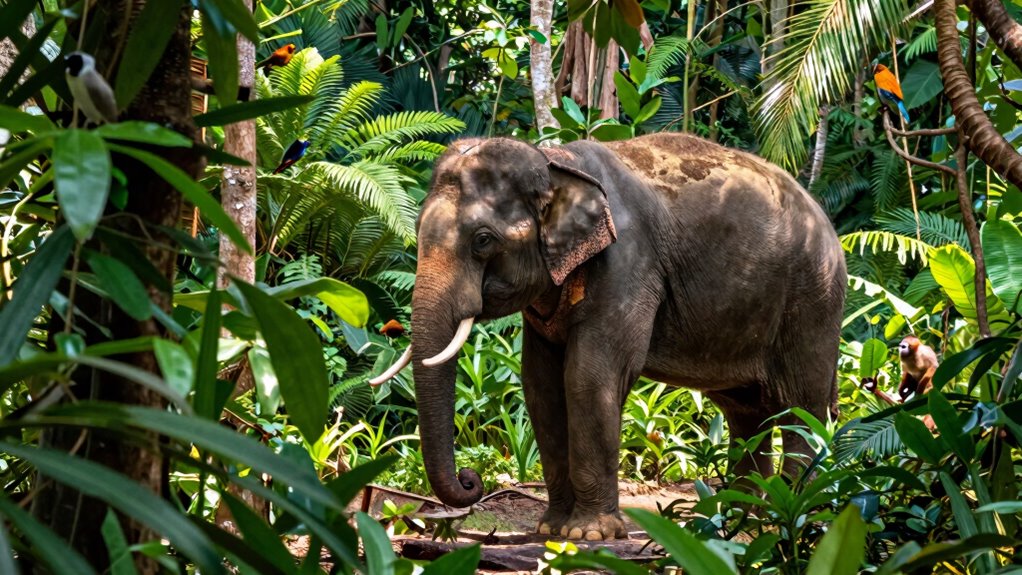

An umbrella species is a conservation tool that, when protected, helps safeguard many other species and their habitats. By focusing on these species, you promote overall ecosystem health and conserve large areas of land or water. They often require large territories and sensitive environments, making them good indicators of ecosystem stability. Protecting them can also help address broader environmental challenges. If you keep exploring, you’ll discover more about how they play a crucial role in conservation efforts.
Key Takeaways
- An umbrella species is a species whose protection benefits many other species sharing its habitat.
- Conserving an umbrella species helps preserve large, intact ecosystems and their ecological processes.
- They serve as indicators of ecosystem health and environmental stability.
- Umbrella species require extensive habitats, making their conservation impactful for broader biodiversity.
- Protecting umbrella species maximizes conservation resources by creating a positive ripple effect on the environment.

Umbrella species are crucial tools in conservation efforts because protecting them often leads to the preservation of many other species within their ecosystems. When you focus on these species, you’re not just safeguarding one organism; you’re promoting the health of entire habitats. Their ecological significance lies in their broad-ranging needs, which typically encompass large territories and diverse resources. By conserving an umbrella species, you effectively create a ripple effect that benefits many other plants and animals that share the same environment. This strategy makes them particularly valuable in designing conservation strategies that maximize impact with limited resources.
Protecting umbrella species benefits entire ecosystems and promotes biodiversity conservation with targeted efforts.
You might wonder how selecting an umbrella species benefits broader conservation goals. Well, these species usually require large, intact habitats, meaning their protection helps conserve vast tracts of land or water. This, in turn, maintains ecological processes such as water filtration, soil fertility, and climate regulation. For example, protecting a large predator or a keystone species often preserves the entire food web within an ecosystem. This approach ensures that the interconnected relationships remain intact, which is essential for ecological stability. When you adopt these strategies, you’re not just saving one species; you’re maintaining the resilience of entire ecosystems. Understanding their ecological significance helps prioritize conservation actions and allocate resources more effectively. Additionally, selecting an umbrella species involves understanding their resilience to environmental changes, which can influence the success of conservation efforts.
Furthermore, choosing the right umbrella species involves understanding their ecological significance. You need species that are sensitive indicators of environmental health, so their decline signals broader ecosystem issues. By prioritizing these species, you reinforce conservation strategies that bolster overall biodiversity. These actions help maintain ecosystem services essential for human well-being, such as clean water, air, and fertile soil. Selecting an effective umbrella species often involves assessing their resilience to environmental changes, which can influence the success of conservation efforts. Recognizing their role as indicators of ecosystem health ensures conservation efforts address broader environmental challenges effectively.

Wildlife Conservation Decoded: How Anyone Can Unlock the Secrets of Wildlife Management and Biodiversity, Even Without a Science Background
As an affiliate, we earn on qualifying purchases.
As an affiliate, we earn on qualifying purchases.
Frequently Asked Questions
How Do Umbrella Species Benefit Ecosystems Beyond Their Own Conservation?
By focusing on protecting umbrella species, you help preserve their entire habitat, which benefits many other species living there. This habitat protection leads to biodiversity enhancement, ensuring a rich variety of plants and animals thrive together. When you conserve umbrella species, you’re indirectly supporting the health of ecosystems, maintaining ecological balance, and fostering resilience against environmental threats, ultimately benefiting the broader environment beyond just the species itself.
What Criteria Are Used to Identify an Umbrella Species?
Oh, surely selecting an umbrella species is as simple as choosing the most glamorous animal in the jungle. In reality, you assess habitat requirements, ensuring the species needs a broad, intact environment. You also focus on species selection, favoring those with large territories and critical ecological roles. This way, protecting the umbrella species naturally safeguards countless other species sharing its habitat—like a biological VIP passing on its privileges to all.
Can Umbrella Species Help Address Climate Change Impacts?
Yes, umbrella species can help address climate change impacts by promoting climate resilience and habitat preservation. When you protect these species, you often conserve large areas of habitat, benefiting many other species and ecosystems. This approach helps ecosystems adapt to changing conditions, reducing climate change vulnerability. By focusing on umbrella species, you create a broader, more effective strategy for maintaining biodiversity and fostering resilient habitats amidst climate challenges.
Are Umbrella Species Always Threatened or Endangered?
You see a fragile butterfly fluttering over a lush, vibrant garden—an umbrella species often is threatened or endangered. Their habitat preservation and species protection become crucial, as safeguarding them helps preserve the entire ecosystem. These species typically face risks, but not always. When they are threatened, protecting them ensures the survival of many other plants and animals sharing their habitat, acting as a symbol of broader environmental health.
How Do Local Communities Participate in Umbrella Species Conservation?
You can participate in umbrella species conservation through community engagement by volunteering, spreading awareness, and supporting local initiatives. Your involvement helps protect these species and their habitats, which benefits broader ecosystems. Additionally, contributing to conservation funding, whether through donations or advocacy, guarantees essential resources are available. When communities actively participate, they create a stronger, more sustainable foundation for conserving umbrella species and promoting overall environmental health.
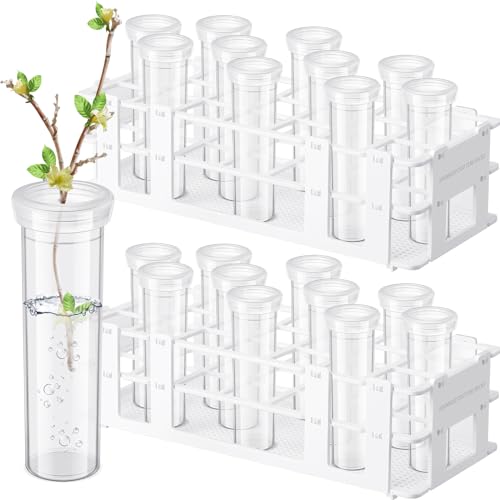
Willinglong 22 Pcs 60ml Large Floral Tubes with Rack Holder Set for Milkweed Cuttings Floral Stem Water Tubes for Fresh Flowers Raising Caterpillars Monarch Butterfly Habitat Flower Arrangements
Rich Package Contents: get 20 pieces of 60ml floral tubes and 2 detachable rack holders; These are ideal…
As an affiliate, we earn on qualifying purchases.
As an affiliate, we earn on qualifying purchases.
Conclusion
By protecting an umbrella species, you’re fundamentally shielding an entire ecosystem—like holding a delicate umbrella that shelters countless lives from a brewing storm. When you support these species, you become a guardian of nature’s intricate tapestry, ensuring that every thread remains connected and strong. Imagine standing beneath that umbrella, feeling the gentle protection it offers, knowing your actions help preserve the vibrant, interconnected world around you for generations to come.

Aquatic Biodiversity and Conservation Classes Write On Me Red 18×24 in Single Sided Yard Road Sign w/Stand
Pre printed sign with area for you to write personalized information
As an affiliate, we earn on qualifying purchases.
As an affiliate, we earn on qualifying purchases.

DSUWAZU Peat Pots,60 Pcs 3.15 Inch Seed Starting Pots with Drainage Holes Round Nursery Plants Pots with Bonus 20 Plant Labels (3.15 Inch)
Complete Package: Our Plant Starter Pots include 60 high-quality peat pots, each measuring 3.15 inches in diameter. Plus,…
As an affiliate, we earn on qualifying purchases.
As an affiliate, we earn on qualifying purchases.