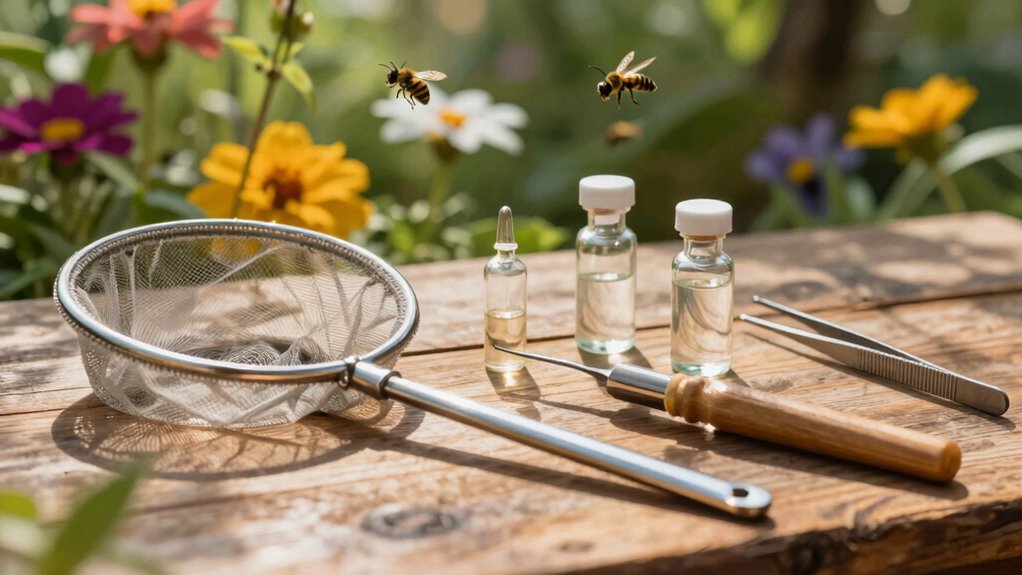

Using insect collection tools ethically is essential to protect fragile ecosystems and maintain biodiversity. You’ll reduce stress on insect populations by choosing non-lethal traps and catch-and-release methods. Understanding local environments and conservation statuses helps you make responsible decisions while collecting. Ethical practices not only promote species thriving but also educate others on sustainable techniques. By sharing your experiences and data, you contribute to a larger conservation effort. There’s much more to explore on how your actions can impact the environment.
Key Takeaways
- Ethical use of insect collection tools minimizes harm to insect populations and their habitats, promoting conservation efforts.
- Non-lethal traps and catch-and-release methods ensure valuable data is collected without causing stress to specimens.
- Understanding local biodiversity and endangered species is essential for responsible collection practices.
- Documenting and sharing collection experiences fosters ethical practices and contributes to broader conservation knowledge.
- Sustainable collection methods educate others, enhancing awareness of ecological impacts and promoting healthy species populations.
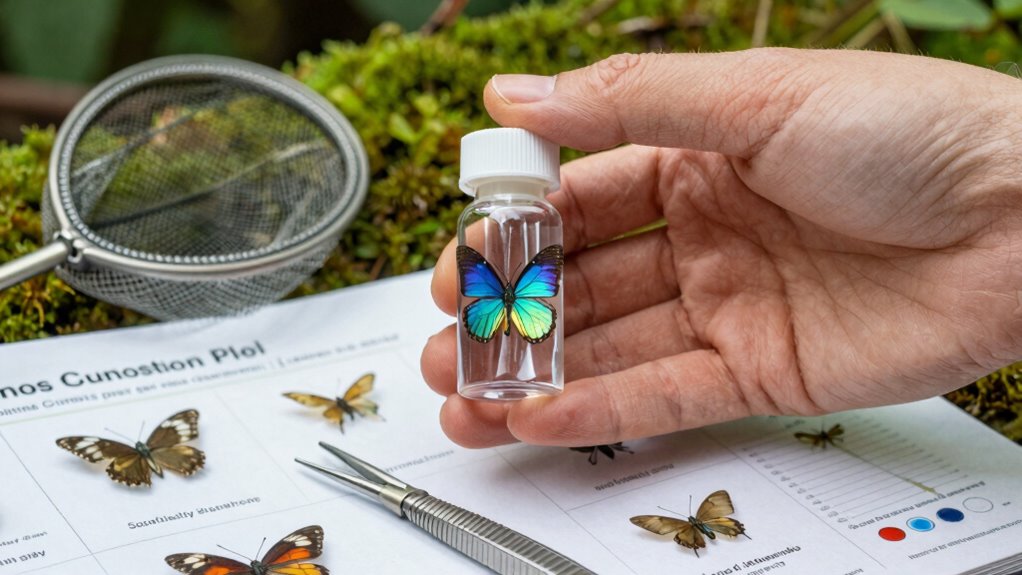
When you venture into the field to collect insects, it’s vital to remember that ethical practices matter just as much as scientific accuracy. The tools you use in this process can greatly influence the sustainability of your collection efforts and the conservation impact on local ecosystems. You might be keen to gather specimens, but it’s important to approach this task responsibly. This means selecting the right tools and techniques that minimize harm to the insects and their habitats.
Using ethically designed insect collection tools can greatly reduce the stress you place on populations and ecosystems. For instance, using catch-and-release methods or traps that don’t harm the insects can provide valuable data while ensuring the species continues to thrive. If you’re collecting for educational purposes, consider employing field guides that promote sustainable practices. This way, you can educate others on the importance of ethical collection.
Using ethical collection tools, like catch-and-release methods, ensures species thrive while providing valuable data for education and conservation.
Your collection methods should also take into account the local environment and the species you’re targeting. Some insects may be endangered or play vital roles in their ecosystems. Collecting them without a clear understanding of their conservation status can lead to unintended consequences. Before you set out, familiarize yourself with the local biodiversity and any regulations that apply to collecting. This knowledge not only enhances your skills but also helps you make informed decisions that prioritize conservation.
Moreover, sharing your findings and experiences can amplify your conservation impact. By documenting your collection process and the ecological context, you contribute to a broader understanding of insect populations. This data can be invaluable for researchers and conservationists who are working to protect these species. When you communicate your methods and results, you also encourage others to adopt ethical practices, creating a ripple effect that benefits the entire field of entomology.

INTRODUCTION TO FORENSIC ENTOMOLOGY (2nd Edition): The Role of Insects in Solving Crimes (Forensic Series – CSS Editora Legacy Collection Book 1)
As an affiliate, we earn on qualifying purchases.
As an affiliate, we earn on qualifying purchases.
Frequently Asked Questions
What Are the Best Practices for Storing Collected Insects?
To store collected insects effectively, you should use appropriate preservation techniques. Place insects in airtight storage containers like glass jars or plastic boxes to prevent moisture and pests. Use silica gel packets to absorb humidity and maintain dryness. Label each container with details about the species, location, and date of collection. Keeping your collection organized not only helps in research but also guarantees the longevity of your specimens.
How Can I Identify Insects Before Collecting Them?
To identify insects before collecting them, you should focus on field identification techniques. Observe their behavior and note any unique visual characteristics. Use identification resources like field guides or apps to help you distinguish between species. Pay attention to details such as color patterns, wing shape, and body structure. This careful observation will increase your confidence in identifying insects accurately, ensuring you only collect those you’re interested in studying further.
What Tools Are Essential for Beginner Entomologists?
As you step into the world of entomology, think of yourself as a treasure hunter in a vibrant jungle. For beginner entomologists, essential tools include a net for field sampling, forceps for delicate collection techniques, and a field guide to identify your finds. A small container or vial keeps specimens safe, while a notebook helps you record observations. With these tools, you’ll uncover the fascinating secrets of the insect world!
Are There Any Permits Required for Insect Collection?
Yes, you may need permits for insect collection, especially if you’re in protected areas. Local collection regulations often dictate what you can collect and where. It’s essential to check with your local wildlife agency to guarantee you’re following the rules. Remember, practicing insect conservation is important, so always prioritize ethical collection practices. By staying informed about permits and regulations, you help protect the ecosystems you’re studying.
What Should I Do if I Encounter Endangered Species?
If you encounter an endangered species, stop immediately and observe from a distance. Don’t attempt to collect or disturb it; your actions could harm conservation efforts. Document your sighting with photos and notes, then report it to local wildlife authorities or conservation organizations. They can provide guidance and help protect the species. Remember, your role is essential in supporting these creatures’ survival and maintaining biodiversity.
Conclusion
In the grand dance of nature, every insect plays a crucial role, and it’s our job to tread lightly. When you collect, remember you’re not just gathering specimens; you’re safeguarding the delicate tapestry of life. Treat your tools like a painter’s brush, using them to enhance understanding, not to diminish populations. By embracing ethical practices, you guarantee that future generations can marvel at the intricate world of insects, keeping the rhythm of nature alive and thriving.