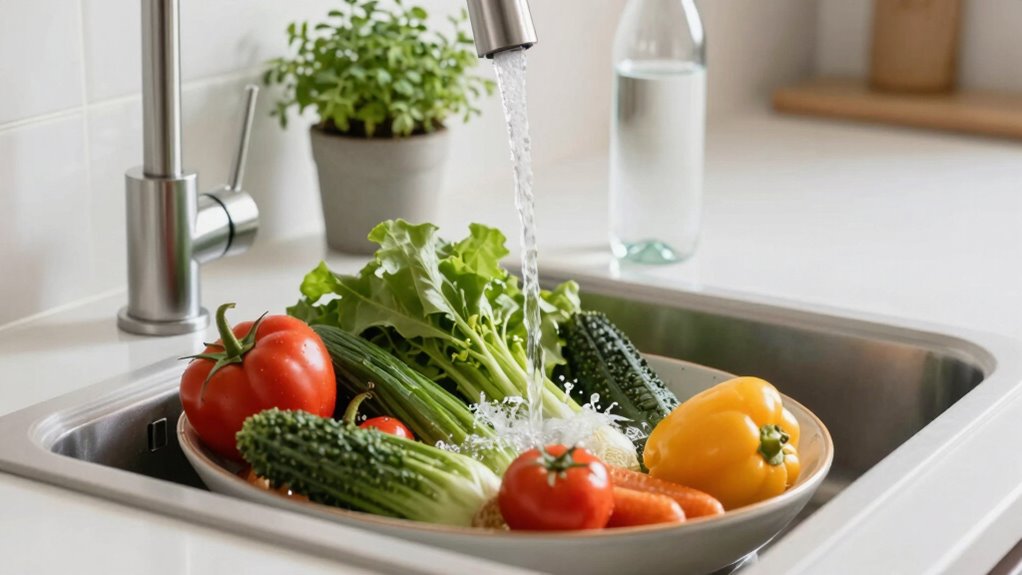

To shrink your home’s water footprint, start by fixing leaks promptly and turning off taps while brushing teeth. Install water-efficient fixtures like low-flow showerheads and dual-flush toilets to save water without losing comfort. Practice mindful outdoor watering, using drought-resistant plants, mulch, and rainwater collection. Monitor your water use with meters or bills to spot inefficiencies. Small changes make a big difference—continue exploring ways to maximize your conservation efforts.

Prime made for students and young adults
- Fast, free delivery for dorm and study essentials
- Prime Video and Amazon Music included
- Member-only deals
Key Takeaways
- Install water-efficient fixtures like low-flow showerheads and dual-flush toilets.
- Fix leaks promptly to prevent unnecessary water waste.
- Use drought-resistant plants and smart irrigation for outdoor watering.
- Collect rainwater and water plants early morning or late evening.
- Monitor water use with meters and track bills to identify and reduce inefficiencies.
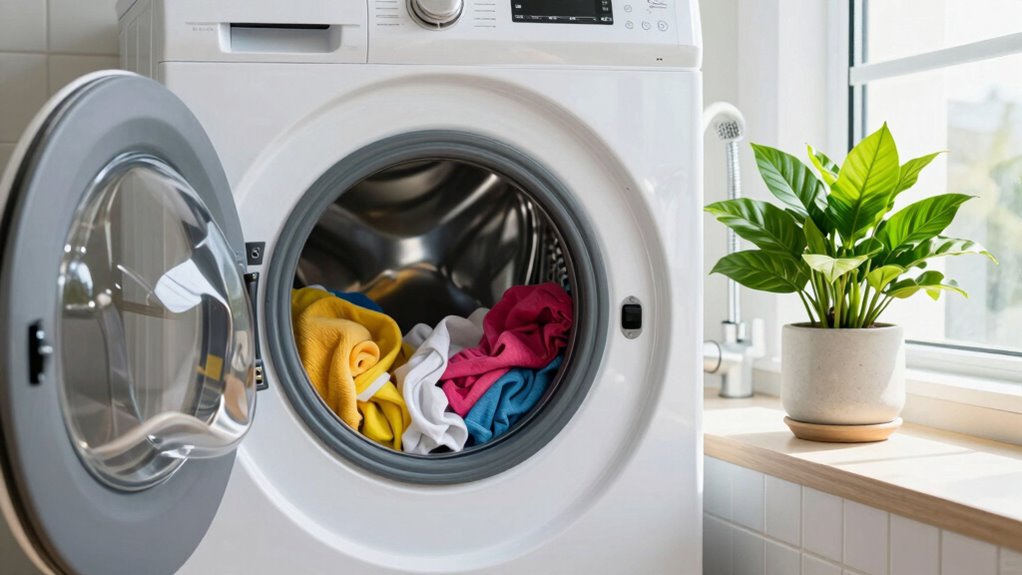
Reducing your home’s water footprint is a smart way to save money and protect the environment. Every drop counts, and by making small yet impactful changes, you can markedly cut your water usage. One of the most effective ways to do this is by practicing water conservation. Simple habits like turning off the tap while brushing your teeth, fixing leaks promptly, and using water-efficient fixtures can make a big difference. Installing eco friendly plumbing solutions, such as low-flow showerheads and dual-flush toilets, guarantees you’re using water more efficiently without sacrificing comfort. These upgrades not only reduce water waste but also lower your utility bills over time.
Save money and protect the environment with simple water-saving habits and eco-friendly plumbing upgrades.
Using water wisely isn’t just about individual habits; it’s also about choosing the right products. When shopping for new appliances or fixtures, look for those labeled as water-saving or high efficiency. Modern eco friendly plumbing devices are designed to maintain performance while reducing water consumption. For example, a low-flow showerhead can cut your shower water use by half without sacrificing pressure. Similarly, dual-flush toilets give you the option to choose a light or full flush, saving gallons of water each day. These upgrades are easy to install and can quickly start saving you money.
Another effective strategy involves rethinking your landscaping and outdoor water use. Watering your lawn early in the morning or late in the evening minimizes evaporation, making your watering more effective. Consider drought-resistant plants that require less water, and use mulch to retain soil moisture. Installing a rain barrel allows you to collect rainwater for outdoor use, reducing dependence on municipal water sources. Utilizing outdoor water management practices can further enhance your conservation efforts and promote a healthier, more sustainable garden. Additionally, implementing natural pool techniques can significantly decrease the need for chemical treatments and extensive water exchange. Incorporating smart irrigation systems that adjust watering schedules based on weather conditions can further optimize outdoor water use. Moreover, understanding sound vibrations and their impact can inspire innovative ways to incorporate natural soundscapes that encourage mindful water use.
Monitoring your water use is essential. Keep an eye on your water bills for unusual spikes that may indicate leaks. Use a water meter to track your consumption and identify areas where you can improve. Simple upgrades like installing aerators on faucets can also decrease flow rates, reducing water use without changing your habits. Being aware of water-saving technologies can help you make more informed choices and maximize your conservation efforts. By being mindful of your water consumption and investing in eco friendly plumbing fixtures, you’re taking control of your environmental impact while saving money.
Ultimately, shrinking your home’s water footprint is about making smarter choices and adopting sustainable habits. With water conservation efforts and eco friendly plumbing, you can reduce waste, lower bills, and contribute to the preservation of critical water resources. Small changes add up, and over time, you’ll see the benefits in your wallet and the environment.
As an affiliate, we earn on qualifying purchases.
Frequently Asked Questions
What Are the Biggest Household Water Wasters?
Indoor leaks are the biggest household water wasters, often dripping away unnoticed and wasting gallons daily. You should regularly check your faucets, toilets, and pipes to catch leaks early. Upgrading to water-efficient fixtures can considerably cut your water use. These fixtures, like low-flow showerheads and dual-flush toilets, help conserve water without sacrificing performance. Addressing leaks and installing efficient fixtures are two of the most effective ways to reduce your water footprint.
How Does Water Usage Vary by Season?
Water usage can skyrocket during summer due to intense seasonal irrigation, making your water bill feel like a tidal wave. In contrast, winter water savings are dramatic because outdoor watering drops to almost nothing. You use substantially less water for outdoor activities, relying more on indoor fixtures. So, your home’s water footprint fluctuates wildly with the seasons—sharply increasing in summer and plummeting in winter, helping you save water when it counts most.
Are Water-Saving Appliances Cost-Effective Long-Term?
Water-saving appliances are generally cost-effective long-term because their improved water appliance efficiency reduces your utility bills over time. Conducting a cost savings analysis helps you see how quickly you’ll recoup the initial investment through lower water and energy costs. While some appliances may seem pricey upfront, their efficiency benefits often outweigh the costs, making them a smart choice for both your wallet and the environment.
Can Landscaping Reduce Overall Water Consumption?
Yes, landscaping can reduce your overall water consumption. By using xeriscaping benefits, you minimize irrigation needs, especially with drought tolerant plants that thrive with little water. These plants help conserve water, reduce runoff, and lower your water bills. Incorporating xeriscaping techniques creates a sustainable landscape that’s both attractive and eco-friendly, making it an effective way to cut down on water use while maintaining a beautiful yard.
How to Monitor Household Water Usage Effectively?
Think of your water use as a busy highway—monitoring helps you spot traffic jams. To do this, conduct regular water audits and install smart meters. Water audits identify leaks and inefficiencies, while smart meters give real-time data on your consumption. By keeping a close eye on your usage, you can make smarter choices, cut waste, and ultimately shrink your home’s water footprint, saving both water and money.
Conclusion
Think of your water footprint as a garden’s delicate ecosystem—each drop is a seed that shapes the landscape. By conserving water, you’re tending this garden with care, ensuring it thrives rather than withers. Every mindful choice, from fixing leaks to shorter showers, nurtures a thriving habitat within your home. When you act as a gentle gardener, you help your water ecosystem flourish, creating a sustainable future where every drop counts and your home blossoms in harmony with the environment.
Evergreen bestsellers Picks
bestsellers
As an affiliate, we earn on qualifying purchases.