Road ecology matters more than you realize because roads cut through ecosystems, disrupting wildlife movement and increasing collision risks. They emit harmful pollutants that affect air and water quality, impacting both nature and your health. Sustainable design elements like wildlife corridors and vegetated buffers help reduce these impacts. By understanding how roads influence ecosystems, you can see why responsible planning is essential. Stick around to discover how smarter choices can protect the environment and support long-term community well-being.

Get school and study supplies delivered free — and shop member deals
- Fast, free delivery on millions of items
- Access to Prime Big Deal Days deals on October 6–7
- Prime Video, Amazon Music and more included
Key Takeaways
- Roads fragment habitats, disrupting wildlife movement and threatening species survival.
- Pollution from vehicles and construction harms air, water quality, and ecosystems.
- Incorporating wildlife corridors and green infrastructure reduces negative environmental impacts.
- Sustainable road planning promotes biodiversity, improves public health, and mitigates climate change.
- Recognizing ecological connections ensures responsible development and long-term ecosystem resilience.
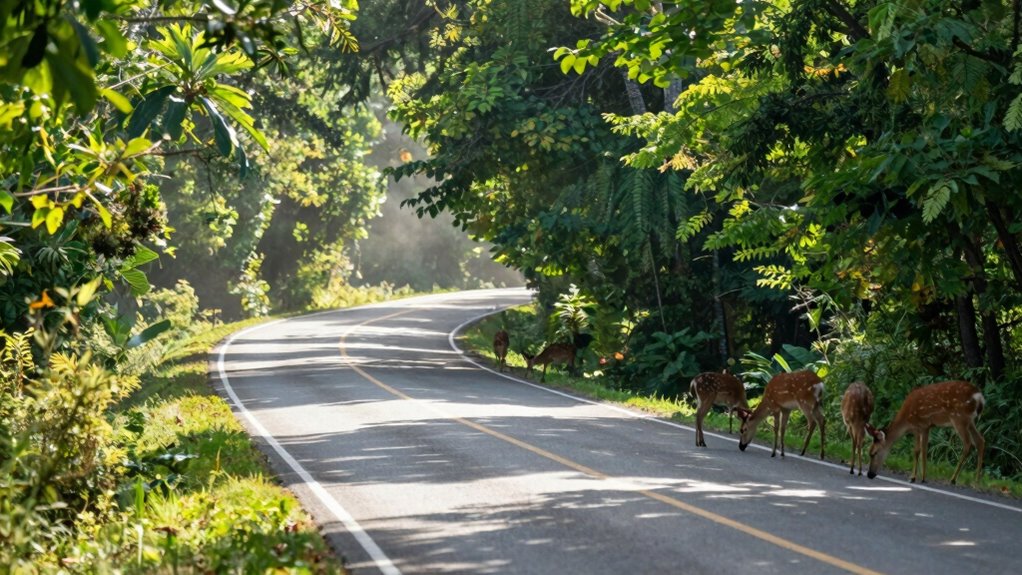
Roads are more than just pathways for transportation; they considerably impact the surrounding environment and wildlife. Every mile of road cuts through ecosystems, fragmenting habitats and influencing animal movement. You might not realize it, but these disruptions can threaten species survival, especially when animals are forced to cross busy highways that put them at risk of collisions. That’s where wildlife corridors come into play. These are specially designed strips of natural habitat that connect fragmented areas, allowing animals to move safely from one place to another. By incorporating wildlife corridors into road planning, you help maintain biodiversity and reduce roadkill incidents. They serve as essential links that support ecological processes, enabling species to find food, mate, and migrate without unnecessary danger.
Pollution mitigation is another critical aspect of road ecology that often goes unnoticed. Vehicles emit pollutants like nitrogen oxides, particulate matter, and greenhouse gases, which degrade air quality and contribute to climate change. When roads are constructed or expanded without considering pollution mitigation, they can intensify these environmental issues. But when you prioritize strategies like installing green barriers, using permeable materials, or planting roadside vegetation, you actively reduce the amount of pollutants that reach the surrounding environment. These measures can also help filter airborne contaminants, making nearby communities healthier. Additionally, managing stormwater runoff — which often carries oil, heavy metals, and other pollutants from roads — is essential to protect nearby water bodies. Proper drainage systems and vegetative buffers can absorb and filter this runoff, preventing contamination of rivers and lakes. Incorporating green infrastructure into road design can further enhance these efforts and support urban greening initiatives. Moreover, considering ecological impacts during construction can prevent long-term damage to ecosystems. Engaging in environmental assessments before building new roads ensures that ecological considerations are integrated from the beginning, reducing potential harm. Incorporating sustainable practices during construction and maintenance also helps minimize the environmental footprint of transportation projects. Furthermore, educating communities about the importance of pollution reduction can foster support for environmentally responsible transportation policies.
Understanding why road ecology matters goes beyond just the environment; it’s about creating sustainable transportation systems that harmonize with nature. When you consider wildlife corridors and pollution mitigation in planning and development, you’re not only protecting wildlife and ecosystems but also improving public health and safety. Roads designed with ecological principles reduce animal-vehicle collisions, lower air and water pollution, and promote healthier communities. Recognizing the interconnectedness of roads and ecosystems encourages smarter, more responsible development. Ultimately, caring about road ecology means acknowledging that our infrastructure choices ripple through the environment, influencing everything from local wildlife to global climate patterns. It’s an essential perspective that can lead to more thoughtful, sustainable solutions for transportation now and into the future.
As an affiliate, we earn on qualifying purchases.
Frequently Asked Questions
How Do Roads Affect Local Plant Biodiversity?
Roads impact local plant biodiversity by causing habitat fragmentation, which divides ecosystems and limits plant movement and seed dispersal. You might notice fewer native plants near roads, as invasive species often thrive in disturbed areas, outcompeting indigenous flora. This disruption reduces overall biodiversity, making ecosystems less resilient. By understanding these effects, you can support efforts to create wildlife corridors and reduce invasive species spread, helping preserve native plant diversity.
What Are the Economic Benefits of Road Ecology?
Think of road ecology as your economic secret weapon—like the wise owl of the forest, it offers sharp insights. By prioritizing ecological resilience, you cut long-term costs associated with repairs and environmental damage. Well-designed roads reduce maintenance expenses and avoid ecological disruptions that can lead to costly consequences. Embracing road ecology ultimately delivers cost savings, boosts local economies, and guarantees the sustainability of infrastructure, proving that protecting nature benefits your wallet too.
Can Road Design Reduce Wildlife Mortality Effectively?
Yes, road design can effectively reduce wildlife mortality by incorporating wildlife crossings, which allow animals to safely cross roads. These crossings help minimize habitat fragmentation, ensuring animals can access essential resources and migrate without risking collision. When strategically placed, wildlife crossings act as safe passages, considerably decreasing roadkill incidents and preserving local ecosystems. You can make a real difference by supporting or advocating for such thoughtful, wildlife-friendly road designs.
How Does Road Noise Impact Nearby Animal Populations?
Like a modern-day siren, urban noise disrupts animal behaviors, causing significant behavioral disruption. You might not notice, but road noise affects nearby animal populations by drowning out communication, disturbing mating calls, and stressing wildlife. This constant disturbance can lead to reduced reproduction, altered movement patterns, and increased mortality. Fundamentally, your daily commute contributes more than you think to the decline of local ecosystems, highlighting the importance of considering road noise in ecological planning.
What Policies Support Sustainable Road Development?
You can support sustainable road development by advocating for policies that integrate urban planning with transportation infrastructure. Encourage the adoption of eco-friendly designs, such as wildlife corridors and noise barriers, to minimize ecological disruption. Push for stricter environmental assessments and promote investments in public transit, cycling, and walking infrastructure. These policies help reduce habitat fragmentation, lower emissions, and create more resilient, sustainable transportation systems that benefit both communities and ecosystems.
Conclusion
Think of roads as arteries running through a living body. When these arteries are clogged or damaged, the whole system suffers. Just like a single blocked artery can threaten a person’s life, a neglected road ecology can threaten entire ecosystems. Remember the story of a small bridge that, when restored, helped reconnect a fragmented habitat, saving countless species. Your awareness and action can be the crucial repair that keeps nature’s heartbeat strong and thriving.
Halloween Picks
halloween
As an affiliate, we earn on qualifying purchases.