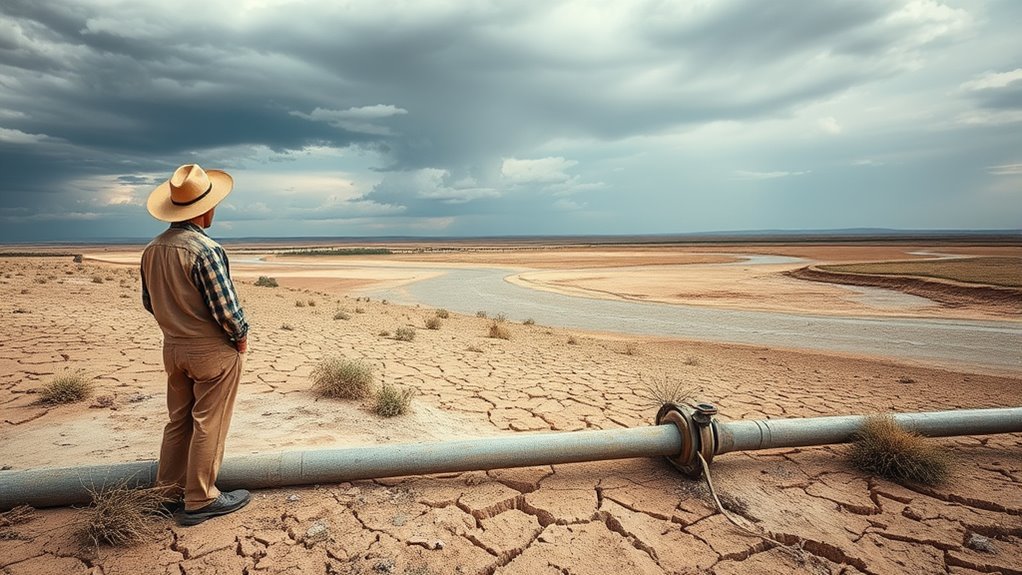

As drought worsens across the Western U.S., communities and farmers are adopting new water conservation strategies to secure limited supplies. You might see increased use of water-efficient technologies like drip irrigation, smart sensors, and water recycling. Governments are implementing stricter regulations, promoting conservation campaigns, and encouraging sustainable practices. If you keep exploring, you’ll discover how these innovations and policies are shaping a future where water is more carefully managed amid growing shortages.
Key Takeaways
- Drought-induced water shortages are prompting regions to adopt water-efficient irrigation and drought-resistant crops to conserve supplies.
- States are implementing mandatory water restrictions and public conservation campaigns to manage declining reservoir levels.
- Investment in innovative technologies like water recycling and desalination is expanding to diversify and secure water sources.
- Regions are developing tailored strategies, including soil moisture sensors and automated systems, to optimize water use amid scarcity.
- Long-term policies focus on demand reduction, water permits, and incentives encouraging sustainable water management practices.
The Expanding Scope of Drought Across the Western U.S

The scope of drought across the Western U.S. has been steadily expanding, affecting more states and intensifying in severity. Currently, over 65% of the region is in drought, with 14% experiencing extreme or exceptional conditions. This marks a significant increase from previous years, where peak drought in 2021 affected nearly 60% of the West. The entire Colorado River Basin is in drought, with large areas in the most severe categories. States like Washington, Idaho, and Montana have faced nearly three years of persistent drought, depleting water supplies and stressing ecosystems. As drought spreads, it hampers agriculture, reduces reservoir levels, and prompts local governments to impose water restrictions. This ongoing expansion underscores the urgent need for effective water management and conservation efforts, especially as building backyard greenhouses can help reduce water use in gardening practices. Implementing water-efficient landscaping strategies can further support conservation goals during these critical times, emphasizing the importance of lifestyle adaptations in response to climate challenges. Recognizing the impact of water conservation techniques is essential for developing sustainable solutions to mitigate drought effects, especially as natural factors like wave and wind also influence water availability and distribution.
Impacts of Persistent Drought on Water Supplies and Reservoirs
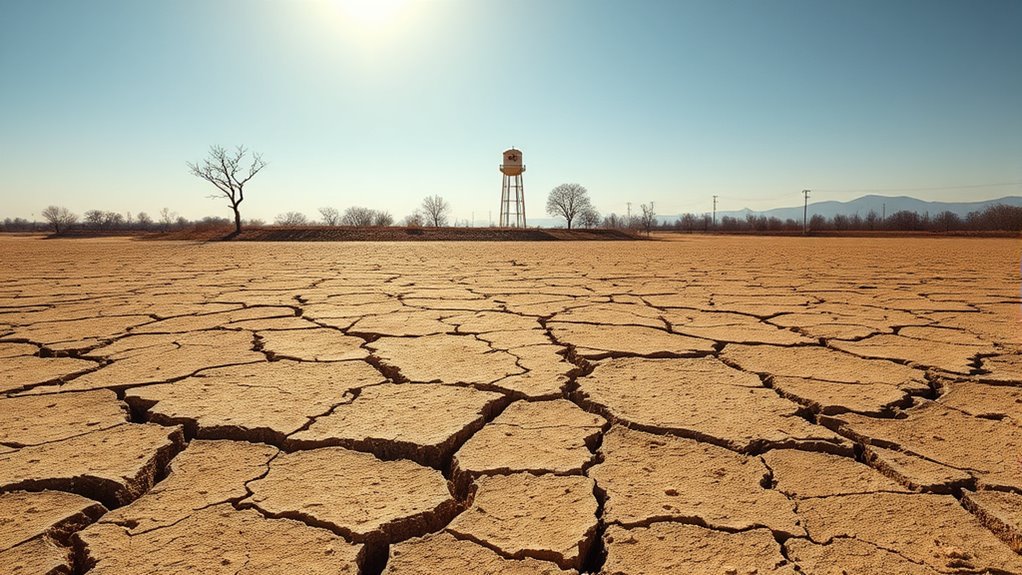
Persistent drought has caused reservoir levels across the West to fall sharply, threatening water supplies for millions. In places like Utah and Washington, water storage is at historic lows, forcing officials to impose restrictions. As reservoirs shrink, access to reliable water sources becomes increasingly uncertain and urgent. The reduction in water availability also impacts agricultural practices and local economies, necessitating conservation strategies to manage limited resources effectively. Additionally, the drought conditions have highlighted the importance of sustainable living practices, such as water-efficient appliances and mindful usage, in promoting water conservation awareness among the public. Implementing water-saving technologies can further help communities adapt to these challenging conditions. Integrating innovative water management approaches is essential for long-term resilience in drought-affected regions.
Reservoir Level Declines
As drought conditions stretch on, reservoirs across the Western U.S. continue to shrink at alarming rates, threatening water supplies for millions. You’ll notice water levels dropping sharply, especially in Utah’s reservoirs, which are declining more than double the normal rate. Washington’s Yakima River Basin reservoirs are at some of their lowest levels since 1971, highlighting severe shortages. California’s reservoirs, though mostly full after two good winters, still face stress in Southern California due to ongoing drought. The Colorado River Basin, supplying seven states, is entirely in drought, with reservoirs at critically low levels. In northern Idaho and western Montana, water storage has markedly decreased over multiple years. These declines jeopardize water security, forcing communities to adapt to shrinking reserves and plan for long-term management challenges. Implementing water conservation strategies has become essential for managing limited supplies and ensuring sustainable use. Adoption of advanced water management techniques can help mitigate some of these shortages and improve reservoir resilience. Additionally, investing in innovative reservoir replenishment projects can provide temporary relief while long-term solutions are developed.
Reduced Water Availability
Reservoir levels across the Western U.S. are dropping sharply due to ongoing drought conditions, severely limiting water supplies for millions. As water sources shrink, you’ll notice restrictions on everyday use, especially in agriculture, industry, and municipalities. The Colorado River, a crucial water source for seven states, is nearly depleted, forcing drastic cutbacks. In California, reservoirs are mostly full after good winters, but Southern California still faces shortages. In Idaho and Montana, drought has reduced stream flows and groundwater levels, impacting farming and communities. Utah’s reservoirs are declining faster than usual, heightening concerns over future water security. With persistent drought, you’ll see increased competition for limited supplies, prompting emergency measures, conservation efforts, and long-term planning to ensure essential water access. Reliable backup water sources are becoming increasingly important as traditional supplies dwindle. Additionally, water storage infrastructure projects are being prioritized to better manage scarce resources and improve resilience. Moreover, innovative water management strategies are being explored to adapt to the changing climate and sustain water availability for future generations. Investing in water conservation techniques is also vital to reduce overall demand and preserve remaining supplies.
Agricultural Challenges and Responses to Water Scarcity
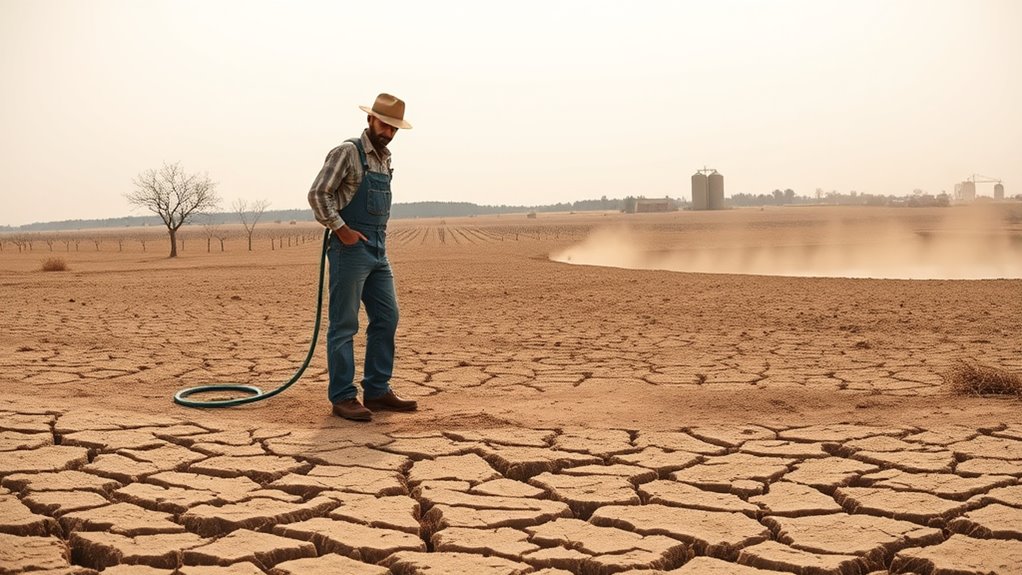
You’re facing the tough reality of how drought is threatening crop yields and farm productivity. To adapt, many farmers are switching to drought-resistant crops and adopting precision watering techniques. These strategies help conserve water while keeping agriculture viable amid ongoing water shortages. Additionally, implementing water-efficient irrigation systems can significantly reduce water waste and improve resource management. Understanding foraging ranges and seasonal resource availability can also inform smarter water use and crop planning to optimize water use efficiency. Recognizing personality traits and communication patterns among farmers can further facilitate collaborative water-saving efforts and community resilience.
Drought’s Impact on Crops
Drought conditions have considerably strained crop production across many parts of the Western U.S., forcing farmers to adapt quickly to water shortages. You’ll notice several impacts:
- Reduced yields due to insufficient irrigation and stressed plants.
- Crop die-offs in vulnerable areas like Oklahoma and Texas.
- Shift toward drought-resistant crops to survive ongoing dry spells.
- Increased reliance on precision irrigation to optimize water use.
Farmers face tough choices, balancing water conservation with maintaining production. Many are delaying planting, skipping less profitable crops, or adopting new technologies. These strategies aim to sustain agriculture amid persistent drought, but they also reshape the landscape of farming in water-scarce regions. The pressure to innovate and conserve is transforming traditional practices into more resilient and efficient systems.
Adoption of Drought-Resistant Crops
As water scarcity persists across the Western U.S., farmers are turning to drought-resistant crops to cope with limited water supplies. These crops require less water, thrive under dry conditions, and help reduce irrigation costs. Farmers are increasingly adopting varieties like sorghum, millet, and certain beans, which can withstand prolonged droughts. This shift not only preserves water but also stabilizes farm income amid uncertain conditions. Agricultural agencies support this transition through research and incentives, encouraging growers to diversify their crops. By planting drought-tolerant varieties, farmers aim to maintain yields while conserving water resources. This strategic response helps mitigate the impacts of drought, ensuring food production continues despite ongoing water shortages. It’s a vital step toward building resilience in agriculture facing worsening climate conditions.
Precision Watering Techniques
Farmers are increasingly turning to precision watering techniques to address water scarcity challenges. These methods optimize water use and reduce waste, making agriculture more sustainable. Here are four key strategies you should know:
- Drip Irrigation: Delivers water directly to plant roots, minimizing runoff and evaporation.
- Soil Moisture Sensors: Provide real-time data, helping you water only when necessary.
- Variable Rate Technology: Adjusts watering levels based on crop needs and field variability.
- Automated Systems: Use weather forecasts and soil data to schedule watering precisely.
Effective management of these technologies is essential to avoid security vulnerabilities and ensure reliable operation.
Regional Variations in Drought Conditions and Local Initiatives

Regional drought conditions vary markedly across the western and southern United States, prompting local governments to adopt diverse strategies to address water scarcity. In states like Oregon and Idaho, heavy rainfall has eased drought pressures, leading to relaxed restrictions. Conversely, California’s reservoirs, though improved after wet winters, still face challenges, especially in Southern California. Texas and Oklahoma saw drought conditions intensify again after brief relief, prompting stricter water restrictions and conservation efforts. Washington has issued drought declarations for multiple years, leading to emergency measures and public campaigns promoting reduced water use. These targeted responses reflect the varied severity and local impacts of drought across regions, emphasizing tailored approaches to water management. Recognizing the importance of water conservation strategies can help communities better adapt to ongoing and future drought conditions.
Innovative Water Conservation Policies and Regulations
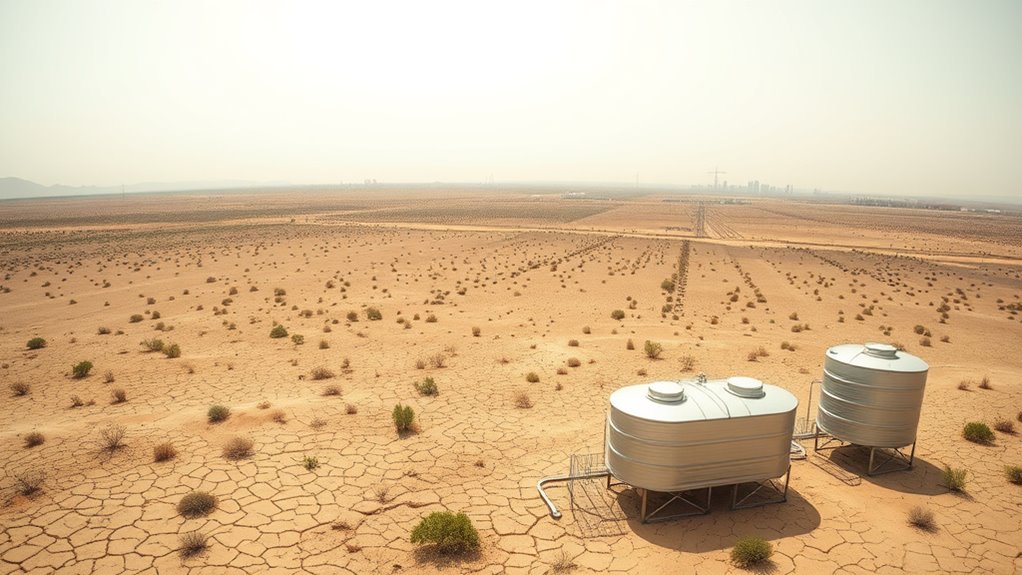
Governments and utilities are implementing innovative water conservation policies designed to address the ongoing drought crisis. These policies aim to reduce water use and improve efficiency. Here are four key strategies making an impact:
- Mandatory Water Restrictions: Many states enforce limits on outdoor watering and indoor use, especially during peak drought periods.
- Incentives for Efficient Irrigation: Utilities offer rebates and subsidies for installing drip irrigation and other water-saving techniques.
- Water Use Permits and Allocations: Regulations now require permits for large water withdrawals, ensuring sustainable use.
- Public Awareness Campaigns: Governments run educational programs to encourage households to adopt water-saving habits.
These measures promote responsible water use, helping communities adapt to ongoing drought conditions while protecting essential resources.
Technological Advances in Water Recycling and Desalination
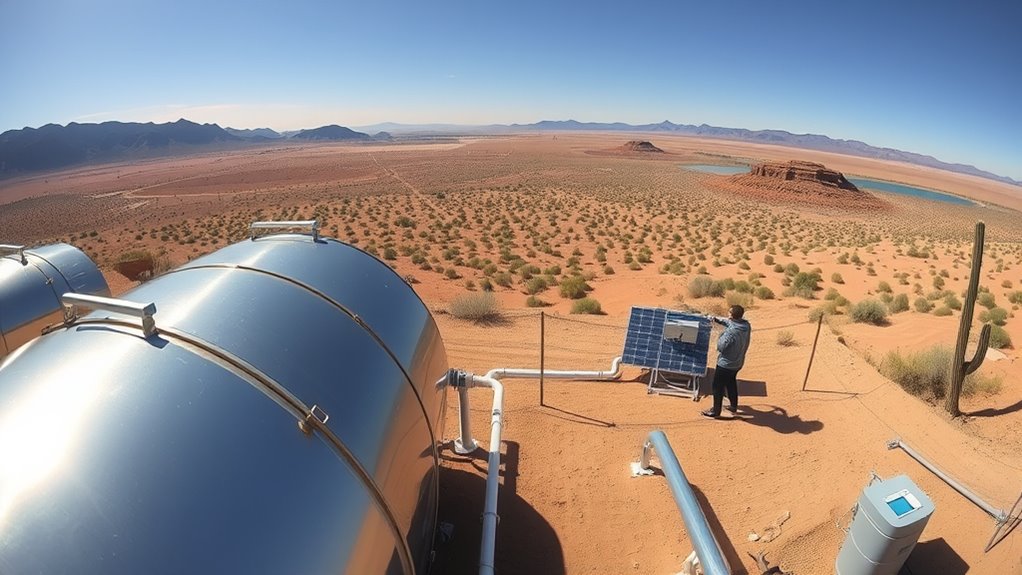
As drought conditions worsen, technological advances in water recycling and desalination are becoming essential tools for securing water supplies. You can now access cleaner water through innovative treatment methods that recycle wastewater into safe, usable water for agriculture, industry, and even drinking. Advanced filtration systems, such as membrane bioreactors and ultraviolet sterilization, remove contaminants more effectively. Desalination plants, which convert seawater into freshwater, are expanding along coastlines, reducing reliance on dwindling freshwater sources. These technologies are becoming more energy-efficient and cost-effective, allowing widespread adoption. By integrating water recycling and desalination into existing systems, you help increase resilience against drought, reduce pressure on natural sources, and ensure a more reliable water supply for communities facing persistent shortages. water treatment innovations
Altering Agricultural Practices for Drought Resilience
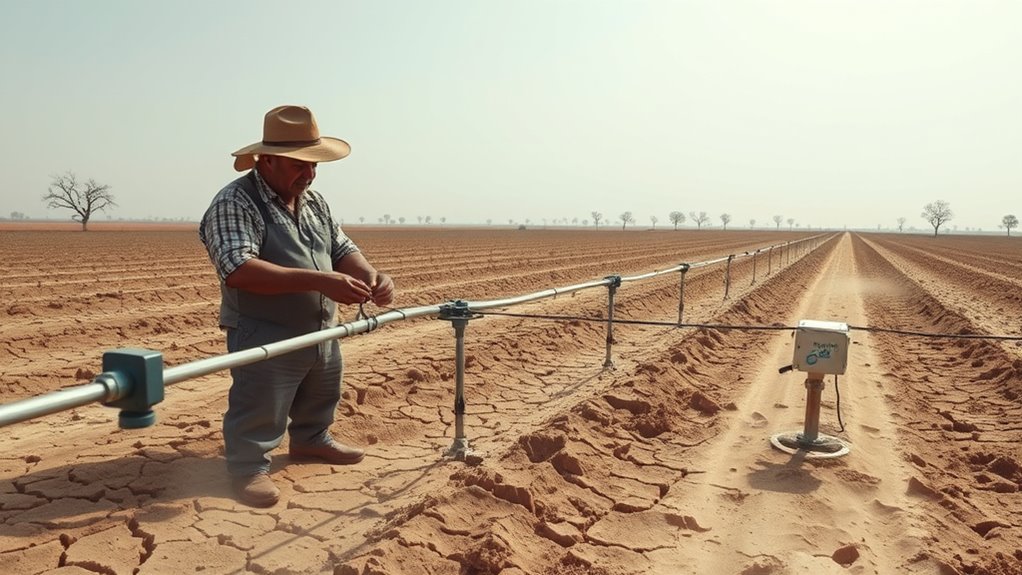
To build drought resilience, farmers are increasingly altering their practices by adopting drought-resistant crops and implementing precision irrigation techniques. This shift helps conserve water and maintain productivity during dry periods. Here are four key strategies making a difference:
- Switching to drought-tolerant crop varieties that require less water.
- Using drip and micro-sprinkler systems to target water directly to roots.
- Implementing soil moisture sensors to optimize irrigation timing.
- Crop rotation and cover cropping to improve soil health and reduce water needs.
These practices reduce water consumption, lower costs, and improve crop resilience against drought conditions. Additionally, understanding the nutritional benefits of water-saving crops can encourage wider adoption of drought-resilient varieties. By adopting such approaches, farmers can better withstand ongoing drought challenges and contribute to sustainable water management.
Community Engagement and Public Awareness in Water Conservation
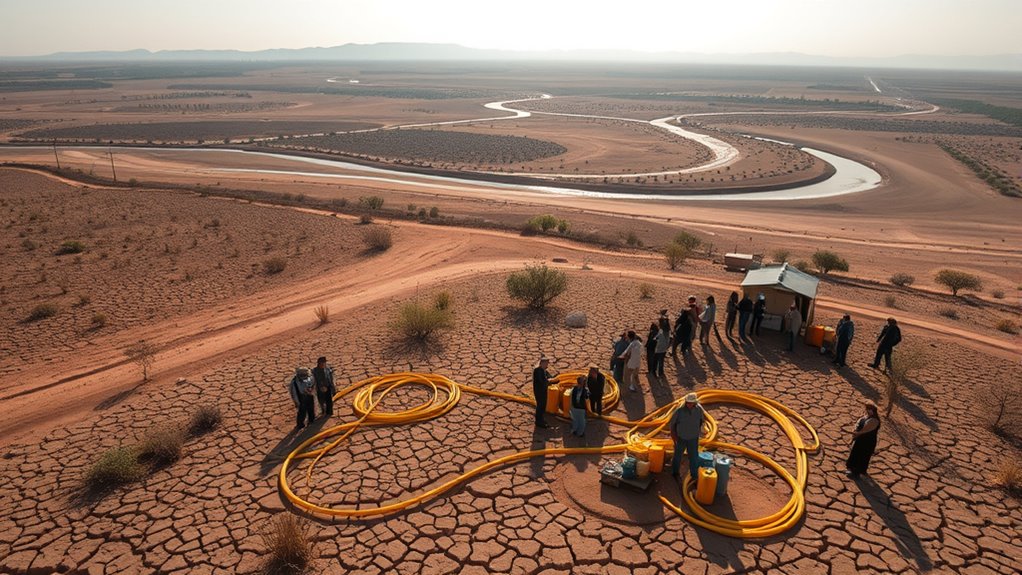
Community engagement and public awareness play a crucial role in water conservation efforts, especially during ongoing drought conditions. When you stay informed, you can make smarter choices about water use in your daily life. Participating in local campaigns, such as water-saving challenges or community meetings, helps spread awareness and encourages collective action. Schools and organizations can educate members about the importance of reducing water waste, fostering a culture of conservation. Your individual efforts, like fixing leaks or installing water-efficient fixtures, add up and influence others. Public awareness campaigns, social media, and local outreach bring attention to the urgency of drought and conservation needs. By staying engaged, you help build resilient communities that prioritize sustainable water use during times of scarcity.
Frequently Asked Questions
How Are Drought Conditions Projected to Change in the Next Decade?
You can expect drought conditions to worsen in the next decade, especially in the Western U.S., due to ongoing climate change and low runoff levels. Increased temperatures will likely lead to more frequent and intense droughts, putting pressure on water supplies. You’ll need to adopt new conservation practices, such as efficient irrigation and water recycling, as states and communities prepare for a future where water scarcity becomes more common and severe.
What Are the Long-Term Ecological Impacts of Ongoing Droughts?
Imagine your landscape slowly fading, like a once vibrant painting washed in gray. Ongoing droughts cause long-term ecological damage, shrinking habitats, and reducing biodiversity. You’ll see weakened plant life, stressed wildlife, and disrupted food chains. Over time, soil degradation and desertification set in, making ecosystems fragile and less resilient. This silent transformation threatens not just nature’s beauty but your future, as the balance of life shifts under relentless drought’s relentless grip.
How Do Water Rights Laws Affect Drought Mitigation Efforts?
Water rights laws can substantially influence drought mitigation efforts because they determine who has legal access to water resources during shortages. If you hold senior water rights, you may prioritize your usage, leaving junior rights holders with less water. This legal framework can hinder equitable distribution and limit conservation measures. To improve drought resilience, you might advocate for reforms that promote flexibility, equitable sharing, and efficient water use across sectors.
What Role Does Climate Change Play in Intensifying U.S. Droughts?
Imagine parched earth cracking beneath your feet, as climate change heats the atmosphere, intensifying droughts across the U.S. You see the skies stubbornly refusing to rain, rivers drying up, and reservoirs shrinking. This relentless warming amplifies evaporation and reduces snowpack, making droughts longer and more severe. Climate change fuels these dry spells, forcing you to adapt with new water-saving measures and rethink how you manage scarce resources amid increasing environmental stress.
How Are Drought Conditions Impacting Urban Infrastructure and Development?
Drought conditions strain urban infrastructure by reducing water supplies, leading to restrictions and increased demand on treatment facilities. You might notice water shortages, higher costs, and more frequent maintenance issues. Cities respond with conservation measures, upgrading pipelines, and investing in alternative sources like recycling or desalination. These efforts aim to guarantee reliable water access, but ongoing droughts challenge infrastructure resilience and urban growth plans, demanding innovative solutions and proactive planning.
Conclusion
As you witness the relentless march of drought across the U.S., remember your power to make a difference. Every drop saved is a victory against this water crisis, turning despair into hope. Together, your choices—like fixing leaks or conserving water—can ignite a ripple effect stronger than a flood. Don’t underestimate your ability to combat this crisis—because if we don’t act now, we risk losing our precious water forever.