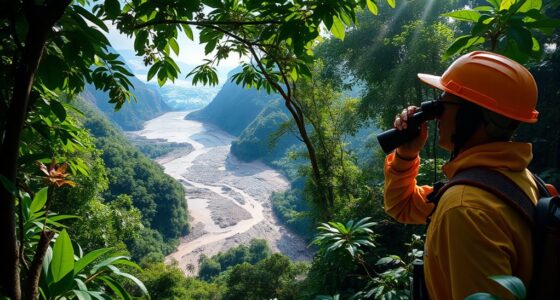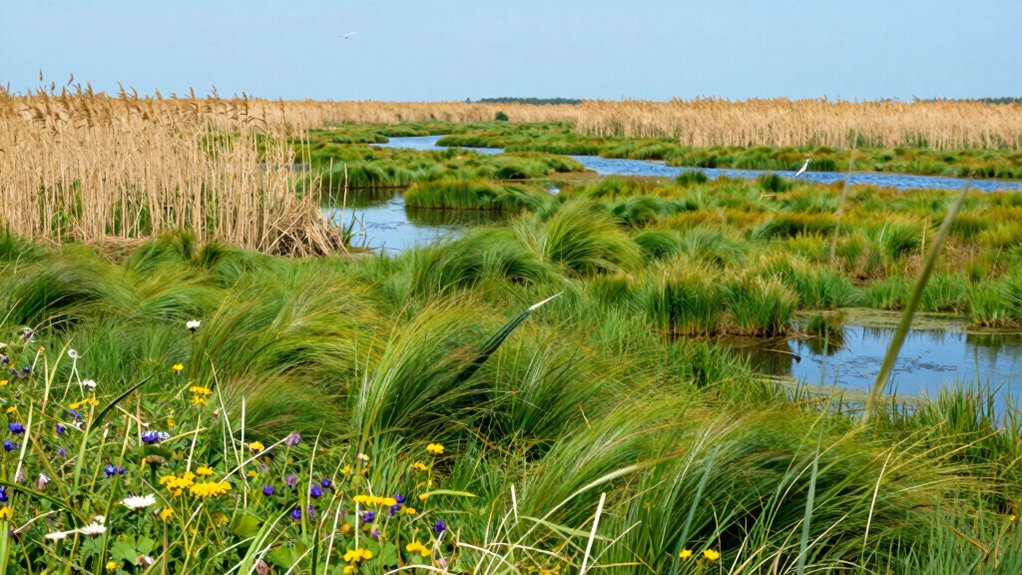

Wetland restoration is booming across the U.S. because more people realize how essential these ecosystems are for biodiversity, climate resilience, and water quality. Increased funding from government and private groups supports larger, innovative projects that restore water filtration and flood control. These efforts also boost local economies through recreation and tourism. By focusing on biodiversity, projects become more sustainable and resilient to environmental changes. If you want to discover what’s driving this growth even further, keep exploring the key factors behind this movement.

Prime made for students and young adults
- Fast, free delivery for dorm and study essentials
- Prime Video and Amazon Music included
- Member-only deals
Key Takeaways
- Increased funding from government and private sectors accelerates large-scale wetland restoration projects nationwide.
- Emphasis on biodiversity restoration enhances ecosystem resilience and long-term sustainability.
- Restoring wetlands improves flood control, water filtration, and groundwater recharge for communities.
- Economic benefits from tourism, recreation, and fishing motivate expanded restoration efforts.
- Collaborative efforts among scientists, policymakers, and communities boost project effectiveness and scope.

Have you ever wondered how restoring wetlands can benefit the environment and local communities? Wetland restoration has become a major focus across the U.S. because these ecosystems are essential for supporting wetland biodiversity. By bringing back wetlands, you help create habitats for countless species—birds, fish, amphibians, and plants—that rely on these areas. Restoring wetlands boosts biodiversity, which makes ecosystems more resilient and better able to withstand environmental stresses like climate change. It’s not just about saving plants and animals; it’s also about maintaining a balanced environment that benefits everyone.
The surge in wetland restoration efforts is fueled by increased restoration funding from government agencies, private organizations, and local communities. These funds are indispensable because wetland restoration can be costly, requiring careful planning, specialized equipment, and ongoing maintenance. With more resources available, projects can progress faster, reach larger areas, and incorporate innovative techniques. This influx of funding encourages landowners and communities to participate in restoration projects, knowing they have financial support to help cover costs. It also promotes collaboration among scientists, policymakers, and conservation groups, making projects more effective and sustainable over the long term.
Restoring wetlands isn’t just about planting new vegetation or removing invasive species; it’s about re-establishing the natural functions these ecosystems once provided. When wetlands are healthy, they filter pollutants from water, control flooding, and recharge groundwater supplies. These benefits directly impact local communities by reducing flood risks and improving water quality for drinking and recreation. As wetlands regain their natural functions, local economies often see a boost through increased tourism, fishing, and recreational activities. This creates a positive cycle where environmental health and economic well-being go hand in hand. Additionally, securing funding for wetland projects plays a crucial role in ensuring that restoration efforts can be sustained and expanded over time.
You’ll notice that the focus on wetland biodiversity plays a significant role in guiding restoration projects. Restoring diverse habitats ensures that ecosystems are more resilient to changes and can support a wide array of species. This diversity helps prevent ecological collapse if one species declines, making the entire system more stable. With ample restoration funding, projects are increasingly designed to promote this biodiversity, ensuring that wetlands can thrive for generations to come. Overall, the combination of ecological importance and financial support is driving a powerful movement toward restoring wetlands across the U.S., benefiting both nature and communities alike.
As an affiliate, we earn on qualifying purchases.
Frequently Asked Questions
How Do Wetland Restoration Projects Vary by Region?
You’ll notice that wetland restoration projects differ by region based on climate and native species. In the South, projects focus on restoring swamps with warm, humid conditions, while in the North, efforts target bogs and marshes suited to cooler climates. Native species influence plant choices, ensuring ecosystems thrive naturally. These regional differences help maximize success, promoting biodiversity and resilience tailored to each area’s unique environmental conditions.
What Funding Sources Support Wetland Restoration Efforts?
Funding for wetland restoration flows from various sources, fueling your efforts to turn the tide. You can tap into federal programs that prioritize environmental innovation, such as the USDA and EPA grants, which support funding innovation. State and local governments also offer incentives through policies designed to promote conservation. Additionally, private foundations and NGOs contribute grants, making it easier to harness resources and breathe new life into degraded wetlands.
How Do Restored Wetlands Impact Local Economies?
Restored wetlands boost your local economy by creating jobs in construction, maintenance, and tourism. They also provide ecological benefits like improved water quality and flood control, which protect communities. Plus, wetlands enhance biodiversity, attracting birdwatchers and nature enthusiasts. This increased activity stimulates local businesses and boosts property values. Overall, wetland restoration supports economic growth while safeguarding essential ecological benefits and promoting biodiversity enhancement.
What Are the Main Challenges in Wetland Restoration?
You face challenges like climate adaptation, which requires restoring wetlands to withstand changing temperatures and weather patterns. Invasive species also threaten native plants and animals, complicating restoration efforts. You must carefully manage water levels and control invasive species to guarantee successful recovery. Balancing ecological needs with human activities adds complexity, but with proper planning, you can overcome these hurdles and help wetlands thrive for future generations.
How Can Individuals Contribute to Wetland Conservation?
You can contribute to wetland conservation by participating in community involvement efforts like local clean-ups or volunteering for wetland restoration projects. Attend educational programs to learn more about wetlands’ importance and how to protect them. Sharing this knowledge with others helps raise awareness and encourages collective action. Your active involvement fosters a stronger community committed to preserving wetlands for future generations.
Conclusion
As you witness wetlands reborn, it’s like watching a phoenix rise from ashes, vibrant and full of promise. Restoration efforts breathe life into these essential ecosystems, transforming barren lands into lush, thriving habitats. This surge isn’t just about plants and animals—it’s about safeguarding our future, anchoring us to nature’s resilience. Embrace this movement, for in restoring wetlands, you’re painting a brighter, wetter canvas for generations to come.
Fall Picks
fall essentials
As an affiliate, we earn on qualifying purchases.