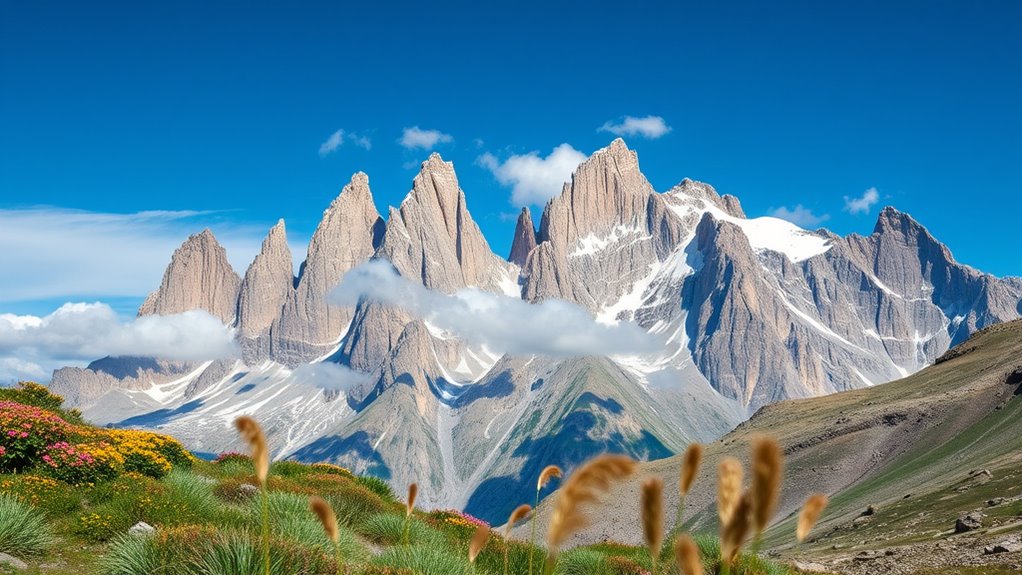

The Rocky Mountains’ alpine ecosystems are incredibly fragile and shaped by harsh climate and geological forces. You’ll see dwarfed plants with special adaptations that survive cold, wind, and short growing seasons. These environments host unique biodiversity, but human activities and climate change threaten their stability. If you’re curious about how these delicate high-altitude landscapes thrive—and what’s being done to protect them—you’ll find compelling insights as you continue.
Key Takeaways
- The Rocky Mountains’ alpine ecosystems are characterized by harsh climates, including cold temperatures, strong winds, and short growing seasons.
- Specialized plant adaptations, like cushion forms and deep roots, enable survival amid extreme weather and rocky terrains.
- Biodiversity includes endemic cushion plants, lichens, and mosses, which thrive in microclimates created by terrain features.
- Human activities and climate change threaten these fragile ecosystems through habitat disturbance, erosion, and shifting treelines.
- Conservation efforts focus on protecting native species, restoring vegetation, and monitoring climate impacts to preserve ecosystem resilience.

Hiking Rocky Mountain National Park: The Pocket Guide
As an affiliate, we earn on qualifying purchases.
As an affiliate, we earn on qualifying purchases.
Understanding the Alpine Tundra Environment
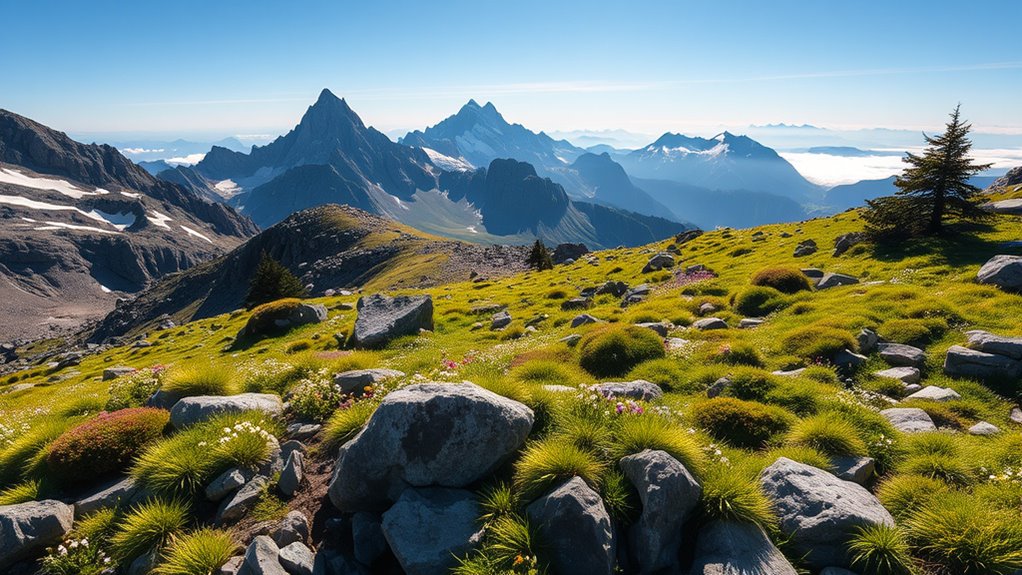
Understanding the alpine tundra environment involves recognizing its unique climate and ecological features. You’re in a treeless, cold, and relatively dry landscape, usually starting at elevations between 11,000 and 11,500 feet. The climate is harsh, caused by adiabatic cooling that prevents trees from thriving. You’ll notice the treeline marking the changeover from forested subalpine zones to open tundra. Summers are short, with temperatures around 50°F, and winters drop below freezing. Winds blow consistently, shaping the environment. Precipitation is low, mostly falling as snow, especially in Colorado. Plants adapt by growing close to the ground, forming cushion or rosette shapes, with many being perennials. The soil, often rocky and less developed, supports a mosaic of specialized species uniquely suited to survive these extreme conditions. Additionally, the ecological adaptations of plants and animals here are crucial for their survival in such a challenging environment.
Climate Challenges and Growing Season Limitations

The harsh climate of the alpine tundra presents significant challenges to plant growth and survival. Cold temperatures, strong winds, and short summers limit the growing season to just a few weeks. You’ll find that plants must adapt quickly to thrive. The table below highlights key climate factors:
| Factor | Impact |
|---|---|
| Short growing season | Limits plant growth and reproductive cycles |
| Low temperatures | Slows metabolic processes, stresses plants |
| Wind exposure | Causes water loss and physical damage |
These conditions force plants to develop unique survival strategies, like slow growth and water conservation. As a result, only specially adapted species can persist, making the alpine ecosystem highly sensitive to climate shifts and environmental stressors. Additionally, organic and natural juices production in such environments may be limited due to the brief growing periods and harsh conditions. The fragile nature of these ecosystems underscores the importance of understanding and protecting their delicate balance. Recognizing the importance of climate resilience is essential for conservation efforts in these delicate habitats. Moreover, the adaptation strategies employed by alpine plants demonstrate the remarkable ability of life to evolve under stress and survive in extreme environments.
Unique Plant Life and Survival Strategies

You’ll notice that many alpine plants are dwarfed perennials, with some only a few inches tall but full blooms. These plants have developed specialized roots and rhizomes to survive the cold, windy environment and short growing season. Their unique adaptations help them store nutrients and water, ensuring survival through harsh conditions. Additionally, their adaptations for survival include mechanisms to withstand freezing temperatures and intense sunlight. The use of protective coatings on plant surfaces further enhances their resilience against UV radiation and dehydration in such extreme environments. These survival strategies are vital for thriving amid the unpredictable alpine climate, especially given the harsh environmental conditions they face. Incorporating environmental resilience techniques allows these plants to endure the severe and fluctuating mountain weather.
Dwarf and Perennial Plants
Have you ever wondered how plants survive in the harsh alpine tundra? You’ll find that dwarf and perennial plants dominate this environment, thanks to their specialized adaptations. Dwarfed in size, these plants stay close to the ground, minimizing wind exposure and conserving heat. Many develop cushion or rosette forms, creating microclimates that protect against cold and wind. Perennials store nutrients in thick roots and rhizomes, allowing them to survive multiple seasons and regrow after harsh winters. Their full-sized blossoms appear briefly during the short summer, taking advantage of the limited growing window. These plants often grow in rocky crevices or sheltered slopes, where soil is thin and conditions are extreme. Their resilience and unique structures are crucial for maintaining biodiversity in this fragile ecosystem. Adaptations such as specialized leaf structures and root systems enable their survival in such challenging conditions. Additionally, the microclimates generated by their growth forms help buffer against temperature fluctuations and wind stress.
Adaptations to Harsh Climate
Plants in the alpine tundra have evolved remarkable adaptations to survive the relentless cold, wind, and limited resources. You’ll notice their small, hardy structures designed for resilience. Color accuracy in their pigmentation helps protect against UV radiation and harsh sunlight.
- Many are perennials, with full-sized blossoms that bloom briefly during the short summer, conserving energy for winter survival.
- Cushion plants and rosette formations trap heat and protect delicate tissues from wind and cold.
- Roots and rhizomes store carbohydrates and absorb water efficiently, helping plants endure long winters and scarce nutrients.
These strategies allow them to thrive despite extreme conditions. Their growth patterns, structural adaptations, and resource storage help ensure survival in a landscape where temperature swings and wind chill are constant threats.
Specialized Root Systems
In the rugged terrain of the alpine tundra, plants rely on specialized root systems to survive the extreme conditions. You’ll notice many have shallow, fibrous roots that spread wide, allowing quick water absorption during short summer rains. Others develop deep taproots to access moisture stored in underground layers, especially during dry periods. Cushion plants and mosses often have dense, intertwined roots that anchor them in rocky soils, preventing erosion. Rhizomes and stolons enable plants to quickly spread across rocky surfaces, forming resilient mats. These root adaptations help plants store carbohydrates through tough winters and rapidly regenerate during brief summers. By optimizing water and nutrient uptake, your alpine flora withstands fierce winds, cold temperatures, and nutrient-poor soils, ensuring survival in this fragile ecosystem.
Geological Features and Soil Dynamics

Did you know that the rugged geology of the Rocky Mountains directly influences the soil dynamics and landscape features found at high elevations? The region’s constantly shifting terrain shapes your environment in several ways:
- Rocky Habitats: Steep cliffs and boulder fields break down over time, creating a mosaic of habitats that support diverse plant life.
- Soil Composition: Soils are often less developed, mainly formed from igneous and metamorphic rocks, making them thin and nutrient-poor.
- Permafrost and Soil Movement: Patchy permafrost affects water retention and soil stability, leading to ongoing erosion and landscape change. Additionally, soil erosion plays a significant role in continuously reshaping the terrain.
- Fuel Injection Cleaning: The geological activity can also influence the types of soils and terrain, which in turn impact local ecosystems and their soil dynamics.
These geological features define the alpine landscape’s fragile, ever-evolving character.
The Rich Biodiversity of High Elevation Ecosystems
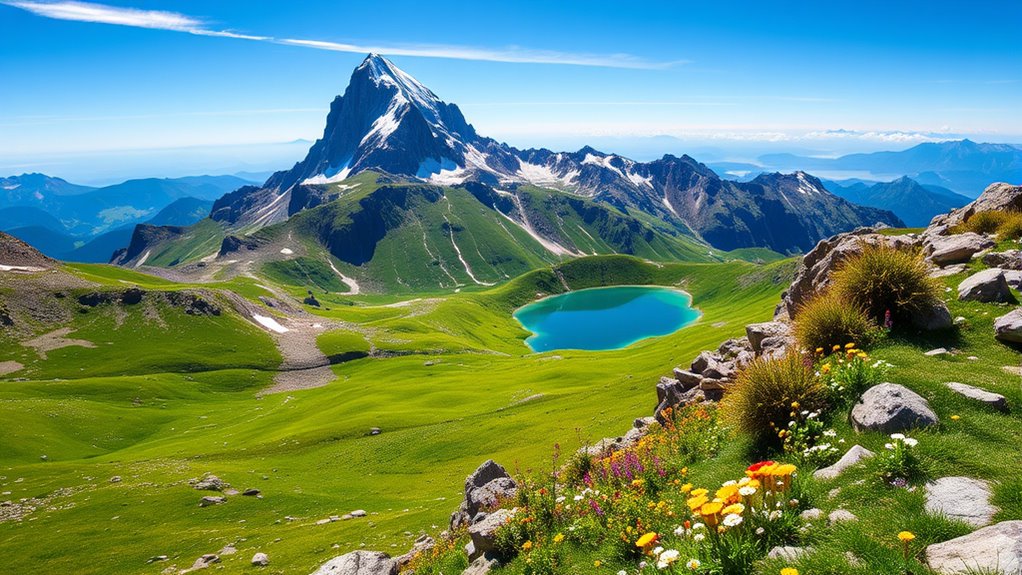
Have you ever wondered what makes high elevation ecosystems in the Rocky Mountains so vibrant and unique? It’s the incredible biodiversity packed into these harsh environments. You’ll find a mosaic of plant species, like cushion plants and dwarf shrubs, adapted to survive cold, wind, and poor soils. Many are endemic, meaning they’re found only here, contributing to high regional diversity. Tiny alpine flowers bloom briefly during the short summer, while lichens and mosses cling to rocks year-round. You might also encounter animals like pocket gophers creating tunnels that help build soil. This mix of specialized flora and fauna creates a delicate balance, supporting life in one of Earth’s most extreme, yet biologically rich, habitats. Despite tough conditions, these ecosystems thrive with remarkable resilience. Plant adaptations, such as deep root systems and specialized leaf structures, are key to survival in these environments. Additionally, biodiversity conservation efforts are crucial for maintaining these fragile ecosystems for future generations.
Human Impacts and Conservation Efforts
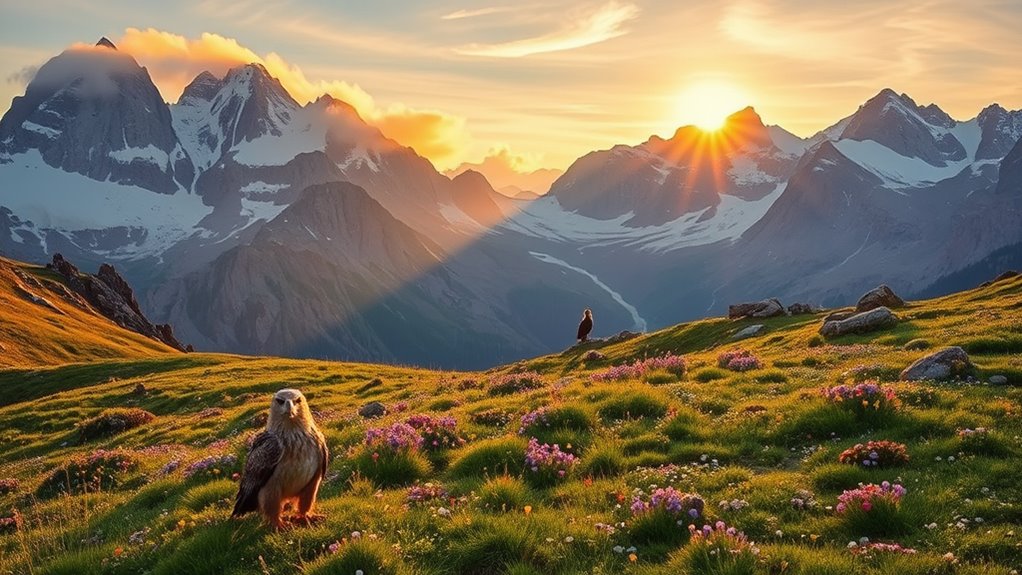
Human activities increasingly threaten the fragile ecosystems of the Rocky Mountain alpine tundra, where even small disturbances can cause lasting damage. Your actions, from hiking off-trail to development projects, can disrupt plant roots, soil stability, and wildlife habitats. To protect this delicate environment, efforts include: 1. Implementing strict trail regulations to minimize foot traffic damage. 2. Monitoring air quality and reducing pollutant emissions that impact plant health. 3. Supporting conservation programs that restore native vegetation and limit invasive species. Recognizing the importance of ecosystem health for ecosystem health, ongoing research aims to better understand these ecosystems and develop effective preservation strategies. Additionally, understanding soil stability is crucial for maintaining the integrity of the alpine landscape and preventing erosion. Protecting native vegetation helps sustain the biodiversity that is vital for ecosystem resilience. For instance, soil composition plays a significant role in how well the soil can recover after disturbances, emphasizing the need for careful management practices.
The Future of Rocky Mountain Alpine Ecosystems

As climate change accelerates, the future of Rocky Mountain alpine ecosystems becomes increasingly uncertain. Rising temperatures will likely shorten snow cover duration, disrupt plant cycles, and shift treelines higher, reducing available habitat for specialized flora and fauna. Warmer conditions may allow invasive species to encroach, outcompeting native plants adapted to cold, windy environments. Permafrost thawing could destabilize soils, leading to erosion and altering landscape features. Changes in water availability and increased evaporation threaten plant survival, impacting entire food webs. Additionally, pollutants from distant sources can exacerbate stress on these fragile ecosystems. Understanding permafrost dynamics is crucial for predicting landscape stability and ecosystem resilience in these regions. While conservation efforts can mitigate some impacts, the rapid pace of climate change makes long-term preservation uncertain. Implementing targeted conservation strategies is essential to protect these ecosystems from rapid deterioration. Your awareness and actions are vital to protecting these unique, high-altitude environments for future generations. Biodiversity hotspots are particularly vulnerable to these changes, emphasizing the need for targeted conservation strategies.
Frequently Asked Questions
How Do Alpine Plants Adapt to Extreme Cold and Wind Conditions?
You see, alpine plants adapt to extreme cold and wind by developing dwarf, cushion, or rosette forms that resist harsh conditions. They grow close to the ground, protecting themselves from wind and cold. Their roots store carbohydrates for winter survival, and many have waxy coatings or hairy surfaces to reduce water loss. These adaptations help them survive the short, challenging growing season in the rocky mountain environment.
What Role Do Cryptogams Play in Soil Stabilization?
Cryptogams play a vital role in soil stabilization by forming a dense, protective mat over rocky and bare soils. Their rhizoids anchor them securely, preventing erosion caused by wind and water. You’ll find lichens and mosses thriving in these harsh environments, helping to trap soil particles and organic matter. This activity promotes soil development, supports plant growth, and maintains ecosystem stability in the fragile alpine tundra.
How Does Permafrost Influence Plant Root Systems in Alpine Zones?
You see the icy, frozen layer beneath your feet—permafrost—that shapes how plants grow in alpine zones. Its presence makes roots struggle to penetrate deeply, forcing them to adapt by spreading horizontally or staying shallow. This frozen ground creates a fragile balance, where any thawing due to rising temperatures can cause roots to shift, risking plant survival. It’s a delicate system, teetering on the edge of change.
What Specific Species Are Endemic to the Rocky Mountain Alpine Tundra?
You’ll find species like the Rocky Mountain dwarf cinquefoil, alpine forget-me-not, and the American bistort are endemic to the Rocky Mountain alpine tundra. These plants have adapted to survive harsh conditions with small, cushion-like forms, deep root systems, and seasonal growth strategies. Their unique traits help them endure extreme cold, wind, and short growing seasons, making them essential components of this fragile ecosystem.
How Do Native Peoples Historically Utilize Alpine Plant Resources?
Imagine walking through a sea of tiny, resilient plants shimmering in the mountain breeze. Native peoples have long harnessed these alpine treasures, using herbs for medicine, teas, and spiritual rituals. They carefully gather cushion plants and sedges, weaving them into practical tools or ceremonial items. Every harvest respects the delicate balance, ensuring these hardy flora continue to thrive in their rugged, windswept habitat, sustaining both culture and ecosystem for generations.
Conclusion
As you explore these fragile alpine ecosystems, remember they rely on delicate balance and resilience. Protecting this high-altitude environment isn’t just about preserving stunning landscapes, but safeguarding unique life forms and ecological processes. Can we afford to ignore the growing threats and let these peaks lose their pristine beauty? Every action counts in ensuring these peaks of life continue to inspire and sustain future generations. Will you be part of the solution?