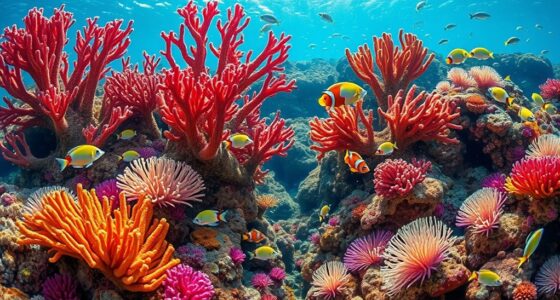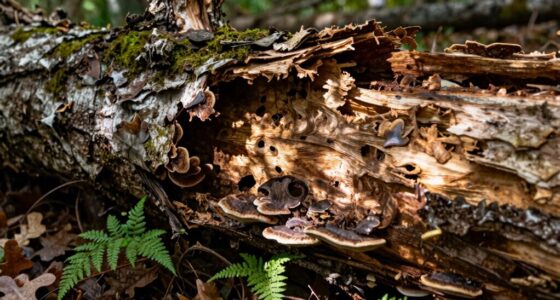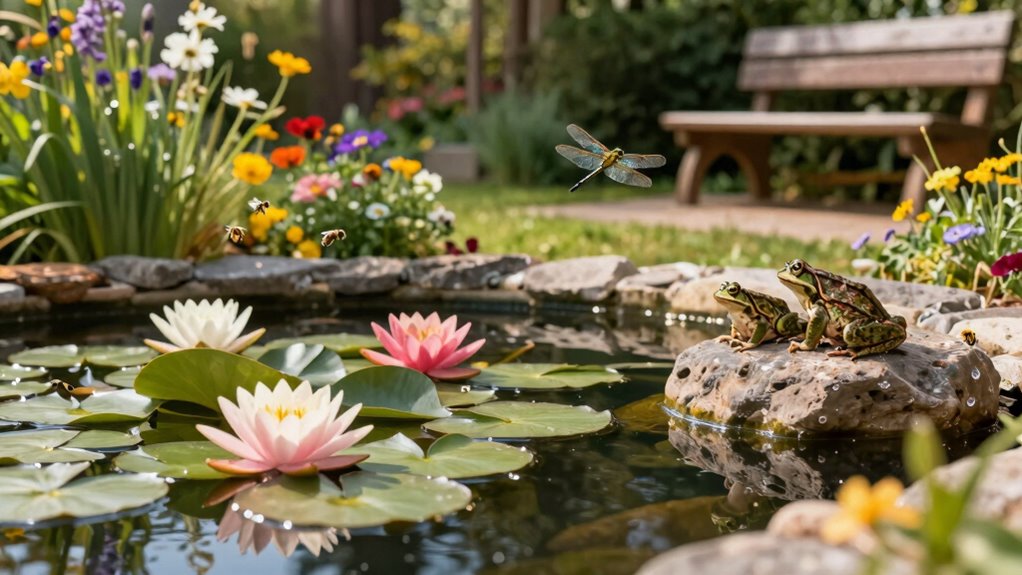

Backyard ponds boost urban biodiversity by creating essential habitats for local wildlife like frogs, dragonflies, and birds. They attract diverse species and contribute to a balanced ecosystem, supporting everything from plants to beneficial insects. With less maintenance required, native species flourish and enhance resilience. Plus, these ponds filter pollutants and stabilize soil, improving overall environmental health. If you explore further, you’ll discover even more ways backyard ponds can positively impact your surroundings.

Prime made for students and young adults
- Fast, free delivery for dorm and study essentials
- Prime Video and Amazon Music included
- Member-only deals
Key Takeaways
- Backyard ponds provide vital habitats for diverse wildlife, enhancing species richness in urban environments.
- Native plants around ponds attract beneficial insects and wildlife, supporting local ecosystems.
- Ponds filter pollutants, improving water quality and promoting healthier urban ecosystems.
- Incorporating sustainable practices in pond design fosters resilience and ecological balance in urban areas.
- Backyard ponds create community spaces that encourage interaction with nature, promoting urban biodiversity awareness.

When you think of enhancing urban biodiversity, creating a backyard pond might not be your first idea, but it can make a significant impact. A pond can serve as an essential wildlife habitat, attracting various species that thrive in aquatic environments. By providing a water source, you invite frogs, dragonflies, and numerous birds, all of which contribute to a thriving ecosystem. Each of these species plays a critical role in maintaining the balance of your local environment.
Establishing a pond isn’t just about attracting wildlife; it’s also a fantastic way to practice water conservation. Ponds can capture rainwater, reducing runoff and minimizing water waste. This captured water can support the plants and animals that call your backyard home. When you integrate native species into your pond design, you further enhance its benefits. Native plants require less maintenance and are better adapted to local conditions, making them more resilient and beneficial to your ecosystem.
Establishing a pond promotes water conservation by capturing rainwater and supporting resilient native species in your backyard ecosystem.
The ecosystem services a backyard pond can provide are priceless. Not only do ponds help filter pollutants from water, but they also support biodiversity by offering a home for many organisms. The plants around the pond can help stabilize the soil, preventing erosion and promoting a healthier environment. As you create this small aquatic haven, you’re also contributing to cleaner air and improved water quality in your neighborhood. Incorporating recycled materials in gardening can also help reduce your environmental footprint while designing your pond. Recognizing the importance of indoor air quality can inspire you to choose environmentally friendly materials that support healthier living spaces. Additionally, understanding the importance of water quality management can help you maintain a healthy and sustainable pond environment.
To make the most of your pond, consider planting a variety of native species. These plants not only look beautiful but also provide essential cover and food for wildlife. By fostering a diverse range of plants, you create a more inviting atmosphere for beneficial insects and other creatures. This diversity can lead to a more resilient ecosystem, capable of withstanding environmental changes. Incorporating sustainable landscaping practices can further enhance your pond’s ecological benefits and reduce your overall environmental impact. Recognizing the importance of water quality management can help you maintain a healthy and sustainable pond environment.
As you nurture your backyard pond, remember that you’re not just creating a beautiful focal point; you’re actively participating in a larger movement toward urban biodiversity. Your efforts to provide a wildlife habitat contribute to the overall health of your local ecosystem. You’ll find that your small investment of time and resources can have a ripple effect, enhancing not just your backyard, but the entire community’s interaction with nature. So, grab your gardening tools and start planning; your backyard pond could be the key to a richer, more vibrant urban ecosystem.
As an affiliate, we earn on qualifying purchases.
Frequently Asked Questions
How Do I Maintain Water Quality in My Backyard Pond?
To maintain water quality in your backyard pond, regularly test the water using a reliable testing kit. Keep an eye on pH, ammonia, nitrite, and nitrate levels. Incorporate a good filtration system to guarantee efficient circulation and removal of debris. You should also perform partial water changes to reduce pollutants. Adding aquatic plants can naturally filter the water while providing habitat for wildlife. Regular maintenance helps keep your pond healthy and vibrant!
What Plants Are Best for Urban Pond Ecosystems?
For your urban pond, consider native aquatic plants like water lilies for beauty and shade. Incorporate oxygenating plants, such as hornwort or elodea, to maintain water quality. Don’t forget pollinator plants around the edges; they attract beneficial insects, enhancing habitat diversity. This mix not only supports wildlife but also creates a balanced ecosystem. With the right plant selection, you’ll guarantee your pond thrives and contributes positively to urban biodiversity.
Can I Add Fish to My Backyard Pond?
Yes, you can add fish to your backyard pond! Choose fish species that thrive in your pond’s conditions, like goldfish or minnows. Make certain the pond depth is at least 2 feet to help fish survive winter and provide shelter. It’s also essential to monitor water quality and provide plants for hiding spots. With the right care, your pond can become a vibrant ecosystem teeming with life!
How Do I Attract More Wildlife to My Pond?
To attract more wildlife to your pond, focus on pond landscaping that creates diverse habitats. Plant native aquatic vegetation around the edges to provide shelter and food. Incorporate rocks and logs to give critters places to hide and bask. Adding shallow areas lets frogs and insects thrive. You can also install a small fountain or waterfall for added appeal. These steps will enhance your pond’s ecosystem and invite more wildlife.
What Are Common Pests Associated With Backyard Ponds?
Backyard ponds can attract pests like mosquitoes and algae, but you can manage them effectively. Did you know a single female mosquito can lay over 300 eggs at once? To control these pests, consider introducing beneficial insects like dragonflies that prey on mosquito larvae. Keeping your pond clean and ensuring proper circulation also helps prevent stagnant water, which is a breeding ground for mosquitoes. Enjoy your pond while keeping pests in check!
Conclusion
Incorporating a backyard pond isn’t just a splash of beauty; it’s a lifeline for urban biodiversity. By creating this small oasis, you’re inviting a symphony of life into your space—frogs croaking, birds chirping, and insects buzzing. Each ripple in the water fosters a vibrant ecosystem, enriching not just your backyard, but the entire urban landscape. So, immerse yourself and enjoy the wonders of nature right at your doorstep; your little pond can make a big difference!
Fall Picks
fall essentials
As an affiliate, we earn on qualifying purchases.