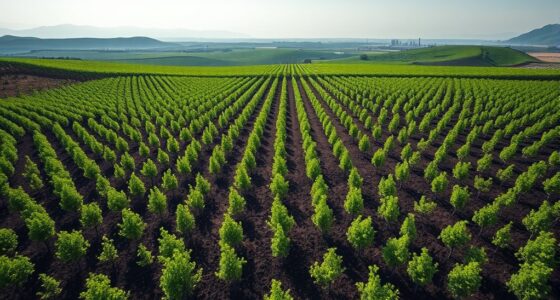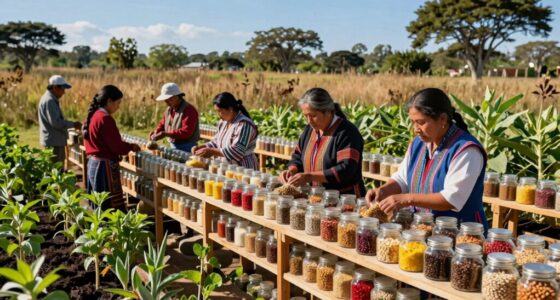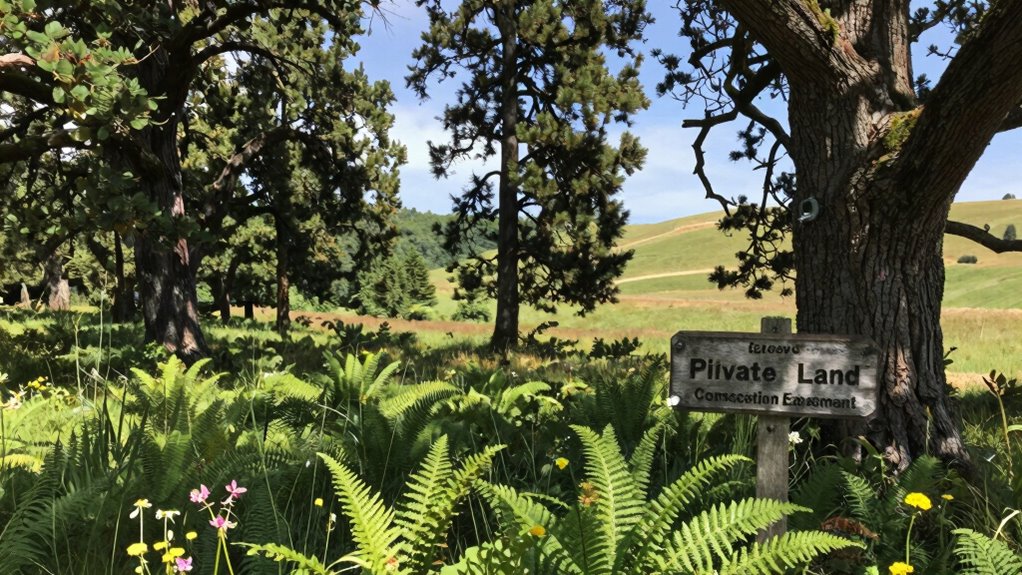

Conservation easements quietly protect U.S. land by legally limiting certain land uses while allowing you to keep ownership. They preserve natural habitats, wildlife corridors, and farmland without restricting your ability to manage the property. These agreements are recorded to guarantee restrictions last through ownership changes, and they’re overseen by trusted organizations to prevent misuse. If you want to learn how these agreements benefit landowners and the environment, there’s more to discover below.

Prime made for students and young adults
- Fast, free delivery for dorm and study essentials
- Prime Video and Amazon Music included
- Member-only deals
Key Takeaways
- Conservation easements legally restrict land use to preserve ecological and scenic values without requiring land transfer.
- They are recorded with property deeds, ensuring lasting protections despite ownership changes.
- Easements enable ongoing land use like farming or recreation, balancing conservation with landowner rights.
- Oversight by organizations ensures compliance, preventing development that could harm protected land.
- Tax benefits and incentives motivate landowners to participate in conservation efforts quietly.
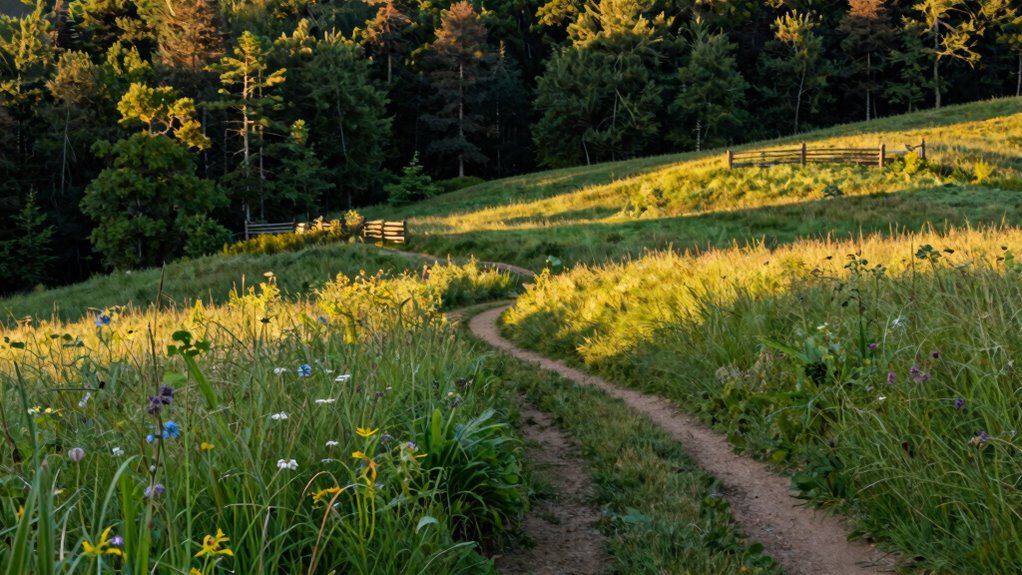
Conservation easements are a powerful tool for protecting land across the United States. As a landowner, you might wonder how these agreements work and what benefits they offer. Fundamentally, a conservation easement is a legal agreement where you voluntarily restrict certain types of development or land use on your property, while still maintaining ownership. This arrangement guarantees your land remains preserved for ecological, scenic, or agricultural purposes, even as it remains in your possession.
One key reason many landowners choose to establish conservation easements is the array of landowner incentives available. These can include significant tax benefits, such as federal income tax deductions, estate tax reductions, and sometimes state-specific incentives. These financial advantages make conservation easements an attractive option for those looking to protect their land without having to give up ownership or use rights entirely. Additionally, many landowners feel a personal sense of satisfaction knowing they’re helping conserve natural habitats, wildlife corridors, or farmland for future generations.
Behind the scenes, legal frameworks play a vital role in making conservation easements effective and enforceable. They are established through detailed agreements, often reviewed and approved by legal experts, that specify exactly what rights are being preserved and what restrictions are in place. These legal documents are typically recorded with property deeds, ensuring the restrictions stay attached to the land even if ownership changes hands. This permanence provides certainty for both landowners and conservation organizations, guaranteeing the land’s protected status over the long term.
When you enter into a conservation easement, you retain ownership, but the agreement limits future development according to the terms set out in the legal framework. This means you can continue agricultural activities, enjoy your property, and even sell it, but certain uses—like subdividing land or building commercial structures—are restricted. These restrictions are designed to align with conservation goals, whether that’s maintaining open space, protecting water quality, or preserving native ecosystems.
The legal frameworks governing conservation easements are carefully crafted to balance landowner rights with conservation needs. They often involve oversight by land trusts, government agencies, or conservation organizations that monitor compliance and ensure the easement’s terms are upheld. This oversight helps prevent potential misuse or development that could threaten the land’s protected status. Moreover, public awareness about conservation easements continues to grow, encouraging more landowners to participate in land protection efforts.
In short, conservation easements provide a flexible, legally sound way to protect land across the U.S., offering incentives to landowners and creating a durable framework that safeguards natural resources for generations to come.
As an affiliate, we earn on qualifying purchases.
Frequently Asked Questions
How Do Conservation Easements Affect Property Taxes?
Conservation easements often lower your property taxes through tax benefits by reducing the property’s valuation. When you place a conservation easement on your land, it limits development, which can decrease its market value. This valuation impact means you pay lower property taxes because the land is appraised based on its preservation status. So, by donating or selling an easement, you not only protect land but also enjoy potential tax savings.
Can Landowners Sell or Transfer Conservation Easements?
Yes, you can sell or transfer conservation easements, but legal considerations are vital. When transferring, you must guarantee the easement’s terms are clear and binding for future owners. The easement valuation affects the transaction, as it determines tax benefits and fair compensation. Always work with legal and conservation experts to navigate the process properly, safeguarding your interests and preserving the land’s protected status for generations.
Are Conservation Easements Enforceable Long-Term?
You might think conservation easements aren’t enforceable long-term, but they are legally binding agreements designed for lasting protection. Easement duration is typically perpetual, ensuring the land remains conserved for generations. Their legal enforceability is solid, backed by laws that uphold these agreements over time. So, once you establish a conservation easement, it’s reliably enforceable, securing the land’s protected status far into the future.
What Types of Land Are Eligible for Easements?
You can place conservation easements on various land types, including farms, forests, wetlands, and open spaces. Land eligibility depends on easement types, which often focus on protecting natural habitats, agricultural productivity, or scenic views. If your land has ecological, agricultural, or cultural value, it’s likely eligible for an easement. These agreements help preserve land’s natural qualities while allowing for certain sustainable uses, ensuring long-term conservation.
How Do Easements Impact Future Land Development?
Conservation easements limit future land development, ensuring wildlife corridors and ecosystem preservation stay intact. You might think they restrict all growth, but instead, they strategically protect essential habitats while allowing responsible development nearby. This balance helps maintain biodiversity and healthy ecosystems, preventing unchecked urban sprawl. By doing so, easements create a sustainable environment where future generations can enjoy natural landscapes and wildlife thriving within protected corridors.
Conclusion
Conservation easements are like silent guardians, quietly ensuring that America’s treasured landscapes stay protected for generations to come. By choosing to support or establish these agreements, you become part of a movement that preserves nature’s beauty and biodiversity without fanfare. Remember, even the smallest act can help safeguard the land’s future—like planting a seed that grows into a mighty oak. Together, we can keep this essential shield around our land strong and enduring.
Fall Picks
fall essentials
As an affiliate, we earn on qualifying purchases.