Beavers are incredible engineers that reshape landscapes by building dams with materials like mud, sticks, and vegetation. Their structures create wetlands, which support diverse wildlife, improve water quality, and help manage floods. These ecosystems trap sediments and nutrients, supporting plant and animal life while providing critical habitat and climate resilience. If you explore further, you’ll uncover how their engineering impacts entire ecosystems and their essential role in environmental health.
Key Takeaways
- Beavers construct dams using mud, sticks, and vegetation to transform dry landscapes into thriving wetlands.
- Their dams trap sediments and nutrients, improving water quality and supporting diverse plant and animal communities.
- Beaver ponds slow water flow, regulate floodwaters, and enhance groundwater recharge, increasing ecosystem resilience.
- These engineered habitats provide shelter, breeding sites, and increased biodiversity, shaping entire ecosystems.
- Beavers’ activities influence climate regulation and ecosystem stability through habitat creation and water management.

Taming the Dragon: America's Most Dangerous Highway
As an affiliate, we earn on qualifying purchases.
As an affiliate, we earn on qualifying purchases.
The Art of Dam Building: Engineering for Ecosystem Stability
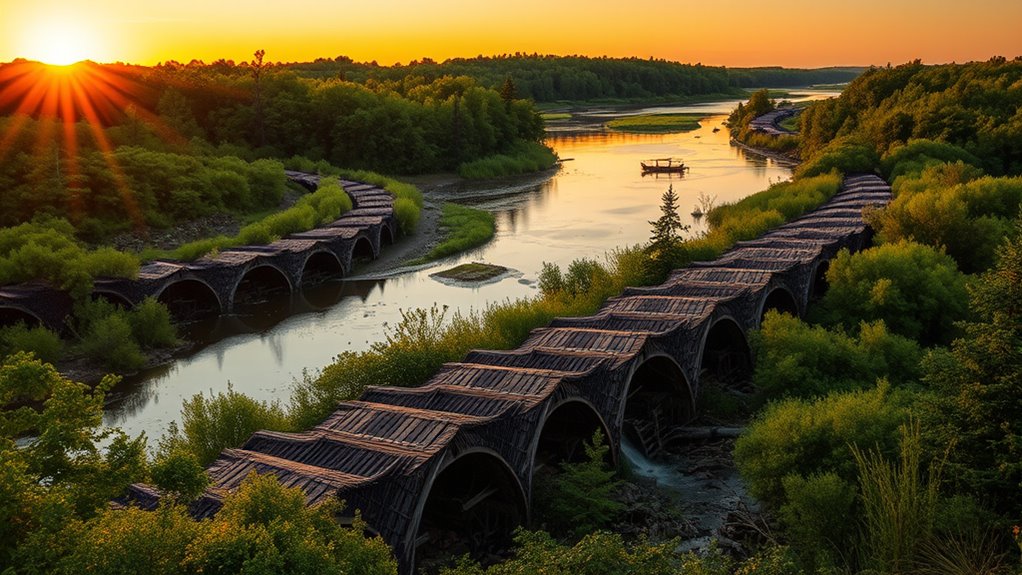
Beavers masterfully engineer their dams to create stable, functional ecosystems that benefit a wide range of species. You’ll notice they carefully select materials like mud, stones, and vegetation to build a sturdy base. Larger sticks are placed upstream, weighted down to hold everything in place, forming a barrier that slows water flow. Water level is the main trigger for dam construction; rising water signals beavers to start or reinforce their structures. Noises don’t influence their activity—only water levels matter. Each dam varies in size and complexity, depending on local conditions such as topography and available materials. Through this engineering, beavers regulate water flow, prevent erosion, and establish habitats that support diverse aquatic and terrestrial life. Their skillful work sustains ecosystems and promotes ecological health. Consecration in their work exemplifies a dedication to maintaining the balance and order of their environment, ensuring the ongoing health of the ecosystem they help create. The process of dam building also involves material selection, which is crucial for their success and the stability of the ecosystem. Additionally, their ability to adapt construction techniques based on environmental factors demonstrates an advanced understanding of ecosystem dynamics.

The Wildlife Pond Book: Create Your Own Pond Paradise for Wildlife (The Wildlife Trusts)
As an affiliate, we earn on qualifying purchases.
As an affiliate, we earn on qualifying purchases.
Sediment and Nutrient Cycling: Foundations of Healthy Watersheds

You can see how beaver dams trap sediments flowing from upstream, reducing erosion and improving water clarity. These ponds also retain nutrients, preventing excess runoff and fueling healthy aquatic ecosystems. By supporting sediment and nutrient cycling, beavers lay the groundwork for thriving watersheds. Additionally, their use of natural materials and careful engineering can help maintain the ecosystem balance, ensuring long-term environmental stability. Their activities also promote biodiversity by creating habitats for various species, which further stabilizes the ecosystem. The presence of beaver structures can also influence the surrounding terrestrial landscape by promoting plant growth and stabilizing banks through habitat creation.
Sediment Trapping Processes
Sediment trapping is a crucial process in maintaining healthy watersheds, as it helps prevent excessive sediment from reaching downstream ecosystems. Beavers build dams that slow water flow, causing sediments to settle out of the moving water. This process reduces erosion and prevents sediment from smothering aquatic habitats downstream. As water pools behind dams, its decreased velocity allows fine particles, such as silt and clay, to deposit, forming new sediments that enrich the pond bottom. Larger woody debris and plant material also trap sediments, further stabilizing the environment. This sediment retention supports nutrient cycling and creates a foundation for diverse plant and animal communities. Additionally, sediment trapping by beaver dams helps maintain water quality and reduces the need for costly human interventions. By trapping sediments, beavers help maintain clear water, improve habitat quality, and promote ecological resilience in watersheds. Furthermore, sediment trapping can enhance biodiversity by creating varied habitats that support different species. The presence of beaver dams can also influence vegetation growth along stream banks, fostering riparian plant diversity. Moreover, the sediment retention provided by beavers can serve as a natural buffer against pollutant runoff, further protecting water systems.
Nutrient Retention Benefits
Nutrient retention in beaver ponds plays a vital role in maintaining healthy watersheds by filtering and cycling essential elements like nitrogen and phosphorus. These ponds trap sediments carrying nutrients from upstream, preventing their excessive spread downstream. As water slows, nutrients settle, enriching the pond sediments and supporting aquatic plant growth. This process reduces runoff pollution, improves water quality, and sustains diverse ecosystems. Beavers’ activities create a natural nutrient cycle that benefits both aquatic and terrestrial habitats.
| Impact | Emotional Effect |
|---|---|
| Cleaner water | Feel the purity flowing through streams |
| Healthier fish populations | Imagine thriving aquatic life |
| Richer wetland soils | Envision lush, productive landscapes |
| Reduced algal blooms | Experience clearer, vibrant waters |
| Resilient ecosystems | Trust in nature’s balance |
Ecosystem Health Support
Beaver activity considerably bolsters overall ecosystem health by naturally regulating sediment and nutrient flow within watersheds. When beavers build dams, they slow water movement, causing sediments and nutrients to settle in ponds instead of being carried downstream. This process reduces erosion and prevents excessive sediment buildup in rivers, maintaining clearer water and healthier habitats. The trapped sediments also enrich pond beds, creating essential zones for aquatic plants and invertebrates. Beaver-created structures promote complex flow patterns, increasing bed heterogeneity and supporting diverse species. Their dams and ponds help distribute nutrients evenly, fostering productive ecosystems. Additionally, the sediment and nutrient cycling driven by beaver activity enhance water filtration, improve water quality, and sustain the overall resilience of watersheds, making them more capable of withstanding environmental stresses. This natural process also contributes to reducing the harmful pollutants linked to human activities, supporting healthier environments. Moreover, beaver activity influences sediment and nutrient cycling, which are foundational to maintaining healthy watersheds and supporting aquatic biodiversity. As a result, beaver engineers play a crucial role in ecosystem services that benefit both wildlife and human communities.

Petmate Replendish Charcoal Replacement Filters Control Chlorine (packaging may vary), 6 Count
REPLACEMENT FOR GRAVITY WATERER: Charcoal filter is a direct replacement for the Replendish & Mason Gravity Waterers. Charcoal…
As an affiliate, we earn on qualifying purchases.
As an affiliate, we earn on qualifying purchases.
Wetland Creation: Transforming Landscapes and Supporting Biodiversity
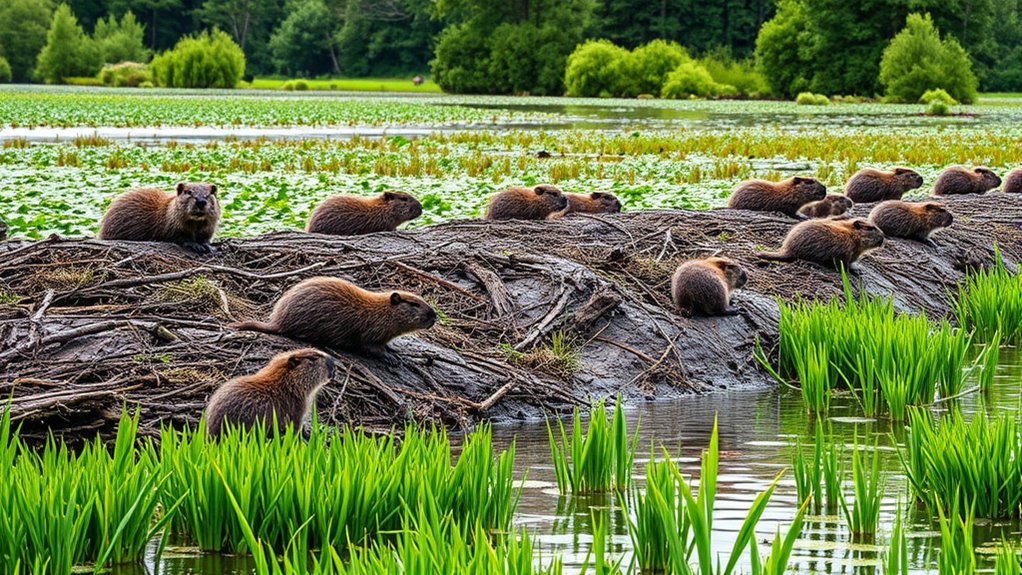
When beavers create ponds through dam construction, they transform dry, flat landscapes into vibrant wetlands that support diverse plant and animal communities. These wetlands provide critical habitats for many species, from waterfowl to amphibians and insects. As beavers construct lodges and dig burrows, they deepen water bodies, encouraging plant growth and creating complex ecosystems. This process accelerates succession, increasing biodiversity and restoring ecological functions in degraded areas. You’ll notice how these wetlands act as natural filters, improving water quality by trapping sediments and nutrients. Additionally, they help regulate water flow, reducing floods and drought impacts. The development of Cultural Intelligence among beaver populations can influence how effectively they adapt to changing environmental conditions, ensuring the resilience of these ecosystems. By creating these dynamic habitats, beavers shape landscapes that sustain life and foster ecological resilience, supporting ecosystem health and overall biodiversity. Moreover, these wetlands often serve as vital recharge zones for groundwater, contributing to the sustainability of surrounding ecosystems. Incorporating an understanding of ecological engineering can provide insights into how natural processes can be harnessed for ecosystem restoration. These natural habitats also play a crucial role in climate regulation, helping moderate local temperature fluctuations and maintaining ecological balance.

GYMURE Handmade Alpaca Fiber Bird Nesting Heart with Refillable Natural Nesting Materials, Hanging Winter Shelter & Spring Nest Holder for Wild Birds, Decorative Outdoor Garden Birdhouse Gift
🐦 Handmade Refillable Heart Design:Carefully handcrafted with a charming heart shape, this bird nesting holder features a refillable…
As an affiliate, we earn on qualifying purchases.
As an affiliate, we earn on qualifying purchases.
Water Quality and Climate Resilience: Natural Solutions for Ecosystem Health
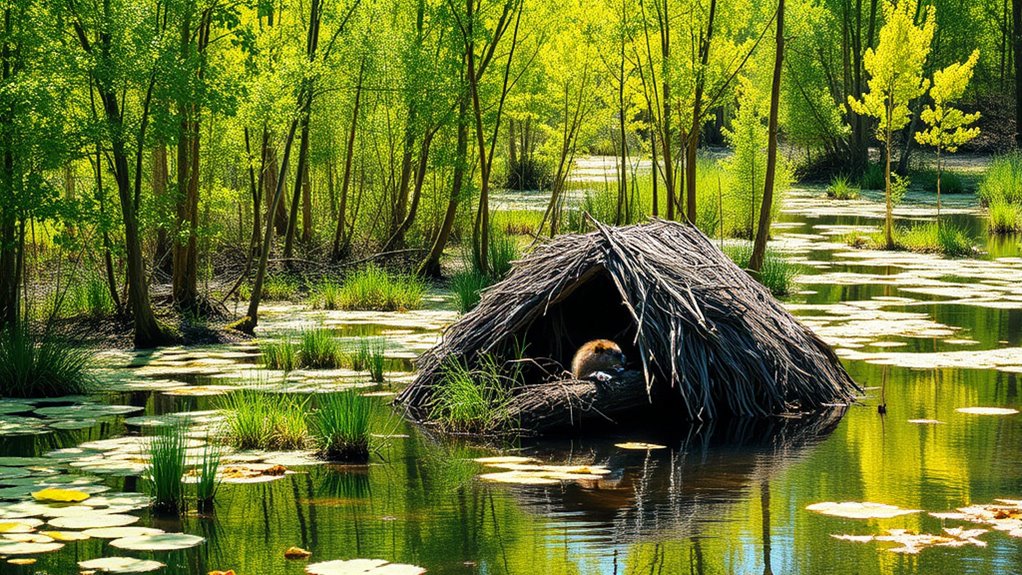
Natural water management strategies, such as beaver dam construction, play a essential role in enhancing water quality and boosting ecosystem resilience. By slowing water flow, beaver dams allow sediments and nutrients to settle, reducing pollution downstream. This filtration improves water clarity and quality, supporting healthy aquatic life. Beaver ponds also store groundwater, which cools streams during hot months, helping native fish species survive temperature spikes. Additionally, these ponds sustain riparian vegetation by providing a steady water supply, creating shade that further cools water temperatures. During droughts, stored groundwater maintains flow, ensuring water availability. Moreover, ecosystem engineering by beavers demonstrates how their activities can positively influence the broader environment by creating habitats and promoting biodiversity. Their activities also contribute to climate resilience, helping ecosystems adapt to changing environmental conditions. The presence of beaver ponds can also enhance biodiversity by providing habitats for a variety of aquatic and terrestrial species. These natural structures serve as vital climate buffers, reducing the impacts of extreme weather events and temperature fluctuations. Furthermore, beaver activities promote soil stability, which prevents erosion and maintains land integrity during heavy rains. Overall, beavers create natural buffers that mitigate climate impacts, increase ecosystem stability, and promote healthier watersheds, demonstrating how their engineering benefits both environment and resilience against climate variability.
Flood Mitigation: Beavers as Nature’s Hydrological Managers
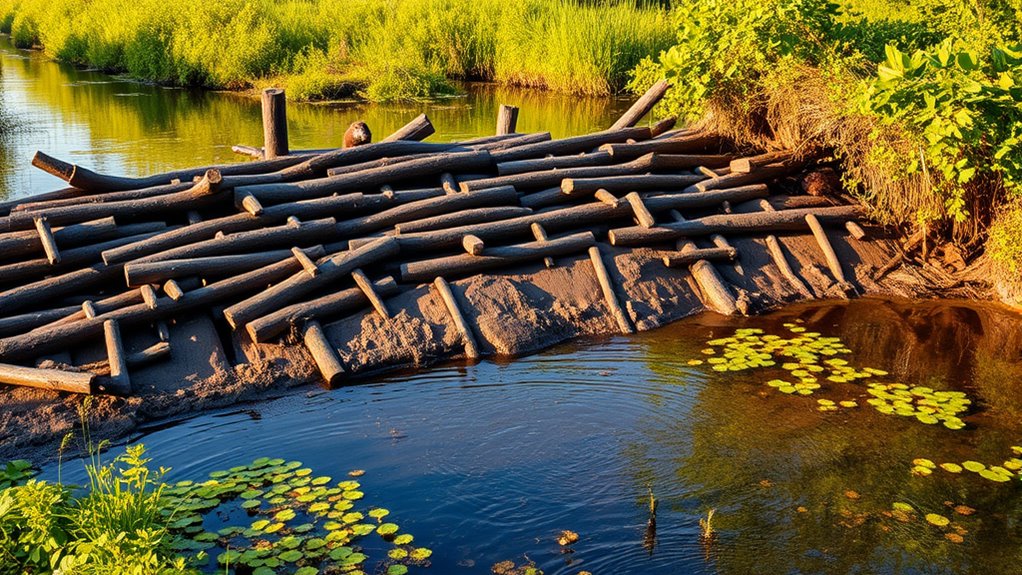
Beavers play a crucial role in mitigating floods by actively modifying water flow and landscape features. Their dams slow down runoff, spread floodwaters across floodplains, and reduce peak flow speeds, protecting downstream areas. By creating ponds, they store excess water during heavy rains, preventing sudden surges. These dams also help maintain groundwater levels, supporting prolonged streamflows during droughts. Their engineering work naturally buffers against erosion, stabilizing banks and reducing flood damage. Additionally, their activities promote healthy ecosystems that enhance overall flood resilience and ecological stability.
Beavers as Ecosystem Architects: Impact on Population and Habitat Dynamics
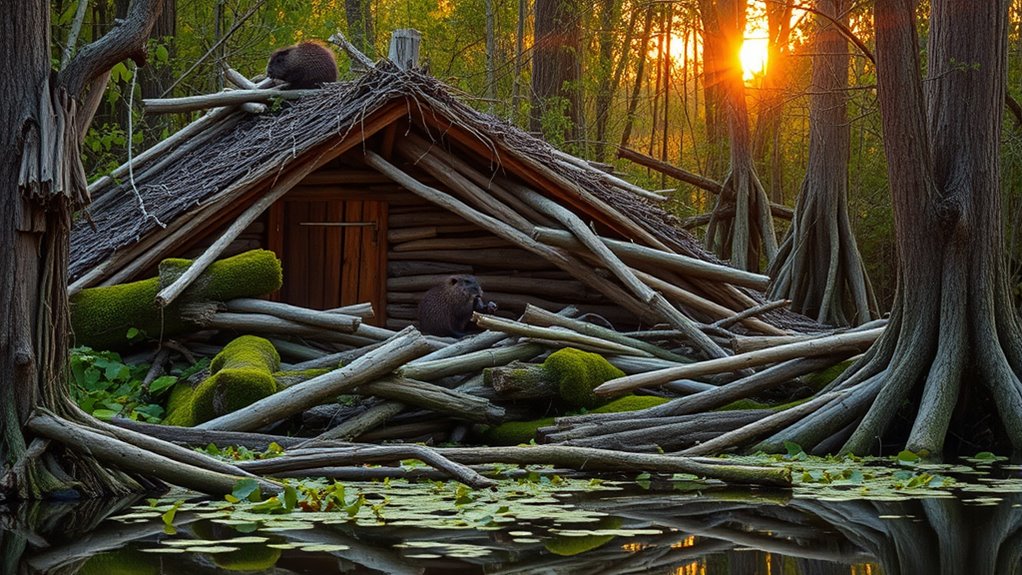
The landscape-shaping activities of beavers extend beyond flood control, directly influencing population dynamics and habitat distribution. When beavers build dams, they create suitable environments that support larger populations by providing abundant food, shelter, and breeding sites. These engineered wetlands attract other species, increasing local biodiversity and ecosystem resilience. As their habitat expands through dam construction, beaver populations grow, but availability of suitable land and resources limits their numbers. Territorial disputes, injuries, and road accidents cause population declines. Beavers tend to occupy regions with ample water and suitable banks, so habitat quality directly controls their distribution. Their engineering activities, hence, shape not only ecosystems but also the size and movement of their populations, fostering dynamic interactions within their environment.
Frequently Asked Questions
How Do Beavers Choose the Locations for Dam Construction?
You observe water levels, as beavers choose dam locations where water is already high enough to build effectively. They look for areas with suitable banks and abundant building materials like sticks, mud, and vegetation. You’ll notice they prefer spots with manageable flow rates, so the dam can slow water without eroding the bank. These factors help beavers select ideal sites to create stable, functional dams that support their habitat needs.
What Materials Do Beavers Prefer for Building Their Dams?
You might think beavers only use wood, but they actually prefer a mix of mud, stones, vegetation, and sticks for their dams. They choose materials based on availability, water depth, and stability needs, not just preference. This variety helps create durable structures that effectively raise water levels, protect against predators, and support ecosystem health. Their flexible material choices demonstrate their adaptability and engineering skill.
How Do Beavers Maintain and Repair Their Dams Over Time?
You see, beavers maintain and repair their dams year-round by constantly adding mud, sticks, and vegetation to reinforce the structure. When parts weaken or break, they actively rebuild and adapt the dam, especially during late summer and autumn. They respond to water level changes by patching leaks, replacing damaged materials, and strengthening the base. This ongoing effort guarantees their dams stay functional, protecting their habitat and supporting the ecosystem.
What Are the Signs of a Healthy Beaver Population?
You can tell a beaver population is healthy by observing active dam construction and maintenance year-round, indicating ongoing activity. Look for abundant lodges and burrows, suggesting good habitat. Signs like multiple active beavers, recent tree-cutting, and fresh dam repairs show thriving numbers. A diverse, lush wetland environment with clear water and abundant plant and animal life also points to a healthy, resilient beaver community.
How Do Beaver Activities Influence Downstream Water Flow?
Imagine a gentle hand guiding water downstream—beavers do just that. Their dams slow and spread floodwaters, reducing peak flows and erosion. By creating ponds and wetlands, they regulate water movement, store groundwater, and extend streamflows during droughts. Their engineering acts as a natural brake, ensuring water flows more steadily, protecting ecosystems from floods and droughts alike, and fostering healthier, resilient watersheds for everything that depends on them.
Conclusion
As you watch beavers shape their world, see their dams as symbols of balance—earth and water united in harmony. Their work reminds you that nature’s engineers build more than structures; they craft resilience and renewal. In their unwavering dedication, you find echoes of your own capacity to nurture and protect. Embrace their example: let your actions be the steady hands that foster ecosystems, weaving threads of life into the fabric of the earth’s enduring symphony.