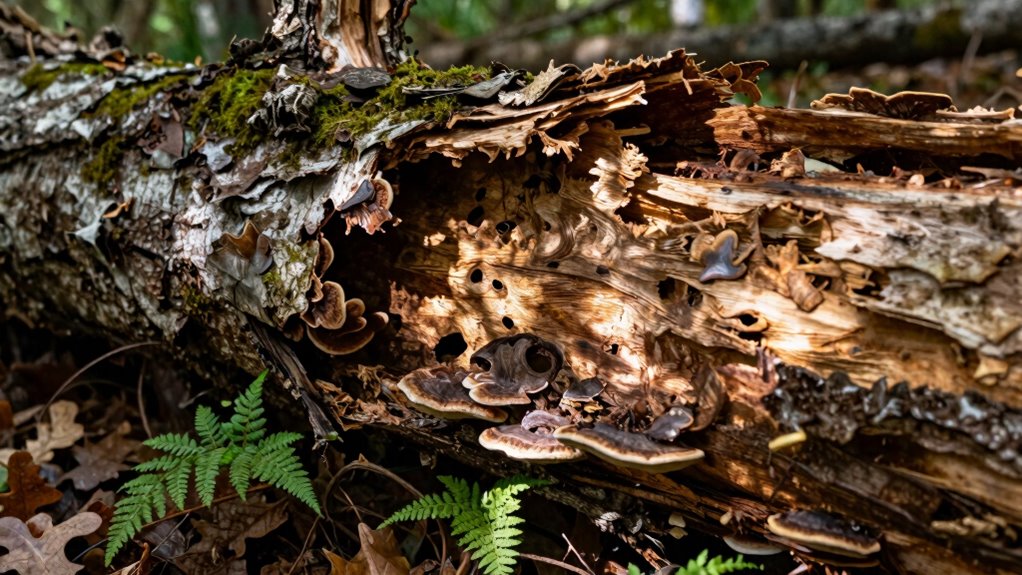

Fallen trees are crucial for forest health because they support numerous species and help keep ecosystems balanced. They act as keystones, providing microhabitats for insects, fungi, mosses, and birds like woodpeckers, while also enriching the soil with nutrients. Dead wood stores carbon, helping regulate the climate, and promotes biodiversity essential for resilience. If you want to explore how these hidden life hubs sustain our forests, there’s much more to discover.

Prime made for students and young adults
- Fast, free delivery for dorm and study essentials
- Prime Video and Amazon Music included
- Member-only deals
Key Takeaways
- Dead wood provides essential microhabitats supporting diverse fungi, insects, mosses, and bird species.
- It plays a vital role in nutrient recycling, enriching soil and promoting forest health.
- Fallen trees act as crucial carbon sinks, aiding in climate regulation.
- Dead wood supports ecosystem resilience by maintaining biodiversity and ecological processes.
- Protecting fallen trees ensures the stability and balance of forest ecosystems.
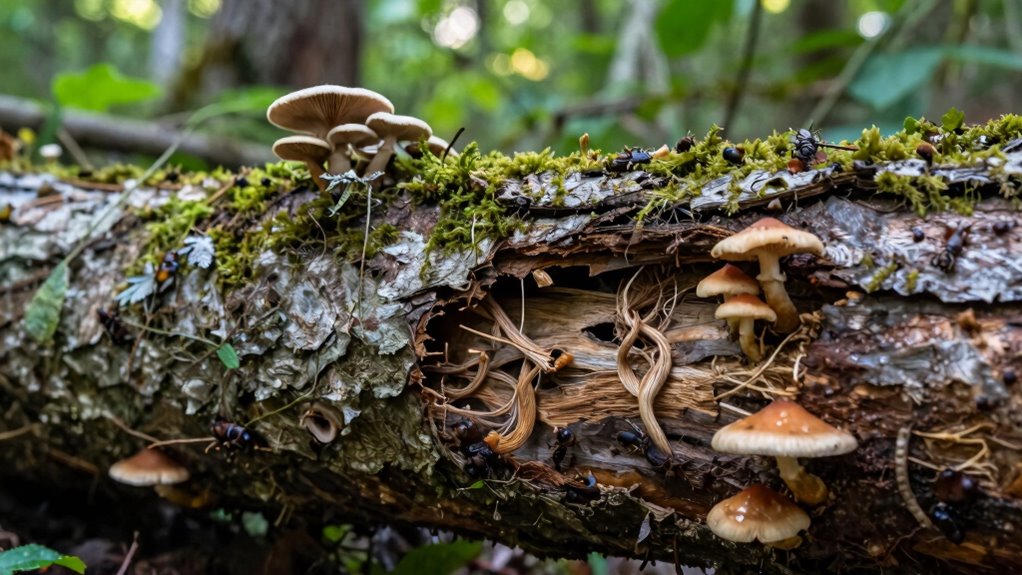
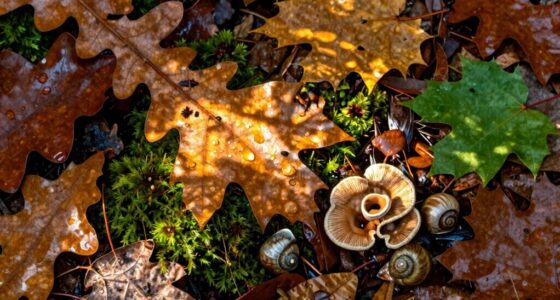
Many people overlook dead wood in forests, yet it plays a crucial role in maintaining healthy ecosystems. Fallen trees and decaying branches are often seen as mere debris, but they serve as keystones for the environment’s stability. When you consider the ecosystem balance, dead wood becomes an essential component, supporting countless species and processes that keep the forest thriving. Without it, the delicate web of life begins to unravel, leading to less resilient habitats and reduced biodiversity. Dead wood acts as a foundation for nutrient recycling, a process essential for forest health. As it breaks down, fungi, bacteria, and insects decompose the wood, releasing nutrients back into the soil. This natural recycling enriches the ground, providing indispensable minerals and organic matter that nourish plants, trees, and other organisms. By returning these nutrients, dead wood helps sustain plant growth, which in turn supports herbivores and predators alike. You might not see this process happening directly, but it’s the unseen engine driving the vitality of the forest. Additionally, dead wood creates microhabitats that foster biodiversity, providing shelter and resources for a wide range of organisms. The presence of dead wood also creates microhabitats that foster a diverse array of species. Many insects, fungi, mosses, and lichens thrive specifically on decaying wood, forming intricate communities that contribute to the overall health of the ecosystem. Bird species, such as woodpeckers, rely on dead trees to find insects and nest. Small mammals may burrow within fallen logs, finding shelter and food. The rich biodiversity found in dead wood contributes to ecological resilience, helping forests recover from disturbances like storms or fires. Moreover, dead wood plays a role in climate regulation within the forest. It acts as a carbon sink, storing carbon that would otherwise be released into the atmosphere. As it slowly decomposes, carbon is gradually released back into the environment, maintaining a balance that influences global climate patterns. If dead wood is removed or ignored, this carbon storage capacity diminishes, potentially disrupting the climate’s natural stability. Protecting dead wood is therefore essential for maintaining the ecosystem balance necessary for a healthy environment.
wooden birdhouses for woodpeckers
As an affiliate, we earn on qualifying purchases.
As an affiliate, we earn on qualifying purchases.
Frequently Asked Questions
How Long Does Fallen Wood Typically Remain Beneficial in Ecosystems?
Fallen wood usually remains ecologically beneficial for decades, depending on the decomposition rate. You’ll find that it provides essential habitat, nutrients, and moisture retention for years as it slowly decomposes. Its ecological importance persists because it supports fungi, insects, and small animals throughout its decay process. By understanding this, you realize fallen wood’s crucial role in maintaining healthy ecosystems, offering shelter and enriching the soil long after it hits the ground.
Can Dead Wood Help Combat Climate Change?
Dead wood acts as a silent hero in the fight against climate change, helping with carbon sequestration and biodiversity enhancement. When you leave fallen trees in forests, they slowly absorb carbon, reducing greenhouse gases. They also create habitats for diverse species, boosting ecosystem resilience. By conserving dead wood, you contribute to a natural climate solution, turning fallen trees into essential allies in mitigating global warming and supporting healthy, thriving ecosystems.
Are There Any Risks Associated With Leaving Fallen Trees in Forests?
Leaving fallen trees in forests generally doesn’t pose significant risks if managed properly. However, if you neglect forest management, it can increase fire hazards or harbor pests and diseases that threaten nearby healthy trees. Tree removal might sometimes be necessary to reduce these risks, but balancing it with leaving dead wood helps maintain ecological health. You should assess the specific conditions of your forest to optimize both safety and conservation.
How Do Fallen Trees Influence Soil Health?
Fallen trees greatly enhance soil health by promoting nutrient cycling, releasing valuable nutrients as they decompose. You’ll find that they also boost habitat diversity, providing shelter for fungi, insects, and microorganisms that enrich the soil. As these organisms break down the wood, they create a nutrient-rich layer that supports plant growth. Essentially, fallen trees are crucial for maintaining healthy, resilient forest ecosystems by fostering nutrient flow and diverse habitats.
What Are the Best Ways to Preserve Dead Wood in Natural Areas?
To preserve dead wood in natural areas, you should avoid removing fallen trees unless absolutely necessary. Let tree decay happen naturally, as it creates essential wildlife habitats. You can also designate specific zones for dead wood, protecting them from disturbance. Minimize invasive activities around these areas, and educate visitors on their ecological importance. This approach guarantees the dead wood continues to support biodiversity and enrich soil health naturally.
Conclusion
So next time you see a fallen tree, don’t just see debris—you see a crucial part of the ecosystem. Dead wood provides shelter, nourishment, and a home for countless creatures. Without it, the delicate balance of nature falters. Isn’t it remarkable how something seemingly lifeless can breathe new life into the forest? By protecting these fallen giants, you help preserve a hidden world that sustains us all. Wouldn’t you want to be part of something so essential?
Fall Picks
fall essentials
As an affiliate, we earn on qualifying purchases.