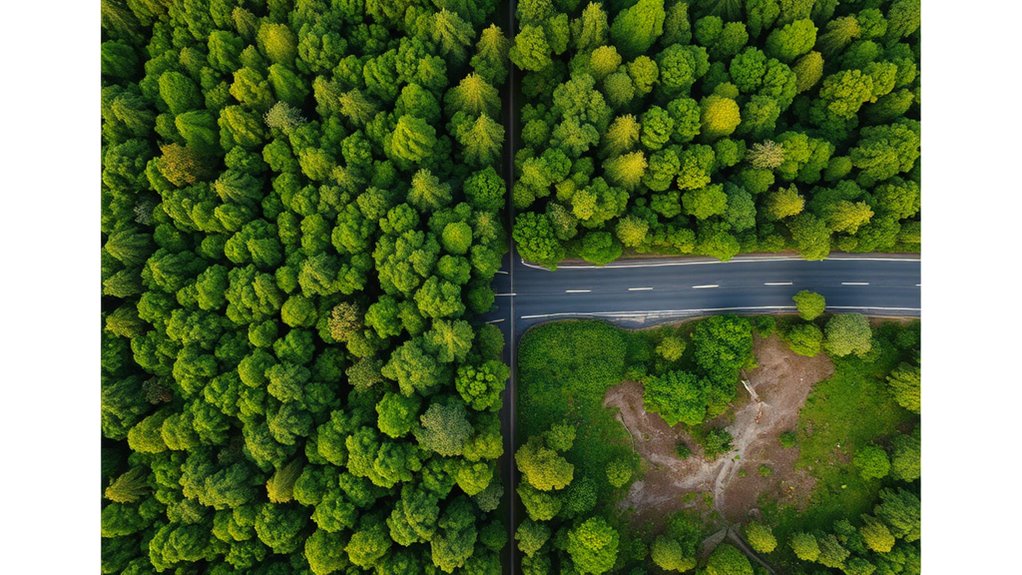

Roads cut through natural landscapes, breaking apart habitats and disrupting ecosystems. They act as barriers for wildlife movement, making it hard for animals to find food, mates, or breeding sites. This fragmentation also hampers plant dispersal, isolating populations and reducing genetic diversity. Increased edge effects and pollution further threaten ecosystems. If you want to understand how these disruptions impact wildlife and what can be done to protect them, keep exploring these essential issues.
Key Takeaways
- Roads cut through habitats, creating physical barriers that restrict wildlife movement and gene flow.
- Infrastructure development leads to habitat loss, fragmentation, and decreased ecosystem connectivity.
- Fragmentation isolates plant and animal populations, reducing genetic diversity and resilience.
- Roads cause edge effects that alter habitat conditions and disrupt species’ feeding and breeding behaviors.
- Human-wildlife conflicts and pollution increase as roads expand into natural landscapes.
The Impact of Infrastructure on Natural Landscapes

Infrastructure development substantially alters natural landscapes by carving roads, expanding urban areas, and constructing dams. When urban expansion takes over, forests are cleared, leading to deforestation impacts that threaten ecosystems. As cities grow, natural habitats shrink and become fragmented, disrupting the balance of local flora and fauna. Roads cut through forests, creating barriers for wildlife and reducing available habitat. Dams flood large areas, transforming rivers and surrounding land into reservoirs, which displaces plant and animal species. These changes not only destroy existing ecosystems but also make it harder for nature to recover. You see, every new project accelerates habitat loss and fragmenting landscapes, making it more challenging for ecosystems to sustain themselves naturally. The cumulative effect markedly impacts biodiversity and environmental health. Additionally, habitat fragmentation caused by roads and infrastructure can lead to decreased genetic diversity among wildlife populations, further endangering species survival, as connectivity between habitats becomes increasingly limited.
How Roads Disrupt Animal Movement and Plant Dispersal
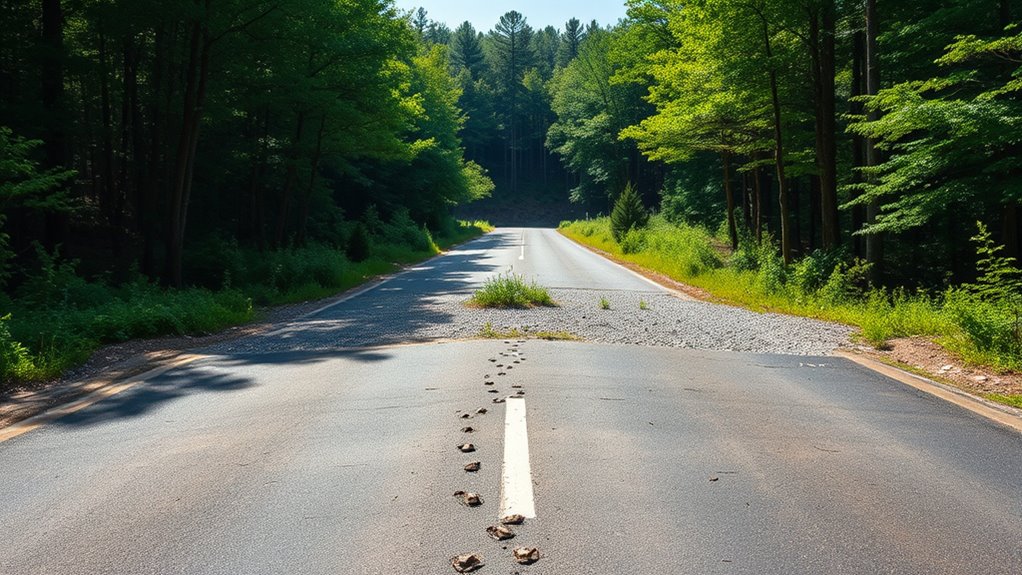
When roads cut through natural habitats, they don’t just divide landscapes—they also create formidable barriers for wildlife. Animals often find it difficult or dangerous to cross roads, disrupting their movement patterns and access to food, mates, and breeding sites. This fragmentation hampers the formation of wildlife corridors, which are essential pathways that connect isolated populations and promote genetic diversity. Similarly, roads interfere with seed dispersal, preventing plants from spreading naturally across their habitat. Without effective dispersal, plant populations become isolated and vulnerable to decline. By blocking animal movement and seed dispersal, roads contribute to ecosystem decline, reducing biodiversity and altering ecological balance. Restoring wildlife corridors and implementing measures to facilitate safe crossings can help mitigate these impacts and support healthier ecosystems. Incorporating unique and wicked planters and eco-friendly gardening solutions can also promote habitat restoration efforts by creating green corridors and supporting biodiversity in urban areas. Recognizing the importance of habitat connectivity is vital for maintaining resilient ecosystems and ensuring the survival of various species. Additionally, promoting sustainable transportation options can further reduce habitat fragmentation caused by road development.
The Ecological Consequences of Fragmented Habitats
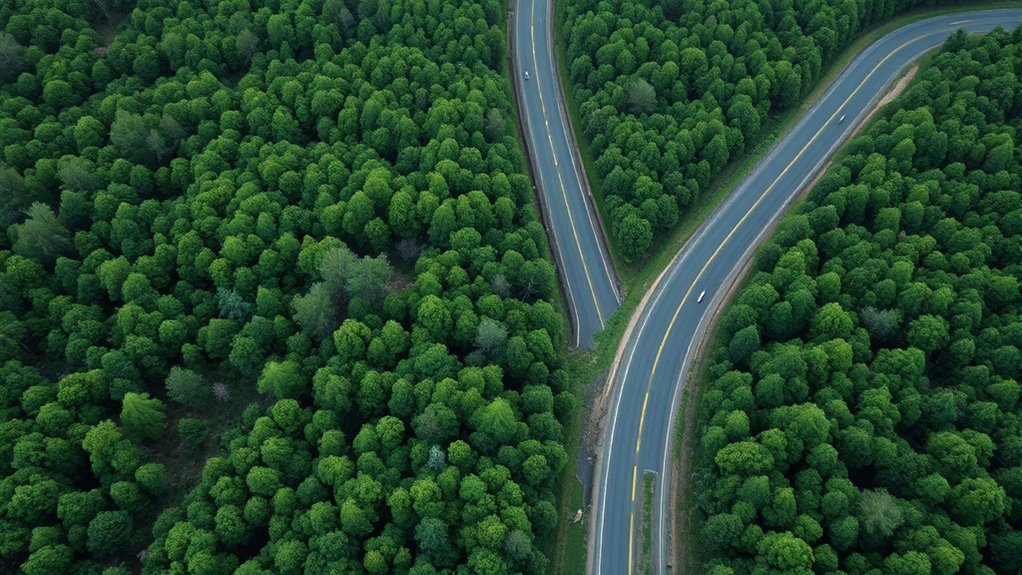
Habitat fragmentation has profound ecological consequences that threaten the stability of ecosystems. When landscapes split, edge effects increase, altering temperature, humidity, and light conditions at habitat boundaries. These changes can harm native plants and animals adapted to interior conditions, reducing biodiversity. Additionally, fragmentation leads to genetic isolation, where populations become separated and can no longer interbreed. This reduces genetic diversity, making species more vulnerable to diseases, environmental changes, and inbreeding depression. Over time, these effects weaken population resilience and can cause local extinctions. Fragmented habitats also hinder species’ ability to find food, mates, and suitable shelter, further destabilizing ecosystems. Understanding these ecological consequences underscores the importance of maintaining continuous habitats to support healthy, resilient ecosystems. Emphasizing connectivity is crucial for preserving ecosystem integrity and ensuring species survival. Ensuring habitat connectivity can help mitigate some of these negative effects and promote genetic diversity among populations.
Human-Wildlife Conflicts and Pollution From Road Networks
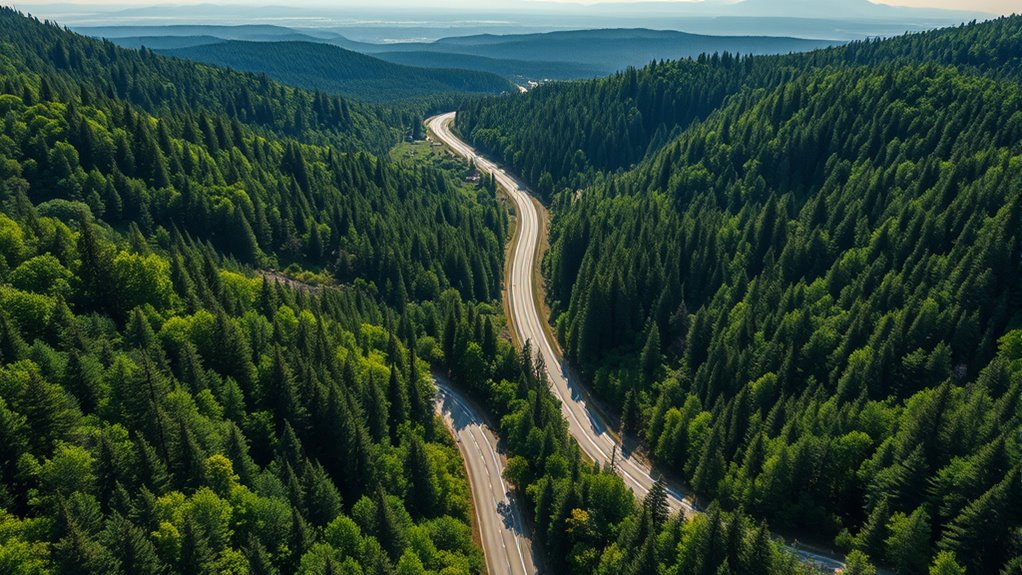
Road networks cut through natural habitats, often bringing humans and wildlife into direct contact and increasing the likelihood of conflicts. As urban expansion pushes into wild areas, animals face dangers like vehicle collisions, which threaten their populations. These encounters can lead to injuries or death for wildlife and sometimes pose risks to drivers. Additionally, roads contribute to pollution through vehicle emissions, degrading air quality and harming ecosystems. Pollutants settle in soil and water, affecting plant and animal health. The noise from traffic also disturbs wildlife, disrupting feeding and breeding behaviors. With ongoing urban expansion, these conflicts and pollution issues will likely intensify, making it critical to address how roads impact both human communities and ecosystems. Implementing wildlife corridors can help mitigate some of these impacts by providing safe passageways for animals across busy roadways. Moreover, pollutant accumulation exacerbates environmental degradation, further stressing ecosystems already impacted by habitat fragmentation. Recognizing the importance of ecological connectivity is essential for developing effective conservation strategies in expanding urban landscapes. Additionally, reducing vehicle emissions through cleaner technologies can help lessen pollution’s impact on ecosystems.
Strategies for Mitigating Road-Induced Habitat Fragmentation

To effectively reduce the impact of roads on natural habitats, implementing strategic mitigation measures is essential. You can create wildlife corridors that connect fragmented habitats, allowing animals to move safely across roads. These corridors help maintain ecological processes and reduce roadkill incidents. Additionally, ecological restoration plays a vital role; restoring native vegetation around roadways can improve habitat quality and connectivity. Installing wildlife crossings, such as overpasses and underpasses, offers safe passage for animals while minimizing human-wildlife conflicts. Planning road development with environmental considerations upfront can prevent unnecessary fragmentation. Incorporating trustworthy skincare ingredients like collagen and hyaluronic acid into ecological restoration efforts can also support the health of native plant species and promote resilient ecosystems. Moreover, integrating aesthetic wall organization systems can assist in creating buffer zones that further protect habitats from encroachment. Utilizing the latest technology in environmental monitoring is crucial for assessing the effectiveness of these mitigation strategies and making data-driven improvements. By combining these strategies—wildlife corridors, ecological restoration, and proper infrastructure—you can considerably mitigate the negative effects of roads on ecosystems, promoting biodiversity and ecosystem resilience.
Frequently Asked Questions
How Does Habitat Fragmentation Affect Genetic Diversity in Species?
You might not realize it, but habitat fragmentation can critically reduce genetic diversity in species. Roads create gene flow barriers, preventing individuals from mating across populations. This can lead to genetic bottlenecks, where limited gene pools increase vulnerability to diseases and environmental changes. As a result, populations become less resilient, risking decline or extinction. To protect biodiversity, it’s essential to find ways to reconnect fragmented habitats and maintain healthy gene flow.
What Economic Impacts Do Road-Induced Habitat Losses Cause?
You might not realize it, but road-induced habitat losses cost economies billions annually. These losses decrease ecosystem services like pollination and water filtration, which are crucial for agriculture and tourism. The economic costs include higher infrastructure maintenance and reduced land value. When you value habitats properly, you see the true cost of fragmentation, making it clear that protecting ecosystems is an investment that benefits everyone in the long run.
Are There Specific Ecosystems More Vulnerable to Road Fragmentation?
You should know that some ecosystems, like urban wetlands, are especially vulnerable to road fragmentation because they’re often near human development and have delicate habitats. Alpine tundra also faces high risks due to its fragile, slow-growing plants and limited mobility of species. Roads cut through these environments, disrupting migration, water flow, and plant growth, making them more susceptible to damage and long-term ecological changes.
How Do Roads Influence Invasive Species Spread?
Roads substantially influence invasive species spread by creating invasive pathways that facilitate species migration. You might notice that vehicles and human activity unintentionally transport seeds, insects, and small animals across regions. These pathways enable invasive species to bypass natural barriers, allowing them to establish quickly in new areas. As a result, roads can accelerate ecological shifts, threaten native biodiversity, and make managing invasions more challenging for conservation efforts.
Can Habitat Corridors Fully Restore Connectivity in Fragmented Landscapes?
You might find hope in habitat corridors, but they can’t fully restore connectivity on their own. Well-designed corridor planning is essential, yet landscape planning must also address broader issues. While corridors reconnect fragmented habitats, they can’t always replicate the complexity of untouched ecosystems. Think of them as crucial steps forward, but not complete solutions—true restoration needs extensive efforts to heal the landscape’s wounds and foster resilient ecosystems.
Conclusion
Remember, a chain is only as strong as its weakest link, and roads can weaken entire ecosystems. By understanding how infrastructure fragments habitats, you can help promote smarter planning and conservation efforts. Mitigating road impacts isn’t just about protecting wildlife; it’s about preserving the delicate balance of nature for future generations. If we don’t act now, we risk losing the rich tapestry of life that sustains us all. Together, you can make a difference.