When top predators disappear, ecosystems lose their natural balance. Without them, prey populations grow unchecked, leading to overgrazing and habitat degradation. This triggers a trophic cascade, which affects plants, animals, and entire food webs, reducing biodiversity and ecosystem resilience. Human activities like urbanization worsen the problem by destroying predator habitats. If you want to understand how these changes ripple through the environment and what can be done, keep exploring the full picture.

Prime made for students and young adults
- Fast, free delivery for dorm and study essentials
- Prime Video and Amazon Music included
- Member-only deals
Key Takeaways
- Removing top predators causes prey populations to explode, leading to overgrazing and habitat degradation.
- Absence of predators disrupts food web balance, resulting in decreased biodiversity and ecosystem instability.
- Predator loss triggers trophic cascades, affecting multiple species and overall ecosystem health.
- Without predators, prey species may overconsume resources, causing declines in plant communities and further ecological imbalance.
- Ecosystem resilience diminishes, slowing recovery from environmental disturbances and increasing vulnerability to invasive species.
As an affiliate, we earn on qualifying purchases.
Understanding the Ecological Importance of Predators

Predators play a crucial role in maintaining the health and stability of ecosystems. Through predator-prey interactions, they control prey populations, preventing overgrazing and resource depletion. This regulation helps sustain biodiversity and promotes ecological balance. When predators hunt, they influence where prey animals feed and how they behave, which benefits plant growth and habitat diversity. Without predators, prey populations can grow unchecked, leading to imbalances that disrupt the entire ecosystem. You’ll notice that predators help keep the food web in harmony, ensuring no single species dominates. This delicate balance is essential for ecosystem resilience. By controlling prey numbers and shaping their behaviors, predators maintain a dynamic equilibrium that supports healthy, productive environments for all species involved.
The Trophic Cascade Effect and Its Implications

When predators remove large prey from an ecosystem, they trigger a chain reaction known as a trophic cascade, which can substantially alter the structure and function of the environment. This process often involves keystone species, whose presence maintains balance, and their absence can lead to unchecked prey populations. The cascade affects not just prey but also plants and other animals, demonstrating bottom-up regulation where changes at one level ripple through the entire system. For instance, without top predators, prey populations may explode, overgraze vegetation, and degrade habitats. Recognizing these effects highlights how predator loss disrupts ecological stability, emphasizing their critical role in maintaining healthy, resilient ecosystems. The trophic cascade underscores the interconnectedness of food webs and ecosystem health.
Case Studies of Predator Loss in Various Ecosystems
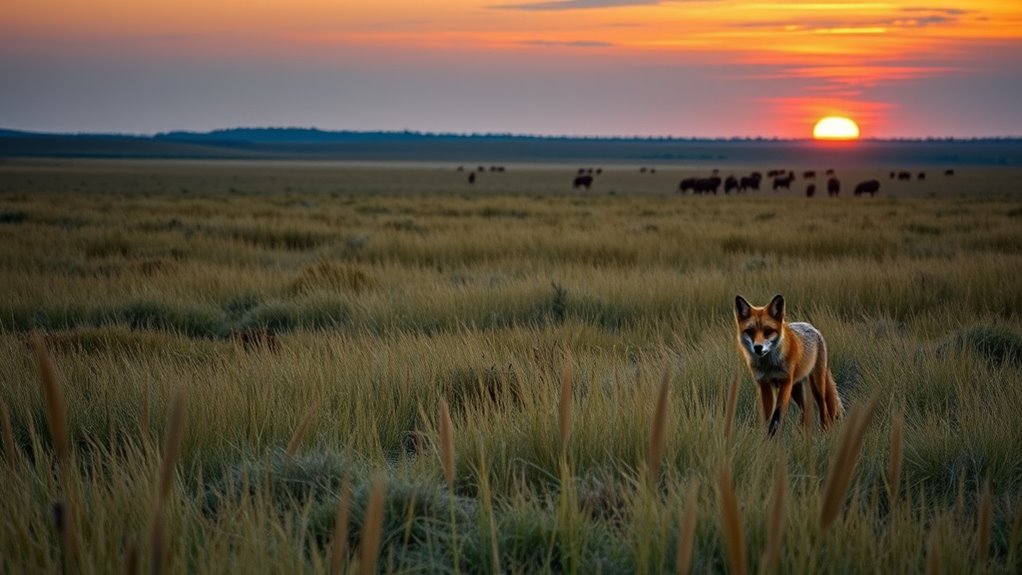
In ecosystems around the world, the loss of top predators has led to dramatic and often unforeseen changes. In urban areas, encroachment reduces predator habitats, allowing invasive species to thrive unchecked. For example, in parts of Australia, the decline of native predators has enabled invasive foxes and cats to overrun ecosystems, threatening native wildlife. Similarly, in North American forests, the disappearance of wolves has caused deer populations to explode, resulting in overbrowsing and habitat degradation. These cases show how predator loss disrupts ecological balance, often exacerbated by human activities like urban expansion. The absence of top predators allows invasive species to establish dominance, further destabilizing native communities. These real-world examples highlight the critical role predators play in maintaining healthy, resilient ecosystems. Additionally, the decline of top predators can lead to changes in animal behavior, which can further impact ecosystem dynamics.
How Predators Influence Prey Behavior and Population Dynamics

Have you ever wondered how the presence of predators shapes the behavior and numbers of their prey? Predators play a pivotal role in influencing prey adaptation and predator avoidance strategies. When predators are around, prey often change their behavior—staying alert, avoiding open areas, or altering feeding times—to reduce risk. These adaptations help prey survive but also impact their population dynamics, often leading to lower prey numbers and more cautious behaviors. The behavioral changes of prey in response to predators can include increased vigilance and hiding, which reduce feeding efficiency but enhance survival. Without predators, prey may become less vigilant, overconsume resources, and experience unchecked population growth. This imbalance can lead to overgrazing or depletion of resources, disrupting ecosystem health. The presence of predators also influences the population regulation of prey species, helping maintain ecological balance. This balance between prey behavior and population size demonstrates how predators help regulate ecosystems, maintaining stability. Recognizing the importance of ecosystem balance highlights how predators contribute to maintaining healthy, functioning environments. Your awareness of these interactions underscores the importance of predators in shaping not just individual species, but entire ecological communities.
The Impact of Disappearing Predators on Biodiversity

The disappearance of predators from ecosystems causes significant shifts in biodiversity, often leading to unintended and far-reaching consequences. Without top predators, prey populations can explode, overwhelming other species and disrupting ecological balance. This imbalance increases the extinction risk for vulnerable species, as they face greater competition and habitat pressure. Additionally, the loss of predators reduces genetic diversity within prey populations, making them more susceptible to disease and environmental changes. Over time, these changes can cause a cascade effect, further diminishing biodiversity and destabilizing ecosystems. You might not see these impacts immediately, but the absence of predators weakens the resilience of ecosystems, threatening the rich variety of species that depend on a balanced food web. The decline of predators also leads to altered prey behaviors, which can further destabilize ecosystems. Protecting predators is essential for maintaining biodiversity and ecosystem health, as they play a crucial role in ecosystem regulation and maintaining the stability of food chains. Furthermore, the presence of predators is vital for maintaining habitat diversity, which supports a wide range of species within ecosystems. Preserving predator populations can also help prevent overgrazing and habitat degradation, ensuring the sustainability of various habitats.
Human Activities Contributing to the Decline of Top Predators

Human activities are the primary drivers behind the decline of top predators worldwide. Illegal poaching directly targets species like tigers, lions, and wolves, driven by demand for their skins, bones, and other body parts. This relentless hunting reduces their populations rapidly. Habitat fragmentation from agriculture, urban development, and infrastructure projects breaks up ecosystems, making it harder for predators to find food and mates. As their habitats shrink and become more isolated, predators struggle to survive and reproduce. These human actions not only diminish predator numbers but also disrupt the delicate balance of ecosystems. Without effective protections, top predators continue to decline, leading to cascading effects throughout the food chain. The loss of top predators also affects ecosystem stability and biodiversity conservation efforts. Your awareness and action can help address these harmful activities and protect these essential species.
Strategies for Predator Conservation and Ecosystem Restoration
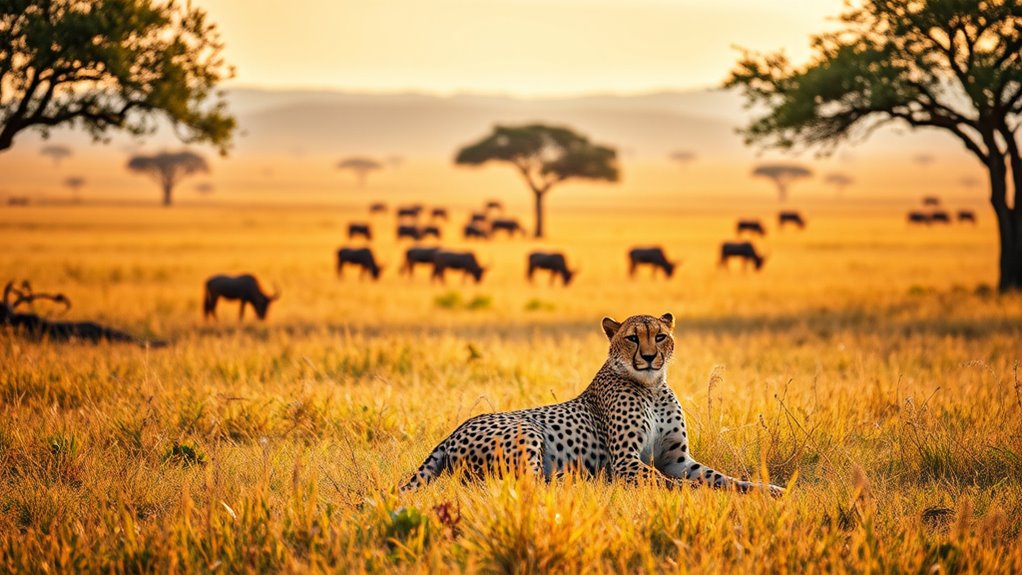
You can start by protecting key predator habitats to guarantee their survival. Restoring natural food chains helps rebuild balanced ecosystems, while engaging local communities fosters sustainable conservation efforts. Together, these strategies create a foundation for effective predator conservation and ecosystem health. Implementing species-specific management plans can further enhance the success of these conservation initiatives. Additionally, employing monitoring techniques ensures timely detection of threats and effectiveness of conservation measures. Promoting public awareness about predator roles in ecosystems encourages community involvement and support for conservation programs. Recognizing the importance of vibrational energy in supporting ecosystems can also inspire innovative approaches to conservation efforts. Utilizing hybrid bike principles, such as adaptability and versatility, can inform the development of sustainable conservation strategies that address multiple environmental challenges simultaneously.
Protecting Key Predator Habitats
Protecting key predator habitats is indispensable for maintaining ecosystem balance, as these areas serve as critical zones for breeding, feeding, and shelter. Habitat fragmentation often threatens these habitats, reducing the available space for predators and disrupting their natural behaviors. To combat this, you should support initiatives that establish protected areas and wildlife corridors, linking fragmented habitats and allowing safe movement. Additionally, managing human-wildlife conflict is crucial; by implementing community-based conservation programs and promoting coexistence strategies, you help reduce threats to predators and their habitats. Preserving these key areas ensures predators can thrive, which in turn sustains the health and stability of the entire ecosystem. Supporting conservation efforts in habitat protection directly contribute to maintaining biodiversity and ecological resilience. Utilizing sound design techniques can also raise awareness by creating compelling narratives that highlight the importance of predator conservation and ecosystem health. Understanding the importance of endangered species protection can further strengthen habitat preservation initiatives. Incorporating ecological connectivity strategies can help restore natural migration routes and support predator populations effectively.
Restoring Natural Food Chains
Restoring natural food chains is essential for supporting predator populations and healing ecosystems. You can achieve this through reintroduction programs that bring back key predators, helping to balance prey populations and promote biodiversity. Ensuring habitat connectivity allows predators to access larger territories and find sufficient resources, which is crucial for their survival. By connecting fragmented habitats, you enable predators to move freely, reducing human-wildlife conflicts and encouraging natural behaviors. Restoring these food chains not only stabilizes prey populations but also helps control overgrowing species, preventing ecological imbalances. Understanding safety features and their importance can aid in safeguarding the branding of conservation programs and related initiatives. Your efforts in implementing reintroduction programs and maintaining habitat connectivity are vital steps toward ecosystem resilience, fostering healthier environments where predators and prey coexist naturally, ultimately restoring the intricate balance that sustains ecosystems. Additionally, monitoring drivetrain components and their condition can prevent equipment failures, ensuring the success of conservation efforts. Recognizing the importance of natural habitats provides a foundation for designing effective conservation strategies that support predator recovery and ecosystem health. Incorporating sustainable practices and certification standards can further enhance the credibility and impact of conservation initiatives.
Promoting Community Engagement
Community engagement plays a pivotal role in predator conservation and ecosystem restoration by fostering shared responsibility and local support. To effectively promote this, consider these strategies:
- Support community-led initiatives that empower locals to take ownership of conservation projects.
- Organize ecological monitoring programs where residents track predator populations and ecosystem health.
- Educate communities about the importance of predators and their role in maintaining balance.
- Encourage collaboration between scientists and local groups to develop tailored conservation solutions.
- Incorporate data analysis by AI to identify trends in predator populations and inform targeted conservation efforts. Additionally, understanding the legal framework surrounding wildlife protection can enhance community efforts and ensure compliance with existing laws.
- Raising awareness about ecological roles helps communities appreciate the significance of top predators and motivates active participation.
The Future of Ecosystem Stability Without Top Predators

Without top predators, ecosystems often face destabilization as unchecked prey populations can explode, leading to overgrazing and habitat degradation. As urban encroachment increases and climate change accelerates, these effects worsen. Without predators controlling herbivores, plant communities decline, affecting entire food webs. The loss of top predators also reduces ecosystem resilience, making recovery slower after disturbances. Managing these changes requires focusing on habitat preservation and restoring predator populations. Here’s how these dynamics unfold:
| Impact | Cause | Consequence |
|---|---|---|
| Overgrazing | Lack of predators | Habitat degradation |
| Habitat loss | Urban encroachment | Reduced biodiversity |
| Invasive species | Disrupted balance | Native species decline |
| Ecosystem resilience | Climate change | Slower recovery |
| Food web imbalance | Predator disappearance | Ecosystem instability |
A lack of top predators can also lead to altered ecological processes, further destabilizing ecosystems.
Frequently Asked Questions
How Do Predators Affect Nutrient Cycling in Ecosystems?
You see, predators drive trophic cascades that influence nutrient cycling. When they hunt prey, they cause nutrient redistribution by moving prey populations and affecting plant growth. This process helps maintain ecosystem balance, ensuring nutrients flow efficiently through different levels. Without predators, this balance gets disrupted, leading to overgrazing or undergrowth, which hampers nutrient cycling and ultimately impacts the health and stability of the entire ecosystem.
What Role Do Predators Play in Controlling Invasive Species?
Think of predators as vigilant gatekeepers, hunting invasive species before they take over your ecosystem. When predators actively hunt, they keep invasive prey in check, forcing them to adapt or risk extinction. Without this natural control, invasive species spread like wildfire, choking out native plants and animals. Your ecosystem relies on predator hunting to maintain balance, preventing invasive species from becoming unchecked invaders that threaten overall health.
Can Predator Reintroduction Reverse Ecological Damage?
Yes, predator reintroduction can reverse ecological damage by restoring trophic cascades and stabilizing predator-prey dynamics. When top predators return, they control herbivores and invasive species, allowing plants and native species to recover. Your actions support this process by re-establishing balanced predator-prey relationships, which can heal ecosystems. This natural approach promotes biodiversity and resilience, ultimately reversing the negative impacts caused by the loss of top predators.
How Do Predators Influence Genetic Diversity in Prey Populations?
You see the dance of life, where predators shape genetic variation like a sculptor refining marble. By hunting selectively, they create evolutionary pressure, pushing prey to develop diverse traits for survival. This constant pressure encourages genetic diversity, fueling evolution. Without predators, prey populations may lose this essential push, reducing variation and weakening their ability to adapt to changing environments. Predators, thus, play a pivotal role in maintaining healthy genetic diversity.
What Are the Economic Impacts of Predator Loss on Local Communities?
When predators disappear, your local community faces economic decline as key industries like tourism and agriculture suffer. Without predators controlling prey populations, ecological imbalances can lead to crop damage or overgrazing, reducing income. This loss weakens community resilience, making it harder to recover from environmental or economic shocks. Maintaining predator populations supports a balanced ecosystem, which sustains local economies and fosters long-term stability for your community.
Conclusion
If top predators vanish, ecosystems can collapse, with studies showing that over 70% of the world’s large carnivores are at risk. You might not realize it, but losing these predators disrupts food chains and reduces biodiversity, threatening the health of our planet. Protecting predators isn’t just about saving animals—it’s about maintaining the delicate balance that keeps ecosystems resilient and thriving for future generations.
Fall Picks
fall essentials
As an affiliate, we earn on qualifying purchases.