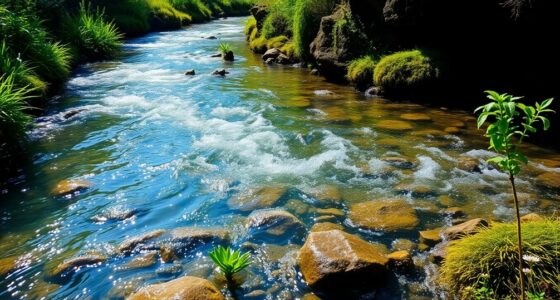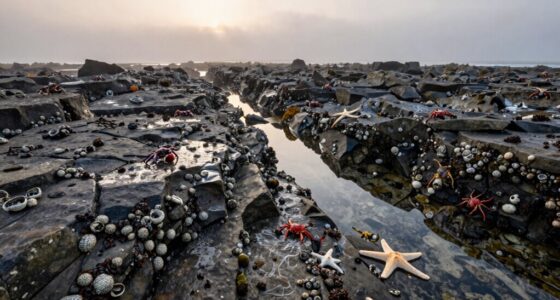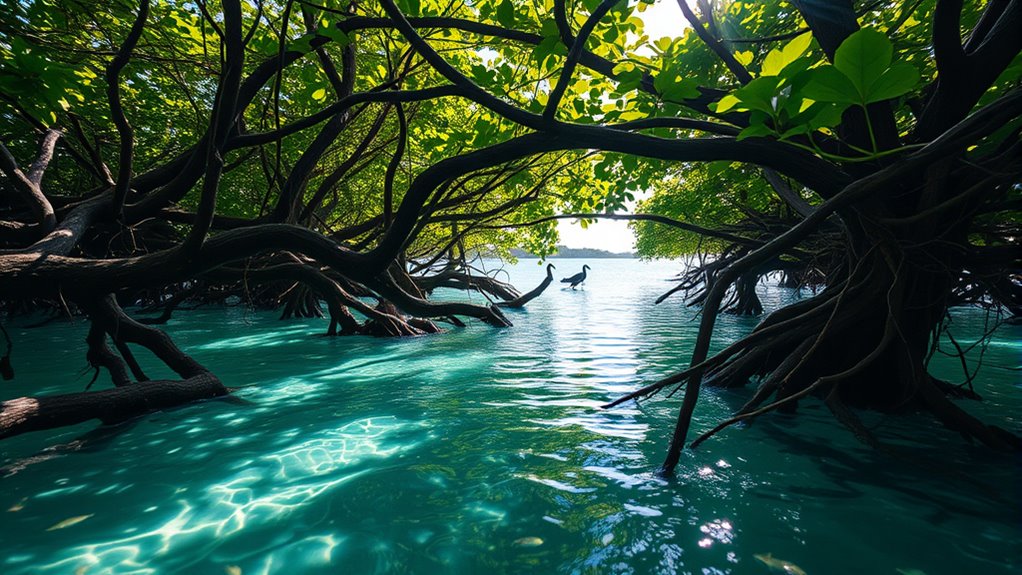

Mangroves are crucial nurseries for many fish and invertebrates, providing shelter, food, and protection during their vulnerable early stages. Their complex root systems increase survival rates and support species like prawns, snappers, and mullet, which are essential for fisheries. Healthy mangroves also protect coastlines and sustain biodiversity. Understanding how these ecosystems boost fish populations helps you see their importance for fishing communities and global food security. Learn more about their incredible role in sustaining life in our oceans.
Key Takeaways
- Mangroves provide vital nursery habitats where juvenile fish hatch, grow, and find shelter from predators.
- Complex root systems increase juvenile fish survival, supporting healthy fish populations and sustainable fisheries.
- Many commercially important species, like prawns and snappers, depend on mangroves during early life stages.
- Larger mangrove areas support greater biodiversity, fish biomass, and environments suitable for breeding and juvenile development.
- Protecting mangroves sustains fisheries, enhances coastal resilience, and promotes ecological and economic benefits.
MANGROVES: The Vital Ecosystems of Coastal Regions
As an affiliate, we earn on qualifying purchases.
As an affiliate, we earn on qualifying purchases.
The Vital Role of Mangroves in Fish Life Cycles
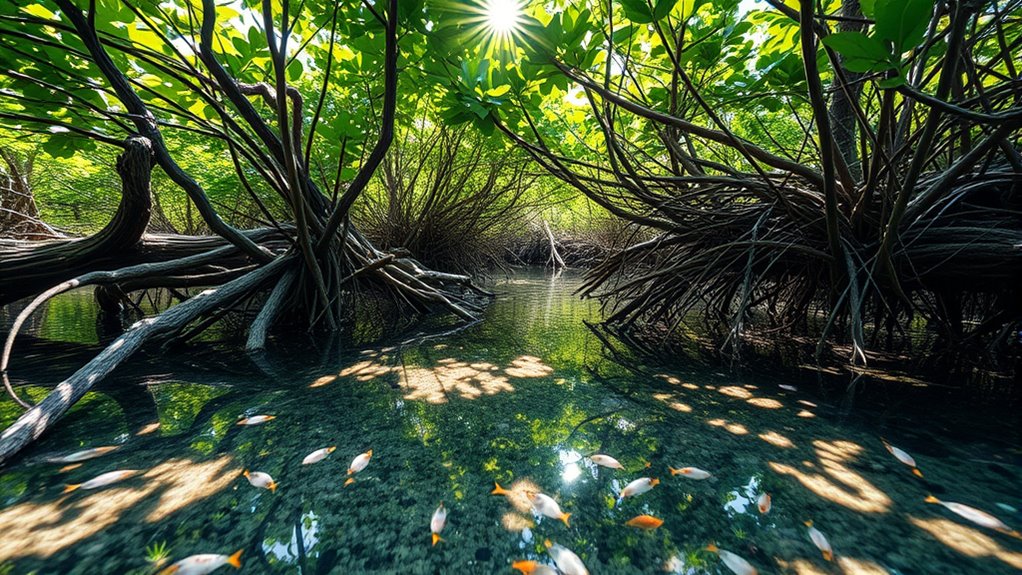
Mangroves play an essential role in the life cycles of many fish species by providing essential nursery habitats. When fish hatch, they often drift into mangrove roots and shallow waters, where they find shelter from predators and abundant food sources. These environments support juvenile fish, helping them grow strong before moving to open waters. The complex root systems offer hiding spots that increase survival rates during early life stages. Well-preserved mangroves boost fish populations by ensuring successful recruitment of young fish into fisheries. This nursery function is critical for maintaining healthy fish stocks, supporting both local livelihoods and commercial fisheries. Additionally, the unique mangrove ecosystems support a diverse array of marine species, further emphasizing their ecological importance. The presence of nursery habitats in mangroves significantly enhances the resilience of fish populations against environmental stresses. The habitat diversity provided by mangroves creates a variety of microenvironments that benefit different fish species. Without mangroves, many fish species would struggle to reproduce effectively, leading to declines in fish populations and the collapse of local fishing communities. Moreover, ecosystem services provided by mangroves help buffer coastal areas from storms and erosion, indirectly benefiting fisheries and human communities.

Dissect-It Super Shark Lab Dissection Kit, 40-Piece Realistic Synthetic STEM Science Kit with Tools, Reusable Toy Marine Biology for Kids Ages 6+
Shark Dissection Kit: Experience the thrill of scientific exploration with the simulated Super Shark Lab dissection kit for…
As an affiliate, we earn on qualifying purchases.
As an affiliate, we earn on qualifying purchases.
Key Species That Depend on Mangrove Habitats
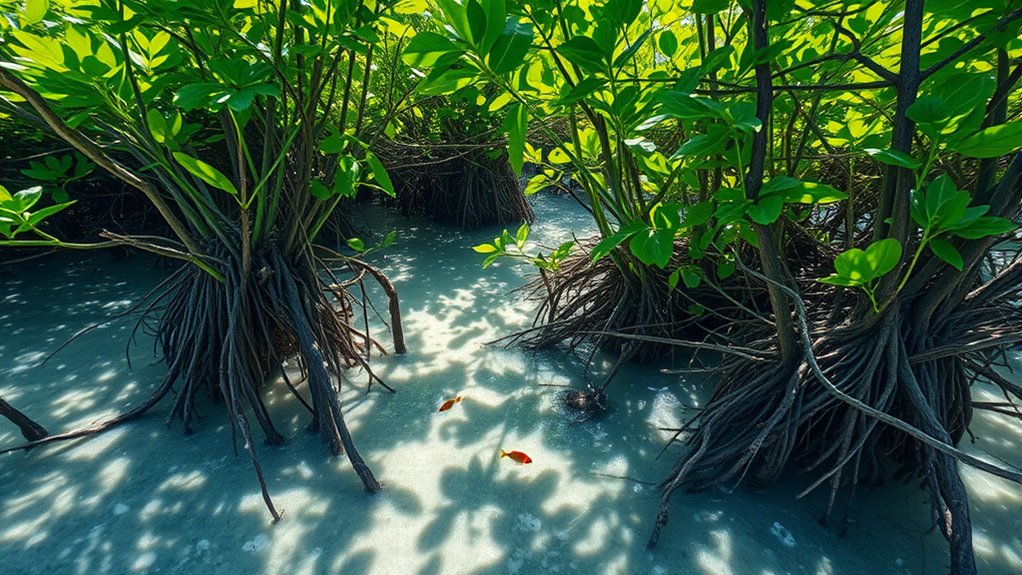
Many fish and invertebrates rely on mangroves as vital nursery habitats before moving offshore. You’ll find species like crabs, prawns, mullet, and snappers depend heavily on these environments for growth and survival. Both resident and migratory fish use mangroves to reproduce, feed, and shelter, making them essential for healthy fisheries. Protecting these habitats also supports overall biodiversity and ecosystem resilience.
Essential Nursery Species
Have you ever wondered which species rely most heavily on mangroves during their early life stages? Many fish and invertebrates depend on these habitats as nurseries, ensuring their survival and growth. Critical species include penaeid prawns, snappers, mullet, and groupers, which often hatch and develop within mangrove roots. These habitats provide shelter from predators and abundant food sources. The table below highlights some key nursery species:
| Species | Habitat Use | Importance |
|---|---|---|
| Penaeid prawns | Juvenile stages in mangroves | Commercial fisheries staple |
| Snappers | Early juvenile stages | High market value |
| Mullet | Nursery grounds in mangroves | Essential for local diets |
| Groupers | Use mangroves before offshore | Key for sustainable fishing |
Resident and Migratory Fish
Resident and migratory fish species rely heavily on mangrove habitats for different stages of their life cycles. Many fish, like snappers and groupers, use mangroves as nursery grounds to grow before moving offshore for adult life. Prawns, mullet, and herring also depend on these habitats for spawning and development. Resident species such as crabs, oysters, and sea urchins stay within mangrove areas, feeding and reproducing. Some fish migrate seasonally between mangroves and other estuarine or coastal zones, taking advantage of the rich resources. Mangroves provide critical shelter from predators and abundant food, boosting fish survival rates. Mangrove ecosystems play a vital role in maintaining the health and productivity of coastal fisheries. Without these habitats, many key species would struggle to complete their life cycles, threatening both biodiversity and local fisheries that rely on them. Proper management of Gold IRA Rollovers can contribute to sustainable conservation efforts for these vital ecosystems. Additionally, healthy mangrove populations help sustain fish populations over time, ensuring the resilience of fisheries against environmental changes. Recognizing the importance of ecosystem services, conservation efforts aim to protect and restore mangrove habitats to support fisheries and local communities. The preservation of biodiversity within mangroves is essential for the overall stability and resilience of coastal ecosystems.
Constantia Pets Hermit Crab- All Natural Sea Sponges – 5 Pack Unbleached, Provides Nutrients, Safer Drinking, Helps Maintain Habitat Tank Humidity and Aquarium Decor, Premium Care for Your Crabs
UNBLEACHED & ADDITIVE FREE: After harvesting, our sponges are processed and cleaned but not bleached. This results in…
As an affiliate, we earn on qualifying purchases.
As an affiliate, we earn on qualifying purchases.
Economic Value of Mangrove-Associated Fisheries
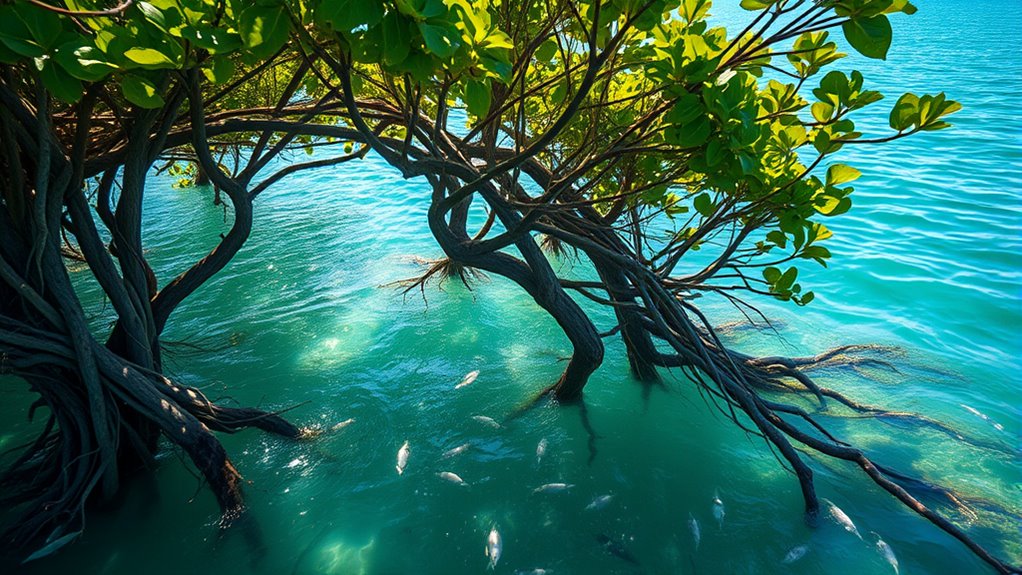
The economic value of mangrove-associated fisheries is substantial and varies considerably across different regions. You benefit from these fisheries through both subsistence and commercial activities, especially in coastal communities close to mangroves. In some areas, the median value reaches US$37,500 per hectare, while places like Hong Kong’s Mai Po marshes exceed $2,000 per hectare. Factors such as fish productivity, catch rates, and market access influence this value. High population density increases demand, boosting economic returns. When mangroves are destroyed, communities face significant economic losses, including reduced fish catches and livelihoods. Protecting and sustainably managing mangroves guarantees the continued flow of benefits, supporting local economies and food security for millions dependent on these essential ecosystems. Additionally, eye patches can be used to improve the appearance of the eye area, but they do not influence the ecological importance of natural habitats like mangroves. Moreover, AI-driven data analysis enhances our understanding of ecological patterns and supports conservation efforts, ensuring the long-term sustainability of these vital habitats. Incorporating sustainable management practices is crucial for maintaining the productivity and ecological health of mangrove ecosystems to secure ongoing benefits. For example, implementing restoration techniques can help recover degraded areas and improve fish habitat quality. Furthermore, aesthetic wall organization solutions can be employed in coastal communities to improve habitat interfaces and promote environmental awareness.

BREAM FISH ESSENTIALS: Everything You Need To Know About Catching, Identifying And Enjoying Bream Expert Tips, Techniques, Habitats, Gear And Successful Fishing Strategies.
As an affiliate, we earn on qualifying purchases.
As an affiliate, we earn on qualifying purchases.
Factors That Boost Fish Productivity in Mangroves
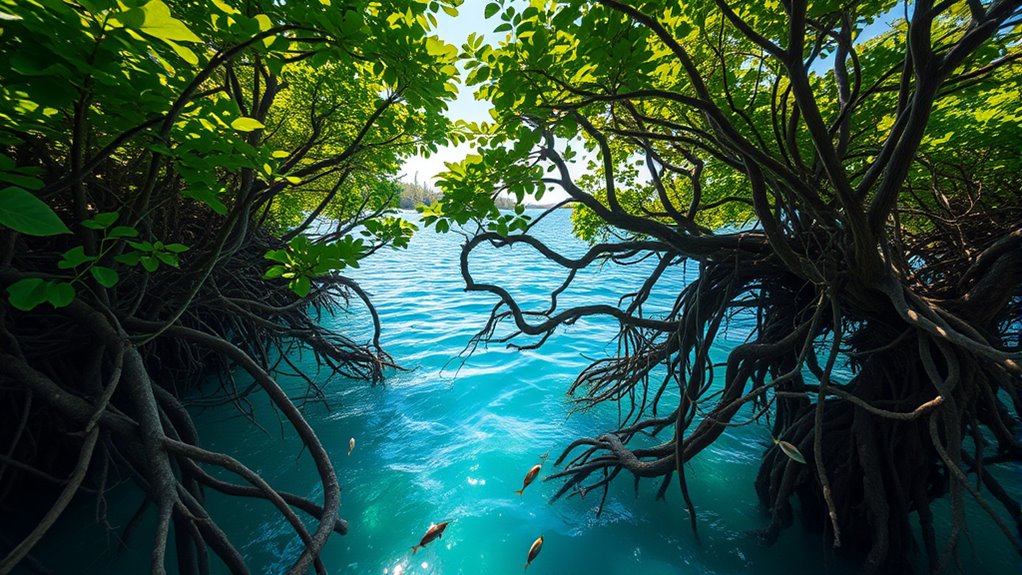
You can boost fish productivity in mangroves by ensuring there’s enough freshwater input, which promotes healthy fish growth. Maintaining healthy, lush vegetation provides shelter and nursery grounds for young fish. Additionally, larger mangrove areas and extensive fringes increase the overall yield by supporting more fish populations. Embracing creative problem-solving can lead to innovative conservation strategies that enhance mangrove resilience and productivity. Moreover, integrating advanced automation technologies can optimize resource management and monitoring efforts in these ecosystems. Implementing sustainable fisheries management practices further ensures long-term productivity and ecosystem health. Incorporating payment solutions into conservation programs can facilitate funding and resource allocation, supporting ongoing preservation efforts. Recognizing the importance of ecosystem services that mangroves provide is crucial for developing comprehensive conservation approaches.
Freshwater Input Boosts Growth
Freshwater input from rivers and rainfall plays a vital role in boosting fish productivity within mangrove ecosystems. It creates a more nutrient-rich environment, supporting the growth of plankton and small invertebrates that serve as food for juvenile fish. The influx of freshwater also maintains optimal salinity levels, which many fish species depend on during their early stages. This balance helps sustain diverse fish populations and encourages breeding and nursery activities. Additionally, freshwater can help flush out pollutants, improving water quality and habitat health. When freshwater input is substantial, it enhances the overall productivity of mangroves, attracting a variety of fish species that rely on these conditions for their development. Moreover, the presence of freshwater influences littoral zones, which are critical habitats for juvenile fish and supporting biodiversity. These zones benefit from the regulation of salinity provided by freshwater, making them ideal nurseries. The nutrient enrichment resulting from freshwater inflows also boosts primary productivity, further supporting the food web. This process is essential for fish recruitment, ensuring sustainable fish populations over time. Consequently, areas with reliable freshwater sources tend to support more abundant and diverse fisheries.
Healthy Vegetation Supports Fish
Healthy mangrove vegetation plays a crucial role in boosting fish productivity by providing essential habitat and food resources. Dense, well-maintained roots offer shelter for juvenile fish and invertebrates, protecting them from predators and harsh conditions. The abundant organic matter from healthy mangroves fuels the food chain, supporting plankton and small prey species that larger fish depend on. Additionally, thriving mangrove trees generate high biomass, which translates into more food and nursery habitats. When mangroves are in good condition, they attract and sustain a diverse array of species, increasing overall fish abundance. The health of the vegetation directly influences the quality and availability of resources, making vibrant mangroves critical for maintaining productive fisheries and supporting local communities that rely on this essential ecosystem. Healthy mangrove vegetation also helps in stabilizing coastlines, reducing erosion, and maintaining water quality, further benefitting fish populations.
Larger Mangrove Areas Improve Yield
Expanding the size of mangrove areas can considerably enhance fish productivity by providing more extensive habitats and nursery grounds. Larger mangrove zones support a greater diversity of species and increase overall fish biomass. When you have more extensive mangroves, there’s a higher likelihood of suitable breeding and juvenile development environments, which boosts fish populations. The length of mangrove margins also plays a pivotal role, as longer edges create more interface with open waters, attracting fish and invertebrates. Additionally, bigger mangrove areas often receive more freshwater input, which further enhances productivity. By protecting or restoring larger mangrove habitats, you directly contribute to healthier fisheries, supporting local communities and economies that depend on abundant, sustainable seafood sources.
Global Significance and Regional Hotspots of Mangrove Fisheries
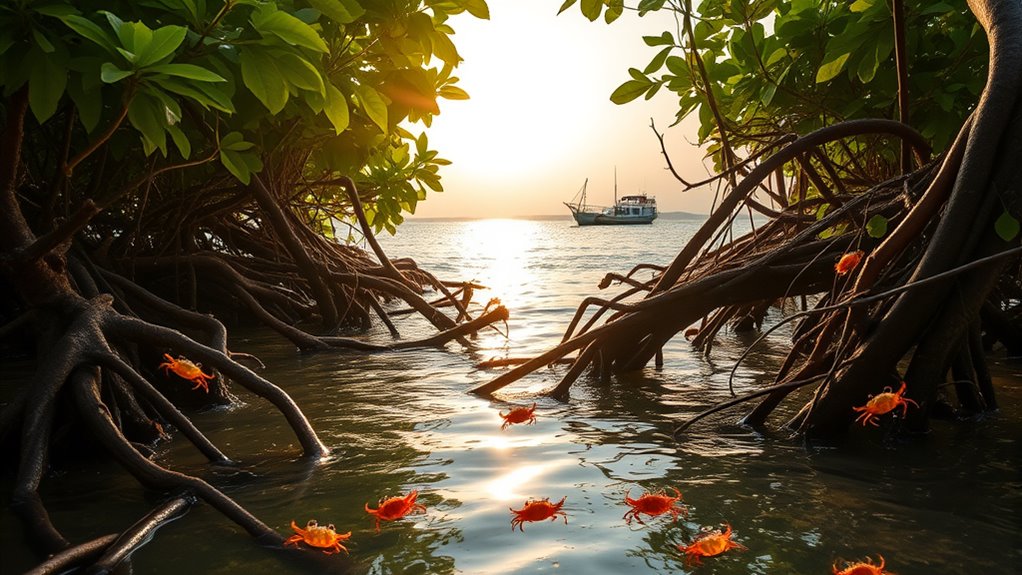
Mangrove forests play a crucial role in supporting global fisheries, with certain regions serving as hotspots for marine biodiversity and fish production. You’ll find key areas like Southeast Asia’s Sundarbans, southern New Guinea, northeast Borneo, and northern South America, especially the Amazon delta. These regions support over 700 billion juvenile fish and invertebrates annually. The top four factors that make these hotspots critical are:
- High mangrove biomass and extensive mangrove margins
- Strong freshwater input boosting productivity
- Dense coastal populations relying on fish resources
- Presence of species like prawns, snappers, and groupers that depend on mangroves for nursery grounds.
These hotspots ensure the sustainability of fisheries essential to millions worldwide. Protecting them is indispensable for global food security and economic stability.
Strategies for Conservation and Restoring Mangrove Ecosystems
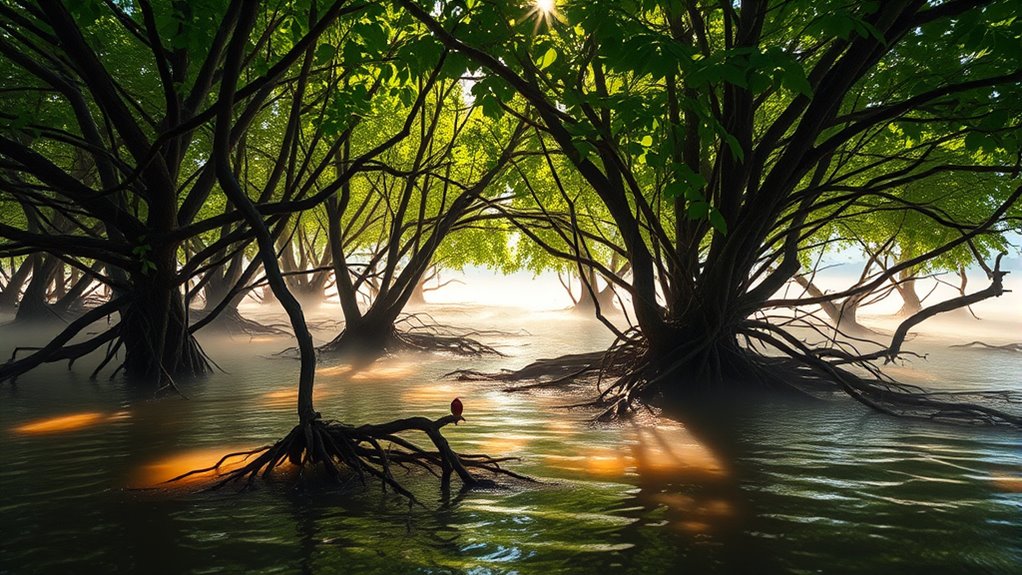
Effective conservation and restoration of mangrove ecosystems require targeted strategies that prioritize areas with the highest ecological and economic benefits. Focus on regions where mangroves support critical fisheries, especially near dense populations dependent on seafood. Implement protected areas, enforce anti-logging laws, and promote sustainable harvesting practices to prevent further loss. Restoration efforts should include replanting native mangrove species, removing invasive plants, and restoring natural water flows to boost productivity. Engage local communities in conservation activities, offering incentives for sustainable practices. Prioritize areas with high fish productivity and human dependence, ensuring efforts yield significant benefits. Regular monitoring and adaptive management are crucial to assess progress and adjust strategies effectively. By targeting high-value sites, you maximize ecological resilience and safeguard fisheries for future generations.
Frequently Asked Questions
How Do Mangroves Specifically Support the Early Life Stages of Fish?
You can see that mangroves support early fish life stages by providing vital nursery grounds. Young fish and invertebrates find shelter among the roots and dense vegetation, protecting them from predators. These habitats offer abundant food and ideal conditions for growth. As they mature, many species use mangroves as a launching point to move offshore, ensuring healthy populations and sustainable fisheries for you and your community.
Which Mangrove-Dependent Species Are Most at Risk From Habitat Loss?
You might not realize it, but mangrove-dependent species like penaeid prawns and snapper face serious risks from habitat loss. These species rely heavily on mangroves as nurseries, similar to how young trees depend on their roots for stability. When mangroves are destroyed, these species struggle to survive, leading to declines in fisheries and threatening livelihoods that depend on them. Protecting mangroves is essential to keep these species and communities thriving.
How Does Mangrove Destruction Impact Local Fisheries Economically?
When mangroves get destroyed, your local fisheries suffer financially. You lose key nursery habitats that support fish populations, leading to lower catches and decreased income. The economic value of fisheries drops markedly, especially in areas where communities depend heavily on seafood. Without healthy mangroves, fish species decline, market supplies shrink, and your community’s livelihood becomes more vulnerable, increasing poverty and reducing food security.
What Are the Most Effective Methods for Restoring Damaged Mangrove Habitats?
Ever wondered how you can best restore damaged mangroves? You should prioritize replanting native species in degraded areas, ensuring proper hydrology and sediment flow. Active restoration involves planting seedlings, removing invasive species, and protecting young forests from further damage. Engaging local communities boosts success and sustainability. Have you considered how restoring mangroves not only rebuilds habitats but also revitalizes fisheries and local economies? Your efforts can make a real difference.
Which Regions Worldwide Rely Most Heavily on Mangrove Fisheries?
You should know that regions like Indonesia, Southeast Asia, the Americas, Brazil, Mexico, and deltaic coasts in Southeast Asia and the Americas rely most heavily on mangrove fisheries. These areas support billions of juvenile fish and invertebrates annually, providing essential food and livelihoods. Protecting and restoring mangroves there is imperative, as they sustain local economies, guarantee food security, and support diverse marine species dependent on these critical habitats.
Conclusion
You might think mangroves are just coastal trees, but they hold the key to global fish stocks. Their health directly impacts fisheries that feed millions. As threats grow, the future of these crucial nurseries hangs in the balance. Will we act in time to protect them? The answer could determine the fate of countless fish and communities. The question is, are you ready to help safeguard these hidden treasures before it’s too late?