
As night falls, a hidden world of creatures wakes up, from insects and mammals to birds and reptiles, all using specialized senses like echolocation and keen olfactory skills to navigate and hunt. You’ll find predators actively hunting while prey animals hide or reduce activity. Artificial lights can disturb these delicate interactions, but efforts to minimize light pollution help preserve this essential ecosystem. To explore how these nocturnal species thrive and support ecosystem balance, keep exploring this fascinating nocturnal universe.
Key Takeaways
- Nocturnal ecosystems include insects, mammals, birds, and reptiles active after sunset, with specialized adaptations like enhanced senses and camouflage.
- Night-active species exhibit behaviors such as hunting, hiding, and territoriality, driven by resource availability and predator presence.
- Nocturnal animals play vital roles in pollination, seed dispersal, and population regulation, supporting ecosystem stability.
- Artificial light pollution disrupts natural behaviors, navigation, and predator-prey dynamics, threatening nocturnal species’ survival.
- Environmental cues like temperature and moonlight shape nocturnal activity patterns and influence sensory adaptations for survival.

The Pebble First Guide to Nocturnal Animals (Pebble Books: Pebble First Guides)
As an affiliate, we earn on qualifying purchases.
As an affiliate, we earn on qualifying purchases.
The Hidden World of Nocturnal Creatures
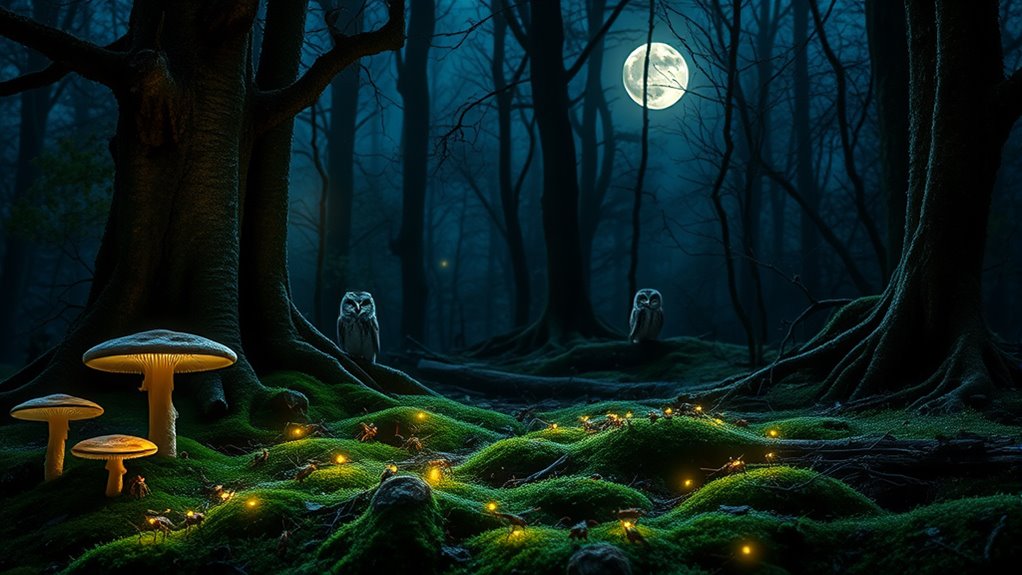
Beneath the cover of darkness lies a vibrant and often unseen world filled with creatures that have adapted to thrive when the sun sets. These nocturnal animals include insects, mammals, birds, and even some reptiles. You might not notice them during the day, but at night, their activity transforms the landscape into a bustling ecosystem. Many have developed specialized senses—large eyes for seeing in low light, acute hearing, and an enhanced sense of smell—to hunt, forage, and communicate in darkness. Some species are masters of camouflage, blending seamlessly with their surroundings, while others rely on sound or scent to navigate. This hidden world operates in complete silence for most humans, yet it’s teeming with life, essential to maintaining the balance of ecosystems. Interestingly, some nocturnal creatures utilize specialized senses like echolocation or heightened olfactory abilities to survive and thrive after dark. These sensory adaptations allow them to detect prey or predators in conditions where visibility is minimal. Additionally, their behavioral patterns often include unique rhythms that help them avoid competition and predators during daylight hours. Many of these animals also exhibit nocturnal activity cycles, which are influenced by environmental factors such as temperature and moonlight.

TELUHA Night Vision Goggles for Adults, Night Vision Binoculars with 5000mAh Rechargeable Battery and 32GB Card, 3" HD Screen for Wildlife Observation, Hunting and Security
Day & Night Vision with 4K Video Recording: Designed for low-light and pitch-dark environments, these night vision goggles…
As an affiliate, we earn on qualifying purchases.
As an affiliate, we earn on qualifying purchases.
Adaptations That Make Night Their Domain
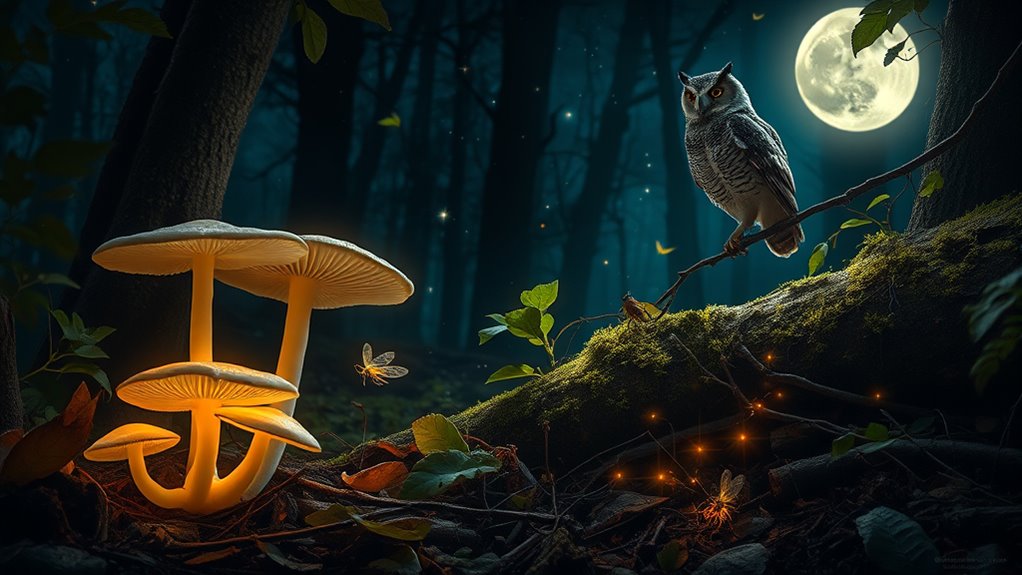
Nocturnal animals have evolved a range of remarkable adaptations that enable them to thrive in low-light conditions. Their eyes, for example, have large pupils and high rod cell density, boosting night vision. You’ll also find acute hearing, like echolocation in bats, guiding them through complete darkness. Additionally, their sense of smell is highly developed, helping locate food when visibility is limited. To maximize their survival, these animals often display specific behaviors:
Nocturnal animals excel in low-light environments through enhanced vision, acute hearing, and a highly developed sense of smell.
- Timing activity to just after sunset or before sunrise to avoid predators and competition.
- Using their enhanced senses for precise navigation and hunting.
- Conserving energy by physiological adjustments to cooler nights.
- Many nocturnal animals rely on specialized sensory organs to detect subtle environmental cues and ensure their survival during the night. Furthermore, some species have developed unique adaptations such as bioluminescence or specialized fur patterns to aid in camouflage and communication in the darkness. These adaptations are often supported by cultural intelligence that helps animals adapt their behaviors based on environmental cues and learned experiences. Recent research also highlights the importance of artificial intelligence in understanding and protecting nocturnal ecosystems, enabling scientists to analyze animal behaviors more effectively. Additionally, genetic variations contribute to the diverse range of adaptations seen among nocturnal creatures, enhancing their ability to survive in specific environments.

TELESIN LPR Light Pollution Reduction Filter for DJI Osmo Action 6, Night Clear Filter, Reduce Light Pollution, Enhance Stars & City Night Shots, HD Optical Glass, Nano Multi-Coated
【Reduce Light Pollution for Clear Night Shots】TELESIN LPR filter for DJI Osmo Action 6 effectively reduces artificial light…
As an affiliate, we earn on qualifying purchases.
As an affiliate, we earn on qualifying purchases.
How Artificial Light Disrupts Nocturnal Life
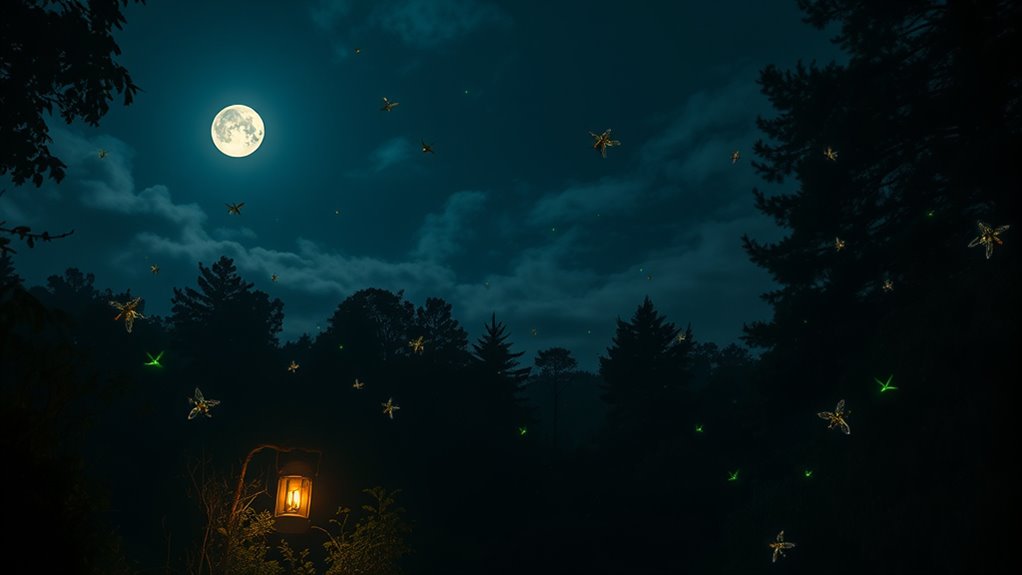
Artificial light at night (ALAN) markedly disrupts the natural behaviors of nocturnal animals by altering their environment in ways they cannot adapt to quickly. It confuses their navigation, feeding, and mating routines by interfering with their internal biological clocks. Bright lights attract insects, drawing predators out of their usual habitats, which can upset predator-prey relationships. Similarly, ALAN can cause disorientation, leading animals to abandon safe zones or become more vulnerable to threats. Skyglow and localized lighting extend the disturbance over large areas, reducing habitat quality and forcing animals to alter movement patterns. As a result, their survival, reproductive success, and ecological roles suffer, ultimately threatening the stability of nocturnal ecosystems and the services they provide. Implementing vertical storage solutions and other space-maximizing strategies can help reduce the need for excessive outdoor lighting, thereby lessening environmental disturbance. Additionally, reducing light pollution through strategic lighting design can help preserve the natural nocturnal environment and support ecosystem health. Using modern, energy-efficient lighting technology can also minimize power consumption, which further lessens environmental impact and helps sustain healthy ecosystems. Recognizing the importance of ecosystem balance and implementing measures to reduce artificial light impact is crucial for maintaining biodiversity and ecosystem resilience in the face of increasing urbanization.

National Geographic Bug Catcher Kit for Kids – Kids Bug Habitat with Magnified Viewer, Bug Box, & Tweezers, Insect Habitat, Outdoor Toys, Bug Catching Kit, Bug Box, Easter Basket Gifts for Kids
CATCH BUGS & OBSERVE THEM UP CLOSE – With this bug catcher and habitat kit, kids can capture…
As an affiliate, we earn on qualifying purchases.
As an affiliate, we earn on qualifying purchases.
The Role of Nocturnal Species in Ecosystem Stability

Have you ever considered how night-time creatures keep ecosystems balanced? Nocturnal species play crucial roles that support stability and diversity. First, they help regulate populations by preying on insects and other invertebrates, preventing overpopulation. Second, they assist in pollinating night-blooming plants and dispersing seeds, ensuring plant regeneration. Third, their predator-prey interactions during the night maintain biodiversity and prevent any one species from dominating. These species occupy unique ecological niches, complementing daytime organisms, and boosting ecosystem resilience. Their participation in decomposition processes recycles nutrients, supporting plant growth. Furthermore, their adaptive behaviors enable them to survive and thrive in low-light conditions, further contributing to ecosystem health. Their specialized sensory adaptations allow them to navigate and hunt effectively in darkness, highlighting their vital role. Additionally, nocturnal species often have unique physiological features that help them conserve energy during cooler night temperatures, which is essential for their survival. Without them, ecosystems risk destabilization, reduced biodiversity, and diminished productivity. Night-active animals are essential for maintaining the delicate balance that sustains healthy, functioning environments after dark.
Behavioral Patterns and Spatial Movements After Sunset

As night falls, many animals actively shift their behaviors and move across their habitats to optimize survival, resource acquisition, and predator avoidance. You’ll notice predators like owls and bats become more active, hunting and patrolling their territories using specialized senses. Prey animals, such as rodents and insects, often reduce their activity or change locations to avoid threats, sticking to cover and hiding spots. Nocturnal animals also adjust their spatial movements based on resource availability and predator presence, often establishing and defending territories with specific boundaries. Migration, breeding, and feeding cycles become synchronized with natural night cues, ensuring reproductive success and energy efficiency. These behaviors and movements help nocturnal species thrive in darkness, maintaining ecosystem balance and resilience amid the challenges of nighttime environments. Additionally, many species exhibit adaptive behaviors during nighttime, demonstrating their ability to modify routines in response to changing environmental conditions. Such behavioral flexibility is critical for survival in fluctuating environments, allowing species to respond effectively to disturbances and resource shifts. For example, territory establishment plays a vital role in reducing conflicts and maximizing resource use among nocturnal animals. Moreover, the development of specialized sensory organs enhances their ability to navigate and hunt effectively in low-light conditions. The presence of environmental cues such as temperature and moonlight further influences nocturnal activity patterns and spatial movements.
Frequently Asked Questions
How Do Nocturnal Species Communicate in Darkness?
You might notice that nocturnal species communicate through specialized senses. They use sounds like calls, echolocation, or vibrations that travel through the air or ground. Some rely on scent markings to send messages, while others use visual signals in low light or bioluminescence. These adaptations help them find mates, warn others of danger, or coordinate activities, all without relying on daylight.
What Are the Most Vulnerable Nocturnal Animals to Light Pollution?
You’re most vulnerable to light pollution if you’re a small, low-light-adapted nocturnal animal like moths, amphibians, or certain bats. Artificial light disorients your navigation, disrupts your foraging, and hampers your reproductive behaviors. These disturbances increase your risk of predation, reduce your survival chances, and can lead to population declines. Because your ecological roles are essential, the impact of light pollution threatens not just you but the entire ecosystem’s balance.
Can Artificial Lighting Be Designed to Minimize Ecological Disruption?
You can design artificial lighting to minimize ecological disruption by using fixtures that direct light downward, reducing skyglow and spillage. Choose lights with spectra that emit less blue and ultraviolet, which attract and disorient nocturnal animals. Implement motion sensors and timers to limit unnecessary illumination. These strategies help preserve natural behaviors, protect biodiversity, and maintain ecosystem balance, proving that thoughtful lighting can coexist with healthy, thriving nocturnal ecosystems.
How Does Climate Change Affect Nocturnal Animal Behaviors?
Climate change alters nocturnal animal behaviors by shifting temperature and weather patterns, which can disrupt their activity cycles. You might notice animals starting their nightly routines earlier or later, or reducing activity during extreme conditions. These changes affect foraging, mating, and migration, making animals more vulnerable. As you observe, these behavioral shifts threaten ecosystem stability, as they disturb predator-prey dynamics and resource availability, ultimately impacting biodiversity and resilience at night.
What Are Effective Strategies to Protect Nocturnal Ecosystems?
Did you know that nearly 50% of global biodiversity is nocturnal? To protect these ecosystems, you should reduce light pollution by switching to darker, downward-facing lights and limiting nighttime illumination. Support conservation efforts, create dark sky reserves, and promote awareness about artificial light’s impact. By taking these steps, you help guarantee nocturnal species can thrive, maintaining essential ecological processes and biodiversity for future generations.
Conclusion
Remember, the night reveals a world unseen by day, full of life and essential connections. By understanding nocturnal ecosystems and their delicate balance, you realize how much depends on these hidden creatures. Disrupting their domain threatens overall ecosystem health, reminding us that “the night hides its treasures for those who seek.” Stay curious and mindful, because safeguarding these darkened spheres ensures the harmony of life after sunset.