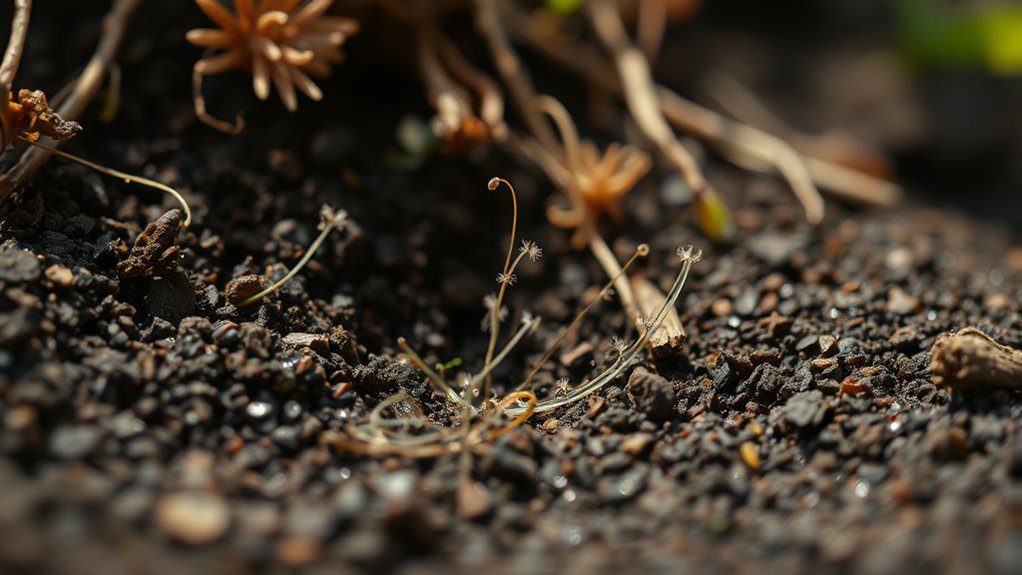

The unseen world of soil microbes is crucial for every ecosystem’s health. These tiny organisms, including bacteria, fungi, and archaea, drive key processes like nutrient cycling, plant nourishment, and disease suppression. They help plants grow stronger and protect against pests, while also influencing climate by regulating greenhouse gases. Their diversity keeps ecosystems resilient. Exploring this hidden world reveals how indispensable soil microbes are for sustaining life—continue to uncover their surprising roles and importance.
Key Takeaways
- Soil microbes, including bacteria, fungi, and archaea, are essential for nutrient cycling and maintaining soil fertility.
- They enhance plant growth by fixing nitrogen, dissolving minerals, and forming symbiotic relationships like mycorrhizae.
- Microorganisms protect plants from diseases and pests through competition, antibiotic production, and biofilm formation.
- Soil microbes influence climate regulation by controlling carbon storage and greenhouse gas emissions.
- They are vital for environmental cleanup, degrading pollutants and aiding bioremediation of contaminated sites.
Top picks for "unseen world importance"
Open Amazon search results for this keyword.
As an affiliate, we earn on qualifying purchases.
The Incredible Diversity of Soil Microorganisms
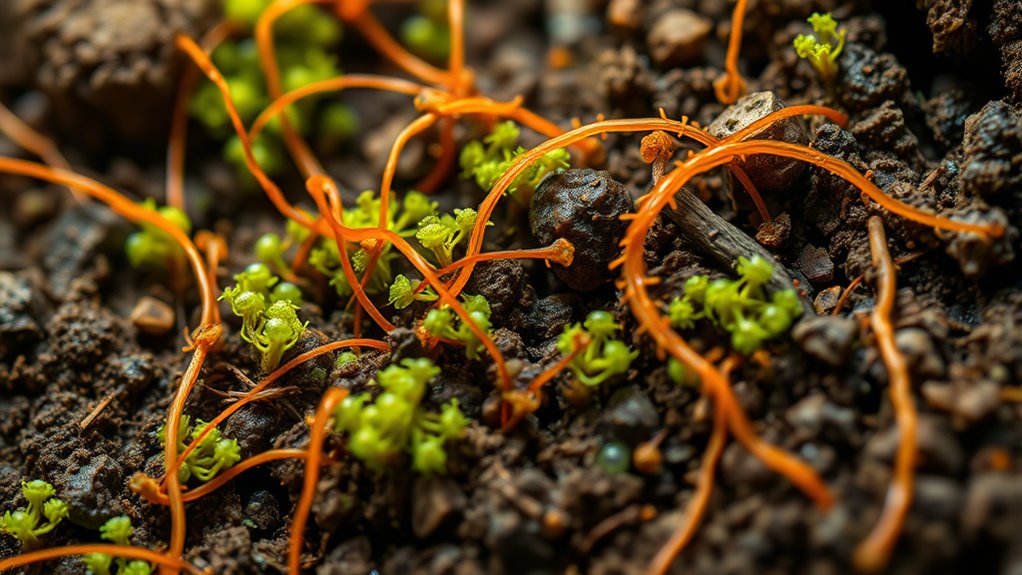
Soil harbors an astonishing variety of microorganisms, making it the most biodiverse habitat on Earth. In just one teaspoon of topsoil, you find about 1 billion microscopic cells and roughly 10,000 different species. A single gram of soil can contain billions of bacteria alone. This incredible diversity includes bacteria, fungi, archaea, protozoa, and viruses, each playing essential roles in the ecosystem. Fungi, in particular, stand out as one of the most biodiverse groups globally. These microorganisms thrive in complex networks, shaping soil structure, influencing nutrient availability, and supporting plant life. Their diversity ensures resilience, allowing soil ecosystems to adapt and recover from disturbances. This unseen world forms the foundation of life, making soil a truly remarkable and crucial habitat. Additionally, microbial diversity contributes significantly to soil health and fertility, underscoring the importance of conserving these microscopic communities. Recognizing the complex interactions among these organisms highlights how vital they are for maintaining ecosystem stability. Moreover, the symbiotic relationships between microbes and plants are vital for nutrient exchange and overall plant health.
Microbial Roles in Nourishing Plants and Recycling Nutrients
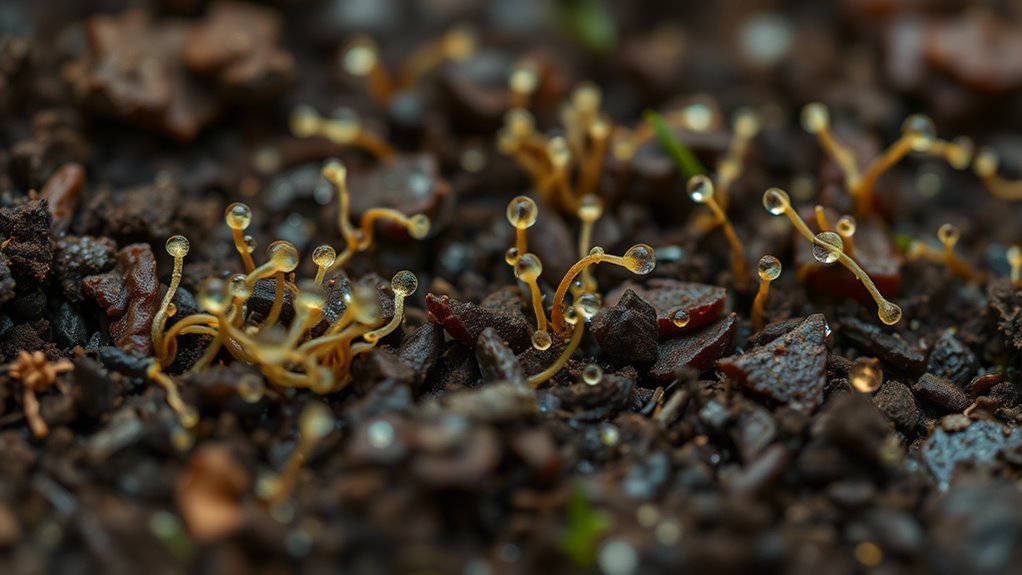
Microbes play an essential role in nourishing plants by actively cycling essential nutrients like nitrogen, phosphorus, and potassium. Bacteria and fungi break down organic matter, releasing nutrients that plants absorb through their roots. Nitrogen-fixing bacteria convert atmospheric nitrogen into forms plants can use, boosting growth. Fungi, especially mycorrhizae, extend root systems, increasing access to nutrients and water. Microbes dissolve minerals, making phosphorus and potassium available in soluble forms. They accelerate decomposition of dead organisms and plant litter, recycling nutrients back into the soil. This ongoing microbial activity maintains soil fertility and supports healthy plant development. Without these microbial processes, nutrients would remain locked in organic matter, limiting plant growth and disrupting ecosystem productivity. Soil microbial activity is crucial for maintaining the delicate balance of nutrient cycles in ecosystems. Your soil’s vitality depends heavily on these unseen microbial workers. Additionally, microbial diversity enhances the resilience of soil ecosystems against environmental stresses.
Guardians of Plant Health: Microbes Against Disease and Pests
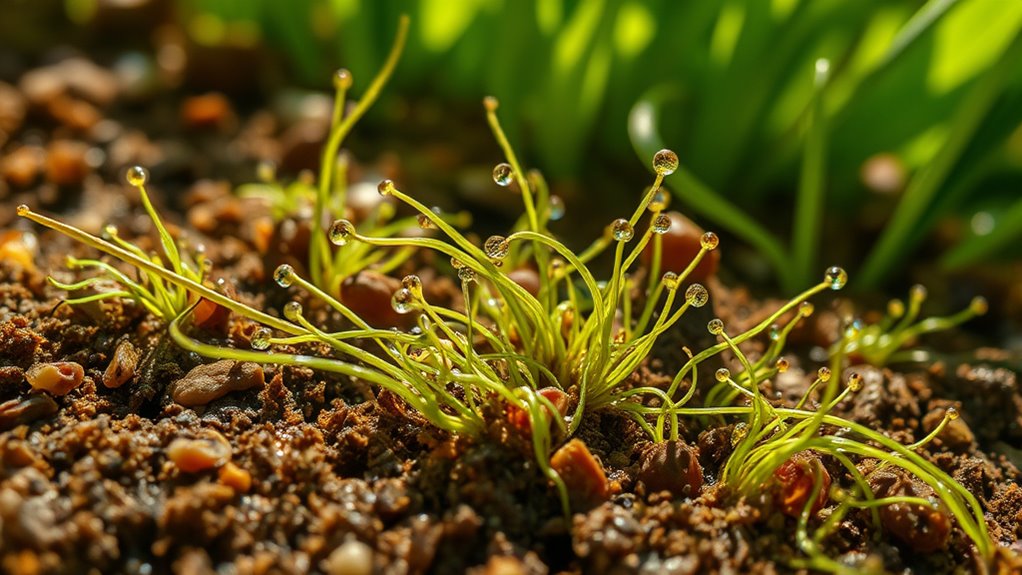
Many soil microorganisms actively defend plants by suppressing harmful pathogens and pests, playing a crucial role in natural plant protection. They do this through competition, producing antibiotics, and inducing plant defenses. Beneficial microbes like certain fungi and bacteria form protective biofilms or root associations that block pathogen entry. They also release compounds that inhibit pest development. Here’s a closer look:
| Microbe Type | Function | Effect on Plants |
|---|---|---|
| Bacteria | Produce antibiotics | Prevent bacterial infections |
| Fungi | Outcompete pathogens | Reduce disease spread |
| Archaea | Enhance immune response | Boost plant resilience |
| Protozoa | Control pest populations | Reduce pest damage |
Additionally, ongoing research into microbial interactions reveals potential for developing sustainable biological control methods.
Climate Connection: How Soil Microbes Regulate Carbon and Greenhouse Gases
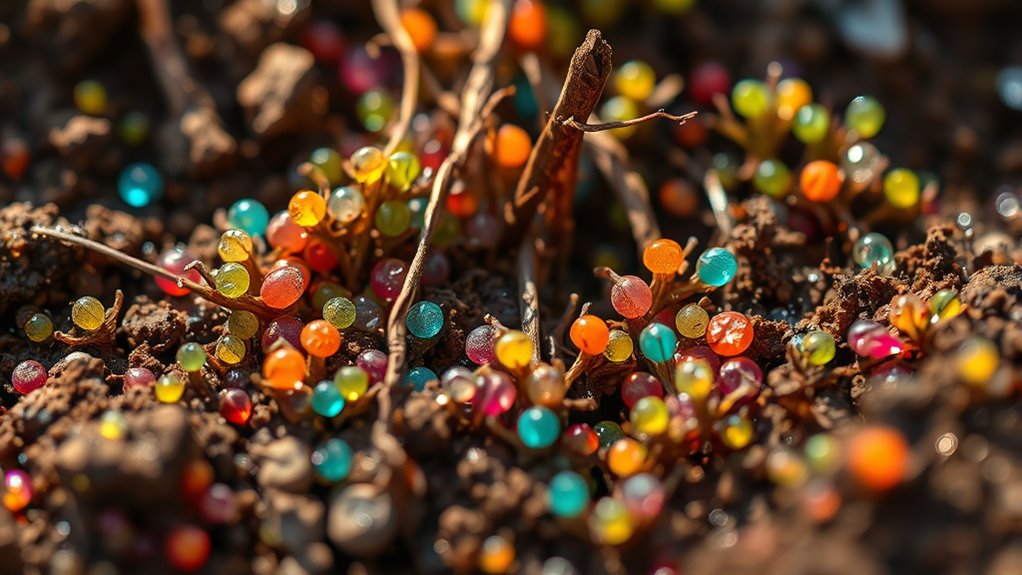
Since they drive the processes that determine whether carbon remains stored underground or is released into the atmosphere, soil microbes play a crucial role in regulating greenhouse gases. They recycle carbon from dead plant material, releasing carbon dioxide during decomposition. Microbial activity influences if carbon is stored in soil or emitted into the air. Bacteria and fungi, for example, break down organic matter, releasing greenhouse gases like CO2 and methane. Warmer temperatures boost microbial respiration, potentially increasing greenhouse gas emissions. Different microbes also produce and consume gases like methane and nitrous oxide, affecting their levels in the atmosphere. Your soil’s microbial community determines whether it acts as a carbon sink or source. Additionally, the presence of diverse microbial species is essential for maintaining soil health and ecosystem stability. This microbial diversity is vital for ecosystem resilience, helping ecosystems adapt to environmental changes. Moreover, understanding microbial functions can help develop strategies to mitigate climate change impacts. In essence, these microscopic workers directly impact global climate by controlling greenhouse gas fluxes in ecosystems and influencing the overall carbon cycle.
Microbial Solutions for Environmental Cleanup and Pollution Control
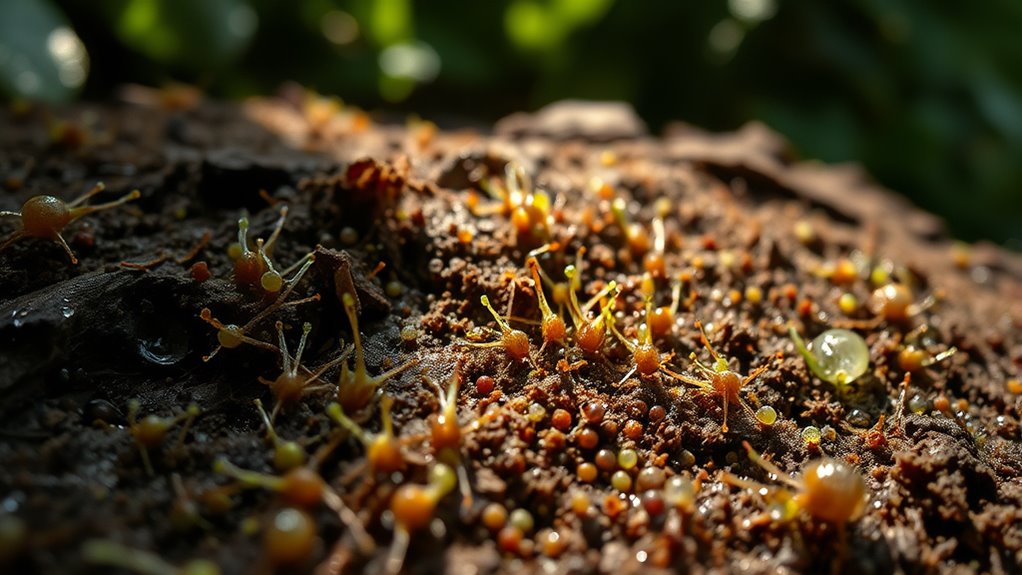
Microbial solutions play an essential role in environmental cleanup and pollution control by harnessing the natural ability of microorganisms to degrade contaminants. You can use microbes to break down hazardous substances like oil spills, pesticides, and industrial waste, transforming them into harmless compounds. Bioremediation involves introducing or stimulating native microbes to clean contaminated soils and water efficiently. For example, bacteria and fungi can digest hydrocarbons in oil, reducing environmental damage. You might also implement bioaugmentation, adding specialized microbes to speed up cleanup. Additionally, microbes help eliminate heavy metals and toxins through processes like biosorption and transformation. These natural solutions are eco-friendly, cost-effective, and sustainable, reducing reliance on chemical treatments. Understanding microbial diversity is crucial for optimizing bioremediation strategies and ensuring effective environmental restoration. Incorporating knowledge of microbial metabolic pathways can further enhance the efficiency of cleanup efforts, making bioremediation a powerful tool for restoring ecosystems and protecting public health. Moreover, regional resources and tools, such as local strains of microbes and environmental data, can be leveraged to tailor bioremediation approaches to specific contamination scenarios. Recognizing the importance of supporting microbial activity in remediation processes can lead to more successful and resilient environmental interventions.
Frequently Asked Questions
How Do Soil Microbes Adapt to Changing Environmental Conditions?
You might notice that soil microbes adapt by changing their metabolic processes and community composition in response to environmental shifts like temperature, moisture, or nutrient levels. They quickly adjust gene expression to survive stress or exploit new resources. Microbes also form symbiotic relationships with plants or produce protective compounds, ensuring resilience. This adaptability helps maintain soil health, nutrient cycling, and overall ecosystem stability despite changing conditions.
What Are the Main Factors Influencing Soil Microbial Diversity?
Imagine a bustling city, where diversity thrives amid varying neighborhoods. Similarly, soil microbial diversity depends on factors like pH, moisture, temperature, and organic matter. You’ll find more species where conditions are stable and nutrient-rich, much like a vibrant community. Changes in land use, pollution, or climate disrupt this balance, reducing diversity. Understanding these influences helps you protect and nurture the rich microbial life crucial for ecosystems.
Can Soil Microbes Be Engineered to Enhance Crop Yields?
Yes, you can engineer soil microbes to boost crop yields. By selecting or modifying beneficial bacteria, fungi, and archaea, you enhance nutrient cycling, disease resistance, and plant growth promotion. Using biofertilizers and microbial inoculants, you can improve soil health and productivity. Advances in biotechnology enable precise manipulation of microbial communities, making it easier for you to optimize crop performance, reduce chemical inputs, and promote sustainable agriculture.
How Do Soil Microbes Interact With Plant Roots at the Molecular Level?
You might think soil microbes only passively exist around roots, but they actively communicate at the molecular level. They release signaling molecules called exudates, which trigger plant responses like nutrient uptake and immune defenses. In turn, plants secrete specific compounds that attract beneficial microbes. This molecular dialogue enhances plant growth, resilience, and nutrient absorption, creating a symbiotic relationship essential for ecosystem health and agricultural productivity.
What Future Technologies Could Harness Microbes for Climate Mitigation?
Future technologies could harness microbes for climate mitigation by engineering microbial communities to enhance carbon sequestration and reduce greenhouse gases. You might develop bioengineered microbes that absorb more CO2 or produce less methane and nitrous oxide. Using gene editing and synthetic biology, you’ll optimize microbes’ natural abilities to store carbon underground or break down pollutants, helping to regulate climate change and promote sustainable ecosystems.
Conclusion
Think of soil microbes as an unseen orchestra working tirelessly beneath your feet, each playing a crucial role in sustaining life. Just like a conductor guides musicians to create harmony, these tiny organisms regulate nutrients, fight pests, and curb climate change. Without them, our ecosystems would falter. Remember, every handful of soil contains billions of microbes—small but mighty—reminding you that even the tiniest beings can have the biggest impact on our planet’s health.