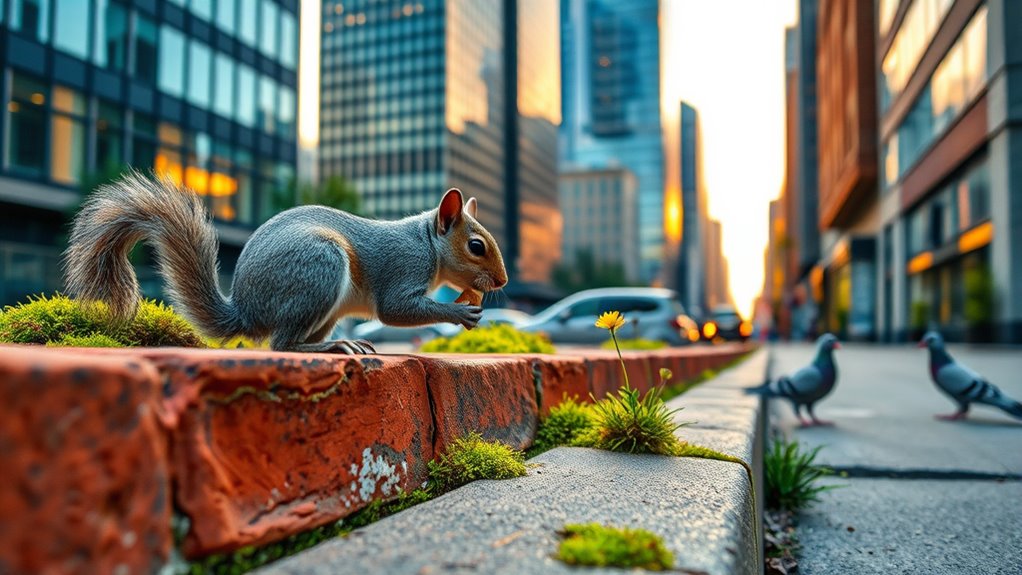

In city ecosystems, wildlife adapts by changing behaviors, like foraging at night or nesting on buildings, to survive amid heat islands and pollution. Some species develop genetic resilience, helping them tolerate contaminants and temperature shifts. Urban green spaces and corridors provide essential shelter and food, while community efforts support coexistence and conservation. If you want to understand how these adaptations shape sustainable city living, keep exploring the fascinating ways urban wildlife thrives despite concrete challenges.
Key Takeaways
- Urban wildlife adapt through behavioral changes like altered activity patterns and innovative foraging strategies to exploit city resources.
- Many species develop physiological adaptations, such as thicker fur or stress responses, to survive increased temperatures and pollution.
- Green spaces and artificial habitats serve as refuges, supporting biodiversity and providing shelter and food for urban animals.
- Wildlife corridors and habitat modification efforts enhance connectivity, allowing species to safely move and thrive amid urban development.
- Community engagement and conservation initiatives promote coexistence, monitor animal populations, and facilitate adaptive strategies in city ecosystems.
Urban Heat Islands and Temperature Tolerance

Urban heat islands markedly increase temperatures in cities compared to surrounding natural areas, creating challenging conditions for local wildlife. You might notice how animals adapt by shifting their activity patterns, becoming more active during cooler parts of the day. Some species develop physiological changes, like thicker fur or altered stress responses, to cope with higher temperatures. Urban-dwelling creatures, such as birds and insects, also demonstrate behavioral flexibility, adjusting nesting sites or seeking shaded areas to avoid heat stress. These adaptations aren’t accidental; they’re driven by the intense heat that urban environments generate. As cities continue to grow, understanding how wildlife tolerates these temperature increases helps predict future changes in urban ecosystems and guides conservation efforts to support resilient populations. Additionally, the presence of diverse natural materials in urban areas can influence the microclimates that help animals manage thermal stress, highlighting the importance of urban greenery in supporting wildlife resilience.
Pollution and Its Impact on Wildlife Adaptation
Pollution poses a significant challenge to wildlife adapting to city environments, as contaminants like heavy metals, hydrocarbons, and excess nutrients accumulate in soil, water, and sediments. These pollutants can impair physiological functions, reduce reproductive success, and cause health issues in animals. Many species develop tolerance or resistance over time, often through genetic adaptations. For example, urban mollusks show increased resilience to heavy metals, while some bird populations exhibit altered detoxification pathways. Dog names can even influence how animals are perceived and treated in urban settings, affecting their survival and integration. Additionally, the presence of sound design elements in urban environments can influence animal behavior and communication, either facilitating or hindering their adaptation. However, pollution also threatens biodiversity by eliminating sensitive species and disrupting food webs. Animals may shift their diets or behaviors to cope with contaminated environments. Despite these adaptations, ongoing pollution pressures can outpace wildlife’s ability to adjust, leading to long-term declines or local extinctions if pollution is not managed effectively. The development of adaptive traits in some species demonstrates their capacity to survive in contaminated habitats, yet this process varies widely among different organisms.
Behavioral Flexibility in City-Dwelling Animals

City-dwelling animals demonstrate remarkable behavioral flexibility, allowing them to thrive amid changing and often stressful environments. You’ll notice that urban animals quickly adapt their routines, diets, and movements to exploit new resources and avoid dangers. For example, pigeons adjust their feeding habits based on available human food, while foxes learn to navigate streets and avoid human activity. Many species modify their nesting sites, choosing buildings or bridges instead of natural trees. This adaptability helps them survive pollution, noise, and habitat fragmentation. Urban animals also display altered activity patterns, becoming more nocturnal to avoid human interactions. Their ability to modify behavior and develop cultural intelligence ensures they persist despite the rapid changes urbanization brings. Recognizing these behavioral adaptations reveals how resilient wildlife can be in the face of urban challenges. Their capacity for behavioral flexibility is key to their survival in unpredictable environments. Your observations reveal that these behavioral shifts are vital for their resilience and success in cities. Their ability to modify behavior ensures they persist despite the rapid changes urbanization brings. Moreover, many species are learning to utilize urban resources, such as trash or human-provided food, which further supports their adaptability. Additionally, some animals develop innovative foraging strategies that help them access food in novel urban settings.
Genetic Resilience in Shoreline Species
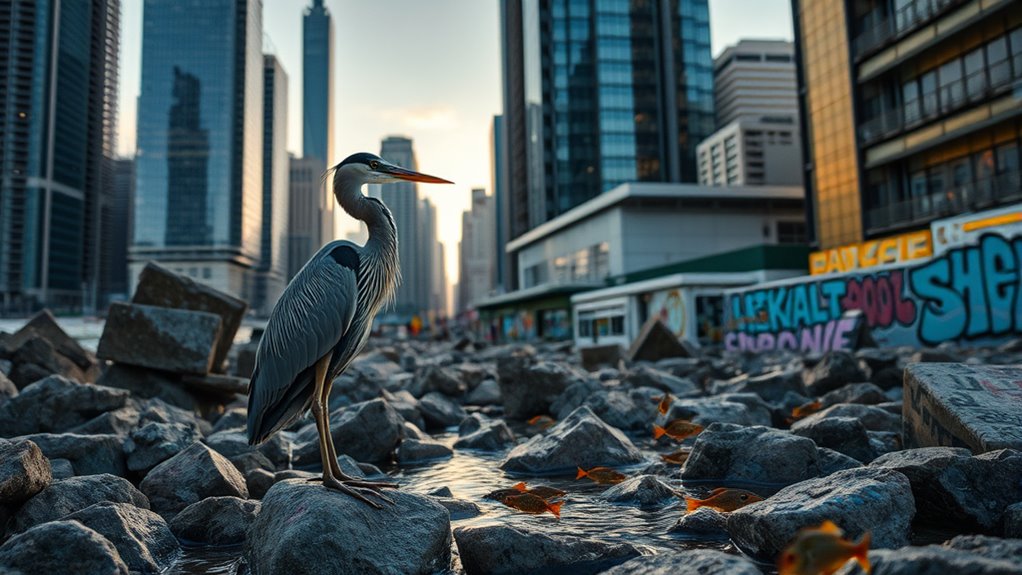
Shoreline species exposed to human-altered environments often develop remarkable genetic resilience that enables them to withstand multiple stressors. This resilience arises from rapid genetic adaptations driven by pollution, temperature fluctuations, and habitat disturbance. For example, blue mussels in urban areas show genetic changes that boost their ability to tolerate heavy metals and variable salinity. Amphipods living along polluted coastlines have evolved enhanced detoxification pathways, making them more resilient to contaminants. These genetic shifts occur over surprisingly short periods, allowing populations to survive despite ongoing environmental challenges. Such resilience isn’t random; it reflects selective pressures that favor adaptable genes. Additionally, understanding the role of genetic resilience can help conservation efforts by highlighting the importance of minimizing human-induced stressors that disrupt natural adaptive processes. Recognizing these adaptive mechanisms emphasizes the need to protect and preserve the genetic diversity that underpins species’ ability to cope with environmental change. Furthermore, urban environmental stressors play a significant role in shaping these rapid genetic adaptations, underscoring the interconnectedness of urbanization and ecological resilience. Moreover, rapid genetic adaptation demonstrates how quickly species can respond to environmental pressures, highlighting the dynamic nature of evolutionary processes in urban ecosystems. Research shows that these adaptations are often facilitated by selective pressures, which accelerate evolutionary change in urban habitats.
Urban Biodiversity Hotspots and Species Richness

Urban environments surprisingly host a rich diversity of species, often surpassing expectations based on their dense infrastructure. Cities create unexpected biodiversity hotspots, supporting many threatened and common species alike. You’ll find pollinators like bees and butterflies thriving in urban gardens, thanks to deliberate planting. Urban parks and green roofs serve as refuges, increasing species richness within city limits. These areas often host foxes, hedgehogs, and amphibians, benefiting from reduced predator presence and ample food sources. The presence of local laws and conservation efforts also plays a key role in protecting and maintaining urban biodiversity. Additionally, increased public awareness and community involvement contribute significantly to conservation success in urban areas. Cities also benefit from urban planning initiatives that incorporate natural habitats into development projects, further supporting biodiversity. Moreover, ongoing research into urban ecology continues to reveal the complex interactions that sustain these vibrant ecosystems. Understanding the importance of native plant species can also help foster resilient urban habitats. Below is a table illustrating urban biodiversity components:
| Biodiversity Features | Examples |
|---|---|
| Pollinator populations | Bees, butterflies |
| Urban green spaces | Parks, gardens |
| Mammalian residents | Foxes, hedgehogs |
| Aquatic species | Amphipods, mussels |
| Threatened species | Birds, reptiles |
This diversity highlights cities’ role as essential habitats amid concrete landscapes.
Food Sources and Shelter Opportunities in Cities
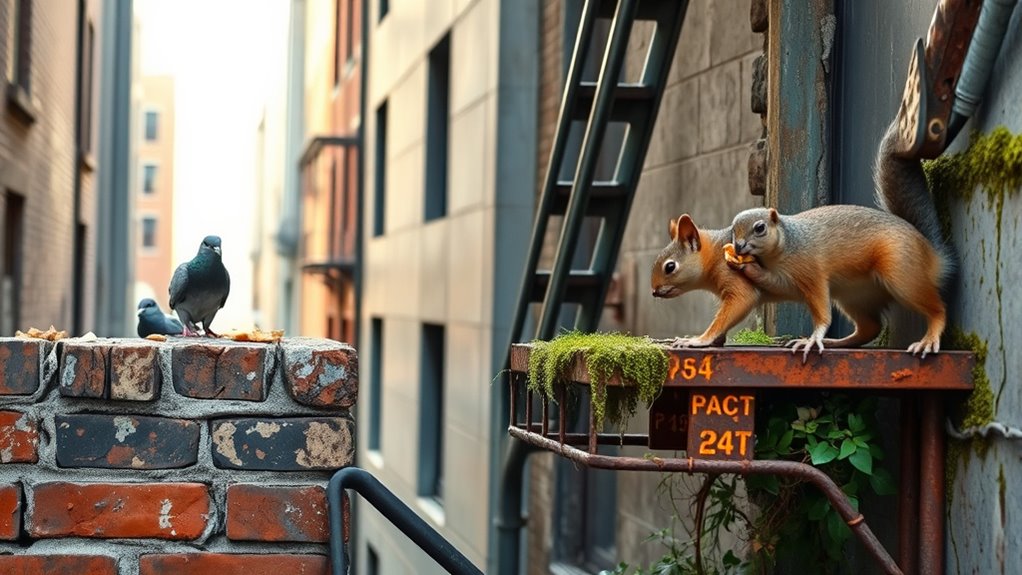
Cities offer abundant food sources and shelter opportunities that support diverse wildlife populations. You’ll notice animals scavenging from trash cans, feeding on discarded food, or exploiting intentional feeding by residents. Urban green spaces, parks, and building ledges create shelter options, giving animals places to rest, nest, or hide from predators. Tall structures like skyscrapers serve as nesting sites for birds such as peregrine falcons, while underground tunnels and sewer systems provide refuge for small mammals and amphibians. Artificial structures like birdhouses, green roofs, and abandoned buildings expand available habitats. The consistent availability of food and shelter helps urban wildlife adapt quickly, thrive, and maintain population stability despite the challenges of the city environment. This resilience demonstrates their ability to exploit human-made resources effectively. Additionally, urban biodiversity is often enhanced by the presence of water features like fountains and ponds, which attract various species and support their survival. The availability of such resources encourages urban wildlife adaptation, allowing animals to survive and even flourish in metropolitan settings. Moreover, human influence can sometimes lead to increased interactions between animals and people, fostering both coexistence and conflict.
Habitat Modification and Wildlife Corridors
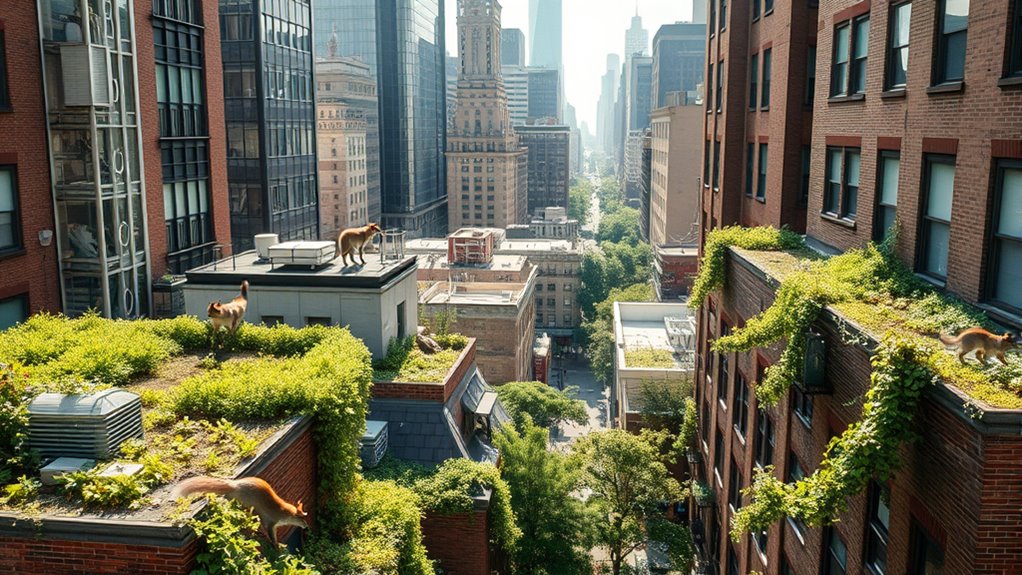
You can enhance urban wildlife movement by designing greenways that connect parks and natural areas. Creating dedicated wildlife pathways helps animals navigate busy cityscapes safely and access essential resources. Smart planning ensures these corridors support biodiversity and reduce human-wildlife conflicts. Additionally, incorporating habitat modification strategies can further improve the effectiveness of these corridors in supporting urban biodiversity. Recognizing relationships and fostering open dialogue between urban planners and ecologists can lead to more sustainable and adaptive solutions.
Designing Urban Greenways
Designing effective greenways involves creating interconnected habitats that facilitate wildlife movement and support biodiversity within urban landscapes. These corridors serve as essential links, allowing animals to access food, shelter, and breeding sites safely. Your goal is to integrate natural features like trees, shrubs, and water bodies into city planning. Consider the layout below to visualize how greenways connect various habitats:
| Habitat Type | Key Features | Wildlife Benefits |
|---|---|---|
| Urban parks | Trees, lawns | Shelter, foraging grounds |
| Green rooftops | Native plants, soil | Pollinators, small birds |
| River corridors | Water, riparian zones | Aquatic and semi-aquatic species |
| Street medians | Native vegetation | Connectivity for small mammals |
| Community gardens | Flowerbeds, hedges | Bees, butterflies, pollinators |
This strategic design encourages movement, reduces human-wildlife conflicts, and boosts urban biodiversity.
Creating Wildlife Pathways
Creating wildlife pathways involves modifying urban landscapes to connect fragmented habitats and facilitate safe animal movement. You can do this by designing green corridors that link parks, gardens, and open spaces, allowing animals to migrate without crossing busy roads or developed areas. Incorporating native vegetation along these routes provides shelter and food sources, encouraging species to utilize them regularly. Governments and urban planners work together to identify critical habitat gaps and prioritize corridor creation, ensuring connectivity across neighborhoods. Open space corridors also help reduce human-wildlife conflicts by guiding animals away from residential areas. Reclaiming abandoned railways or utility corridors as greenways enhances biodiversity and resilience, supporting urban wildlife’s adaptation to the concrete jungle. Your involvement in advocating for these pathways can directly improve urban ecosystem health.
Human-Wildlife Conflicts and Management Strategies
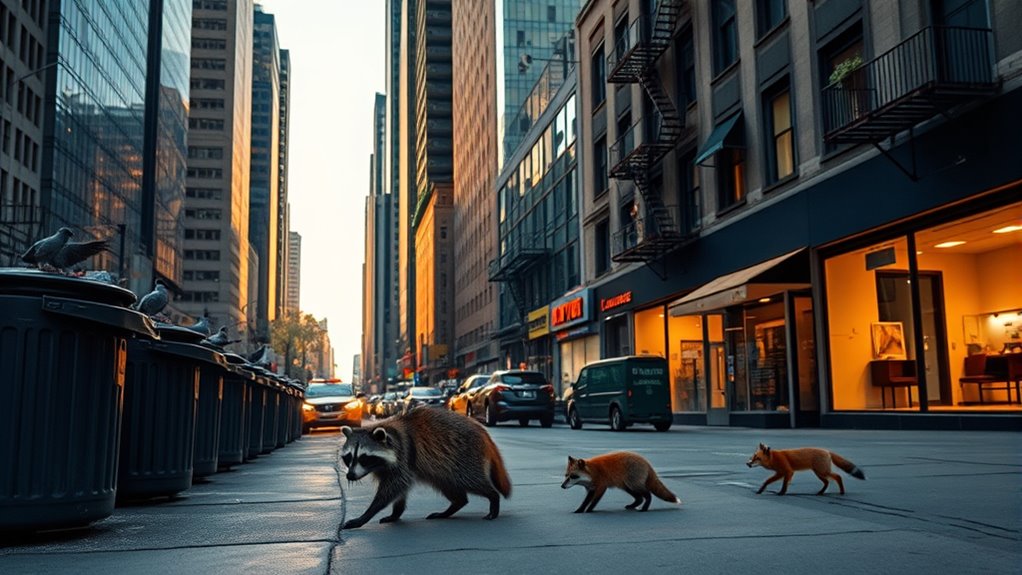
Human-wildlife conflicts in urban areas arise when animals adapt to city environments and interact with people, pets, or property in ways that can cause concern or damage. You might notice foxes rummaging through trash or badgers burrowing near homes, which can lead to property issues or safety risks. Managing these conflicts requires active monitoring, public education, and preventive measures like secure trash bins or barriers. Citizen science programs help track wildlife movements and behaviors, informing targeted responses. Building public awareness about species-specific behaviors fosters tolerance and reduces fear-driven actions. Urban planners and ecologists also collaborate to design spaces that minimize conflict, such as wildlife corridors or buffer zones. Effective management balances conservation needs with human safety, ensuring coexistence in the evolving city landscape.
The Role of Urban Rewilding Initiatives
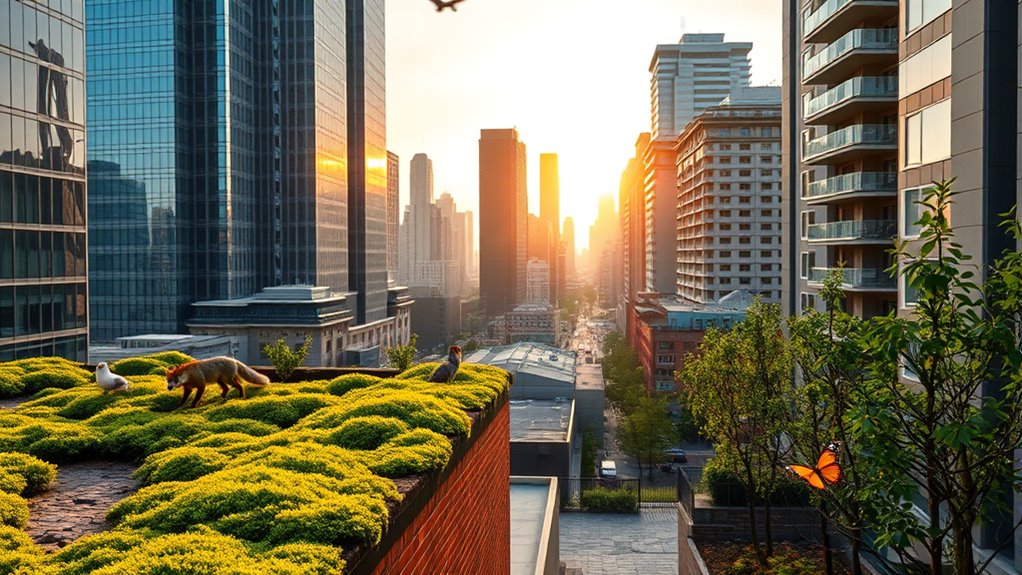
Urban rewilding initiatives play a essential role in restoring natural processes and enhancing biodiversity within city environments. By transforming neglected spaces into thriving habitats, you help create corridors that connect fragmented ecosystems, allowing wildlife to move safely and access resources. These projects often involve planting native vegetation, installing green roofs, and establishing protected areas, which increase habitat complexity and support species adaptation. Rewilding also improves ecosystem resilience by mitigating urban heat effects and filtering pollutants. As you participate in or support these initiatives, you help foster ecological balance, benefiting both wildlife and residents. Ultimately, urban rewilding promotes a healthier environment, encourages coexistence, and transforms cities into vibrant, dynamic ecosystems where urban wildlife can flourish alongside human communities.
Public Engagement and Citizen Science Contributions
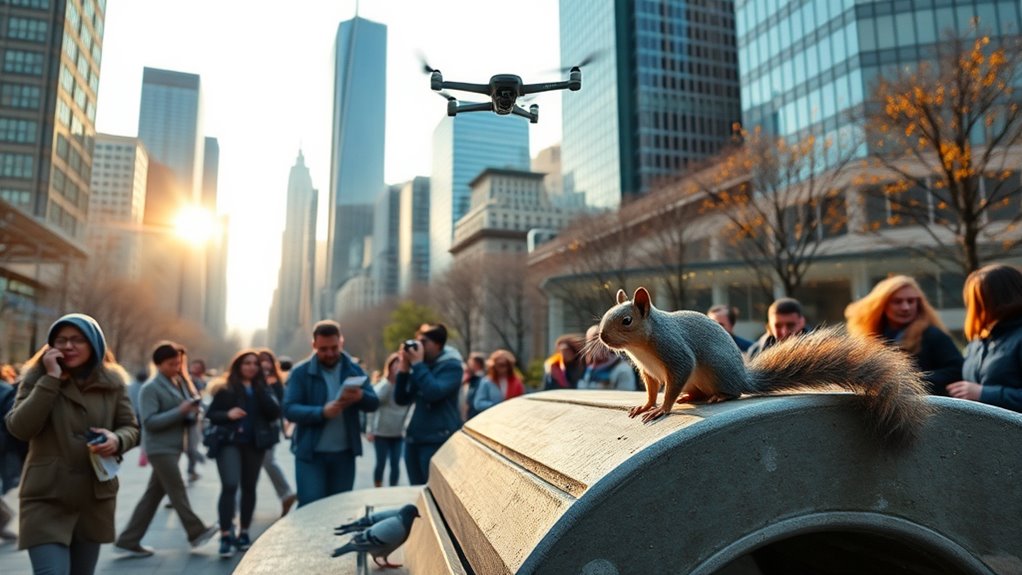
Public engagement and citizen science have become essential tools for understanding and managing urban wildlife. By participating in local monitoring programs, you help gather valuable data on species behavior, distribution, and population trends. Your observations can reveal how animals adapt to challenges like pollution, habitat loss, and climate change. Citizen science projects often involve tracking bird migrations, recording sightings of urban mammals, or collecting water quality data. This active involvement not only enriches scientific research but also fosters awareness and stewardship within communities. When you report sightings or contribute to apps and surveys, you directly influence urban conservation strategies. Your participation empowers cities to develop targeted policies, create wildlife corridors, and reduce conflicts, ensuring a balanced coexistence between humans and urban wildlife.
Frequently Asked Questions
How Do Urban Animals Communicate Amidst Noisy City Environments?
You notice that urban animals communicate differently in noisy city environments. They adapt by using louder calls, altering pitch, or timing their vocalizations during quieter moments like dawn or dusk. Some species rely more on visual signals or body language to avoid confusion. These changes help them stand out amid the background noise, ensuring their messages are heard and their social bonds remain strong despite the bustling, noisy surroundings.
What Specific Genetic Changes Enable Shoreline Species to Tolerate Urban Pollution?
You see shoreline species develop genetic changes that enhance their resilience, allowing them to tolerate pollution. These adaptations often involve gene variations that improve detoxification processes, enhance cellular repair, and regulate responses to contaminants. By evolving such traits, they survive in polluted waters, resist toxic effects, and maintain essential functions. These genetic shifts enable them to flourish despite environmental stressors, demonstrating nature’s remarkable capacity to adapt and thrive amid urban pollution challenges.
How Do Urban Animals Navigate Complex Human-Made Structures?
You observe how urban animals navigate complex structures by using their behavioral flexibility and sensory adaptations. They learn to exploit new pathways like building ledges, bridges, and tunnels, often avoiding human activity. Some species, like peregrine falcons, nest atop skyscrapers, while others, such as foxes and hedgehogs, adapt their movement patterns for safety. Their ability to quickly learn and modify behaviors helps them successfully traverse and thrive amidst human-made obstacles.
What Are the Long-Term Ecological Impacts of Urban Biodiversity Hotspots?
You might think urban biodiversity hotspots are just quirky city quirks, but they’re actually reshaping ecosystems. These areas boost local species, sometimes outnumbering rural habitats in threatened wildlife. Long-term, they create resilient, adaptable populations that can withstand environmental stressors. While cities seem chaotic, they’re quietly becoming essential refuges, proving that even in concrete jungles, nature refuses to be pushed out—sometimes thriving better than in untouched wilderness.
How Can Cities Better Design Spaces to Support Diverse Wildlife Populations?
You can better support diverse wildlife by designing green corridors that connect parks and natural areas, allowing animals to move safely across urban landscapes. Incorporate native plants, create sheltered habitats, and reduce pollution to foster thriving ecosystems. Engage communities in conservation efforts and prioritize wildlife-friendly infrastructure in urban planning. These actions help maintain biodiversity, improve resilience, and guarantee that urban environments remain hospitable for a variety of species.
Conclusion
You might be surprised to learn that over 60% of urban land hosts some form of wildlife, proving cities are more adaptable than you think. As you observe city parks or rooftops, remember how animals modify behaviors and develop resilience amid heat islands and pollution. Your support for urban rewilding and citizen science helps safeguard these thriving ecosystems. Together, we can ensure that urban wildlife continues to flourish in our bustling concrete jungles.