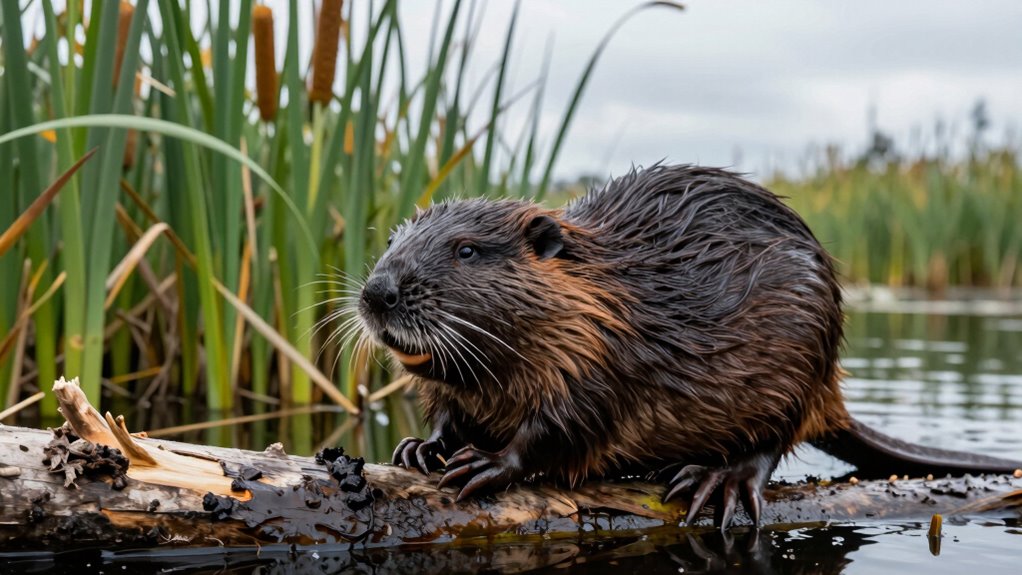
You’ll see beavers making a big comeback across America, transforming damaged lands into healthy wetlands. Their dam-building creates habitats that support diverse wildlife, improve water quality, and help protect against floods and droughts. Once nearly wiped out, their populations are now growing thanks to conservation efforts. Beavers act as natural engineers, restoring ecosystems more sustainably and cost-effectively than human intervention. Keep exploring to discover how their return is shaping a greener, more resilient landscape.

Prime made for students and young adults
- Fast, free delivery for dorm and study essentials
- Prime Video and Amazon Music included
- Member-only deals
Key Takeaways
- Beavers, once nearly wiped out, are making a strong comeback across America, aiding ecosystem restoration.
- Their dam-building creates wetlands that support biodiversity and improve water quality.
- Beavers help stabilize landscapes, reduce flooding, and enhance ecological resilience.
- Restoring beaver populations offers a sustainable, natural solution to habitat degradation and environmental challenges.
- Their return demonstrates successful conservation efforts and highlights their vital role as ecosystem engineers.
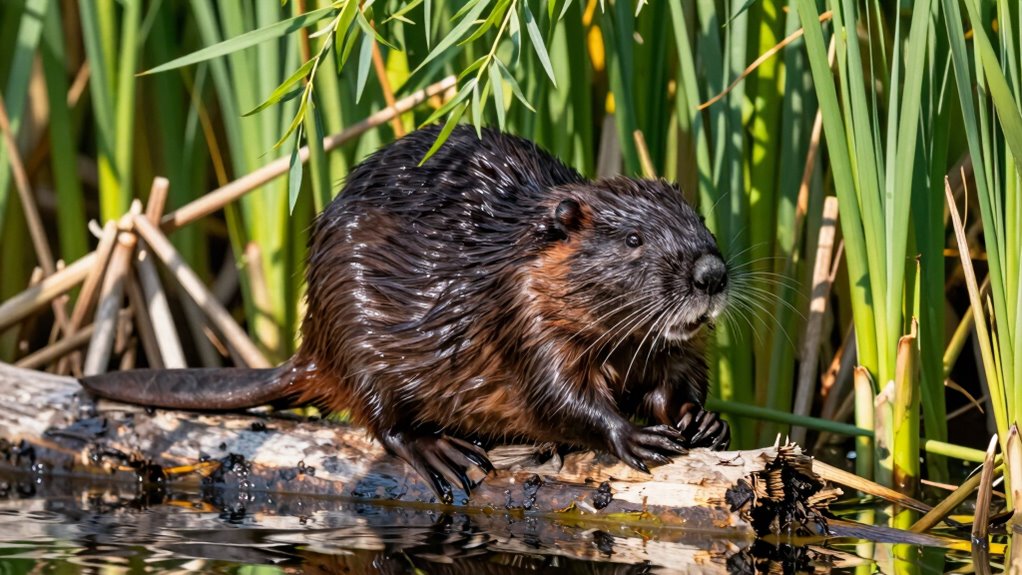
Once nearly wiped out by fur trapping and habitat loss, beavers are making a remarkable comeback across America, transforming degraded landscapes into thriving wetlands. Their return isn’t just a story of animal recovery; it’s a powerful force for ecosystem restoration. You might not realize it, but beavers are often called “nature’s engineers” because of the critical role they play in shaping the environment. When they build dams, they create ponds and wetlands that benefit countless other species, slow down water flow, and filter pollutants. These changes help restore the health of entire ecosystems, providing essential wildlife habitat that many animals depend on for survival.
Beavers, nature’s engineers, restore ecosystems by creating wetlands that support diverse wildlife and improve environmental health.
As beavers rebuild their populations, they bring new *significance* to areas that have suffered from deforestation, drought, or urban development. You can see their impact in the way they transform barren land into lush, water-rich environments. When a beaver dams a stream, it raises water levels, floods surrounding areas, and creates a mosaic of ponds, wetlands, and meadows. This not only stabilizes the landscape but also promotes biodiversity. Birds, amphibians, fish, and insects thrive in these wetland habitats, many of which might have struggled to survive without the beaver’s influence. Their presence boosts ecological resilience, making the entire area more resistant to climate extremes and human disturbances. Color accuracy and contrast ratios in natural environments are also improved by the presence of wetlands, supporting healthier ecosystems. Supporting natural processes like this can be a cost-effective way to address environmental challenges. Recognizing the importance of native plants in these habitats further enhances their ecological benefits.
Restoring beaver populations is an innovative approach that leverages natural behaviors to achieve ecological restoration goals. This natural process of ecosystem restoration through beaver activity offers a sustainable solution to environmental challenges. Instead of relying solely on costly human interventions, restoring beaver populations allows nature to do much of the heavy lifting. You might notice that once beavers return, degraded lands quickly become vibrant ecosystems, supporting a wide array of wildlife. These wetlands improve water quality by trapping sediments and filtering out toxins, which benefits downstream communities and ecosystems alike. *Furthermore*, the presence of wetlands helps reduce the risk of floods and droughts, acting as natural buffers. Eco-friendly practices in conservation efforts highlight the importance of supporting natural processes like beaver activity for long-term environmental health.
As an affiliate, we earn on qualifying purchases.
Frequently Asked Questions
How Do Beavers Impact Local Water Quality?
You’ll see that beavers positively impact local water quality through their role in wetland restoration and beaver ecology. By building dams, they create ponds that filter pollutants, trap sediments, and reduce nutrient runoff. This natural process enhances water clarity and quality, benefiting ecosystems. Their activities also promote biodiversity and stabilize water flow, making beavers essential wetland engineers that improve water health for surrounding environments and communities alike.
Are Beavers Considered Pests by Some Communities?
Yes, some communities see beavers as pests, especially when urban conflicts arise or agricultural concerns are impacted. Their dam-building can flood roads, damage property, and disrupt daily life, turning these busy engineers into symbols of chaos. While beavers restore ecosystems, their presence sometimes clashes with human needs, sparking tensions. You might view them as nature’s diligent workers or as unwelcome disruptions, depending on how their actions affect your environment.
What Are the Best Ways to Support Beaver Populations?
To support beaver populations, you can protect and restore their habitats by avoiding unnecessary development in wetlands and implementing ecosystem restoration projects. Creating beaver-friendly environments encourages their natural activities, which benefit overall wetland health. You might also support policies that promote coexistence, provide beaver relocation programs if needed, and educate communities about their essential role in ecosystems. Your efforts help guarantee beavers thrive, ultimately restoring crucial wetland ecosystems.
How Do Beaver Dams Affect Fish Migration?
Imagine a beaver dam built in a stream, creating a pond that floods part of the riverbed. This pond can temporarily block fish migration, but it also provides rich beaver habitats and promotes ecosystem restoration. Over time, fish adapt by finding alternative routes or waiting for seasonal openings. Beaver dams, thus, influence fish migration—initially a barrier, but ultimately enhancing overall wetland health and biodiversity.
Can Beavers Be Relocated if They Cause Flooding?
Yes, you can relocate beavers if they cause flooding, but it’s part of a broader management strategy. You’ll need to assess their habitats and identify suitable new locations for relocation, ensuring they’re away from vulnerable areas. Effective management strategies often involve relocating beavers to suitable habitats where they won’t cause damage, helping maintain ecological balance while addressing flooding issues. Always consult wildlife professionals for humane and effective relocation methods.
Conclusion
As you witness beavers reclaim their role as America’s wetland engineers, remember how a single dam can transform a barren patch of land into thriving habitat. Like a skilled artist, they shape the landscape, creating wetlands that filter water and support wildlife. Their return isn’t just about conservation—it’s about restoring an essential balance. Just as a small seed can grow into a mighty oak, beavers remind us that nature’s quiet engineers hold immense power to heal our ecosystems.
Fall Picks
fall essentials
As an affiliate, we earn on qualifying purchases.