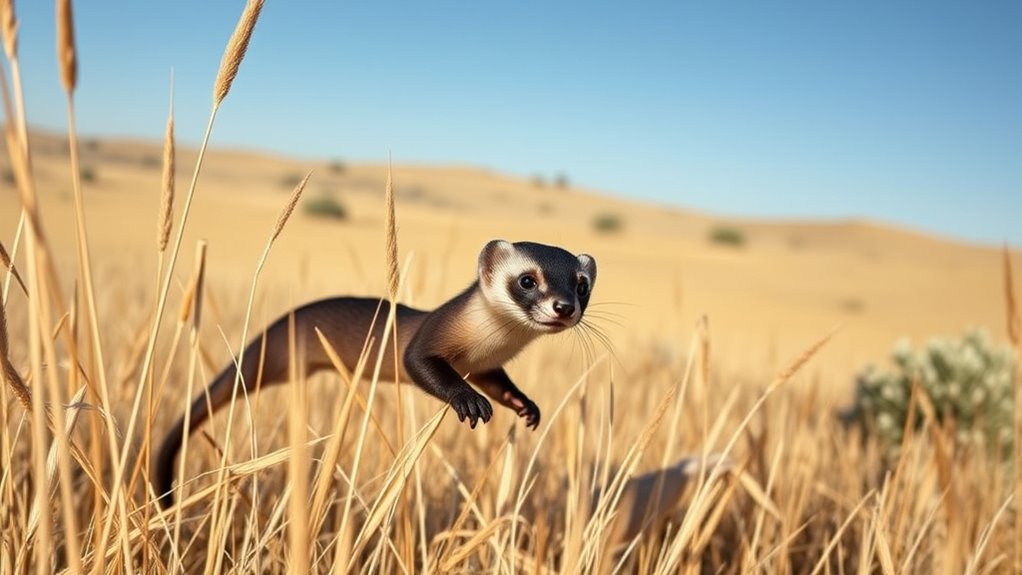

The black-footed ferret nearly went extinct due to habitat loss, hunting, and disease, but dedicated conservation efforts saved it. Scientists captured the last wild ferrets and started a captive breeding program that increased their numbers and genetic diversity. Reintroduction into restored prairie habitats, combined with disease management and prairie dog conservation, helped establish wild populations. If you keep exploring, you’ll discover how teamwork and innovation turned this species’ survival story around.
Key Takeaways
- Captive breeding programs started with only 18 wild ferrets, preventing total extinction.
- Reintroduction efforts and habitat restoration expanded wild populations across multiple states.
- Disease management, including vaccination and burrow dusting, significantly improved survival rates.
- Genetic monitoring and diverse breeding practices maintained genetic health and resilience.
- Partnerships among agencies and organizations facilitated habitat protection, monitoring, and ongoing conservation.
The Near Demise of the Black-Footed Ferret
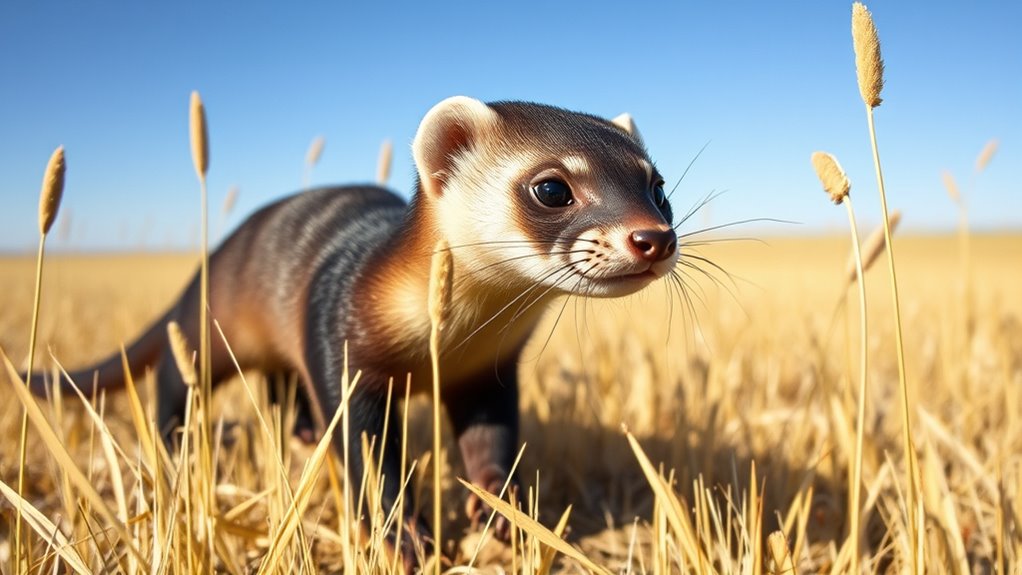
The black-footed ferret faced near extinction primarily because of human activities that severely reduced its population and habitat. The fur trade hunted them extensively, wiping out many ferrets and destroying their communities. Meanwhile, agricultural expansion and urban development cleared vast prairie dog colonies, which were their main food source. Efforts to control prairie dogs through extermination campaigns further decimated their numbers. Additionally, the introduction of sylvatic plague by humans in the late 1800s devastated ferret populations, wiping out entire colonies. By 1985, only 18 ferrets remained in the wild, pushing the species to the brink of extinction. These combined threats caused a drastic decline, leaving the black-footed ferret as one of North America’s most endangered mammals. Conservation efforts have since been initiated to help recover their populations and restore their habitats. To aid their recovery, ongoing habitat restoration projects focus on re-establishing prairie dog colonies, which are vital for the ferrets’ survival. Efforts such as captive breeding programs have also played a crucial role in preventing total extinction of the species. Recognizing the importance of wildlife preservation, conservationists continue to develop strategies to ensure the species’ future stability.
Captive Breeding: Breathing Life Back Into a Species

You’re involved in building a strong founder population by carefully selecting and breeding the few remaining ferrets. Achieving breeding success milestones guarantees the population grows and stabilizes over time. To keep the species healthy, maintaining genetic diversity remains a key focus throughout the program. Genetic diversity is essential for the long-term resilience of the species. Ensuring this diversity helps prevent inbreeding, which can threaten the health of the population. Incorporating best practices in animal husbandry can further support genetic health and breeding success. Additionally, ongoing monitoring and evaluation are crucial to adapt management strategies and sustain population viability over the long term. Regular genetic assessments and diversification strategies help maintain a healthy gene pool and support the species’ future survival.
Building a Founder Population
How did conservationists manage to breathe new life into the nearly extinct black-footed ferret? They started by capturing the last 18 ferrets in 1985 and forming a founder population. This small group became the foundation for all future breeding efforts. You’re part of a critical effort to expand their numbers through careful selection and breeding.
- The nine ferrets that reproduced formed the core of the captive population
- Breeding programs at multiple zoos increased numbers quickly
- Carefully choosing healthy, genetically diverse individuals boosted survival chances
- Maintaining genetic diversity was key to avoiding inbreeding and ensuring long-term recovery, which is essential for their genetic health
- Protecting their natural habitat, including dune systems, is essential for sustainable conservation. Additionally, implementing genetic management strategies helps preserve their adaptive potential and resilience.
Breeding Success Milestones
Since the initial captive breeding efforts began in 1985, scientists and conservationists have achieved remarkable milestones that mark the species’ recovery. From just 18 ferrets, the program has produced over 11,000 individuals, demonstrating its success. Notably, nine of the original founders reproduced successfully, ensuring the species’ genetic base persisted. The Phoenix Zoo alone has bred over 500 ferrets, considerably boosting population numbers. Reintroduction efforts began in 1991, with more than 7,000 captive-bred ferrets released across 19 sites. These efforts led to the establishment of four self-sustaining populations in states like Arizona, South Dakota, and Wyoming. Each milestone reflects the program’s progress in breeding and expanding the ferret’s presence in the wild, bringing hope for long-term species recovery. Regular monitoring of these populations is essential to ensure their continued success and adapt conservation strategies as needed. Additionally, ongoing research into genetic diversity helps maintain a healthy and resilient ferret population, which is crucial for preventing genetic bottlenecks that could threaten the species’ survival. Furthermore, incorporating public education initiatives has played a significant role in garnering support for conservation efforts.
Genetic Diversity Maintenance
Maintaining genetic diversity is vital to guarantee the long-term health and adaptability of the black-footed ferret population. Without it, the species risks inbreeding depression, reduced resilience to disease, and limited ability to adapt to environmental changes. To preserve this diversity, conservationists carefully manage breeding programs, ensuring a mix of genetic traits. They prioritize pairing ferrets to maximize genetic variation and avoid close relatives. Monitoring genetic health through DNA analysis helps identify gaps in diversity and guides future breeding decisions. Additionally, releasing genetically diverse ferrets into reintroduction sites helps create resilient, adaptable populations. This deliberate approach increases the chances of survival and long-term recovery for the species. Incorporating AI-driven analytics can further enhance genetic monitoring and conservation strategies.
Reintroduction Strategies and Success Stories

Reintroduction strategies focus on selecting ideal release sites and preparing ferrets through targeted pre-release training methods. You’ll see how population monitoring success plays a vital role in evaluating the program’s progress. These efforts have led to notable recovery stories across North America’s prairie landscapes, demonstrating the importance of site selection and habitat quality in successful conservation initiatives. Additionally, ongoing research emphasizes the significance of cookie management in maintaining effective communication and transparency during conservation programs. Proper privacy policies help build trust with the public and stakeholders involved in these efforts. Moreover, understanding the species behavior of black-footed ferrets is crucial for tailoring successful reintroduction techniques that align with their natural instincts and habitat preferences. Incorporating adaptive management strategies ensures that conservation efforts remain flexible and responsive to new challenges and findings.
Strategic Release Locations
Strategic release locations play a crucial role in the success of black-footed ferret recovery efforts. Choosing sites with healthy prairie dog colonies ensures ferrets have a reliable food source and suitable habitat. Locations are carefully selected based on habitat quality, predator presence, and connectivity to other populations, boosting survival chances. Incorporating organic and natural methods in habitat management can further improve the environment for reintroduction. You’ll find that:
- Sites are spread across multiple states to create resilient, self-sustaining populations
- Many releases occur on federal and tribal lands where prairie dog colonies thrive
- The focus is on areas with minimal human disturbance and predator threats
- Ongoing monitoring helps adapt strategies for future releases and habitat management
- Selecting appropriate release sites is vital for establishing and maintaining healthy ferret populations.
This targeted approach maximizes the ferret’s chances of thriving in the wild, securing their long-term recovery.
Pre-Release Training Methods
Pre-release training methods are essential for guaranteeing black-footed ferrets adapt successfully to their wild habitats. During preconditioning, you’ll focus on simulating natural conditions, like underground burrows and prairie dog tunnels. This training boosts survival rates by tenfold and hones their hunting skills, especially for prairie dogs, which comprise 91% of their diet. You’ll expose ferrets to various environments, helping them adjust before release. The process includes:
| Training Step | Purpose |
|---|---|
| Tunnel Exposure | Familiarize with burrow systems |
| Hunting Drills | Build prey-catching skills |
| Environmental Simulations | Prepare for wild terrain |
| Socialization | Promote natural behaviors |
| Health Checks | Ensure readiness for release |
This targeted training increases their chances of thriving in the wild and supports long-term recovery efforts.
Population Monitoring Success
Have efforts to monitor and manage reintroduced black-footed ferret populations truly paid off? Absolutely. Thanks to advanced tracking techniques, biologists now closely follow ferret numbers and health. This data guides management decisions and helps identify threats early. You’ll find that:
- Radio collars and GPS tags provide real-time movement and location info.
- Regular surveys estimate population sizes and genetic diversity.
- Monitoring of prairie dog colonies ensures habitat quality.
- Disease surveillance catches outbreaks before they escalate.
These strategies help maintain stable, growing populations and adapt recovery plans as needed. The combination of technology and on-the-ground efforts creates a clearer picture of ferret recovery progress. As a result, populations in Arizona, South Dakota, and Wyoming continue to thrive, marking significant progress in their comeback.
Training the Ferrets for Wilderness Survival

Training the ferrets for wilderness survival involves carefully preparing them to thrive in their natural environment before they are released. You’ll start by exposing them to underground burrows and prairie dog tunnels, helping them become comfortable navigating these complex spaces. During at least 30 days of preconditioning, you’ll focus on developing their hunting skills, especially targeting prairie dogs, which make up most of their diet. This training increases their chances of survival by ten times. You’ll also teach them to recognize prey and essential cues for finding food in the wild. By simulating real conditions, you help the ferrets adapt to their new environment, ensuring they’re equipped to hunt, evade predators, and thrive once reintroduced into the wild.
Battling Sylvatic Plague and Other Threats
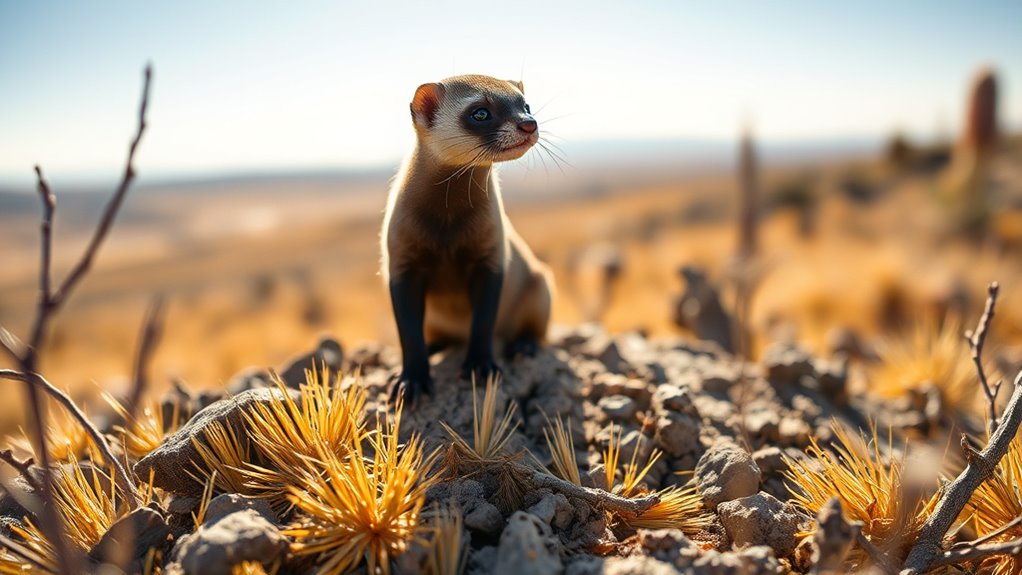
Sylvatic plague remains one of the most formidable threats to black-footed ferret recovery, often causing rapid and severe population declines. You need to stay vigilant, as the disease spreads quickly through prairie dog colonies, which are essential to ferret survival. To combat this, conservationists dust prairie dog burrows with flea-killing powder to interrupt the plague transmission cycle. Vaccination efforts have also proven effective, boosting ferret survival rates by up to 240%. Despite these measures, plague is hard to detect early, and outbreaks can wipe out large populations. Habitat loss and prairie dog population crashes continue to threaten progress. You can help by supporting projects that focus on disease management and habitat preservation, ensuring these resilient ferrets have a fighting chance against ongoing threats.
Collaborative Conservation Efforts and Partnerships

Effective black-footed ferret conservation relies on strong partnerships among federal agencies, state and tribal governments, and nonprofit organizations. You play a essential role in coordinating efforts to protect and restore ferret populations. The U.S. Fish and Wildlife Service leads the Black-Footed Ferret Recovery Plan, working closely with partners like the Black-Footed Ferret Conservation Subcommittee. Tribal lands host four reintroduction sites, guaranteeing local communities are involved in conservation. Nonprofits and zoos contribute through captive breeding, research, and habitat management. These collaborations help secure funding, share expertise, and implement on-the-ground strategies. Your participation assures the protection of prairie dog colonies, indispensable for ferret survival, and supports innovative approaches like vaccination and habitat restoration. Together, these partnerships create a unified effort to keep the ferret from disappearing again.
Protecting Prairie Dog Habitats for Ferret Survival
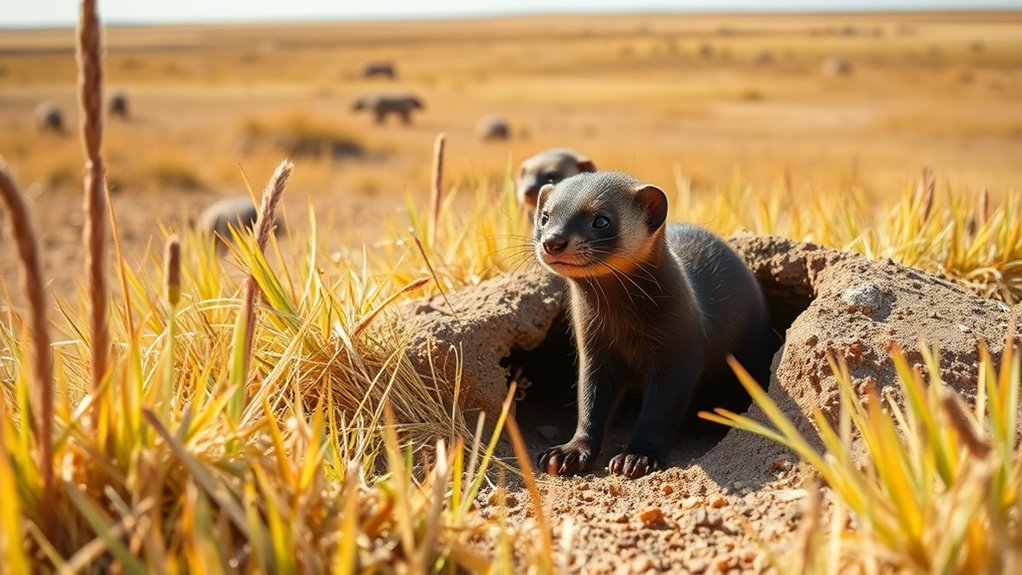
Protecting prairie dog habitats is essential for ensuring the survival of black-footed ferrets, as they rely almost exclusively on prairie dog colonies for food and shelter. Without healthy prairie dog populations, ferrets struggle to find the resources they need to thrive. You can help by supporting land conservation efforts that protect prairie dog colonies from development and overgrazing. Managing diseases like sylvatic plague is also critical, as outbreaks can decimate prairie dog populations quickly. Restoring degraded habitats provides more space for prairie dogs and ferrets to coexist. Collaborating with landowners and agencies ensures these habitats remain intact for future generations. By focusing on habitat preservation, you’re directly contributing to the recovery of this endangered species and maintaining essential prairie ecosystems.
Challenges in Ensuring Long-Term Recovery
While safeguarding prairie dog habitats remains a key aspect of ferret recovery, ensuring the long-term success of these efforts faces ongoing obstacles. Habitat loss from agricultural expansion and urban development continues to fragment prairie dog colonies, limiting available space for ferrets. Disease outbreaks, especially sylvatic plague, threaten existing populations and complicate recovery efforts; although vaccination helps, it’s not foolproof. Prairie dog populations themselves fluctuate due to poisoning campaigns and environmental factors, reducing primary food sources for ferrets. Additionally, climate change introduces unpredictable challenges, like droughts and extreme weather, which can harm prairie ecosystems. Funding and resource limitations also hinder sustained management and monitoring. Overcoming these hurdles requires continuous collaboration, adaptive strategies, and dedicated funding to stabilize populations and secure long-term recovery.
Hope on the Horizon: Future of the Black-Footed Ferret

Despite ongoing challenges, the future of the black-footed ferret looks increasingly promising thanks to scientific advancements and strengthened conservation efforts. New technologies and collaborative strategies are giving these ferrets a better shot at survival. You can expect continued expansion of reintroduction sites, boosting wild populations. Enhanced disease management techniques, like vaccines, help protect ferrets from deadly outbreaks. Additionally, habitat restoration and prairie dog conservation are creating safer environments for ferrets to thrive.
Conservation efforts and new technologies are securing a brighter future for the black-footed ferret.
- Advances in genetic research improve breeding success and genetic diversity.
- Community engagement raises awareness and supports habitat preservation.
- Monitoring technologies enable real-time tracking of ferret populations.
- Partnerships between agencies, tribes, and nonprofits streamline recovery actions.
These efforts foster hope, ensuring the black-footed ferret’s comeback remains on track for a resilient future.
Frequently Asked Questions
How Do Ferrets Hunt and Find Prairie Dogs Underground?
You can observe that ferrets hunt and find prairie dogs underground by using their keen sense of smell and sharp eyesight. They rely on their whiskers and facial features to detect vibrations and movements near burrow entrances. Once they locate a prairie dog colony, they dig quickly and skillfully into the tunnels, maneuvering underground to catch their prey efficiently. Their hunting skills are essential for survival and successful reintroduction efforts.
What Specific Measures Are Used to Vaccinate Ferrets Against Sylvatic Plague?
You vaccinate ferrets against sylvatic plague through innovative methods like oral bait vaccines and injectable shots. While oral vaccines are delivered via bait, injections are given during health checks, ensuring immunity. These approaches, combined with dusting prairie dog burrows with flea-killing powder, create a layered defense. This dual strategy effectively boosts ferret survival, protecting them from a deadly disease and supporting their ongoing recovery efforts.
How Do Conservationists Monitor Ferret Populations in Reintroduction Sites?
You can monitor ferret populations in reintroduction sites by using radio collars to track their movements and locations. Conservationists conduct regular visual surveys and use camera traps to observe ferret activity. They also perform burrow checks to find signs of presence. These methods help you gather data on survival rates, health, and behaviors, ensuring that the ferrets are adapting well and thriving in their new environment.
What Role Do Tribal Lands Play in Ferret Recovery Efforts?
Tribal lands play a crucial role in ferret recovery efforts by hosting four key reintroduction sites, helping expand habitat and protect prairie dog colonies. You’re involved through collaboration with tribal nations, ensuring conservation measures respect local traditions and land use. These partnerships increase the overall habitat, support population growth, and foster community engagement, making tribal lands essential for sustaining and restoring black-footed ferret populations across North America.
How Is Climate Change Impacting Prairie Dog and Ferret Habitats?
Imagine the prairie as a delicate, shifting dance floor where prairie dogs and ferrets perform. Climate change acts like a sudden storm, warming temperatures and altering rainfall patterns, which shrink their habitat and disrupt their food supply. You see, as droughts intensify and storms become unpredictable, these creatures struggle to find food and shelter. This chaos threatens their survival, making conservation efforts even more urgent to keep their dance alive.
Conclusion
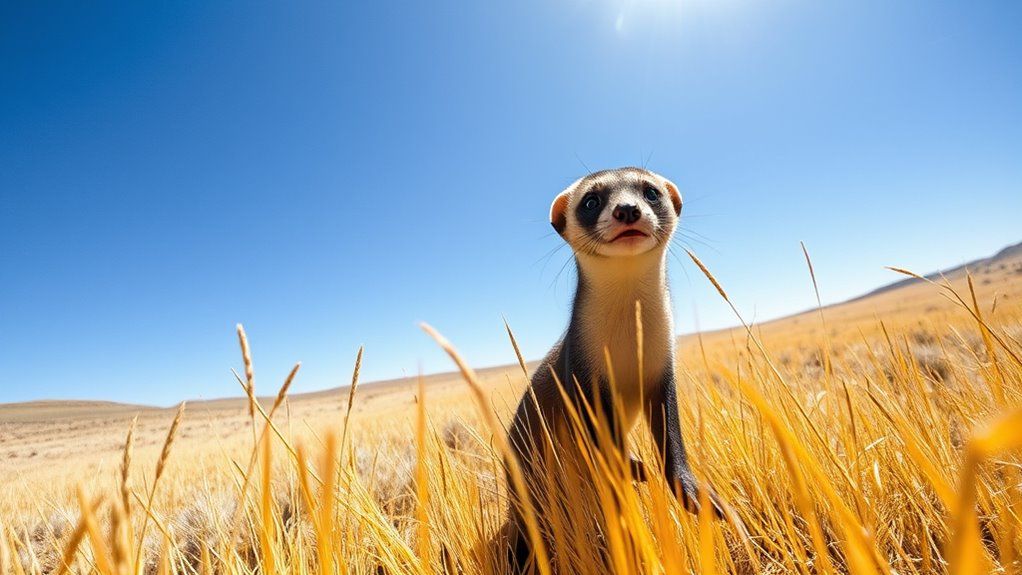
You watch as black-footed ferrets dart through the tall prairie grass, their sleek bodies blending into the golden sea of wildflowers and sprawling burrows. Thanks to relentless efforts, hope blooms in this rugged landscape, where tiny paws chase elusive prey and survival stories unfold. The battle against extinction isn’t over, but now, with every successful release, you see a future where these fierce little creatures reclaim their place on the frontier, thriving once more amid nature’s resilient tapestry.