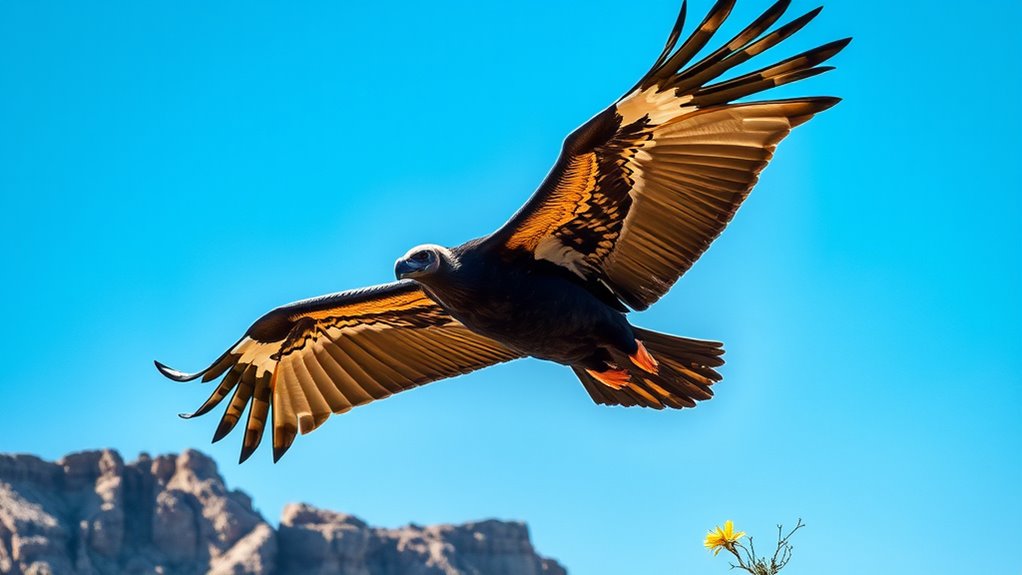

Discover that the California condor is North America’s largest bird, boasting a wingspan up to 9.5 feet and soaring effortlessly at high altitudes using thermals. With a habitat spanning rugged mountains and arid regions, it’s a master scavenger, feeding on carrion. Its remarkable recovery from near-extinction shows the power of conservation, but threats like lead poisoning still challenge its survival. Uncover more fascinating details about these majestic sky kings as you continue exploring.
Key Takeaways
- The California condor has the largest wingspan of up to 9.5 feet, enabling effortless soaring and long-distance gliding.
- It can reach altitudes of 15,000 feet using thermal updrafts and travel up to 250 miles daily.
- As obligate scavengers, they feed primarily on carrion from large mammals, often following other scavengers to find food.
- Conservation efforts have increased their population from just 22 in 1987 to over 500 today through captive breeding and habitat protection.
- Lead poisoning from ingested ammunition is the primary threat, prompting bans on lead-based bullets and habitat management strategies.
Top picks for "king amaz fact"
Open Amazon search results for this keyword.
As an affiliate, we earn on qualifying purchases.
The Largest Bird in North America
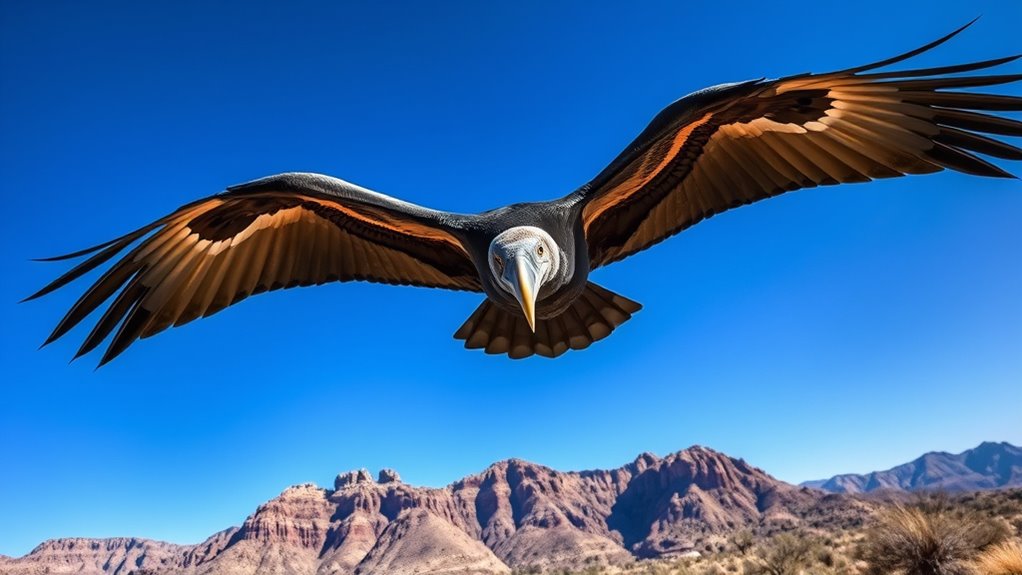
Did you know that the California condor holds the title of the largest bird in North America? With wingspans reaching up to 9.5 feet, this impressive bird dominates the skies. Its massive size makes it an unmistakable sight when soaring high above rugged mountains and open landscapes. The condor’s large wings enable it to glide effortlessly for hours, covering vast distances in search of food. Despite its size, it has a lightweight body, thanks to hollow bones that help it stay aloft. Its powerful beak is adapted for tearing flesh from carcasses. The condor’s sheer size not only commands attention but also plays a crucial role in its scavenging lifestyle, allowing it to travel far and wide while searching for meals.
Impressive Wingspan and Soaring Skills
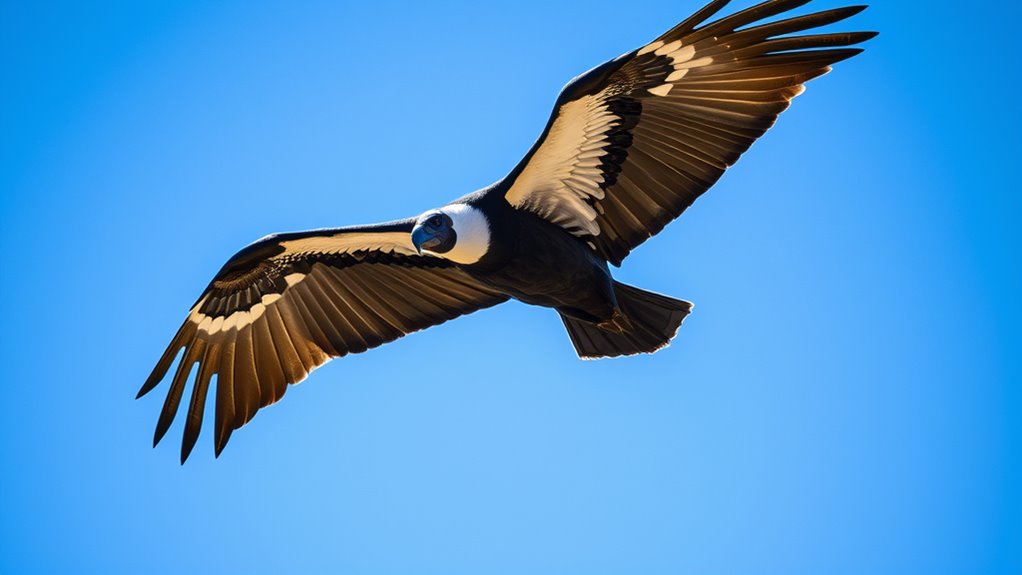
The California condor’s impressive wingspan of up to 9.5 feet allows it to glide smoothly across vast distances with minimal effort. Thanks to its large wings, you’ll notice it soaring effortlessly above rocky cliffs and open skies. Its flight style relies heavily on gliding and soaring, conserving energy during long searches for food. Capable of reaching altitudes up to 15,000 feet, it uses thermals to stay aloft for hours. You’ll see it travel up to 250 miles a day, often following wind currents to conserve energy. Despite its size, the condor flaps its wings infrequently, relying on wind and thermal updrafts. These soaring skills help it cover large territories efficiently while scanning the ground below for carrion. Its flight prowess is a key to its survival in rugged terrains. Additionally, remote work has revolutionized how conservationists and researchers monitor these magnificent birds, allowing for more effective tracking and study without disturbing their natural habitat. Understanding symptoms of breast cancer is also crucial for early detection, which can significantly improve survival outcomes for affected individuals. Moreover, knowledge of electric power generation from bike generators highlights sustainable energy options that can be utilized in remote conservation efforts. Utilizing advanced navigation technology further enhances the condor’s ability to traverse and survive in its challenging environment. Employing precious metals investment strategies such as Gold IRA accounts can provide funding for ongoing conservation projects, ensuring long-term protection for species like the California condor.
Unique Habitat and Range
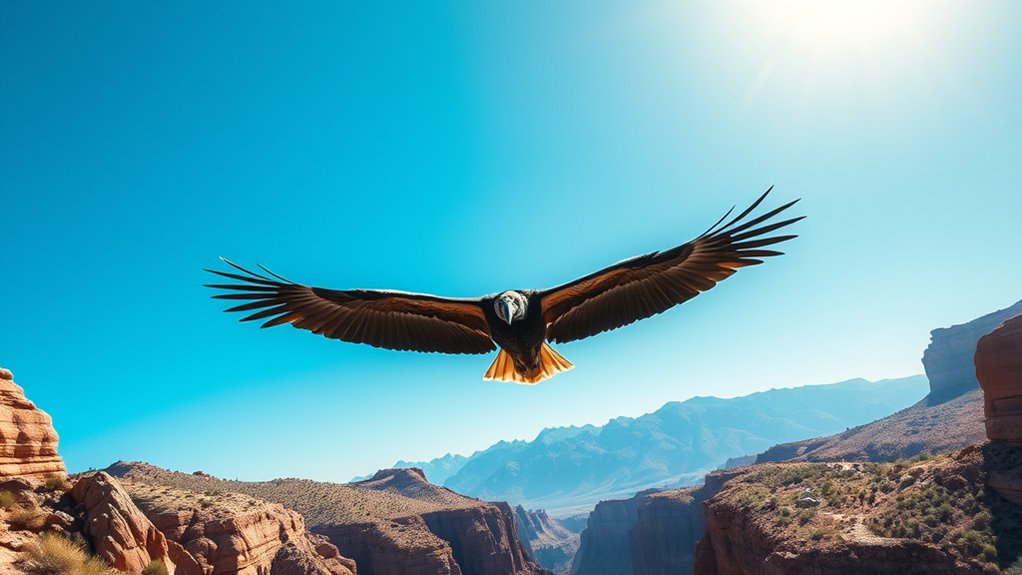
California condors thrive in rugged mountain ranges and semi-arid regions that provide the rocky cliffs, canyons, and tall trees essential for nesting and roosting. You’ll find them mainly in California’s southern San Joaquin Valley, extending through the Coast Ranges, Sierra Nevada, and Transverse Ranges. Their elevation range is typically between 0 and 2,700 meters, with nests at 610 to 1,372 meters. They also forage over open grasslands, oak savanna foothills, and coastal beaches near mountains. Their range isn’t limited to California; you may spot them in Arizona, Utah, and northern Baja California. These vast, varied habitats suit their scavenging lifestyle and provide safe spaces for breeding and roosting. Their habitat’s ruggedness is indispensable for their survival, offering secure nesting sites that are difficult for predators to access. The availability of food sources in these regions supports their dietary needs and sustains their populations. The diverse landscape helps protect them from environmental threats and human disturbances. Additionally, the presence of regulatory protections has been crucial for their recovery and ongoing conservation efforts.
Diet of a Nature’s Scavenger
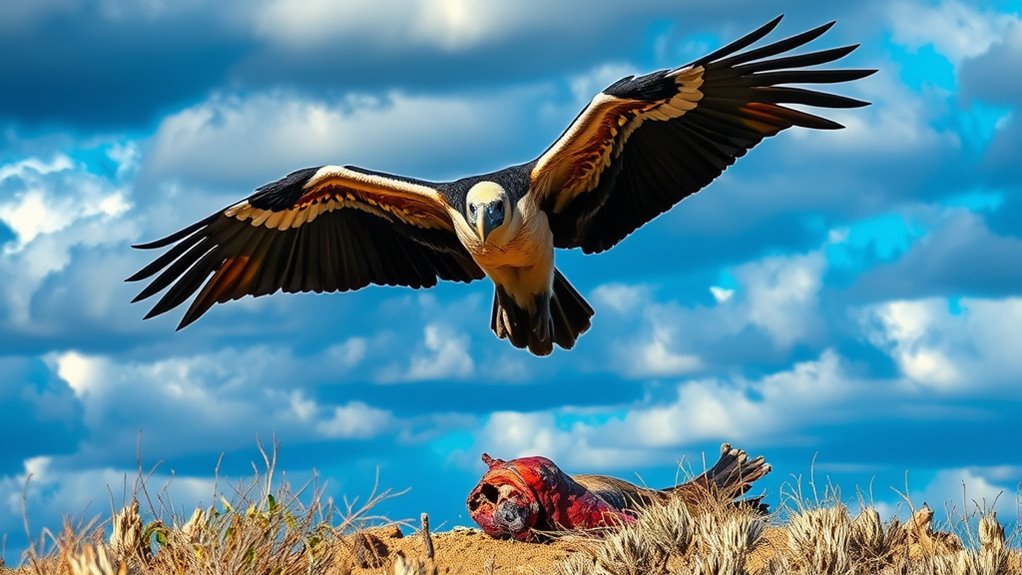
As obligate scavengers, California condors play a vital role in their ecosystem by consuming carrion from large mammals such as deer, cattle, and sheep. You’ll find them soaring high above open landscapes, scanning for fresh carcasses with their sharp eyesight. They tend to feed on the remains of animals that have died naturally or from human activity, helping prevent the spread of disease. While their primary diet consists of large mammals, they’re opportunistic and will scavenge smaller carcasses like rabbits or squirrels if available. Condors often follow other scavengers, such as turkey vultures, to locate food efficiently. They’re adapted to flying long distances—sometimes up to 250 miles a day—in search of carrion, relying on their keen vision rather than smell to find their next meal.
Fascinating Reproductive Habits
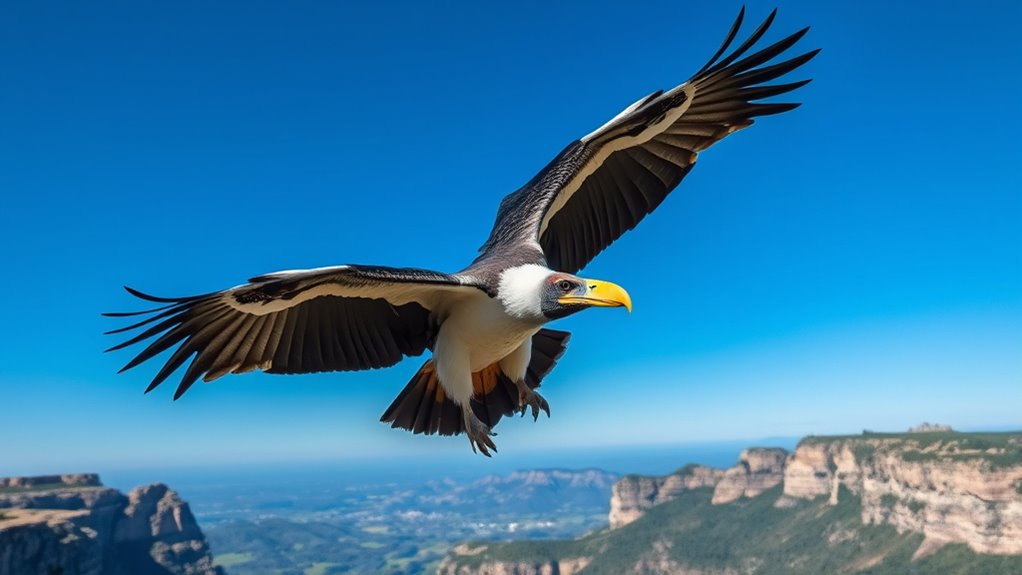
After observing how California condors find and consume carcasses, it’s fascinating to see how they reproduce and guarantee the survival of their species. Here are some key facts:
- They reach sexual maturity at 6-7 years, which is fairly late for birds.
- Typically, they lay just one egg per year, often in hard-to-access sites like cliffs or tree cavities.
- Incubation lasts around 56 days, with both parents sharing duties.
- Chicks stay dependent for about six months, during which parents teach them to fly and find food.
- Their reproductive habits are closely linked to their success in conservation efforts, highlighting the importance of protecting their habitats and reducing threats like lead poisoning.
- Understanding their breeding cycle can help inform targeted conservation strategies to ensure the species’ continued survival.
- Protecting their nesting sites and reducing environmental toxins are critical components of effective species recovery programs.
- Ongoing research into their reproductive behaviors can provide further insights into improving population management techniques.
These habits help assure their survival in rugged habitats, despite threats like habitat loss and lead poisoning. Their slow breeding rate emphasizes the importance of conservation efforts to keep the species thriving.
Adaptations for Long-Distance Flight

To travel vast distances in search of food and suitable nesting sites, condors have developed remarkable adaptations that enhance their long-flight capabilities. Their enormous wingspan, up to 9.5 feet, allows them to glide effortlessly on air currents, conserving energy during soaring flights. They rely on dynamic soaring techniques, using thermal updrafts to gain altitude without flapping their wings. Their lightweight bones reduce overall body weight, making flight more efficient. Sharp eyesight helps them spot carcasses from miles away, while poor olfactory sense means they depend heavily on visual cues. They can reach altitudes of 15,000 feet, enabling them to scan large territories with minimal exertion. These adaptations allow condors to cover hundreds of miles daily, maximizing their scavenging range.
Critical Conservation Efforts
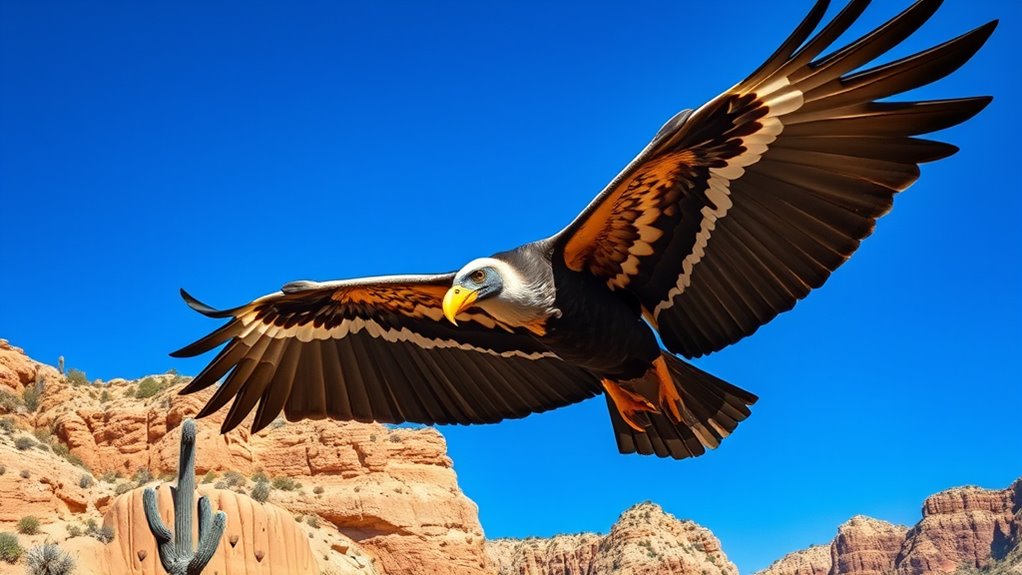
You can see how habitat protection initiatives have played a key role in the condor’s recovery, safeguarding their nesting and foraging areas. Captive breeding success has also been essential, increasing the population from just 22 birds in 1987 to over 500 today. These combined efforts are indispensable for ensuring the long-term survival of this critically endangered species. Additionally, ongoing research into Glycolic Acid benefits highlights the importance of scientific advancements in conservation strategies, just as understanding bank swift codes is crucial for secure financial transactions. Furthermore, insights into IRA tax laws can assist in optimizing retirement planning and resource allocation, demonstrating how creativity practice can foster innovative solutions across various fields. Recognizing the importance of customer satisfaction ratings can also help identify the most effective conservation organizations and initiatives, ensuring continued support and success.
Habitat Protection Initiatives
Habitat protection initiatives are essential for the ongoing recovery of the California condor, as they help preserve the rugged mountain and canyon regions crucial for nesting, roosting, and foraging. These efforts focus on safeguarding key landscapes and reducing human impact. For example, cultural and regional considerations guide the implementation of conservation strategies that respect local land use and traditions. 1. Land acquisition programs secure critical nesting sites and foraging areas from development or disturbance. 2. Conservation easements limit habitat destruction by private landowners, ensuring long-term protection. 3. Habitat restoration projects rehabilitate degraded canyon and forest regions to support condor populations. 4. Regulations prevent harmful activities like mining or logging near crucial habitats, minimizing ecological disruption. Additionally, habitat connectivity is promoted to facilitate safe movement and genetic diversity among condor populations. Together, these initiatives maintain the natural environment condors depend on, helping stabilize and grow their population for future generations.
Captive Breeding Success
Captive breeding programs have played a pivotal role in reversing the decline of the California condor population. Since the late 1980s, these efforts have focused on breeding condors in controlled environments to increase numbers and reduce genetic bottlenecks. By 1992, reintroductions into the wild began, and today, over 500 condors exist, with roughly 347–350 soaring freely. These programs allow conservationists to monitor health, prevent disease, and address threats like lead poisoning before releasing the birds. They also enable the breeding of birds with diverse genetic backgrounds, strengthening the population. Success hinges on collaborative efforts among zoos, wildlife agencies, and volunteers. Thanks to captive breeding, the species has moved from only 22 individuals in 1987 to a stable, growing population, offering hope for their future survival. Monitoring genetic diversity has been essential in ensuring the long-term health of the species. Additionally, advances in sound healing science have contributed to understanding stress reduction techniques that could benefit conservation staff working in high-pressure environments. Incorporating stress management techniques can enhance the well-being of those involved in conservation efforts, ultimately supporting the species’ recovery. Furthermore, ongoing research into behavioral enrichment helps improve the quality of life for captive condors and prepares them for successful release into the wild.
The Ongoing Threat of Lead Poisoning
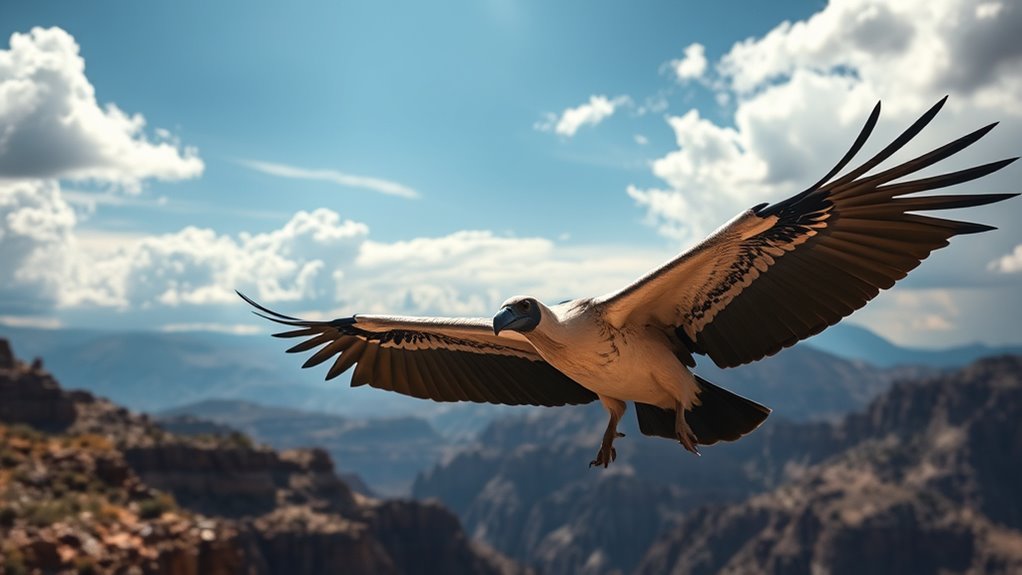
Lead poisoning from ingested ammunition fragments remains the biggest threat to California condors. When you see these birds scavenging, they often swallow tiny pieces of lead from carcasses shot with bullets. Conservation groups are working on strategies like using non-lead alternatives to reduce this deadly risk.
Impact of Ammunition Fragments
A significant and ongoing threat to California condors comes from fragments of spent ammunition, which contaminate their food sources. When condors scavenge carcasses or gut piles, they often ingest tiny lead fragments from bullets or shotgun pellets. This lead poisoning can cause severe health issues and death. Here are four key impacts:
- Increased Mortality – Lead poisoning is a leading cause of death among wild condors.
- Sublethal Effects – Even small doses impair their immune systems and reproduction.
- Bioaccumulation – Lead accumulates over time, worsening health with repeated exposure.
- Food Chain Contamination – Lead fragments contaminate entire ecosystems, affecting multiple scavengers.
Efforts to reduce lead ingestion are vital for their survival, highlighting the importance of eliminating lead-based ammunition.
Mitigation Strategies in Use
To combat the ongoing threat of lead poisoning, conservationists have implemented a variety of mitigation strategies aimed at reducing condors’ exposure to toxic fragments. One key approach is banning or restricting the use of lead-based ammunition in condor habitats, encouraging hunters to switch to non-lead alternatives like copper or steel. They also establish safe zones where hunting is prohibited, minimizing the risk of contaminated carcasses. Additionally, carcass removal programs target high-risk areas, removing animal remains that could contain lead fragments. Public education campaigns raise awareness among hunters and landowners about the dangers of lead poisoning. Finally, ongoing research helps develop and refine these strategies, ensuring they are effective in protecting condors from lead exposure and supporting their long-term recovery.
Remarkable Survival and Population Recovery
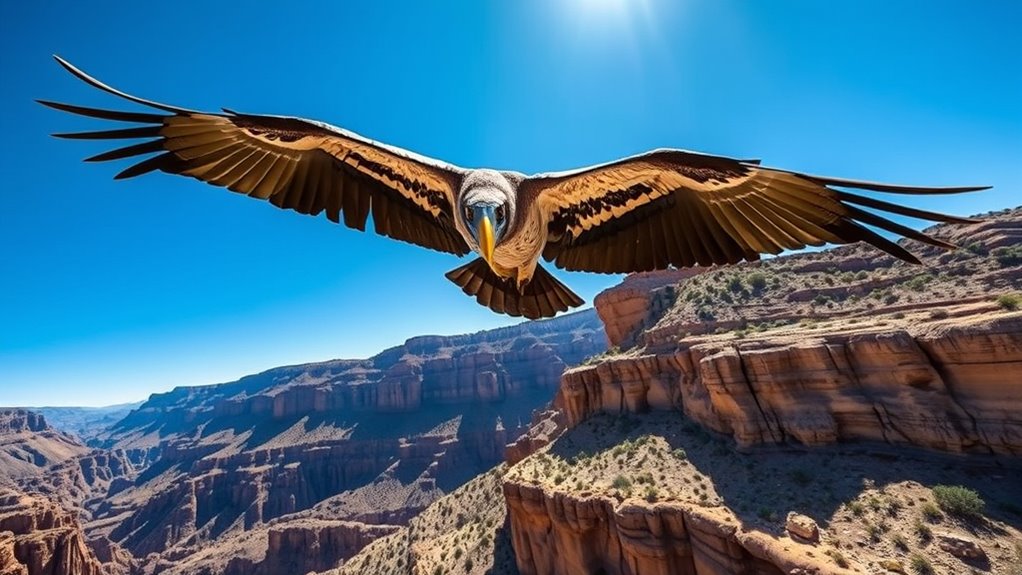
Despite facing near extinction in the 1980s, the California condor has demonstrated extraordinary resilience through dedicated conservation efforts. Today, their numbers have grown considerably thanks to these initiatives. Here are four key reasons for their remarkable recovery:
Despite near extinction in the 1980s, conservation efforts have helped California condors recover remarkably.
- Captive Breeding Programs: Started in the late 1980s, these programs helped boost populations from just 22 birds to over 500.
- Reintroduction Efforts: Since 1992, condors have been released into the wild in California, Arizona, Utah, and Baja California, establishing sustainable populations.
- Legal Protections: Laws like the Endangered Species Act and Migratory Bird Treaty Act have shielded condors from poaching and habitat destruction.
- Public Engagement: Education and awareness campaigns have fostered community involvement, reducing threats and supporting conservation actions.
These combined efforts have transformed the condor from the brink of extinction into a symbol of resilience.
How You Can Help Protect These Sky Kings
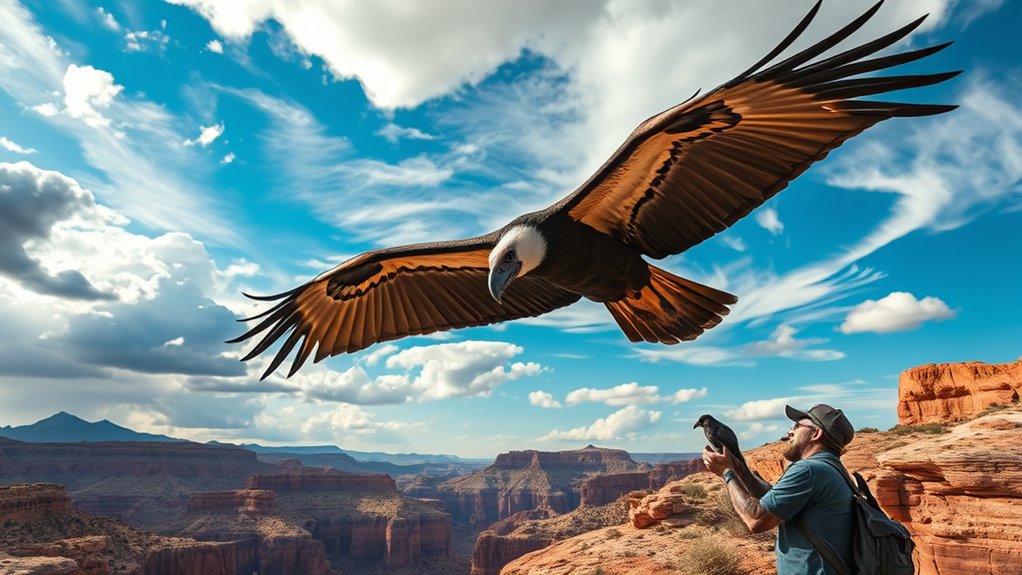
You can help protect the California condor by reducing lead poisoning, which remains a major threat to their survival. Supporting conservation efforts, like donating or volunteering, also makes a difference in their recovery. Together, your actions can guarantee these majestic birds continue soaring for generations to come.
Reduce Lead Poisoning
Did you know that lead poisoning from spent ammunition is the leading cause of death for California condors? You can help by taking these actions:
- Use non-lead alternatives like copper or steel ammunition when hunting or shooting.
- Support policies and programs that promote non-lead hunting practices.
- Properly dispose of spent cartridges to prevent scavengers from ingesting lead fragments.
- Spread awareness about the dangers of lead ammunition to fellow hunters and outdoor enthusiasts.
Support Conservation Efforts
Supporting California condor conservation is a crucial way to guarantee these magnificent birds continue soaring across our skies. You can help by spreading awareness about their plight and the importance of protecting their habitat. Participating in or donating to organizations dedicated to condor recovery makes a real difference. You can also support policies that reduce habitat destruction, fight pollution, and promote safe practices like lead-free hunting. When visiting natural areas, follow guidelines to minimize disturbance and avoid harming nesting sites. Additionally, volunteering for conservation projects or advocating for stronger wildlife protections helps ensure their survival. Every action, from raising awareness to supporting legislation, contributes to the long-term recovery of these sky kings and preserves their majestic presence for future generations.
Frequently Asked Questions
How Long Can California Condors Live in the Wild?
You might be surprised, but California condors can live up to 60 years in the wild. Their long lifespan is thanks to their slow growth, delayed maturity, and the conservation efforts that safeguard them from threats like habitat loss and lead poisoning. As you observe these majestic birds soaring high above the mountains and coastlines, remember that their extended lifespan helps ensure the species’ survival through ongoing conservation programs.
What Are the Main Causes of California Condor Mortality?
Imagine you’re on the front lines of conservation—lead poisoning, habitat loss, and power line collisions are the main killers. You see how ingested spent ammunition causes deadly internal bleeding, while shrinking habitats force condors into danger zones. Power lines pose collision risks, and pollution contaminates their environment. These human-related threats still threaten their survival, making ongoing conservation efforts essential to guarantee the California condor continues soaring across the skies.
How Do Condors Locate Carcasses Over Vast Territories?
You can see that condors locate carcasses mainly through their exceptional eyesight, allowing them to spot food from miles away while soaring high above the ground. They often follow other scavengers like vultures to find fresh remains. By covering vast territories, they utilize their soaring flight to efficiently search large areas, relying on visual cues rather than smell, which is poor in condors. This keen vision helps them find carrion over extensive ranges.
Why Are Condors Particularly Vulnerable to Lead Poisoning?
You’re right on the money when asking why condors are vulnerable to lead poisoning. They scavenge carcasses, often contaminated with spent ammunition fragments, which are tasteless and invisible. Since they have excellent eyesight but poor smell, they can’t detect the lead. When they swallow these fragments, it accumulates in their bodies, poisoning them over time. This silent threat proves deadly, making lead poisoning their Achilles’ heel.
How Successful Have Conservation Efforts Been in Increasing Populations?
Conservation efforts have been quite successful in boosting California condor populations. You can see their numbers grow from just 22 in 1987 to over 500 now, with around 347–350 flying free in the wild. These successes come from captive breeding programs, habitat protection, and reducing threats like poisoning and power line collisions. Your ongoing support helps guarantee these majestic birds continue to thrive and recover from near extinction.
Conclusion
You can truly make a difference in protecting these majestic birds. Imagine a world where California condors soar freely, their wings spanning over 9 feet. Some believe their decline was cursed by superstition, but science proves human actions are the real threat. By supporting conservation efforts and reducing lead poisoning, you help guarantee these sky kings continue to thrive. Together, we can turn the tide and keep their soaring legacy alive for generations to come.