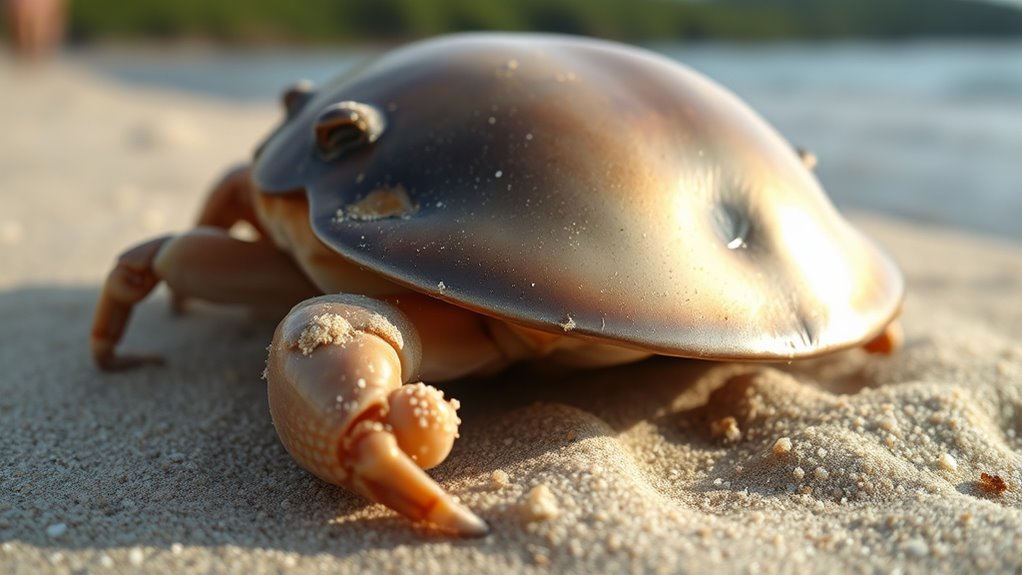

Horseshoe crabs are remarkable survivors, unchanged for hundreds of millions of years, serving essential roles in coastal ecosystems and biomedical research. Yet, they face threats from habitat loss, pollution, overharvesting, and climate change. Conservation efforts like protecting spawning beaches and regulating harvesting are helping, but their future depends on human actions. If you stay engaged, you’ll discover ways you can make a difference in saving these ancient creatures.

Get school and study supplies delivered free — and shop member deals
- Fast, free delivery on millions of items
- Access to Prime Big Deal Days deals on October 6–7
- Prime Video, Amazon Music and more included
Key Takeaways
- Horseshoe crabs are ancient “living fossils” with over 450 million years of unchanged biological features.
- They play a crucial ecological role in coastal ecosystems, supporting biodiversity and nutrient cycling.
- Threats like habitat loss, overharvesting, pollution, and climate change endanger their populations.
- Conservation efforts include habitat protection, regulated harvesting, and captive breeding initiatives.
- Human actions and sustainable practices are vital to ensure the survival of these resilient, ecologically important creatures.
horseshoe crab conservation books
As an affiliate, we earn on qualifying purchases.
As an affiliate, we earn on qualifying purchases.
The Mystique of Horseshoe Crabs’ Ancient Lineage
Horseshoe crabs have fascinated scientists and nature lovers alike because of their status as “living fossils,” having remained largely unchanged for roughly 360 to 450 million years. This incredible longevity means they predate dinosaurs and even the earliest vertebrates. Their primitive yet resilient biology offers a direct link to Earth’s distant past, showcasing an ancient evolutionary lineage that has survived mass extinctions and drastic environmental changes. Evolutionary stability is a key factor in their enduring survival. Additionally, their unique blue blood plays a critical role in biomedical research, which underscores their importance beyond ecological significance. Unlike many creatures that evolved into new forms, horseshoe crabs retain features similar to their ancestors. Their rigid exoskeleton, simple eyes, and blue blood highlight their primitive design, yet these adaptations have helped them endure. Studying these creatures provides insight into adaptation strategies and resilience, making them a living testament to Earth’s dynamic history. Their ability to thrive in diverse environments demonstrates their remarkable environmental adaptability, which contributes to their persistence over millions of years. These traits exemplify how ancient species can inform our understanding of biological resilience and conservation efforts today.
Their Crucial Role in Coastal Ecosystems

Because they lay their eggs in coastal habitats, horseshoe crabs play an essential role in maintaining healthy estuarine ecosystems. Their eggs provide vital nourishment for migratory shorebirds like the red knot, supporting their long-distance journeys. The eggs also serve as food for fish and other predators, fueling local food webs. As they forage and breed, horseshoe crabs help cycle nutrients in estuaries, promoting water quality and habitat health. Their presence influences the diversity and abundance of other species, contributing to ecosystem stability. Without their reproductive activities, many shorebirds and marine animals would struggle to find sufficient food. Protecting horseshoe crabs ensures the resilience of these coastal environments, which are crucial for both wildlife and human communities. Recognizing their ecological importance underscores their significance beyond their ancient lineage. Additionally, home decoration inspiration can reflect a natural appreciation for coastal ecosystems, fostering awareness and conservation efforts. Recognizing their ecological significance emphasizes the need for ongoing conservation initiatives to preserve these vital species. Maintaining healthy horseshoe crab populations also supports biodiversity and the overall balance of coastal ecosystems, highlighting their invaluable ecological role. Furthermore, efforts to conserve habitats can help sustain their populations and the ecological functions they perform.
Challenges Threatening Their Survival
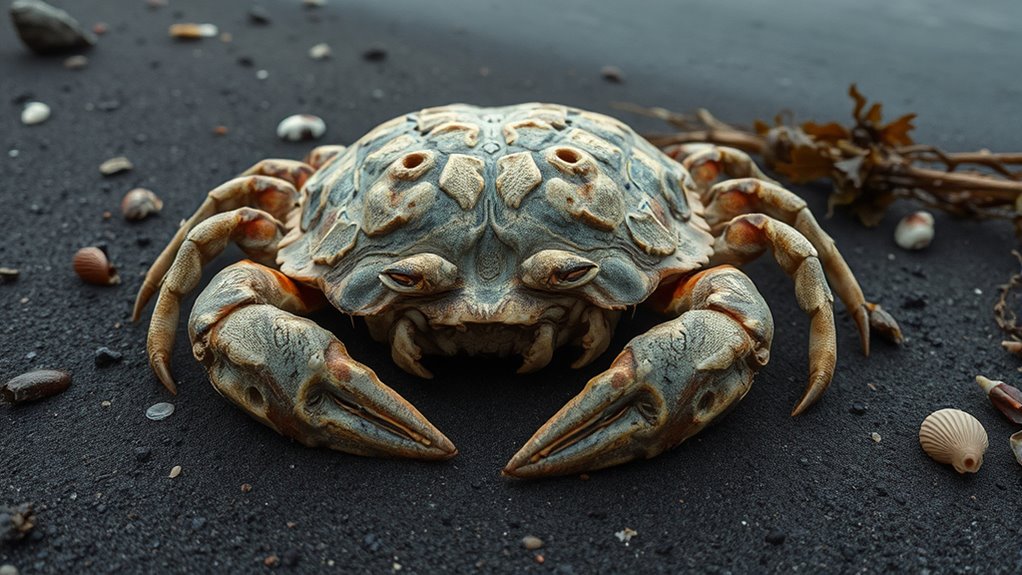
While horseshoe crabs play an essential role in maintaining healthy coastal ecosystems, their populations face numerous threats that jeopardize their survival. Coastal development destroys spawning beaches, reducing habitat availability. Pollution from runoff and industrial waste contaminates breeding sites and affects eggs and larvae. Overharvesting for bait and biomedical use puts additional pressure on populations, especially when regulations aren’t strictly followed. Climate change causes rising sea levels and increased storm activity, eroding beaches and disrupting spawning cycles. Predation and egg predation by introduced species also decrease reproductive success. Moreover, habitat degradation and human disturbance during spawning seasons cause females to abandon nests. High-pressure application can damage eggs and reduce hatch rates, further threatening population recovery. Establishing conservation strategies is crucial to address these threats and ensure the long-term stability of horseshoe crab populations, making it urgent to address these challenges before their survival becomes critically endangered. Additionally, increasing public awareness about their ecological importance can foster community support for protective measures.
How Conservation Efforts Are Making a Difference
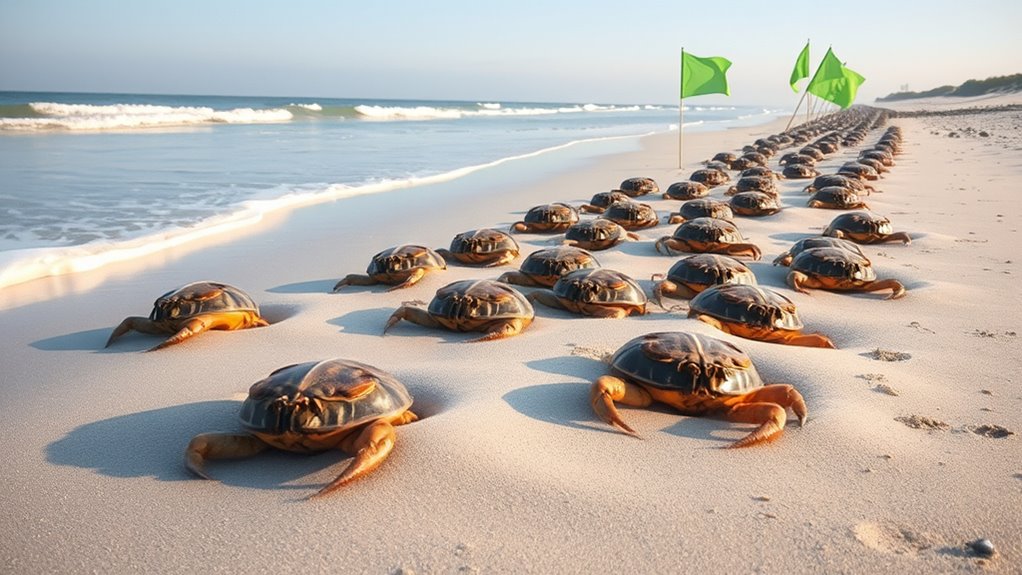
Conservation efforts are actively transforming the future of horseshoe crab populations by implementing targeted management strategies and protective measures. These include setting harvest quotas, regulating biomedical collection, and protecting spawning beaches, especially in critical areas like Delaware Bay. Such measures ensure sustainable harvesting and habitat preservation, directly benefiting populations. Additionally, captive breeding programs and habitat restoration projects bolster wild numbers and improve reproductive success. Effective conservation strategies can significantly enhance the resilience of horseshoe crab populations. Ongoing regional efforts demonstrate a commitment to maintaining stable populations and preventing further decline. Incorporating community engagement has proven vital in fostering local support and compliance with conservation initiatives, ensuring ongoing sustainable practices for future generations. By monitoring drift net fishing and other potentially harmful activities, conservation programs can adapt and respond to emerging threats more effectively.
The Future of Horseshoe Crabs and Human Responsibility
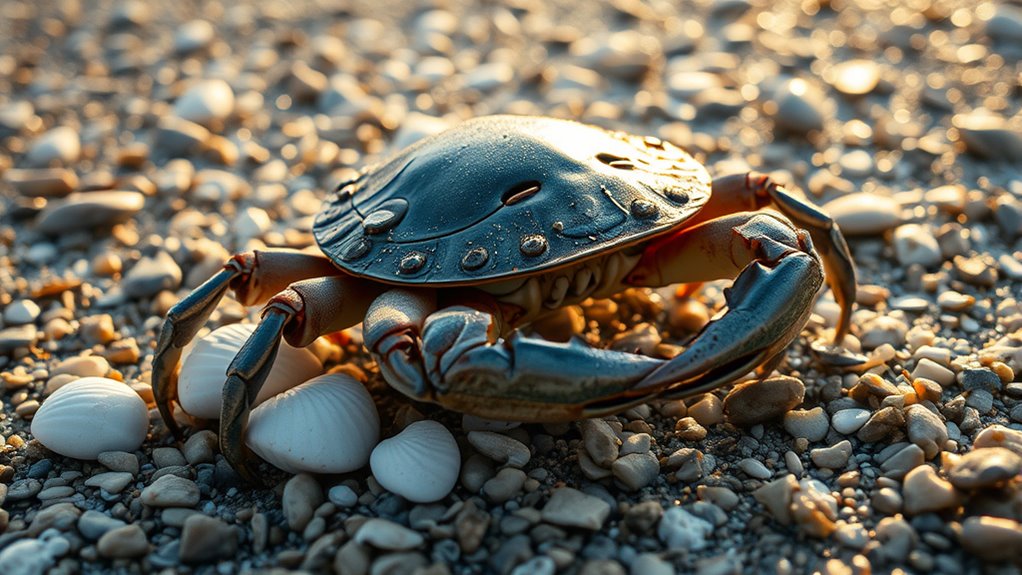
Looking ahead, the future of horseshoe crabs depends heavily on human actions and ongoing commitment to sustainable practices. Your role is crucial in ensuring their survival. To make a difference, consider these key actions:
- Support regulations that limit overharvesting and protect spawning habitats.
- Promote responsible biomedical harvesting by advocating for stricter protocols.
- Participate in habitat restoration projects to preserve essential breeding beaches.
- Raise awareness about the ecological importance of horseshoe crabs and their threats.
- Educate the public about the significance of ecological balance, which can reflect environmental health and ecological balance, to foster better conservation efforts. Implementing sustainable harvesting practices is essential to prevent further decline of the species.
Furthermore, understanding the regulations that govern harvesting practices can empower you to advocate more effectively for the species.
Frequently Asked Questions
How Do Horseshoe Crabs’ Blood Cells Detect Bacterial Endotoxins?
You might be surprised to learn that horseshoe crab blood cells, called amebocytes, detect bacterial endotoxins by recognizing specific molecules on the bacteria’s surface. When these cells encounter endotoxins, they activate and clot rapidly, forming a gel-like barrier. This response is so sensitive that it’s used in medical testing to ensure vaccines and IV fluids are free of harmful bacteria, making horseshoe crab blood essential for human health.
What Specific Habitat Features Are Critical for Horseshoe Crab Spawning Success?
You need sandy, protected beaches with gentle slopes for horseshoe crabs to spawn successfully. These habitats offer stable, shallow intertidal zones, ideal for females to dig nests and lay thousands of eggs. Calm waters and minimal disturbance are essential, as rough seas and human activity can disrupt spawning. Preserving natural beach features and limiting development ensures these critical habitats remain suitable for horseshoe crab reproduction.
How Does Climate Change Impact Horseshoe Crab Reproductive Cycles?
Climate change disrupts horseshoe crab reproductive cycles by altering temperature and sea level patterns. As waters warm, spawning timing shifts, causing mismatches with peak food availability for hatchlings. Rising sea levels flood nesting beaches, reducing suitable habitat, while increased storms wash away nests. You’ll notice fewer eggs hatch on time, threatening population stability. To protect these ancient creatures, you need to support conservation efforts addressing climate impacts and preserve essential spawning habitats.
Are There Any Ongoing Captive Breeding Programs for Horseshoe Crabs?
Yes, there are ongoing captive breeding programs for horseshoe crabs. You can find these programs at research institutions and conservation organizations working to bolster wild populations and reduce harvesting pressure. These efforts involve carefully controlled breeding environments that mimic natural habitats, helping to produce healthy juveniles for release or study. Your support or awareness can contribute to the success of these programs, ensuring horseshoe crabs thrive for future generations.
How Do Regional Genetic Differences Affect Conservation Strategies?
Regional genetic differences influence your conservation strategies by highlighting distinct populations that require tailored management. You should prioritize protecting genetically unique groups to maintain overall species diversity. Implement region-specific regulations, like harvest limits and habitat preservation, to address local needs. Monitoring genetic variation helps you adapt strategies effectively, ensuring that you conserve the species’ evolutionary potential while reducing risks of inbreeding and population decline.
Conclusion
You can’t help but imagine the ancient horseshoe crab, unchanged for over 450 million years, still crucial today. With nearly 1 million crabs harvested each year for biomedical uses, their survival depends on your actions. Every effort counts—your support in conservation can help protect these living fossils. Together, we hold the power to guarantee future generations witness their resilience, preserving a creature that’s outlived dinosaurs and continues to shape our world.
Fall Picks
fall essentials
As an affiliate, we earn on qualifying purchases.