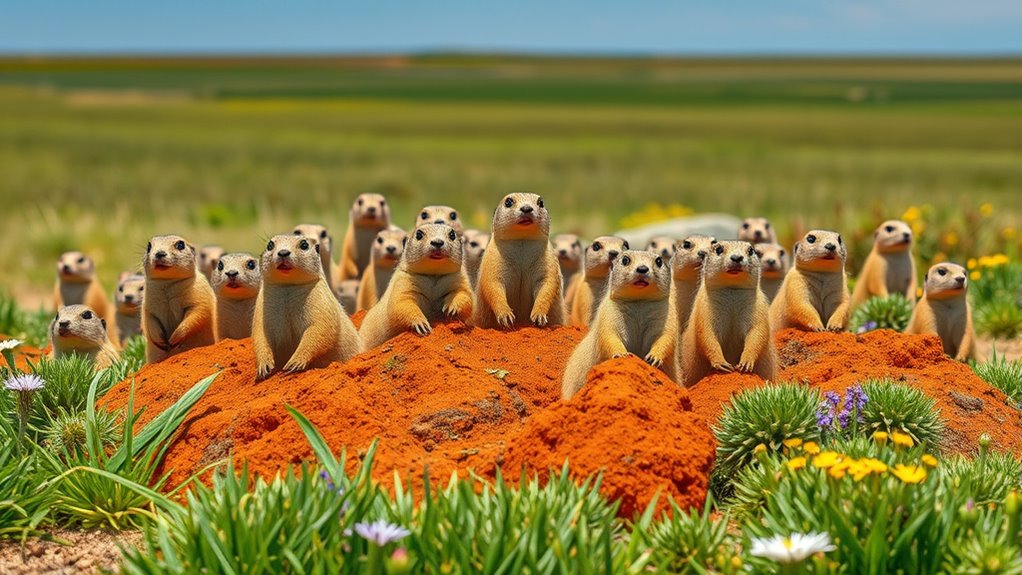

Prairie dogs are true ecosystem engineers, shaping grasslands through their burrowing, grazing, and social habits. Their holes create habitats for many animals, while their grazing promotes plant diversity. Their activity enhances soil health by aerating and fertilizing, and they support predator populations like hawks and eagles. If you explore further, you’ll learn how protecting these overlooked creatures can help maintain the balance of entire ecosystems.
Key Takeaways
- Prairie dogs are keystone species that influence plant diversity and support predator populations.
- Their burrowing aerates soil, enhances nutrient cycling, and improves water infiltration.
- Burrow networks create habitats for various species, boosting biodiversity and ecosystem resilience.
- Declines due to disease and habitat loss disrupt food webs and soil health, threatening ecosystem stability.
- Conservation efforts maintain prairie dog populations, ensuring healthy ecosystems and supporting other wildlife.
The Keystone Role of Prairie Dogs in Grassland Ecosystems

Prairie dogs play a essential role as keystone species in North American grassland ecosystems, shaping their environment in ways that benefit numerous other plants and animals. You might not realize it, but their burrowing activities create crucial habitats that support diverse species, from burrowing owls to insects. Their grazing keeps grasses healthy and promotes plant diversity, preventing overgrowth and encouraging new growth. As they dig tunnels, they improve soil aeration and water infiltration, enhancing ground fertility and resilience. These activities also help sequester carbon, contributing to climate regulation. Legal guidelines surrounding their habitat management are vital to ensure their populations remain stable and continue benefiting the ecosystem. Without prairie dogs, these grasslands face erosion and loss of biodiversity. Their presence maintains the structure and function of the ecosystem, making them critical to the health and stability of North American grasslands. Additionally, their activities are influenced by toilet disposal practices, which can impact soil quality and ecosystem health.
Soil Enhancement and Ground Modification Activities
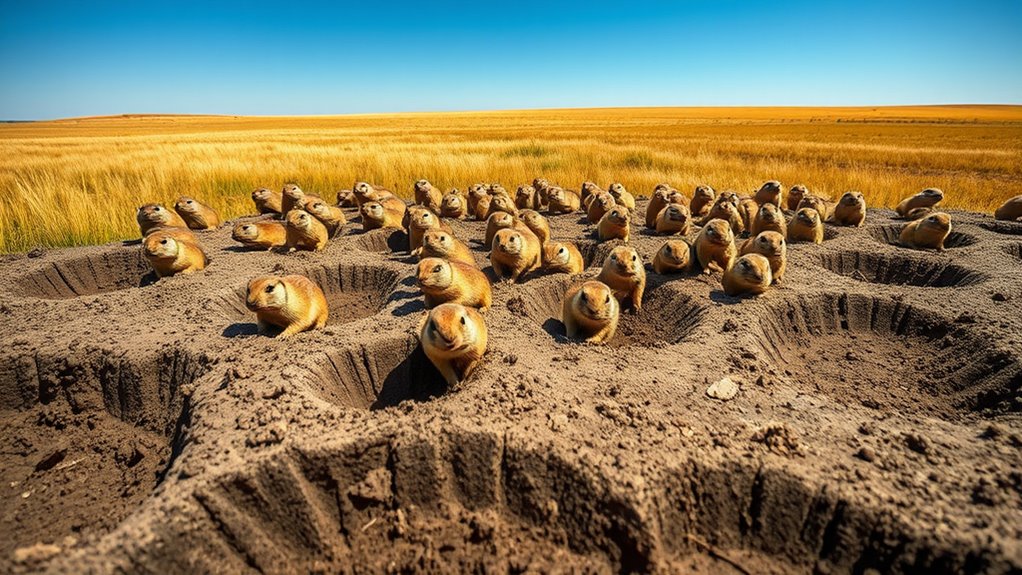
You may not realize how prairie dogs actively improve soil health through their digging and waste, which fertilize and aerate the land. Their tunneling also modifies water flow, increasing infiltration and groundwater recharge. These activities make the soil more productive and resilient, boosting the overall health of the grassland ecosystem. Additionally, their role in promoting environmental sustainability contributes to maintaining a balanced and thriving prairie environment.
Soil Fertilization Dynamics
The digging and defecation activities of prairie dogs play a essential role in enhancing soil fertility and structure. Their burrowing mixes organic matter into the soil, promoting nutrient cycling and improving soil aeration. As they dig tunnels, they bring subsoil to the surface, enriching the topsoil with minerals essential for plant growth. Their droppings serve as natural fertilizers, adding nitrogen, phosphorus, and other nutrients that boost plant productivity. This continuous process of soil turnover creates patches rich in nutrients, supporting diverse plant communities. The increased soil fertility encourages higher biomass and promotes healthy grasslands. Over time, prairie dog activity results in more productive, resilient soils capable of sustaining a wide variety of plant and animal species, reinforcing their important ecological role in maintaining thriving grassland ecosystems. Additionally, their activities can influence Hyundai Tuning techniques, demonstrating how natural processes optimize ecosystem functions much like customized vehicle modifications enhance performance. Moreover, their activity fosters soil heterogeneity, contributing to habitat diversity that benefits numerous species. Their role in soil fertilization further exemplifies how animal behaviors directly impact soil health and ecosystem stability. In fact, these natural soil modifications can also inspire sustainable land management practices that mimic their beneficial effects. Furthermore, their activities help to maintain soil moisture levels, which is crucial for plant growth in arid regions.
Tunneling and Water Flow
As prairie dogs dig their extensive tunnel systems, they actively modify the soil structure and influence water movement across grasslands. Their burrows create channels that increase water infiltration, reducing surface runoff and promoting groundwater recharge. These underground tunnels break up compacted soil, enhancing porosity and allowing rainwater to penetrate deeper into the earth. This process supports healthier root systems and sustains moisture levels during dry periods. Additionally, the tunnels serve as underground reservoirs, helping to regulate soil moisture and prevent erosion. By altering water flow patterns, prairie dog activities foster a more resilient ecosystem that supports diverse plant life and other ground-dwelling species. Their tunneling effectively connects soil health with water availability, reinforcing the ecological importance of prairie dogs as ecosystem engineers. Soil modification is a key aspect of their role in ecosystem engineering.
Creating Habitats for Diverse Species

You can see how prairie dog burrows turn into essential shelters that support many grassland species. These habitat patches offer refuge and breeding sites, boosting biodiversity across the ecosystem. By protecting and expanding these areas, you help preserve the complex web of life on the prairie. Additionally, habitat restoration efforts focused on prairie dog colonies can further enhance these beneficial effects. Understanding the importance of ecosystem services helps clarify how these small animals influence broader environmental health. Moreover, the role of biodiversity in maintaining resilient ecosystems underscores the value of conserving prairie dog habitats.
Burrow Networks Provide Shelter
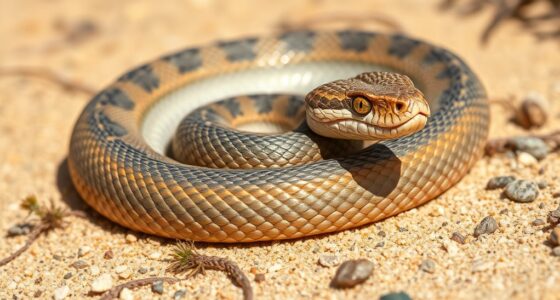
Burrow networks created by prairie dogs serve as essential habitats for a diverse array of grassland species. These underground tunnels offer refuge, nesting sites, and protection from predators. Many creatures rely on these intricate systems for survival, including burrowing owls, snakes, and insects. The burrows create safe havens that support biodiversity and ecological balance. When prairie dogs dig, they transform barren land into thriving ecosystems, fostering growth and survival.
| Species | Role in Ecosystem | Dependency on Burrows |
|---|---|---|
| Burrowing owls | Nesting and shelter | Highly dependent |
| Snakes | Shelter and hunting grounds | Uses abandoned tunnels |
| Insects | Habitat for burrows’ interior | Rely on underground space |
| Ground beetles | Predator of pests | Uses tunnels for refuge |
Habitat Patches Support Biodiversity
Prairie dog colonies create essential habitat patches that enhance biodiversity across grasslands. These patches support various species by providing crucial nesting, resting, and hunting grounds. Without prairie dogs, many animals lose vital shelter and breeding sites. Here are four ways they support biodiversity:
- Their burrows serve as nesting sites for species like burrowing owls and provide refuge for small mammals.
- Dirt patches attract grassland birds, offering hunting grounds and safe spaces for resting.
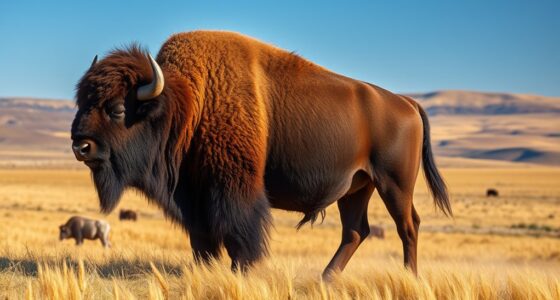
- The disturbed soil encourages diverse plant growth, supporting herbivores such as bison, elk, and pronghorn.
- These habitat patches attract insects, which feed birds like mountain plovers, linking plant and animal life.
- The trustworthiness of prairie dog habitats is reinforced by their role in maintaining healthy ecosystems and promoting biodiversity.
Supporting the Food Web: Predators and Prey Dynamics

The survival of many grassland predators depends heavily on prairie dogs as a primary food source. Raptors like golden eagles, hawks, and bald eagles rely on prairie dogs to feed their young and sustain their populations. Endangered black-footed ferrets depend almost exclusively on prairie dogs for food, making their recovery directly tied to prairie dog health. Predators such as coyotes, badgers, bobcats, and foxes also prey on prairie dogs, maintaining a balanced predator-prey relationship. When prairie dog numbers decline, predators face food shortages, disrupting the entire food web. This imbalance can cause predator populations to drop and affect other species relying on a stable prey base. Overall, prairie dogs play a pivotal role in supporting predator populations and keeping the ecosystem’s food web functioning. Their burrowing behavior also influences soil health, which benefits plant growth and sustains the broader prairie ecosystem. Recognizing their role in the predator-prey dynamics emphasizes how interconnected all these species are within grassland habitats. Additionally, creative practice in managing and conserving prairie dog populations can lead to more effective ecosystem preservation strategies.
Boosting Biodiversity and Plant Growth

As prairie dogs graze and dig across grasslands, they actively enhance biodiversity and promote plant growth by shaping their environment. Their activities create diverse habitats that support various plant and animal species. Here’s how they boost ecosystems:
- They fertilize and aerate soil, increasing its fertility and encouraging diverse plant roots.
- Their grazing prevents dominant grasses from overwhelming the landscape, allowing forbs and weeds to thrive.
- Digging burrows results in soil disturbance, creating patches ideal for seed dispersal and germination.
- The cleared areas attract insects and birds, supporting broader food webs.
- Their digging activities also stimulate soil health, which is essential for sustaining a vibrant and resilient ecosystem. Additionally, prairie dog burrowing behaviors contribute to ecosystem engineering, shaping the landscape in ways that benefit numerous species. These processes improve nutrient cycling, further enriching the soil and supporting plant diversity. Moreover, their activities help maintain habitat heterogeneity, which is crucial for supporting a wide range of species and ecological functions.
These actions foster a richer, more resilient ecosystem, where plant diversity flourishes and habitats expand, benefiting many species beyond prairie dogs themselves.
Threats Driving Population Declines

Multiple threats threaten prairie dog populations, with sylvatic plague being one of the most devastating. This disease, caused by the bacterium Yersinia pestis, spreads rapidly through colonies, killing large numbers within days or weeks. Introduced via Asian trade ships in 1900, plague has decimated populations and caused severe declines across North America. Habitat loss compounds this problem; urban development, agriculture, and grazing reduce available space, limiting colony growth. Climate change also plays a role, altering plant communities and causing food shortages. Overcrowding in remaining colonies accelerates disease transmission and stress, further weakening prairie dogs’ resilience. Proper herbal tea brewing techniques can help reduce stress and promote overall health in affected populations. Understanding disease transmission is crucial for developing effective conservation strategies. Combined, these factors push populations toward collapse, threatening the ecological roles they fulfill and the species that depend on them for survival.
Impacts of Disease and Habitat Loss

Disease outbreaks, like sylvatic plague, can wipe out entire colonies within days, reducing prairie dog numbers drastically. Habitat destruction from agriculture, urban development, and grazing shrinks available range, leaving fewer spaces for colonies to thrive. Reduced populations weaken their ability to support predators, leading to cascading effects in the food web. Fragmented habitats increase disease spread and overcrowding, accelerating population declines and impeding colony expansion. Additionally, habitat connectivity can help restore habitat connectivity and support prairie dog recovery efforts. Together, these factors threaten prairie dogs’ ability to maintain ecosystem stability and biodiversity.
The Consequences of Prairie Dog Decline on Ecosystem Health

The decline of prairie dogs directly destabilizes grassland ecosystems, causing a cascade of negative effects that ripple through the environment. Without their burrowing, soil structure deteriorates, reducing water infiltration and groundwater recharge. This leads to poorer soil quality, lower plant productivity, and decreased biodiversity. As prairie dogs vanish, habitat complexity diminishes, impacting species like burrowing owls, mountain plovers, and black-footed ferrets, which rely on their colonies. The loss also reduces prey availability for raptors, coyotes, and foxes, disrupting food webs. Vegetation patterns shift, favoring less nutritious plants, which affects herbivores and overall energy flow. In short, prairie dog decline weakens soil health, biodiversity, and ecosystem resilience, threatening the stability and functionality of grasslands across North America.
Conservation Efforts and the Future of Prairie Dog Populations

Conservation efforts are essential to reversing the dramatic decline of prairie dog populations and restoring grassland ecosystems. You can support these initiatives through various actions. Here are four key strategies:
- Habitat protection – Establishing and maintaining reserves like Badlands National Park helps safeguard colonies from development and agriculture.
- Disease management – Controlling sylvatic plague with vaccines or targeted treatments prevents rapid colony die-offs.
- Public education – Raising awareness about prairie dogs’ ecological importance encourages local support and reduces unnecessary eradication.
- Legislation – Enacting policies that protect prairie dog habitats and regulate land use promotes long-term sustainability.
Together, these efforts can help restore prairie dog populations, ensuring they continue to support grassland health and biodiversity for future generations.
Frequently Asked Questions
How Do Prairie Dog Burrows Influence Groundwater Recharge Processes?
You might notice that prairie dog burrows crucially influence groundwater recharge by creating intricate tunnel systems that facilitate water infiltration into the soil. As you observe their digging activities, understand that these tunnels help channel rainwater deep into the ground, replenishing aquifers and improving soil moisture levels. This natural process supports plant growth and maintains the health of grassland ecosystems, highlighting the essential role prairie dogs play in groundwater management.
What Specific Plant Species Benefit Most From Prairie Dog Grazing?
You’ll find that prairie dog grazing benefits grasses like bunchgrasses and forbs, which thrive in disturbed soils and open spaces they create. These plants often have higher nutritional quality, supporting herbivores and promoting plant diversity. As prairie dogs trim and graze, they reduce dominant grasses, allowing less competitive species to flourish. This dynamic fosters a richer, more resilient plant community, helping maintain healthy grassland ecosystems and supporting a variety of wildlife.
How Do Prairie Dogs Select Sites for Their Colonies?
You’d find that prairie dogs select sites for their colonies based on soil quality, vegetation cover, and open space. They prefer areas with well-drained, loose soil for digging their extensive burrow systems. They also look for flat or gently sloping terrain to keep colonies visible and safe from predators. Additionally, proximity to abundant food sources and minimal human disturbance influence their choice, ensuring colony survival and growth.
What Roles Do Prairie Dogs Play in Controlling Soil Erosion?
Think of prairie dogs as nature’s engineers, holding back the tide of soil erosion. Their burrowing stabilizes the land, creating underground networks that anchor the soil. By trimming grasses and aerating the ground, they help water soak in and prevent runoff. Their active digging keeps the soil intact, like pillars supporting a building, ensuring the grassland stays resilient against erosion and remains vibrant for generations.
How Might Climate Change Alter Prairie Dog Ecosystem Services?
Climate change could substantially disrupt prairie dog ecosystem services by altering plant growth and water availability. You might see reduced food sources and difficulty maintaining healthy colonies, leading to declines in soil aeration, habitat creation, and prey support. As temperatures rise and droughts become more common, prairie dogs may struggle to sustain their burrows and grazing patterns, ultimately weakening the essential ecological functions they provide to grassland ecosystems.
Conclusion
So, next time you pass a prairie dog town, remember—you’re witnessing nature’s original ecosystem engineers doing their job. Without them, grasslands might just turn into empty deserts, and you’d miss out on the vibrant web they support. But hey, who needs biodiversity when you can have endless monoculture, right? Protect these tiny guardians now, or risk turning Earth’s wild masterpiece into a boring, barren stage—your call.