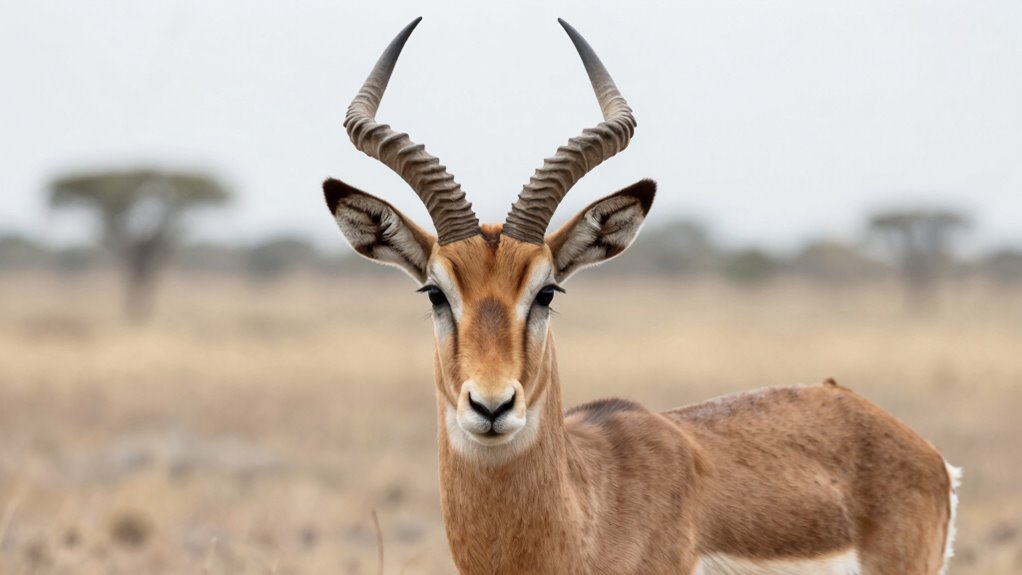

The saiga is a strange-looking, critically endangered antelope with a bulbous nose that filters dust and regulates air temperature, helping it survive in harsh Central Asian steppes and semi-deserts. Once widespread across Eurasia, habitat loss, overhunting, and disease threaten its future. Despite these challenges, conservation efforts aim to protect this resilient creature. Curious about how it continues to survive against all odds? Keep exploring to discover more about this remarkable animal.
Key Takeaways
- The Saiga is a unique antelope with a bulbous, otherworldly nose that filters dust and regulates air temperature.
- Once widespread across Eurasia, its habitat has drastically shrunk due to human activity and habitat loss.
- Threats include poaching for horns, habitat destruction, overgrazing, and disease outbreaks.
- Conservation efforts focus on habitat protection, anti-poaching measures, and community engagement.
- Despite challenges, the Saiga’s survival depends on global cooperation and addressing its threats.
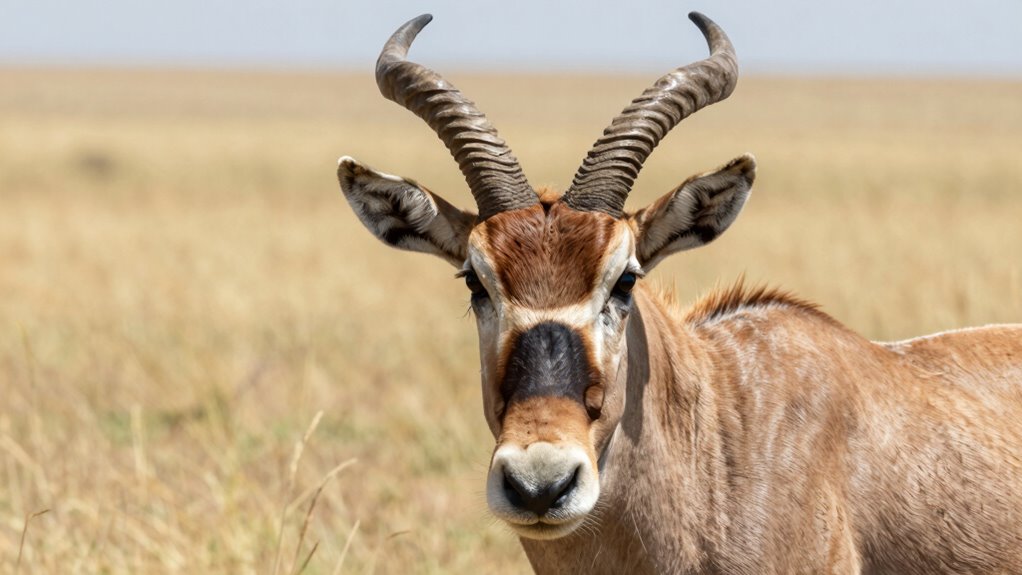
Have you ever seen an animal with a nose so bizarre that it seems almost otherworldly? That’s the Saiga antelope, a creature with a distinctive, bulbous nose that looks like it belongs on another planet. Its unusual nose isn’t just for show; it’s an incredible example of habitat adaptation that helps the Saiga survive in its harsh environment. The Saiga’s nose filters dust kicked up by the wind and warms or cools the air before it reaches the lungs, a essential feature in the extreme temperature swings of its Central Asian steppes and semi-deserts. This adaptation allows the Saiga to thrive where many other animals might struggle, but it also makes the species especially vulnerable to changing conditions in its habitat.
The Saiga’s range once stretched across vast regions of Eurasia, from the Ural Mountains to Mongolia. However, over the years, habitat destruction has chipped away at its territory. Human activities such as overgrazing by livestock, infrastructure development, and illegal hunting for its horns have severely impacted their populations. These animals are highly sensitive to habitat changes, and when their environment shrinks or degrades, it becomes difficult for them to find food and breeding grounds. Despite their remarkable adaptations, the Saiga faces ongoing conservation challenges that threaten its survival. The loss of habitat not only reduces their numbers but also fragments their populations, making it harder for them to reproduce and maintain genetic diversity.
Conservation efforts are underway, but they face many hurdles. Poaching remains a significant problem, driven by the high demand for Saiga horns in traditional medicine and the illegal wildlife trade. Protecting the Saiga’s habitat is imperative, yet difficult, especially in regions where economic development pressures push for land use changes. Additionally, diseases like the deadly Pasteurellosis have caused devastating die-offs in some populations, further complicating conservation plans. It’s a race against time, and though the Saiga’s resilience is impressive, it can’t withstand relentless threats forever. Effective conservation needs coordinated international efforts, local community engagement, and stricter anti-poaching measures. If these challenges are addressed, there’s hope the Saiga’s strange nose and unique adaptations will continue to be part of the steppe landscape for generations to come.

Wildlife Ecology, Conservation, and Management
As an affiliate, we earn on qualifying purchases.
As an affiliate, we earn on qualifying purchases.
Frequently Asked Questions
How Does the Saiga’s Nose Help It Breathe in Extreme Temperatures?
Your saiga’s nose, with its unique nasal adaptations, helps it breathe efficiently in extreme temperatures. It warms up cold air before reaching your lungs and cools and moistens hot, dry air, aiding in temperature regulation. This specialized nose prevents dehydration and overheating, allowing you to survive harsh environments. By filtering dust and regulating airflow, these nasal features make the saiga well-suited to thrive where others struggle.
Are Saigas Considered Dangerous to Humans or Livestock?
You should know that saigas are generally not dangerous to humans or livestock. Their behavior shows they prefer avoiding conflict, and they’re more focused on survival and migration. However, their declining numbers make Saiga conservation vital; protecting these antelopes helps maintain ecological balance. While they’re peaceful, understanding their behavior and safeguarding their habitat guarantees they continue to thrive without posing risks to people or animals nearby.
What Specific Predators Mainly Hunt Saigas?
You’ll find wolves and foxes mainly hunting saigas, their stealthy shadows lurking in the grasslands. These predators have adapted predator strategies, stalking with patience and striking swiftly. As Saiga conservation efforts endeavor to protect these unique animals, understanding predator adaptation becomes essential. These cunning hunters test the saiga’s resilience, pushing it to the brink, yet the antelope’s tenacity keeps it fighting for survival amid the predator’s relentless pursuit.
How Do Saigas Communicate With Each Other?
You’ll notice that saigas communicate mainly through vocalizations and social scent marking. When they want to alert others or establish dominance, they use specific saiga vocalizations that travel across the plains. Additionally, they mark their territory with social scent marking, which helps them recognize each other and maintain social bonds. These methods are essential for their survival, especially during the breeding season when communication becomes indispensable for safety and cooperation.
Can Saigas Survive in Captivity Outside Their Native Habitat?
They can survive in captivity, but it’s no easy feat. Remember, “A chain is only as strong as its weakest link,” so Saiga conservation relies on successful captive breeding programs. With proper habitat simulation, diet, and care, you can help these antelopes thrive outside their native habitat. Ongoing research and dedicated efforts are essential to guarantee their survival, making captivity a crucial part of Saiga conservation.
Conclusion
You’ve seen how resilient the saiga truly is, defying odds with its unique nose and tough spirit. Despite facing threats, it keeps bouncing back, showing that persistence pays off. Remember, where there’s a will, there’s a way—just like the saiga refuses to give up. Keep rooting for this quirky antelope, and maybe, like it, you’ll find strength in adversity and come out stronger on the other side.