

Before making your next purchase, ask if the product is truly sustainable by checking third-party certifications and transparent supply chains. Evaluate how the brand demonstrates authenticity, openness, and ethical practices. Consider if the price reflects the value, durability, and environmental impact of the item. Think about long-term benefits and eco-friendly materials, and verify sourcing and manufacturing adhere to fair labor standards. Keep these questions in mind to make smarter, more responsible choices. If you continue, you’ll discover how to apply these insights effectively.
Key Takeaways
- Verify third-party eco-certifications and transparent supply chain information to ensure genuine sustainability and ethical practices.
- Assess brand transparency and responsiveness regarding sourcing, manufacturing, and social responsibility initiatives.
- Consider product durability and longevity to maximize environmental benefits and value for money.
- Examine environmental impact during production and transportation, ensuring it aligns with ethical standards.
- Support brands committed to fair labor standards, responsible sourcing, and social responsibility efforts.
Is the Product Truly Sustainable and Certified?

When evaluating if a product is truly sustainable, it’s vital to look beyond superficial labels and verify its credentials through reputable third-party certifications. These certifications, like Fair Trade or USDA Organic, ensure the product meets strict environmental and social standards. Don’t rely solely on eco-friendly buzzwords or vague claims; instead, check for verified seals on packaging or product listings. Digital platforms make it easier to access eco-credentials, so take advantage of online information. Genuine sustainability isn’t just about marketing; it’s backed by transparent proof from independent organizations. Additionally, understanding the specific materials used in the product can help assess its environmental impact more accurately. Recognizing the importance of reliable certifications can further help distinguish authentic sustainable products from greenwashed ones. By focusing on certified products, you reduce the risk of greenwashing and support brands committed to real environmental and social responsibility. Incorporating transparent supply chains into your evaluation process ensures you are supporting companies that prioritize ethical practices. Conducting thorough research into a company’s environmental policies can also provide deeper insight into their sustainability commitments and practices. A deeper understanding of life cycle assessments can help you evaluate a product’s overall ecological footprint more comprehensively. This approach helps guarantee your purchases align with your values and contribute positively to sustainability efforts.
How Does the Brand Demonstrate Authenticity and Transparency?
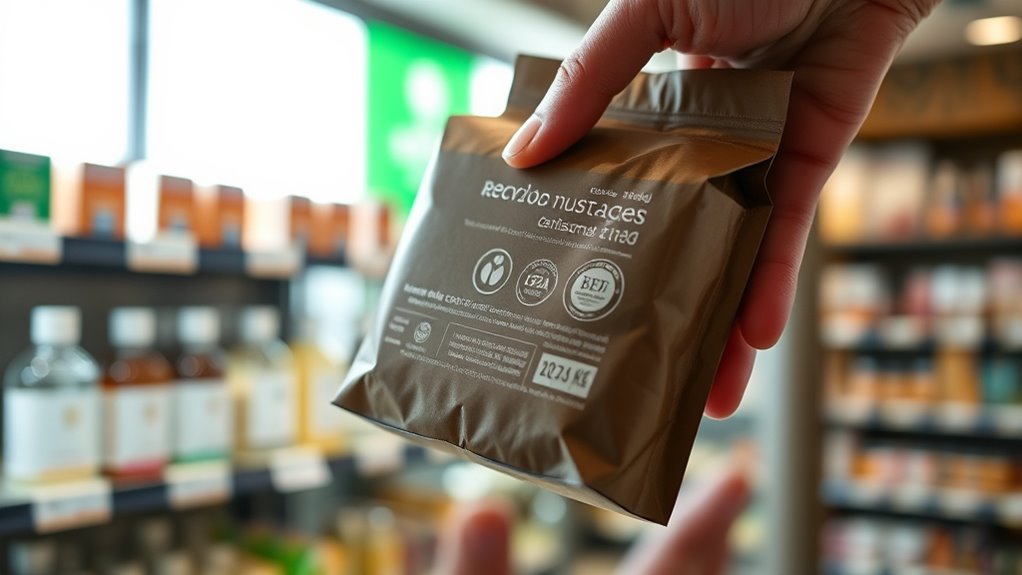
Brands demonstrate authenticity and transparency by openly sharing their sustainability practices and progress through clear, accessible communication. You should look for brands that provide detailed information about their sourcing, manufacturing processes, and environmental impact. Check if they publish annual sustainability reports or updates that show measurable progress, not just vague promises. Transparency means being honest about challenges and setbacks, not only successes. Authentic brands often feature third-party certifications or badges that verify their claims. They’re also willing to answer your questions and engage with consumer feedback openly. This openness builds trust and helps you assess whether their actions align with their words. Additionally, brand integrity is reflected in their consistency and willingness to address issues directly. Incorporating self-awareness into your evaluation can help you better understand your values and expectations from the brands you support. Furthermore, understanding the importance of secure payment processing can give you confidence that your transactions with these brands are protected. Emphasizing transparency and honesty in communications encourages brands to maintain high standards and fosters greater accountability. Recognizing the significance of mindfulness in your purchasing decisions can also lead to more thoughtful and responsible consumer behavior. Ultimately, genuine brands prioritize honest communication to prove their commitment to responsible practices.
Does the Price Match the Value and Environmental Impact?
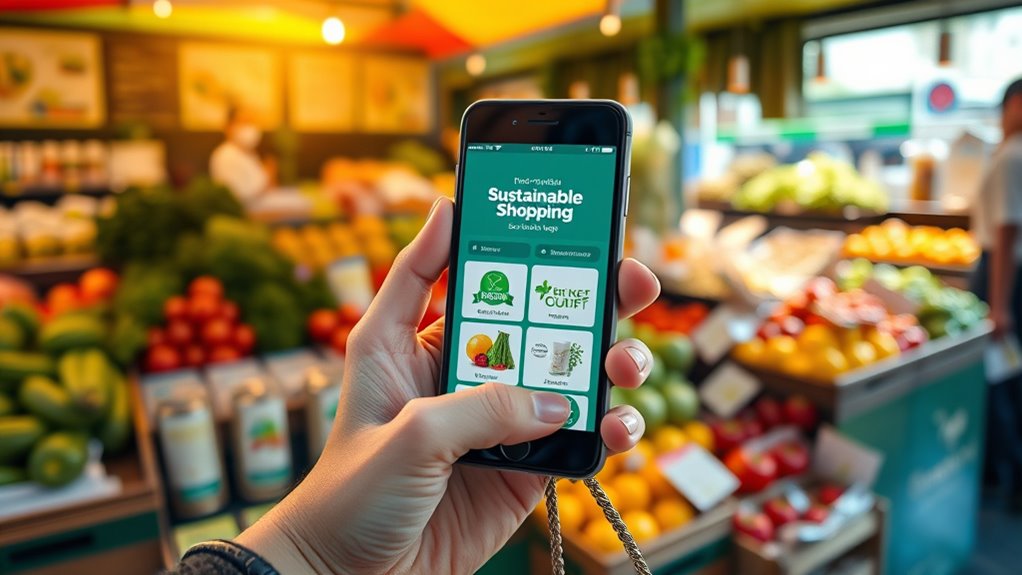
Are you truly getting value for the extra money spent on sustainable products? It’s essential to weigh the benefits against the cost and environmental impact. Sometimes, paying more means better durability, ethical sourcing, or lower ecological footprints, but not always. To assess if the price aligns with the value, consider:
Evaluate if higher-priced sustainable products truly deliver better value and environmental benefits.
- Does the product’s sustainability credentials justify the higher price?
- Are there third-party certifications backing the claims?
- Will the product last longer, reducing the need for frequent replacements?
- Does the environmental impact of production and transportation match what you’re paying?
- Can you find comparable options at a lower cost with similar benefits?
- Recognizing home decor trends can sometimes reveal subconscious values influencing your purchasing choices.
- Additionally, understanding how creative practice and innovation can influence product design may help you make more informed decisions.
- Paying attention to skincare ingredients like glycolic acid can ensure you select effective products that offer real skincare benefits without unnecessary expenditure.
- Being aware of forage and sustainable sourcing can help you evaluate whether the materials used align with your environmental values.
Understanding these factors helps ensure your spending supports genuine sustainability and offers real value, rather than just a higher price tag.
What Are the Long-Term Benefits and Durability of the Product?

Long-term benefits and durability are key considerations when evaluating sustainable products. You want items that last, reducing the need for frequent replacements and cutting down waste. Look for products made from high-quality, recyclable, or biodegradable materials, which typically withstand wear and tear better over time. Repairability is also a vital factor; choose items that can be fixed easily instead of discarded. Consider the brand’s warranty or guarantee policies, as these reflect confidence in their product’s longevity. A durable product not only saves you money in the long run but also minimizes your environmental footprint. When you invest in well-made, long-lasting items, you’re supporting a circular economy and fostering responsible consumption habits that benefit both you and the planet. Additionally, examining the technology used in products, such as advanced projection or display tech, can give insights into their long-term performance and reliability. Furthermore, understanding the role of AI in product development can help you identify innovations designed to enhance durability and functionality over time. Being aware of ethical manufacturing practices can also provide assurance that the product’s durability is achieved responsibly. Incorporating products with sustainable materials can further extend their lifespan and ensure environmental considerations are met.
How Is the Product Sourced and Manufactured Ethically?

When evaluating a product’s ethical sourcing and manufacturing, it’s essential to look beyond the surface labels and seek transparency in the supply chain. Ask questions about where and how the product is made, and look for verified certifications. This helps guarantee workers are paid fairly, working in safe conditions, and that environmentally friendly practices are followed. Additionally, understanding a company’s conflict-free sourcing can further ensure that ethical standards are maintained throughout the supply chain. Incorporating sustainable production methods can also minimize environmental impact and promote responsible manufacturing practices. Consider these aspects: – Are third-party audits confirming fair labor practices? – Does the brand use eco-friendly materials and processes? – Is there transparency about sourcing locations? – Are workers paid living wages? – Does the company participate in fair trade initiatives? Moreover, assessing the vibrational energy behind a company’s practices can provide insight into their commitment to ethical standards and social responsibility. Recognizing the importance of ethical supply chain management can help consumers make more informed and responsible choices. Understanding how companies develop ethical business practices can also influence purchasing decisions and support positive change.
Frequently Asked Questions
How Do I Verify a Brand’s Sustainability Claims Beyond Labels?
You verify a brand’s sustainability claims by researching third-party certifications like Fair Trade or EcoLabel, which guarantee standards are met. Check the brand’s transparency through their website, looking for detailed info on sourcing, manufacturing, and environmental impact. Seek out independent reviews and reports from credible sources. Avoid vague claims, and look for concrete data, proof, or evidence that backs their sustainability statements to make an informed decision.
What Are the Common Greenwashing Tactics to Watch For?
Greenwashing tricks are like wolves in sheep’s clothing, hiding behind vague claims. Watch for buzzwords like “eco-friendly” or “green” without proof. Be wary of labels that lack third-party certification or transparency. Companies may cherry-pick data or exaggerate their efforts. Scrutinize their supply chain stories, and look for clear, measurable sustainability goals. If it sounds too good to be true, it probably is—trust your instincts and demand proof.
How Can I Assess a Product’s Actual Environmental Footprint?
To assess a product’s actual environmental footprint, start by checking for third-party certifications like Fair Trade or EcoLabel, which verify sustainability claims. Look for transparent information on sourcing, manufacturing processes, and recyclability. Research the company’s sustainability practices and ask questions about their supply chain. Avoid vague claims or greenwashing tactics, and prioritize products with clear data and proven eco-friendly innovations, ensuring your purchase aligns with genuine environmental impact.
Are Eco-Friendly Products More Cost-Effective Long-Term?
You’ll find that 59% of shoppers spend about 9.7% more on sustainable products, which can be cost-effective long-term. Eco-friendly items often last longer, are more durable, and can save you money by reducing replacements and waste. Plus, investing in quality, sustainable goods supports brands committed to ethical practices. Over time, the initial extra cost pays off through durability, efficiency, and a smaller environmental footprint, making eco-friendly products a smart financial choice.
How Do Consumer Values Influence Sustainable Purchasing Decisions?
Your values shape your sustainable choices by guiding you toward brands that align with your beliefs. When you prioritize environmental responsibility, social activism, or ethical sourcing, you’re more likely to seek out certified, transparent products. Your willingness to pay extra reflects your commitment to these values, and it influences brands to adopt greener practices. By staying true to what matters most, you help drive positive change and support genuinely sustainable companies.
Conclusion
Remember, every purchase is like planting a seed—what you choose shapes the future. When you ask these five questions, you’re tending to a garden of conscious consumerism. For instance, a friend once switched to eco-friendly brands and saw their carbon footprint shrink like a wilting flower. Your mindful choices can cultivate a more sustainable world, proving that small, intentional steps can grow into meaningful change. So, ask, reflect, and buy with purpose.