
Switching to eco-friendly insulation like hemp, wool, or cork helps you stay warm while cutting energy waste. These natural materials improve your home’s thermal performance, absorb pollutants, and regulate moisture, which boosts indoor air quality. They’re sustainable, biodegradable, and often lower utility bills over time. Although some options can be pricier or less available, smart installation ensures maximum efficiency. To discover how to choose and install the best eco-friendly insulation, keep exploring the options below.
Key Takeaways
- Choose natural fiber insulations like wool, hemp, or cork for sustainable, breathable, and high-performance thermal protection.
- Ensure proper installation with sealing and filling gaps to maximize energy efficiency and reduce drafts.
- Use eco-friendly materials with high R-values to maintain warmth while minimizing environmental impact.
- Incorporate moisture-resistant and mold-preventive insulations to sustain insulation performance and indoor air quality.
- Prioritize sustainable options that are biodegradable, recyclable, and free of harmful chemicals for long-term energy savings.
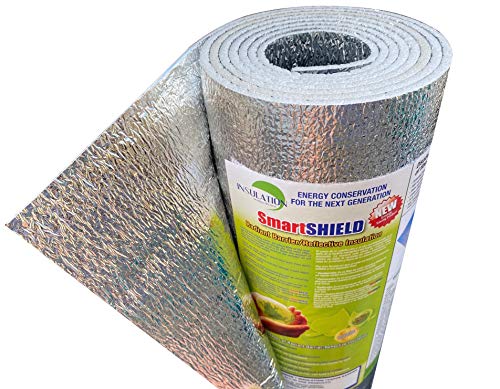
INSULATION MARKETPLACE SmartSHIELD -3mm 16inx10Ft ReflectiveINSULATION roll, Foam Core Radiant Barrier, ThermalINSULATION Shield – Engineered Foil
EXTREMELY EFFECTIVE – reflect 95% of radiant energy, perfect RADIANT BARRIER.
As an affiliate, we earn on qualifying purchases.
As an affiliate, we earn on qualifying purchases.
Benefits of Natural Fiber Insulation for Your Home

Natural fiber insulation offers numerous advantages for your home, combining environmental sustainability with improved indoor comfort. When you choose materials like hemp, wool, or cork, you help reduce your carbon footprint while creating a healthier living space. These insulations are renewable, biodegradable, and often contain recycled content, supporting resource conservation. They also improve indoor air quality by absorbing pollutants and lowering VOC emissions, making your home safer for everyone. Natural fibers breathe, helping regulate moisture and prevent mold growth, which maintains insulation effectiveness over time. Additionally, they tend to be non-toxic and fire-resistant, reducing health risks. By selecting eco-friendly insulation, you also contribute to energy efficiency, lowering heating and cooling costs and decreasing greenhouse gas emissions. Furthermore, understanding the insulation materials used can help ensure you choose the most sustainable and effective options for your home. Exploring different natural fiber options can further enhance your home’s sustainability and comfort. Incorporating AI-driven insights can assist homeowners in making informed decisions about insulation choices, optimizing both comfort and environmental impact. Overall, natural fiber options are a smart, sustainable choice for your home.

Hemp Fiber for Spinning, Blending, Felting & Fiber Arts. Natural Vegan Combed Top Roving. Natural
2 ounces (50g) of undyed hemp sliver, ready for dyeing, spinning, blending, & felting projects.
As an affiliate, we earn on qualifying purchases.
As an affiliate, we earn on qualifying purchases.
Comparing Eco-Friendly Materials: Hemp, Wool, and Cork

When choosing between hemp, wool, and cork for insulation, you’ll want to compare their performance, environmental benefits, and costs. Each material offers unique advantages, from moisture resistance to sustainability, but availability and price can vary. Understanding these factors helps you select the most suitable eco-friendly option for your home. Additionally, considering the sound absorption properties of each material can improve your home’s acoustic comfort and overall energy efficiency. Moreover, the environmental impact of manufacturing processes is an important aspect to evaluate when selecting sustainable insulation materials.
Insulation Performance Benefits
Hemp, wool, and cork each offer unique insulation performance benefits that can enhance your home’s energy efficiency and indoor comfort. Hemp provides a solid R-value of about 3.5 to 3.7 per inch, effectively resisting mold and mildew while regulating moisture. Wool insulation naturally absorbs pollutants and maintains better air quality, acting as a thermal buffer with good breathability. Cork boasts R-values between 3.6 and 4.2 per inch, offering moisture and fire resistance along with antimicrobial properties. All three materials excel at reducing heat transfer, helping you lower heating and cooling costs. Their natural breathability prevents moisture buildup, decreasing the risk of mold. By choosing these eco-friendly options, you improve your home’s insulation performance without sacrificing environmental sustainability or indoor air quality.
Environmental Impact & Sustainability
Are eco-friendly insulation materials truly better for the environment? Yes, they markedly reduce your home’s carbon footprint. Hemp, wool, and cork are renewable resources that act as carbon sinks, storing CO2 during growth. Hemp insulation absorbs moisture and resists mold, while wool improves indoor air quality by trapping pollutants. Cork, harvested sustainably from oak bark, is moisture and fire resistant, fully recyclable, and biodegradable. These materials support resource conservation by often containing recycled content, like cellulose, or being biodegradable, like hemp and cork. Using them minimizes landfill waste and reduces reliance on fossil fuels. Plus, their low-toxicity and chemical-free nature mean healthier indoor environments. Embracing sustainable building practices with these sustainable materials can foster innovative ways to enhance eco-friendly homes. Incorporating environmentally friendly insulation not only benefits the planet but can also lead to energy savings and lower utility bills. Selecting eco-conscious materials encourages the use of resources that are responsibly sourced and produced, further reducing environmental impact. Additionally, many of these materials have a smaller carbon footprint compared to traditional insulation options, making them a prudent choice for eco-conscious homeowners. Choosing these options helps you lower greenhouse gas emissions and promotes a more sustainable, eco-friendly lifestyle.
Cost and Availability
Eco-friendly insulation materials like hemp, wool, and cork each have distinct cost and availability profiles that influence your project choices. Hemp insulation is highly effective but less common in the U.S. and usually costs more than synthetic options. Plant-based insulation often requires specialized manufacturing and installation, which can affect overall costs. Wool insulation remains pricey, partly due to market shifts, but offers excellent indoor health benefits. Cork insulation, while durable and sustainable, has limited supply and commands higher prices, which can limit its use. Availability varies based on your location and supplier networks, so planning ahead is key to staying within budget while choosing eco-friendly options.
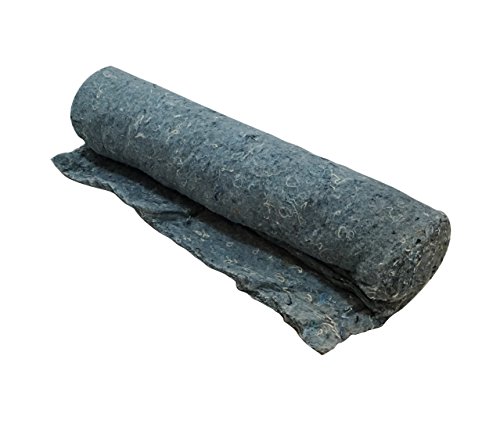
Frost King CF1 "No Itch" Natural Cotton Multi-Purpose Insulation, 16 x 1 x 48-Inch
Use For Insulating, Cushioning, And Noise Dampening
As an affiliate, we earn on qualifying purchases.
As an affiliate, we earn on qualifying purchases.
How Insulation Reduces Energy Consumption and Costs

Insulation plays a crucial role in reducing energy consumption by minimizing heat transfer between the interior and exterior of your home. When your home is well-insulated, it keeps warm air in during winter and outside air out in summer, reducing the need for heating and cooling. This means your HVAC system runs less often, using less energy and lowering your utility bills. Eco-friendly insulation materials, like cellulose or wool, enhance this effect by providing high thermal resistance without compromising indoor air quality. Proper installation guarantees maximum efficiency, preventing drafts and heat leaks. Additionally, understanding how Gravel Bike Tire Pressure can affect ride quality and efficiency can help you optimize your cycling experience while enjoying eco-friendly practices. This knowledge not only benefits your health and performance but also aligns with sustainable living goals. As a result, you enjoy consistent comfort while notably decreasing your home’s carbon footprint. Over time, the savings on energy costs offset the initial investment, making eco-friendly insulation both budget-friendly and environmentally responsible.
INSULATION MARKETPLACE SmartSHIELD -3mm 48inx10ft ReflectiveINSULATION roll, Foam Core Radiant Barrier, ThermalINSULATION Shield – Engineered Foil
EXTREMELY EFFECTIVE – reflect 95% of radiant energy, perfect RADIANT BARRIER.
As an affiliate, we earn on qualifying purchases.
As an affiliate, we earn on qualifying purchases.
Enhancing Indoor Air Quality With Green Insulation Choices

Choosing breathable insulation materials like wool, hemp, or cork can improve your indoor air quality by allowing moisture and pollutants to escape. These natural options also absorb airborne toxins like formaldehyde, reducing chemical emissions. By selecting eco-friendly insulation, you create a healthier, safer environment for your home. Incorporating natural language processing techniques can also help in assessing the environmental impact of various insulation materials, ensuring more sustainable choices. Additionally, understanding the biodegradability of insulation materials can aid in reducing long-term environmental footprints. Being aware of the recycling potential of these materials can further minimize waste and promote eco-conscious disposal practices. Considering the material source can ensure that your insulation is sustainably harvested and responsibly produced, which is essential for supporting sustainable manufacturing practices.
Breathable Material Benefits
Breathable materials play a essential role in improving indoor air quality by allowing moisture and pollutants to escape, which helps prevent mold growth and reduce airborne allergens. When you choose natural, breathable insulation, you create a healthier living environment. Here are three key benefits:
- Moisture Regulation: Breathable insulations like wool and hemp control humidity, reducing the risk of mold and mildew. This is especially important because moisture regulation is vital in maintaining a stable indoor environment. Additionally, the ability of these materials to manage humidity levels contributes to a more consistent and comfortable indoor climate. Incorporating air exchange techniques further enhances ventilation and maintains air quality.
- Pollutant Absorption: Materials such as wool absorb formaldehyde and other indoor pollutants, improving air purity.
- Reduced Off-Gassing: Natural insulations emit fewer volatile organic compounds (VOCs), lowering indoor chemical exposure.
- Additionally, materials used in eco-friendly home insulation, such as those discussed in Honda Tuning, often incorporate sustainable and health-conscious properties that further enhance indoor air quality. Using environmentally friendly insulation can also support overall energy efficiency and sustainability goals.
Pollutant Absorption Properties
Natural insulation materials like wool and hemp don’t just regulate moisture—they actively absorb indoor pollutants such as formaldehyde, volatile organic compounds (VOCs), and other airborne toxins. Wool fibers trap and neutralize these harmful substances, helping improve indoor air quality. Hemp, with its breathable structure, also absorbs VOCs and reduces airborne toxins. These materials naturally filter pollutants, preventing them from circulating freely in your home. Unlike synthetic insulations, they don’t release additional chemicals, making your space healthier. By choosing wool or hemp insulation, you create a cleaner indoor environment, especially beneficial for allergy sufferers or those with respiratory issues. Their pollutant absorption properties work silently, continuously enhancing air quality while providing effective thermal performance.
Reduced Chemical Emissions
Reducing chemical emissions from insulation materials is essential for improving indoor air quality and safeguarding your health. Green insulation options emit fewer volatile organic compounds (VOCs) and toxic chemicals, creating a safer environment. Consider these benefits:
- Natural fibers like hemp, wool, and cotton are minimally processed, reducing harmful off-gassing.
- Recycled materials such as cellulose contain fewer chemicals than synthetic insulations.
- Untreated or low-toxicity treatments ensure fire resistance without introducing hazardous substances.
Choosing natural or recycled insulation materials helps you avoid synthetic binders and chemical flame retardants. These options emit fewer pollutants, which means less indoor air contamination. As a result, you can breathe easier, reduce allergy risks, and promote a healthier living space while staying warm and energy-efficient.
Performance Traits of Sustainable Insulation Options

Sustainable insulation options excel in offering a balanced combination of thermal performance, moisture control, and durability. You’ll find hemp insulation provides reliable R-values around 3.5 to 3.7 per inch while resisting mold and mildew due to its breathability. Wool insulation absorbs indoor pollutants, helps regulate humidity, and maintains its insulating properties over time. Cork insulation offers R-values between 3.6 and 4.2 per inch, with moisture and fire resistance, plus antimicrobial qualities that enhance longevity. Cellulose, made from recycled paper, delivers good thermal resistance and sound insulation, supporting energy efficiency and comfort. These natural materials also act as carbon sinks and are biodegradable, meaning they stay durable and effective while reducing environmental impact, helping you achieve ideal insulation with eco-conscious benefits.
Safety and Health Advantages of Natural Insulation Materials

Natural insulation materials are non-toxic and free from harmful chemicals, making your home safer for occupants. They also help improve indoor air quality by reducing pollutants and volatile organic compounds. Choosing eco-friendly insulation supports healthier living spaces and minimizes chemical exposure.
Non-Toxic Composition
Because many conventional insulation materials contain chemicals that can off-gas harmful fumes, choosing non-toxic natural options substantially improves indoor air quality and health. Natural insulation materials are minimally processed and free from harmful chemicals, reducing health risks. Here are three key benefits:
- Chemical-Free Composition: Natural fibers like hemp, wool, and cotton are untreated or only mildly treated, ensuring fewer VOCs and toxins in your home.
- Fire Resistance Without Harmful Chemicals: Many natural insulations are naturally fire-resistant or treated with eco-friendly fire retardants, unlike synthetic options that often contain hazardous substances.
- Pollutant Absorption: Materials like wool absorb indoor pollutants, helping to maintain a cleaner, healthier environment without introducing additional chemicals.
Choosing these options helps create a safer living space, free from chemical off-gassing and toxic exposure.
Improved Indoor Air Quality
Choosing insulation materials that promote better indoor air quality can substantially enhance your home’s safety and health. Natural insulations like wool, hemp, and cotton are non-toxic and free from harmful chemicals, reducing off-gassing and chemical exposure. Their breathability helps regulate moisture, preventing mold growth and airborne allergens that can trigger asthma or allergies. Wool absorbs pollutants such as formaldehyde, improving indoor air cleanliness, while hemp’s moisture-wicking properties limit mold and mildew risks. These materials also emit fewer volatile organic compounds (VOCs), creating healthier living environments. By selecting eco-friendly insulation, you’re not only conserving energy but also minimizing indoor chemical hazards, fostering a safer, healthier home for you and your family. This focus on air quality considerably boosts overall indoor environmental comfort and safety.
Practical Considerations: Availability and Cost Factors

When considering eco-friendly insulation, availability and cost are key factors that can influence your choices. You need to weigh how easy it is to access materials and whether they fit your budget. Here are three points to consider:
- Hemp insulation offers excellent eco benefits but is less available and tends to be pricier than synthetic options.
- Wool insulation provides health advantages but comes with higher costs due to market fluctuations and limited suppliers.
- Cork insulation is sustainable and durable but has limited supply and premium pricing, which may restrict larger projects.
While cellulose is more affordable and readily available, natural fibers like hemp and cork often require more planning and investment. Your decision will depend on balancing these factors with your environmental goals.
Innovative Trends in Eco-Conscious Insulation Technologies

Innovative trends in eco-conscious insulation technologies are transforming the way you improve energy efficiency and sustainability in building design. Advances like bio-based rigid panels and prefabricated Structural Insulated Panels (SIPs) streamline installation and enhance airtightness, reducing energy loss. Emerging materials such as aerogel and spray foam with improved environmental profiles offer high performance with lower ecological impacts, though some still contain synthetic chemicals. Researchers are developing composites that combine natural fibers with eco-friendly binders, boosting insulation value while maintaining sustainability. Lifecycle analysis is guiding choices toward materials with low embodied energy and recyclability at end-of-life. Additionally, growing awareness of indoor air quality is encouraging the adoption of breathable, pollutant-absorbing natural insulations, making homes healthier and more energy-efficient.
Best Practices for Installing Environmentally Friendly Insulation

Proper installation is essential to maximizing the benefits of environmentally friendly insulation. To guarantee optimal performance, follow these best practices:
- Prepare the space: Clean and dry the area, sealing air leaks and moisture entry points to prevent mold and drafts.
- Select the right material: Use insulation suitable for your climate and application, ensuring proper R-value and fit.
- Install with precision: Fill gaps completely without compression, and avoid compression that reduces insulation effectiveness. Use proper tools and techniques, and follow manufacturer instructions.
Additionally, wear protective gear, handle materials carefully, and avoid gaps or voids for consistent thermal resistance. Proper installation minimizes energy loss, enhances indoor air quality, and maximizes your eco-friendly insulation’s longevity.
Long-Term Impact of Eco-Friendly Insulation on Your Home and the Planet

Choosing eco-friendly insulation for your home can have lasting benefits that extend beyond immediate comfort. It reduces your energy consumption over the years, lowering utility bills and dependence on fossil fuels. This helps decrease your home’s carbon footprint and contributes to combating climate change. Natural materials like hemp, wool, and cork are renewable, biodegradable, and support circular economies by sequestering carbon and minimizing waste. Their durability and resistance to mold and pests are key to long-term performance, reducing the need for replacements or repairs. Additionally, eco-insulation improves indoor air quality, promoting healthier living environments. Over time, your choice not only benefits your household but also promotes a healthier planet, making your home more sustainable for future generations.
Frequently Asked Questions
How Long Does Eco-Friendly Insulation Typically Last?
Eco-friendly insulation typically lasts between 30 to 100 years, depending on the material. Hemp, cork, and wool can remain effective for several decades with proper installation and maintenance. Cellulose may need reapplication or topping up after 20-30 years due to settling or moisture issues. Regular inspections help guarantee your insulation maintains its performance and longevity, so you can enjoy energy savings and indoor comfort for many years to come.
Can Natural Insulation Be Used in Existing Walls?
Yes, you can use natural insulation in existing walls. You’ll need to create access points, like removing drywall or installing through small holes, to insert loose-fill options like cellulose, wool, or hemp. These materials can be blown or inserted into wall cavities, effectively improving insulation without major renovations. Just guarantee proper sealing and professional installation to maximize energy efficiency and prevent air leaks.
What Maintenance Is Required for Natural Fiber Insulation?
Think of natural fiber insulation as a garden that needs regular tending. You should check for moisture buildup, as excess dampness can lead to mold and mildew. Gently vacuum or brush to remove dust and debris, keeping it fresh and breathable. Confirm there are no pests nibbling at the fibers. Occasional inspections and proper ventilation will keep your eco-friendly insulation thriving, ensuring it continues to serve your home well.
Are There Any Certifications to Verify Eco-Friendly Insulation Quality?
Yes, you can look for certifications like GREENGUARD, FSC (Forest Stewardship Council), and USDA Organic to verify eco-friendly insulation quality. These certifications guarantee the material meets strict environmental, health, and sustainability standards. When choosing insulation, check for labels indicating low VOC emissions, recycled content, and sustainable sourcing. These verified labels help you make confident, eco-conscious decisions, ensuring your home stays warm while supporting environmental responsibility.
How Does Natural Insulation Perform in Extreme Weather Conditions?
Natural insulation like hemp, wool, and cork perform well in extreme weather when properly installed. They regulate moisture and air, preventing mold and drafts, which helps maintain consistent indoor temperatures. While they may have slightly lower R-values than synthetic options, their breathability and moisture resistance improve overall thermal performance. To maximize efficiency, guarantee professional installation and consider combining natural insulation with other energy-saving measures for the best results.
Conclusion
Choosing eco-friendly insulation is like planting a seed for a greener future—your home becomes a sanctuary that warms without waste, much like nature’s own insulation. By making mindful choices today, you’re not just saving on energy bills, but also nurturing the planet for tomorrow’s generations. Embrace these sustainable options, and let your home stand as a beacon of responsible living—proof that even small steps can create a ripple of positive change.