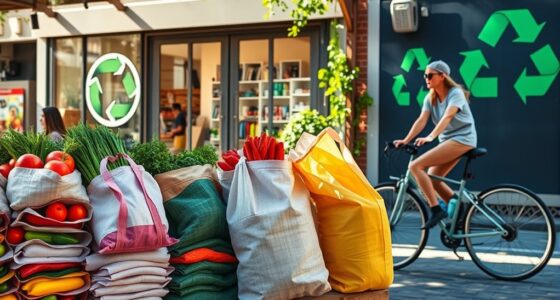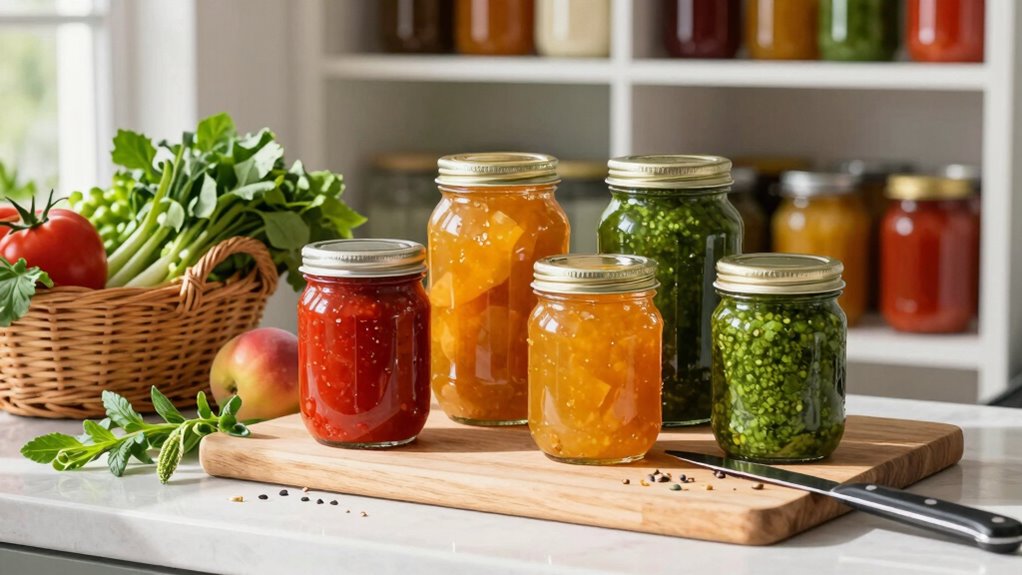

Home food preservation techniques, like canning, freezing, and dehydrating, help you reduce waste and cut down trips to the store. By sealing seasonal fruits and veggies, you extend their shelf life, meaning you can enjoy them long after harvest. Plus, with methods like batch cooking and creating snacks, you minimize spoilage and maximize convenience. You’ll find that organizing your preserved food makes everything last longer and keeps your pantry stocked for quick meals. Discover how easy it is to get started!

Prime made for students and young adults
- Fast, free delivery for dorm and study essentials
- Prime Video and Amazon Music included
- Member-only deals
Key Takeaways
- Home food preservation techniques, like canning and freezing, extend the shelf life of produce, reducing food spoilage and waste.
- Dehydration concentrates flavors and minimizes storage space, allowing you to store seasonal harvests for later use without spoilage.
- Properly preserved foods provide quick meal options, decreasing the need for frequent grocery store trips.
- Pickling and fermentation enhance flavors while preserving ingredients, making them usable longer and reducing the frequency of shopping.
- Effective storage solutions, like quality containers and vacuum sealers, keep preserved foods fresh, maximizing their usability and reducing waste.
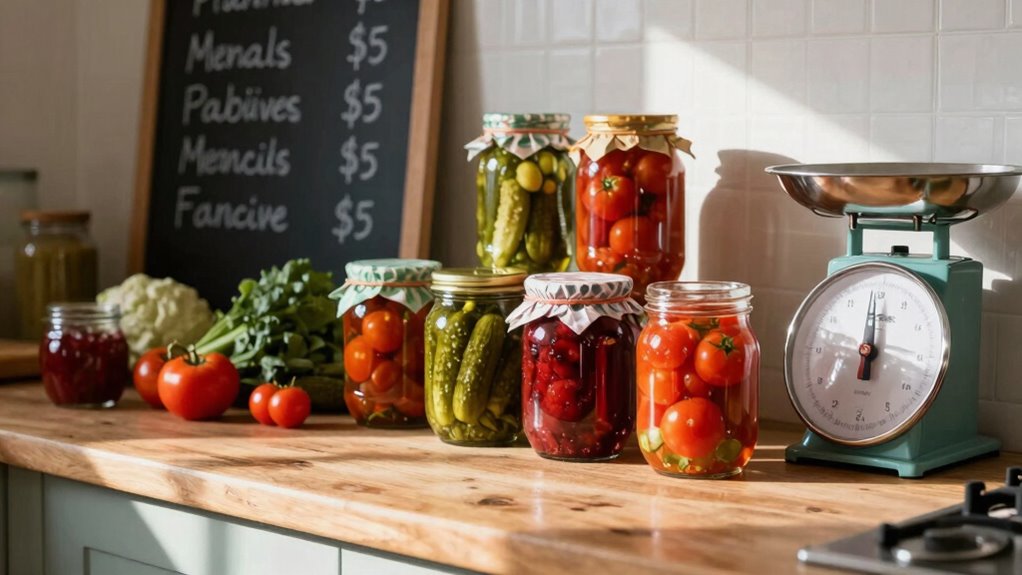
Let’s start with canning techniques. You can preserve fruits and vegetables by sealing them in jars, which creates a vacuum that keeps out bacteria. This way, you can enjoy homemade jams, jellies, or pickled vegetables long after the harvest season. Knowing the basics of canning equips you to store ample amounts of your favorite foods, leading to fewer grocery store visits. Plus, it gives you the satisfaction of creating something delicious from scratch. Using specialized equipment like pressure canners and jars can further ensure safety and quality in your preserved foods. Proper storage and handling are essential for maintaining food safety and quality over time.
Freezing methods are another straightforward approach to food preservation. By freezing, you lock in the nutrients and flavors of fresh produce. You can batch-cook meals and freeze portions for later, which is a lifesaver during busy weeks. Simply wash and chop your veggies, sauté them if desired, and pop them in the freezer. When hunger strikes, you can easily pull out a meal instead of making an extra trip to the store. Freezing also helps prevent food spoilage and waste by extending the shelf life of your perishables.
Freezing is a simple way to preserve fresh produce, locking in nutrients and flavors for convenient meals later.
Dehydration benefits are also worth considering. You can dry fruits, herbs, and vegetables, concentrating their flavors and extending their shelf life. Dehydrated foods make great snacks and can be easily rehydrated for soups or stews, reducing waste and enhancing your cooking possibilities. This method not only saves space but also adds a unique twist to your culinary creations. Understanding dehydration techniques can help you make the most of seasonal harvests and preserve your favorite flavors.
If you’re interested in pickling basics, you’ll find it’s an easy way to preserve your garden’s bounty. By using vinegar, salt, and spices, you can create tangy, flavorful additions to meals. Fermenting foods, like sauerkraut or kimchi, is another exciting option. Fermentation not only preserves food but also adds probiotics, promoting gut health. Incorporating fermentation methods can boost your diet with beneficial bacteria and extend the usability of fresh ingredients.
Lastly, effective storage solutions make all the difference in your preservation efforts. Invest in quality containers and a reliable vacuum sealer to keep your preserved foods fresh longer. By mastering these techniques, you can enjoy the fruits of your labor while minimizing waste and cutting back on those last-minute grocery trips. Proper organization and storage are key to ensuring your preserved foods stay fresh for months to come.
As an affiliate, we earn on qualifying purchases.
Frequently Asked Questions
What Types of Foods Are Best for Preservation at Home?
The best foods for home preservation include fruits, vegetables, and herbs. You can use fermentation techniques for veggies like cucumbers and cabbage, while freezing methods work great for berries and greens. Canning basics are perfect for tomatoes and jams, ensuring long shelf life. Don’t forget drying fruits like apples and peaches; they make delicious snacks. Choose your favorites, and start experimenting with these methods to enjoy your harvest all year round!
How Long Can Preserved Foods Last?
Preserved foods can last anywhere from months to years, depending on how you store them. Ironically, while you’re busy juggling fresh produce that spoils quickly, those jars of pickles and canned tomatoes are quietly extending their shelf life. You’ll find that methods like canning and freezing retain nutrients, ensuring your meals stay healthy. So, next time you reach for that store-bought item, remember your homemade goodies might just outlast it!
What Equipment Do I Need for Home Food Preservation?
To start home food preservation, you’ll need a few essential tools. For canning techniques, grab jars, lids, a canner, and a jar lifter. If you prefer freezing methods, invest in freezer bags or containers, a vacuum sealer, and an ice bath for quick cooling. Don’t forget a food processor for prepping fruits and veggies. With these items, you’ll be ready to preserve your harvest efficiently and enjoy it later!
Are There Safety Risks in Home Food Preservation?
Yes, there are safety risks in home food preservation. When using canning techniques, you need to guarantee you’re following proper guidelines to avoid botulism and other bacteria. Fermentation methods can also pose risks if not done correctly, potentially leading to harmful bacteria growth. Always use tested recipes, maintain cleanliness, and monitor storage conditions. By being cautious, you can enjoy your preserved foods safely and deliciously.
Can I Preserve Leftover Takeout Food at Home?
You can definitely preserve leftover takeout food at home! With a few clever takeout tips, you’ll keep your meals fresh. First, store leftovers in airtight containers to lock in flavor. Label them with dates to avoid playing the guessing game. Refrigerate or freeze them promptly, and make sure to reheat thoroughly before eating. This way, you won’t let good food go to waste, and you can enjoy those tasty meals again!
Conclusion
By preserving your food at home, you’re not just saving money; you’re also making a positive impact on the environment. Did you know that nearly 40% of all food produced in the U.S. goes to waste? By canning, freezing, or drying your leftovers, you can drastically reduce that statistic and cut down on those extra trips to the store. So, grab those jars and get started—your wallet and the planet will thank you!
Halloween Picks
halloween
As an affiliate, we earn on qualifying purchases.