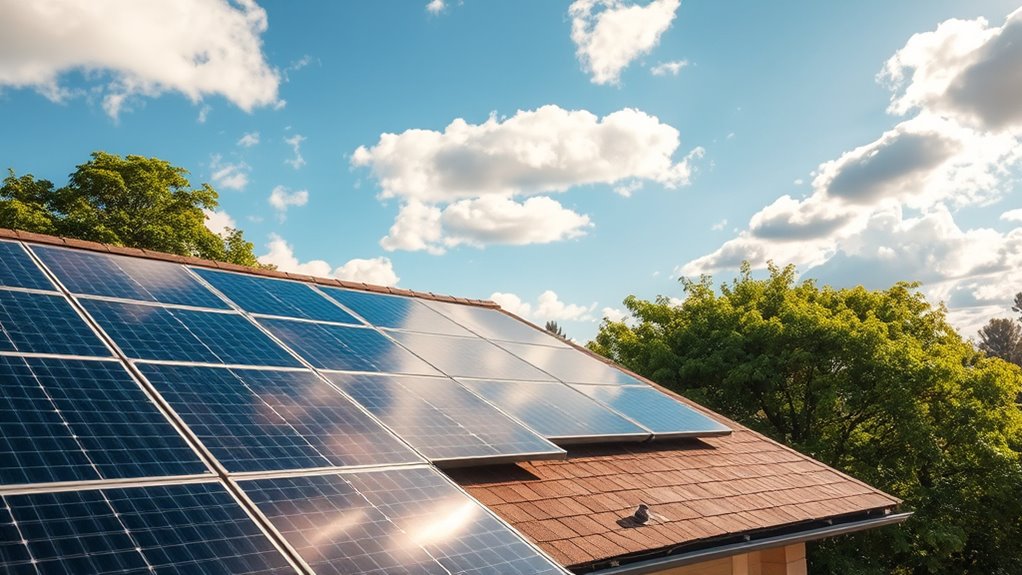

Switching to solar power at home can cut your energy bills, boost your independence, and provide backup power during outages. By installing solar panels, you generate electricity directly from the sun and can store excess energy in batteries for later use. Take advantage of government incentives like rebates or tax credits to lower your costs. If you want to discover how to maximize your solar system’s efficiency and benefits, there’s more to explore below.
Key Takeaways
- Understand the benefits of solar energy, including cost savings, independence, and environmental impact.
- Consider adding battery storage to maximize energy use and ensure backup power during outages.
- Research available government incentives, rebates, and tax credits to reduce upfront costs.
- Plan your solar system with professional assistance to optimize integration and efficiency.
- Tailor your system to your energy needs and stay informed about local and federal programs.
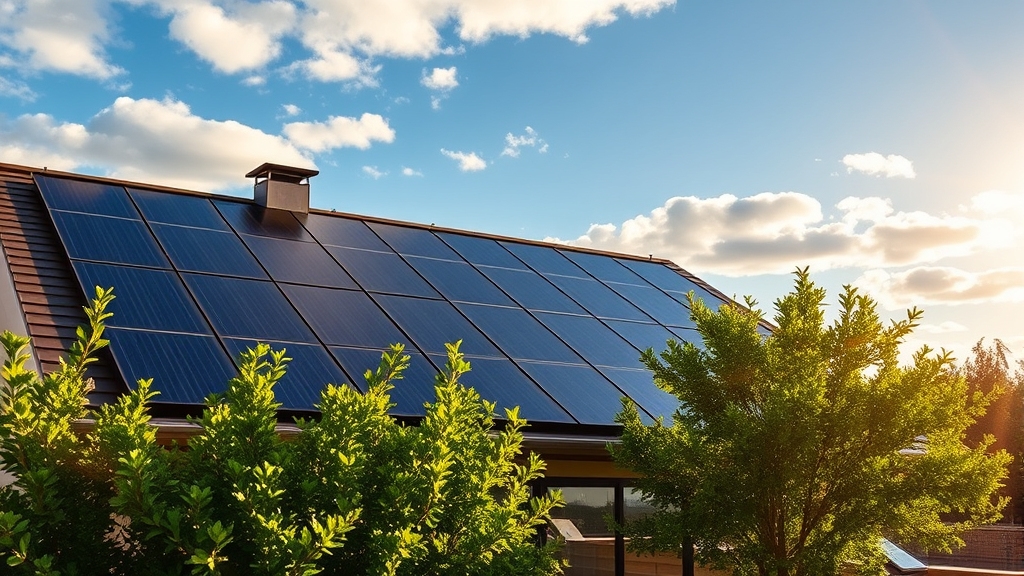
Switching to solar power at home is an effective way to reduce your energy bills and lessen your environmental impact. When you install solar panels, you generate your own electricity from the sun, which can considerably cut your reliance on traditional power sources. But to maximize your investment, you should contemplate adding battery storage to your system. Battery storage allows you to save excess energy produced during the day for use at night or during cloudy days, ensuring you’re not wasting any of the sunlight you capture. This can make your home more energy-independent and provide backup power during outages. Installing a battery system might seem like an extra expense upfront, but many homeowners find it worthwhile for the added flexibility and security it offers.
Another important factor to think about is the availability of government incentives. Many local, state, and federal programs aim to encourage solar adoption by offering rebates, tax credits, or grants. These incentives can markedly reduce the upfront costs of installing solar panels and battery storage. Before you start your project, research what programs are available in your area. Some incentives are time-sensitive, so acting quickly can help you take full advantage of these benefits. Additionally, some incentives are designed specifically to promote energy storage systems, making it more affordable to add batteries to your solar setup. Considering that battery storage can enhance your system’s efficiency and resilience, it’s worth exploring incentives that support energy storage systems.
Furthermore, understanding the importance of system integration can help you optimize the performance of your entire solar setup, ensuring all components work seamlessly together. When planning your solar power system, keep in mind that government incentives and battery storage options are often interconnected. For example, certain tax credits or rebates may be applied toward the cost of both your panels and your battery system, lowering your overall investment. This synergy can make the switch to solar more accessible and financially feasible. Be sure to consult with a local solar installer who can help you identify the incentives you qualify for and design a system tailored to your energy needs.
Frequently Asked Questions
How Much Does a Typical Home Solar Panel System Cost?
A typical home solar panel system costs between $15,000 and $25,000, depending on size and installation. You’ll want to take into account solar panel maintenance to keep your system running efficiently and maintain solar panel efficiency over time. While upfront costs can seem high, many states offer incentives that can lower expenses. Regular maintenance ensures your panels perform at their best, maximizing your energy savings and long-term investment.
Are There Government Incentives for Installing Solar Panels?
The sun’s generosity often comes with hidden treasures. You can tap into this bounty through government incentives like tax credits and rebate programs, which act as a guiding hand to make solar panels more affordable. These incentives are like keys opening savings, helping you cut costs while shining a light on renewable energy. Check your local and federal programs—they’re there to help you harness the power of the sun with less financial strain.
What Is the Lifespan of Residential Solar Panels?
You’ll find that residential solar panels typically last around 25 to 30 years, though some can go even longer with proper maintenance. Over time, solar panel degradation causes a slight decrease in efficiency, but regular cleaning and inspections help maintain performance. Keep an eye on your system’s condition, perform necessary maintenance, and you’ll maximize your investment’s lifespan, ensuring you get the most out of your solar energy system.
How Do I Choose the Right Size System for My Home?
You might think choosing the right system size is complex, but focusing on your energy needs simplifies it. Start by reviewing your past electricity bills to understand your average consumption. Then, consider panel sizing options that match this usage, ensuring efficiency without overspending. A properly sized system maximizes savings, so don’t underestimate the importance of accurate energy assessment when selecting your solar setup.
Can I Add Battery Storage to My Existing Solar Setup?
Yes, you can add battery storage to your existing solar setup. First, explore different battery storage options to find one that fits your energy needs. Keep in mind cost considerations, as batteries can be a significant investment upfront but conserve you money long-term by reducing reliance on the grid. Consult with a professional to guarantee compatibility and proper installation, maximizing your system’s efficiency and savings.
Conclusion
Now that you’ve taken the first step toward solar power, think of your home as a sunlit garden, blossoming with energy and sustainability. Embracing solar power isn’t just a choice; it’s planting seeds for a brighter, greener future. With each sunny day, your home becomes a lighthouse of eco-friendliness, guiding you toward independence and savings. So, harness the sun’s power and watch your little corner of the world flourish with clean, unstoppable energy.