
Taking on a one-month plastic-free challenge helps you make a real impact on reducing environmental harm caused by plastic waste. You’ll learn simple, practical actions like refusing plastic bottles, using reusable bags, and shopping unpackaged. Over time, these small habits can become lasting changes that protect wildlife and cut plastic from landfills and oceans. Keep going, and you’ll discover even more ways to stay eco-friendly and carry your progress further.
Key Takeaways
- The challenge encourages daily sustainable actions like refusing plastic bottles and using reusable bags to reduce plastic waste.
- Participants can track progress through online tools or journals, fostering accountability and motivation.
- Practical tips include swapping plastic wrap for beeswax wraps and choosing unpackaged, bulk, or eco-friendly products.
- Small, manageable changes help build lasting habits that significantly cut plastic consumption and household waste.
- Sharing personal stories and community efforts amplifies impact and promotes systemic change toward sustainability.

nutribullet Full-Size Blender Combo 1200W – NBF50500 - Dark Gray
nutribullet Blender Combo will take your nutrition extraction to the next level with the versatility of both a...
As an affiliate, we earn on qualifying purchases.
Understanding the Impact of Plastic Pollution
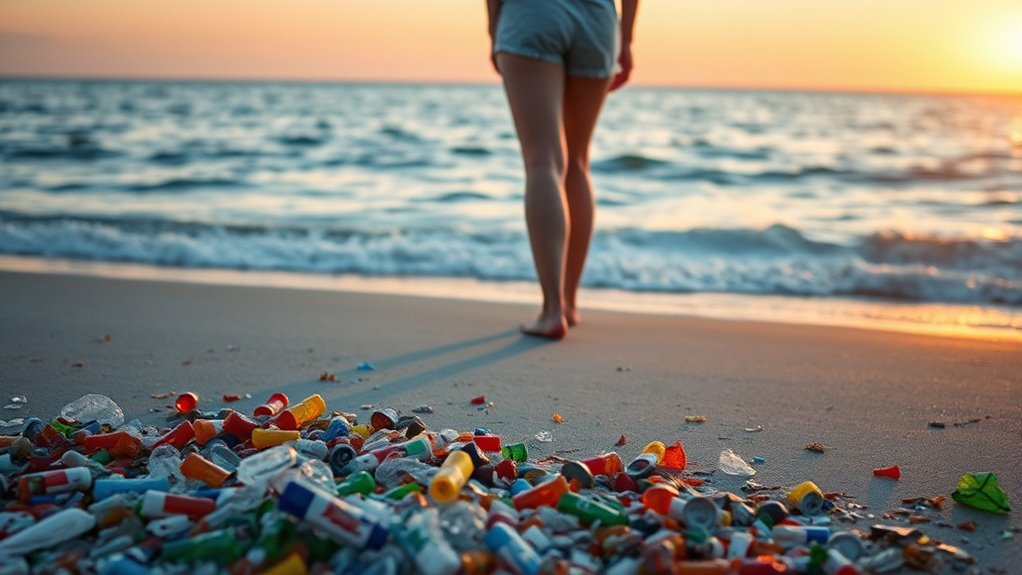
Plastic pollution poses a serious threat to ecosystems worldwide, with over 300 million tons of plastic produced annually. When discarded improperly, plastic ends up in oceans, rivers, and landfills, harming wildlife and contaminating habitats. Marine animals often mistake plastic for food, leading to injury or death, while tiny plastic particles, called microplastics, infiltrate the food chain, affecting both animals and humans. Plastic waste persists for hundreds of years, breaking into smaller pieces but never truly disappearing. This pollution also contributes to climate change, as plastic production relies heavily on fossil fuels. Your actions, like reducing plastic use, can help lessen this global burden. Recognizing the long-lasting environmental damage caused by plastic waste highlights why tackling plastic waste is essential for preserving the planet’s health and biodiversity. Implementing biodiversity-friendly practices in our daily lives can significantly mitigate some of these impacts and support ecosystem resilience. Additionally, understanding the energy-intensive process of plastic manufacturing can motivate consumers to choose sustainable alternatives and reduce overall plastic demand. Moreover, plastic pollution’s impact on wildlife emphasizes the urgency of adopting sustainable habits to protect vulnerable species and habitats. Reducing plastic use not only benefits the environment but also encourages innovation in sustainable materials, which can further decrease our reliance on harmful plastics.

Ninja BN751 Professional Plus DUO Blender, 1400 Peak Watts, 3 Auto-IQ Programs for Smoothies, Frozen Drinks & Nutrient Extractions, 72-oz. Total Crushing Pitcher & (2) 24 oz. To-Go Cups, Black
MORE POWERFUL MOTOR: The Ninja Professional Plus Blender with Auto-iQ features a new modern design and a more...
As an affiliate, we earn on qualifying purchases.
How the Plastic-Free Challenge Works
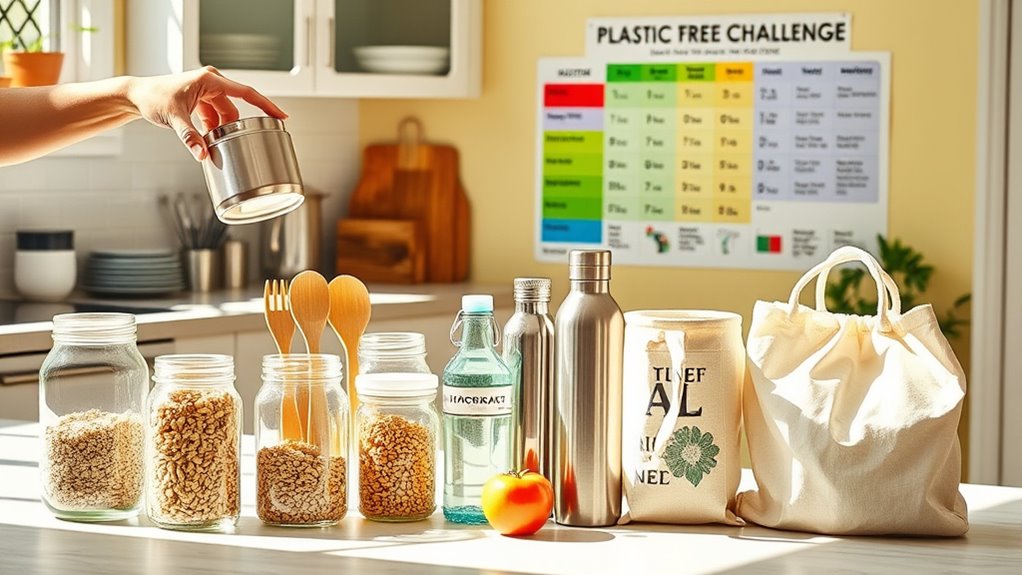
You start by choosing daily actions, like refusing plastic bottles or bringing reusable bags, to reduce your waste. As you go, you can track your progress using online tools or journals to see your impact. Support and resources, like tips and motivational messages, help keep you motivated and guide your ongoing efforts. Incorporating sustainable tea brewing and preparation practices, such as using reusable tea infusers and avoiding disposable packaging, can further support your air purifier and other eco-friendly goals. Additionally, understanding food safety when handling raw foods can help prevent contamination and ensure a healthy diet, which aligns with sustainable living practices. Developing authentic storytelling around your journey can inspire others and foster a community of eco-conscious individuals. Remember, adopting sustainable living practices can make a significant difference in your environmental footprint over time.
Daily Action Choices
The Daily Action Choices in the Plastic-Free Challenge are designed to make reducing plastic waste manageable and adaptable. Each day, you select simple, targeted actions—like refusing plastic straws, bringing reusable bags, or opting for bulk items—to gradually cut down your plastic footprint. The challenge offers over 70 suggestions across categories such as shopping, dining, and personal care, allowing you to personalize your efforts. You can choose quick wins or more sustainable habits, fitting them into your daily routine. Tracking your choices helps maintain motivation and awareness. Small, consistent actions accumulate, making a significant impact over time. The goal is to build lasting habits that reduce reliance on single-use plastics without overwhelming you. Incorporating best beaches into your routine by choosing eco-friendly travel options can further support your sustainability goals. Additionally, being mindful of your cookie preferences can enhance your online experience while respecting your privacy. Engaging with community initiatives and plastic waste reduction programs can also amplify your positive impact and connect you with like-minded individuals. Making informed choices about material alternatives can help you transition away from plastic products more effectively. Exploring innovative recycling methods can also contribute to reducing overall plastic waste and improving sustainability efforts.
Track Your Progress
Tracking your progress is a key part of staying motivated and aware of your impact during the Plastic-Free Challenge. By monitoring your efforts, you can see how much plastic waste you’re avoiding each day, week, and month. Use a journal, app, or checklist to record your daily actions, like refusing single-use bottles or bringing reusable bags. Many online platforms offer tools and resources to help you log your accomplishments and set new goals. Regular tracking not only highlights your progress but also reveals patterns and areas for improvement. Celebrating small wins keeps you engaged and reinforces positive habits. Over time, this awareness builds confidence and motivates you to continue reducing your plastic footprint beyond the challenge. Additionally, understanding the importance of color accuracy and other technical aspects can enhance your appreciation for eco-friendly alternatives and sustainable design choices.
Support & Resources
Curious about how the Plastic-Free Challenge supports participants? The program offers a variety of resources to keep you motivated and informed. You’ll find educational materials that explain plastic impacts and practical tips to reduce waste. The online platform provides access to over 70 actionable steps tailored to your lifestyle. Community groups and local workshops connect you with others on the same journey, fostering shared support. Weekly emails deliver motivation, success stories, and troubleshooting advice. Additionally, toolkits include reusable alternatives and shopping guides to help you make smart choices. These resources empower you to stay committed, overcome challenges, and build lasting habits. Exploring Pimple Patch options can also inspire sustainable practices in your daily routine. Incorporating dog names ideas and inspiration can personalize your commitment and make the journey more enjoyable. Understanding the importance of plastic reduction can motivate you further to adopt eco-friendly habits. Learning about food storage and how to properly store items like lemon or pineapple juice can help you reduce waste and keep your supplies fresh longer. With exhaustive support, you’ll find it easier to reduce plastic and contribute to a cleaner environment.
Ninja | Blender | Nutri Pro | Single Serve | For Smoothies, Salsa, Shakes and Frozen Drinks | Includes 2 Smoothie Cups & Lids | Crushes Ice, Fruit & Veggies |Silver | BN401
ULTIMATE POWER: 1000-peak-watt motor powers through the toughest ingredients and pulverizes ice to snow in seconds for creamy...
As an affiliate, we earn on qualifying purchases.
Practical Tips to Reduce Plastic Use

Reducing plastic use starts with making simple, intentional choices in your daily life. Begin by carrying a reusable bag, bottle, and coffee cup to cut down on single-use plastics. Choose bulk items and bring your own containers whenever possible. Opt for plastic-free alternatives like beeswax wraps instead of plastic wrap or shampoo bars instead of bottles. Read labels carefully to avoid products with excessive packaging. When shopping, prioritize fresh produce without plastic packaging and support brands committed to sustainability. Prepare meals at home to control packaging and reduce reliance on convenience foods. Keep a list of plastic-free swaps and gradually incorporate them into your routine. Small, consistent actions add up, making a meaningful impact on reducing your plastic footprint.

Ninja Fit Compact Personal Blender, Portable Blender for-Smoothies, Shakes, Food Prep, and Frozen Blending, 700-Watt Base, (2) 16-oz. Cups and Spout Lids, Black QB3001SS
PULSE TECHNOLOGY: The powerful 700-watt push-to-blend motor base powers through everything in the cup for the best of...
As an affiliate, we earn on qualifying purchases.
Overcoming Common Obstacles and Challenges
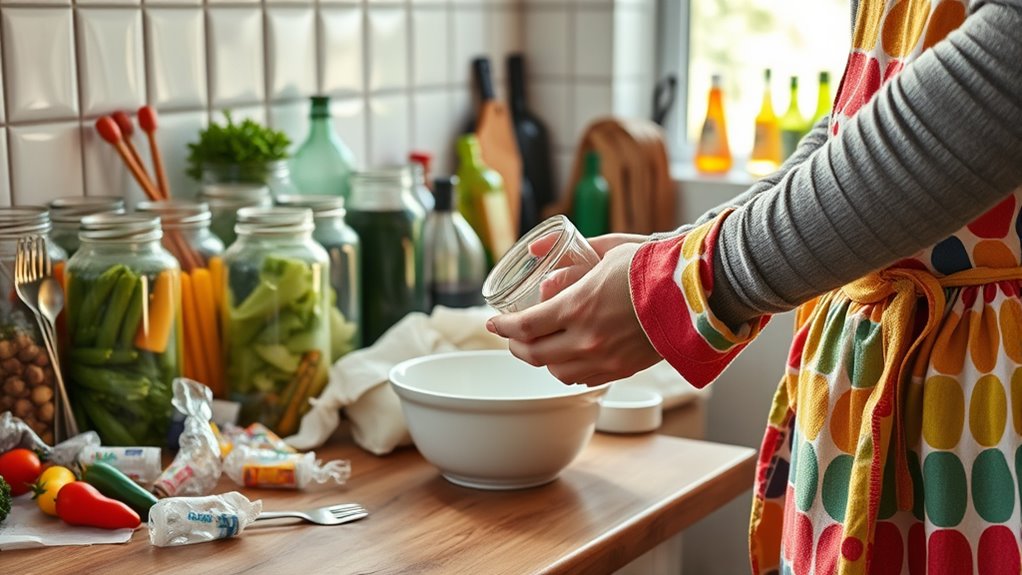
Facing obstacles like food packaging, higher costs, and systemic plastic use can feel overwhelming. You might struggle to find plastic-free options or feel stressed by the effort and expense involved. Recognizing these challenges helps you develop practical strategies to stay committed and find achievable solutions. Incorporating sustainable skincare products that utilize ingredients like glycolic acid can also support your goal by reducing reliance on plastic packaging. Additionally, understanding AI’s impact on consumer habits can inspire innovative solutions to reduce plastic waste and adopt more sustainable choices. Being aware of grocery store hours and planning your shopping trips accordingly can help you access stores during their open hours and avoid unnecessary trips or missed opportunities. Exploring alternative packaging methods can further aid in reducing plastic use and making your lifestyle more eco-friendly.
Navigating Food Packaging Challenges
Have you ever struggled to find plastic-free options for food packaging? You’re not alone. The widespread use of plastic in food packaging makes avoidance tough, but there are ways to navigate these challenges. To help, consider these strategies:
- Seek out loose or unpackaged produce at farmers’ markets
- Use reusable produce bags instead of plastic ones
- Opt for bulk bins and bring your own containers
- Choose products in glass or cardboard packaging when possible
- Prepare homemade snacks to avoid pre-packaged items
These steps often require extra effort and planning, but they’re key to reducing plastic waste. Being aware of systemic issues helps you stay motivated. Small changes, like choosing alternatives or bringing your own, can make a significant difference in your plastic footprint.
Managing Cost and Effort
Managing the cost and effort of a plastic-free lifestyle can be challenging, but with strategic planning, you can make it more manageable. Focus on small changes that add up over time. Use this table to visualize effort and expenses:
| Effort | Cost |
|---|---|
| Shopping at bulk stores | Reusable containers |
| Preparing homemade snacks | Initial purchase of alternatives |
| Learning new habits | Upfront investment in eco-products |
| Finding plastic-free options | Slightly higher prices for specialty items |
| Building routines | Time for research and shopping |
Handling Systemic Plastic Use
Despite your best efforts, overcoming systemic plastic use remains one of the biggest obstacles to achieving a truly plastic-free lifestyle. Plastic is embedded in daily life—electronics, packaging, transportation—and resisting it can feel overwhelming. To navigate this challenge:
- Recognize that complete elimination is unrealistic; focus on reducing and substituting.
- Advocate for systemic change by supporting policies and brands committed to plastic reduction.
- Prioritize bulk shopping and reusable options, even if they require extra effort or cost.
- Stay flexible; accept partial progress and celebrate small wins.
- Connect with communities to share resources, tips, and encouragement.
Understanding that systemic change takes time helps you stay motivated. Small, consistent actions can gradually shift the larger system toward sustainability.
Benefits of Participating in the Movement
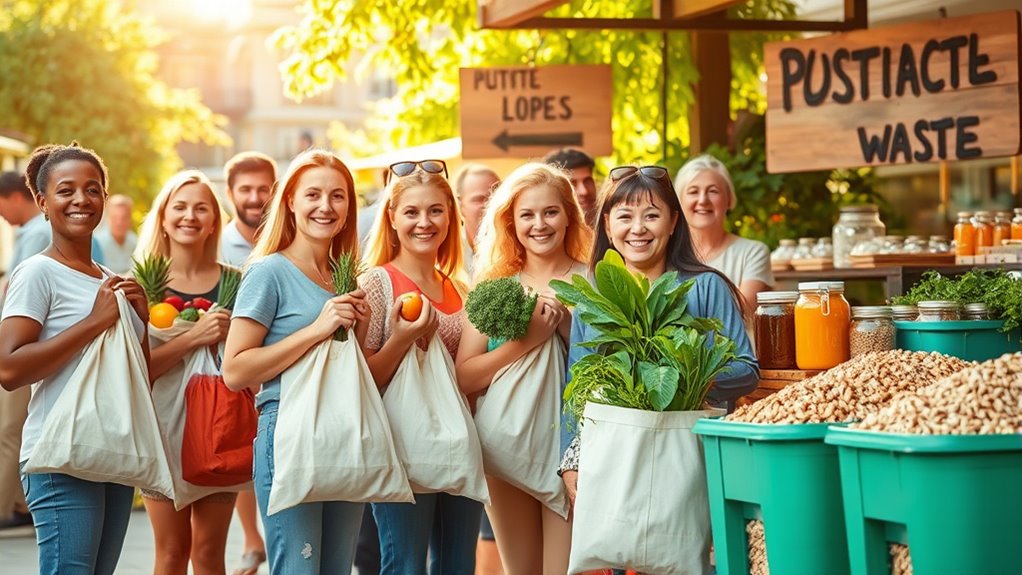
Participating in the Plastic-Free Challenge offers tangible environmental benefits, such as considerably reducing household waste and decreasing plastic consumption. When you commit to avoiding single-use plastics, you directly cut down on the amount ending up in landfills and oceans, helping protect ecosystems. Your efforts contribute to lowering global plastic production, which is responsible for over 90% of marine litter. By tracking your waste reduction, you become more aware of your habits and influence others around you to adopt similar practices. Additionally, engaging in this movement fosters a sense of community and shared purpose, boosting your motivation and commitment. Over time, these small changes can lead to lasting habits, making sustainability a natural part of your lifestyle and supporting broader environmental resilience.
Inspiring Stories From Plastic-Free Participants
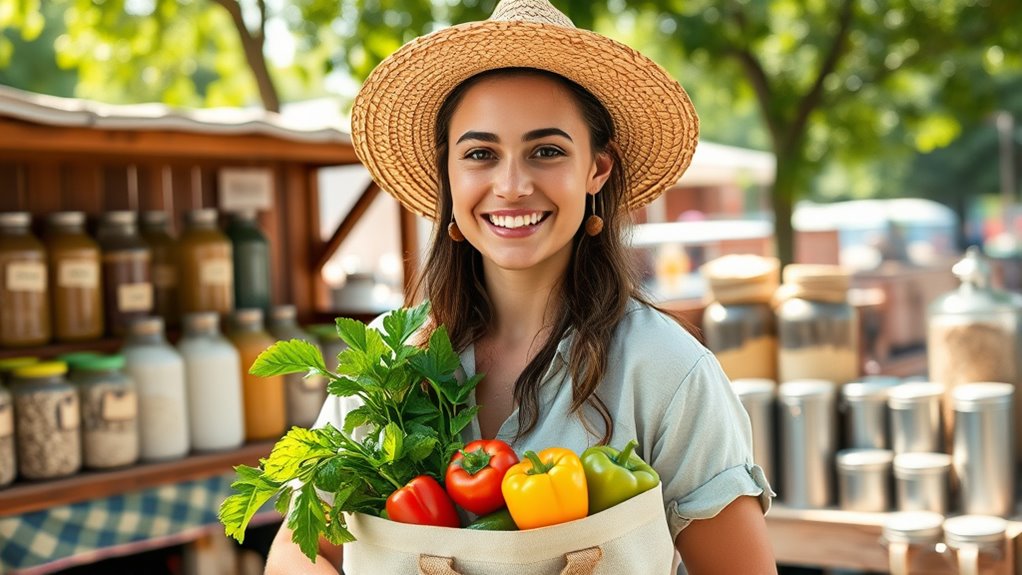
Across the globe, countless individuals have turned their commitment to the Plastic-Free Challenge into inspiring stories of change. You’ll see volunteers swapping plastic bottles for reusable ones, families choosing bulk foods to avoid packaging, and students launching zero-waste campaigns. These stories show how small actions can ripple into broader impacts:
- Turning personal habits into community initiatives
- Inspiring others by sharing their journey
- Overcoming systemic barriers with creative solutions
- Advocating for policy changes in local areas
- Building confidence through measurable waste reductions
These inspiring stories remind you that your efforts matter. Each step, no matter how small, contributes to a collective movement toward less plastic use and a healthier planet. Your story might be the spark someone else needs to start their own journey.
Taking Action Beyond the Challenge
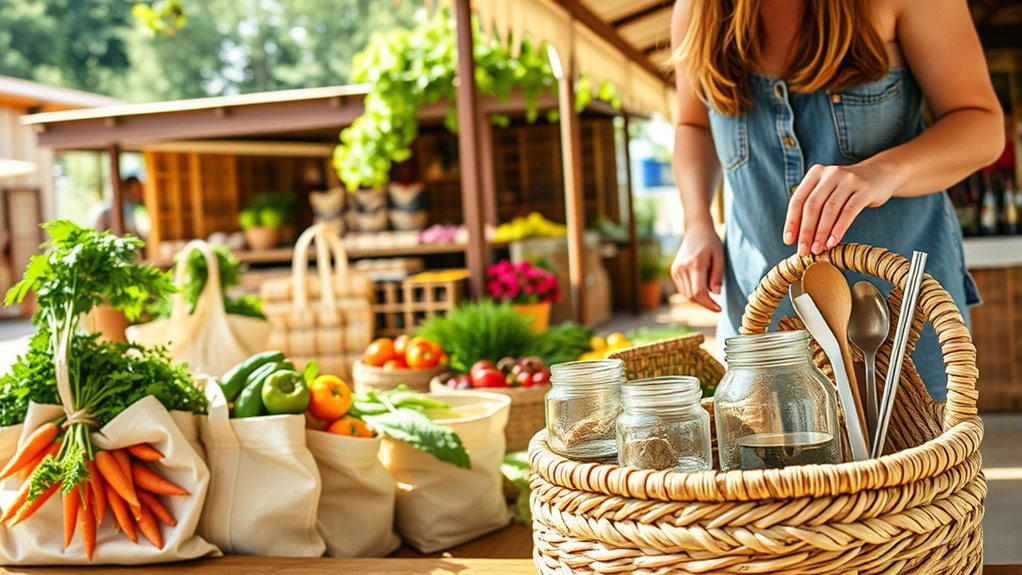
Taking action beyond the Plastic-Free Challenge involves integrating sustainable habits into your everyday life and advocating for systemic change. You can start by refusing single-use plastics consistently, choosing bulk options, and supporting brands committed to sustainability. Share your experiences and encourage others to join the movement, amplifying collective impact. Advocate for policies that reduce plastic production and improve waste management, influencing systemic change. Educate yourself and others about plastic’s environmental toll, fostering informed decisions. Incorporate eco-friendly alternatives like reusable bags, bottles, and containers into your routines. Volunteer with local initiatives or organizations working on plastic waste reduction. Remember, individual actions add up; sustained commitment and advocacy help create a broader shift toward a plastic-free future.
Frequently Asked Questions
How Can I Reduce Plastic Waste in My Daily Commute?
You can reduce plastic waste during your daily commute by bringing reusable items like a water bottle, coffee mug, and shopping bags. Avoid single-use plastics by preparing your meals in bulk and using eco-friendly containers. Opt for public transportation, biking, or walking when possible to cut down on plastic packaging from transportation. Also, choose products with minimal plastic packaging and support brands committed to sustainable packaging practices.
What Are Effective Alternatives to Plastic Packaging for Groceries?
Imagine shopping without plastic packaging—sounds impossible, right? You can try reusable cloth bags, beeswax wraps, or glass containers to carry produce and bulk items. Opt for unpackaged fruits and vegetables or buy from farmers’ markets offering biodegradable or paper options. Switching to paper or compostable packaging for grains and snacks also helps. These small changes create a ripple effect, making your grocery routine more sustainable and less dependent on plastic.
How Do I Involve My Family or Colleagues in the Challenge?
You can involve your family or colleagues by sharing the benefits of reducing plastic waste and encouraging small, easy actions together. Organize a group challenge, like refusing plastic bottles or using reusable containers, and track your progress collectively. Host workshops or discussions to exchange tips and successes. Celebrate milestones to keep everyone motivated and foster a sense of community, making plastic reduction a fun, team effort.
Can Small Changes Really Make a Significant Environmental Impact?
Small changes can create ripples that grow into waves of change. When you refuse plastic bottles, choose reusable bags, or buy in bulk, you’re planting seeds of awareness. These actions may seem tiny, but they add up—reducing millions of kilograms of waste worldwide. Your mindful choices inspire others and help shift systems gradually, showing that even modest steps can help protect our environment and foster a healthier planet for everyone.
What Resources Are Available for Beginners to Start Plastic-Free Living?
You can start plastic-free living with simple resources like online guides, tips, and tutorials that show easy swaps like reusable bags, bottles, and containers. Look for local workshops or community groups focused on sustainability. Educational apps and social media accounts dedicated to zero-waste living offer daily ideas and encouragement. Many brands also provide eco-friendly product options. These resources help you make gradual, manageable changes toward reducing plastic use.
Conclusion
By committing to this plastic-free challenge, you can make a real difference—did you know that the average person uses over 200 pounds of plastic annually? Every small change you make helps reduce plastic waste and protect the environment. Stay motivated, overcome obstacles, and remember that your efforts can inspire others. Together, we can create a cleaner, healthier planet—one plastic-free day at a time. Your actions truly matter.