

To make eco-friendly choices for Fido and Fluffy, opt for sustainable products like biodegradable poop bags, plant-based pet foods, and toys made from recycled materials. Focus on transparency from brands, looking for certifications and digital traceability to guarantee responsible sourcing. Incorporate routines that reduce waste and avoid harmful chemicals, helping the environment while keeping your pets healthy. Explore these options further to discover how simple swaps can make a big eco-impact.
Key Takeaways
- Choose biodegradable waste bags and eco-friendly grooming products with natural ingredients and minimal packaging.
- Opt for plant-based or lab-grown pet foods to reduce environmental impact and support sustainable sourcing.
- Incorporate digital pet records and traceability tools like blockchain to minimize paper waste and ensure transparency.
- Recycle or upcycle toys and accessories, and select sustainably made collars, bedding, and household items.
- Support ethical brands with third-party certifications and prioritize sustainable practices to promote eco-conscious pet ownership.
The Growing Market for Eco-Conscious Pet Products

Have you noticed how eco-conscious pet products are transforming the industry? The market has grown into a $4.5 billion sector, showing it’s more than just a trend—it’s here to stay. As a pet owner, you’re part of a larger movement shaping the future of pet care. The global pet industry is projected to reach over $250 billion by 2025 and could surpass $500 billion by 2030. Consumers now prioritize sustainability, with about 70% seeking eco-friendly options. This shift influences brand development, pushing companies to offer biodegradable waste bags, plant-based foods, and sustainably sourced ingredients. The industry’s expansion reflects a commitment to greener choices, making sustainable pet products a critical and rapidly growing segment you can support through your purchasing decisions. One key aspect of eco-friendly pet ownership involves choosing biodegradable waste bags, which help reduce plastic pollution and lower environmental impact. Additionally, many companies are now adopting sustainable sourcing practices to ensure ingredients are responsibly obtained, further benefiting the environment. Incorporating eco-friendly pet accessories like biodegradable or recycled materials is becoming increasingly popular among conscientious pet owners. Moreover, embracing eco-friendly pet accessories, such as recycled material toys, contributes to reducing waste and promoting sustainability. Engaging in creative problem-solving can lead pet owners to discover innovative ways to reduce waste and enhance eco-friendly practices in daily pet care.
Key Trends Driving Sustainable Choices in Pet Care
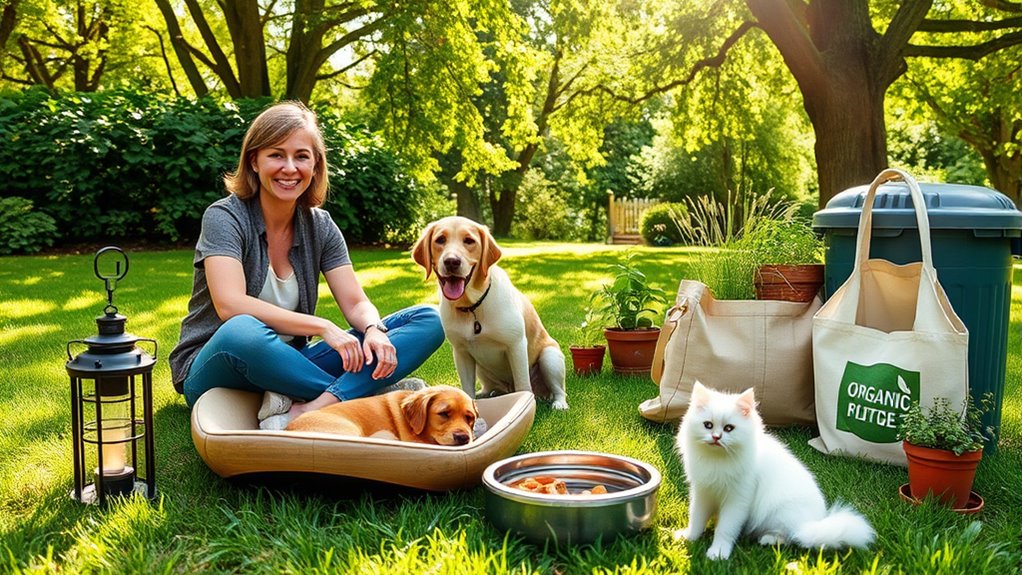
What are the key trends shaping sustainable choices in pet care today? You’re seeing a shift toward eco-conscious products becoming mainstream, driven by a growing market valued at over $4.5 billion. Pet owners now prioritize transparency, demanding detailed info about ingredient sourcing and manufacturing, often verified through third-party certifications or blockchain tech. Younger consumers see sustainability as a non-negotiable, influencing brand loyalty and product choices. You’re also noticing innovations like biodegradable poop bags, plant-based pet foods, and upcycled toys gaining popularity. Additionally, digital pet records help reduce paper waste, aligning with eco-friendly values. Eye patches are also being incorporated into wellness routines for humans, reflecting a broader trend of holistic self-care. This evolving landscape reflects a broader trend: consumers actively seek products and practices that lessen environmental impact while maintaining quality and ethical standards. Moreover, the rise of sustainable packaging in pet products underscores a commitment to reducing plastic waste and environmental footprint.
Popular Eco-Friendly Pet Product Categories
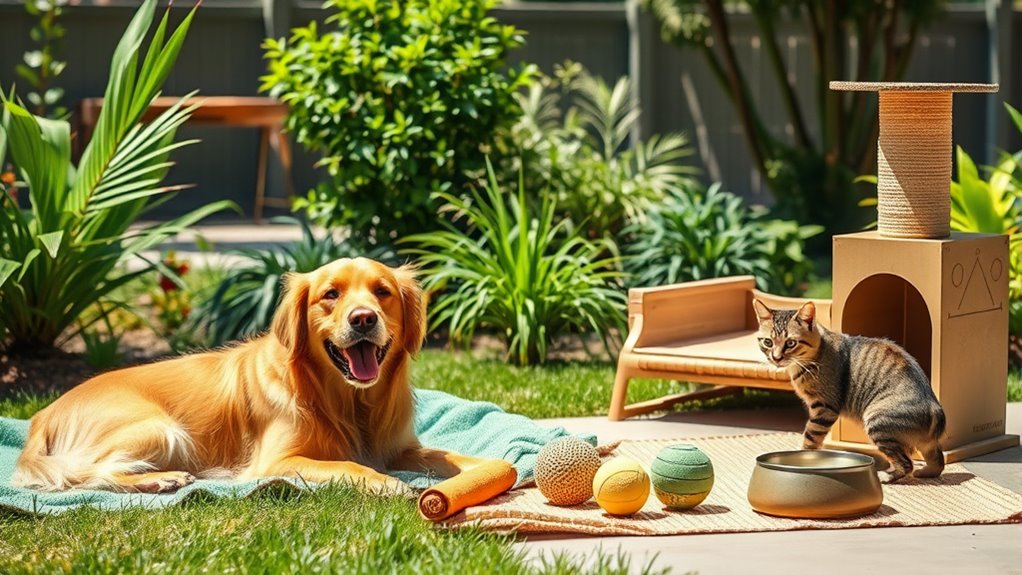
Eco-friendly pet product categories are gaining momentum as pet owners seek sustainable alternatives that align with their values. You’ll find biodegradable poop bags replacing plastic options, making cleanup eco-friendlier. Plant-based and lab-grown pet foods are emerging as lower-impact alternatives to traditional meat-based diets. Insect proteins and sustainably caught fish are gaining popularity for their reduced carbon footprint. Upcycled household items, like repurposed toys, offer cost-effective sustainability. Digital pet records eliminate paper waste and help track eco-conscious preferences. Eco-friendly grooming products with natural ingredients and minimal packaging are also on the rise. Incorporating sustainable materials into pet products can further reduce environmental impacts while maintaining quality care for your pets. Using educational resources about responsible pet ownership can motivate pet owners to adopt more sustainable practices. Engaging with personal development techniques such as goal setting can help pet owners stay committed to eco-friendly choices. Additionally, staying informed about industry trends helps consumers make better choices aligned with sustainability goals. These categories reflect your desire to reduce environmental impact while providing quality care for your pets. Embracing these options helps you contribute to a greener future without compromising your pet’s well-being.
Pet Ownership Trends and Their Environmental Impact
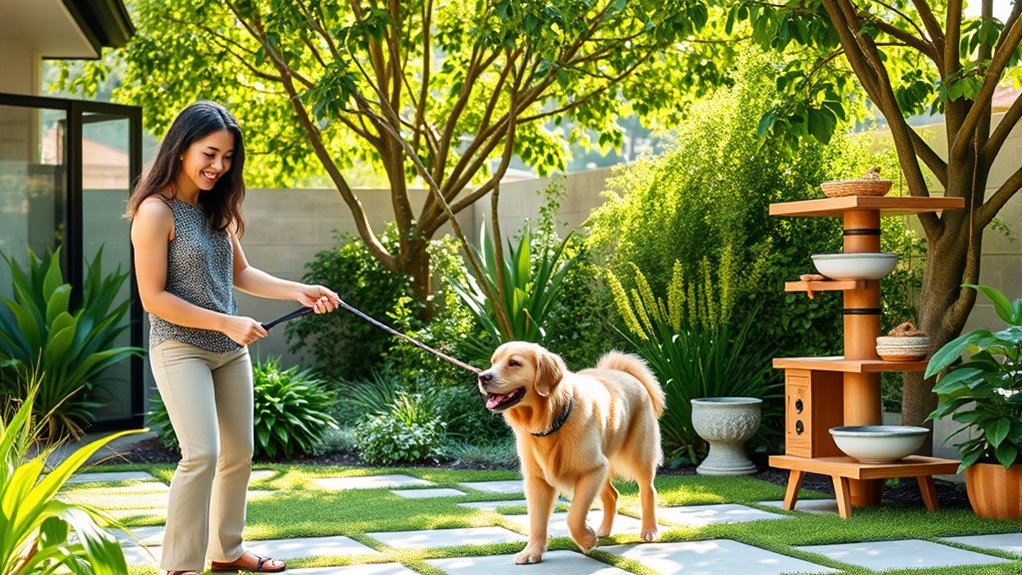
The growth of pet ownership, especially among environmentally conscious consumers, directly influences the demand for sustainable products and practices. As more households welcome pets—over 94 million in the U.S. alone—the environmental footprint of pet care increases. This surge encourages brands to develop eco-friendly options, from biodegradable waste bags to plant-based diets. Pet owners now prioritize products with transparent sourcing and minimal waste, driving industry shifts toward sustainability. The rising number of pet owners also amplifies the demand for eco-conscious services, such as digital records and cruelty-free grooming. Additionally, innovations inspired by color accuracy advancements are making sustainable pet care more accessible. Overall, the expanding pet population accelerates the adoption of environmentally friendly practices, making sustainability a central factor in pet ownership decisions. This trend highlights the growing importance of balancing pet care with environmental responsibility.
Building Trust Through Transparency and Certifications

Building trust with consumers is essential in the competitive eco-friendly pet market, and transparency plays a crucial role in achieving it. When you choose brands that openly share sourcing, manufacturing, and sustainability practices, you demonstrate integrity. Certifications serve as credible proof of your commitment to ethical standards. To evaluate trustworthy brands, consider these factors:
Building trust in eco-friendly pet brands relies on transparency and credible certifications.
- Look for third-party eco-labels like USDA Organic or FSC certification.
- Review transparency reports detailing supply chain and environmental impact.
- Verify cruelty-free and ethical sourcing claims through reputable organizations.
- Use blockchain or digital platforms that provide traceability of ingredients and processes.
Additionally, understanding Self Watering Plant Pots can inform eco-friendly choices that reduce resource waste and promote sustainable gardening practices. Incorporating sustainable sourcing methods in your supply chain further reinforces your commitment to environmental responsibility and builds consumer trust. Implementing sustainable manufacturing practices can also help minimize environmental impact and enhance brand credibility. Staying informed about eco-certifications and standards ensures your practices align with industry benchmarks and consumer expectations. Incorporating mindfulness practices can also help brands stay committed to transparency and ethical standards by fostering a culture of awareness and accountability.
How to Incorporate Sustainability Into Your Pet Routine

Integrating sustainability into your pet routine is easier than you might think and can make a meaningful difference for the environment. Start by choosing eco-friendly products, like biodegradable waste bags and sustainably sourced pet foods. Consider switching to plant-based or lab-grown options that have lower carbon footprints. Reduce waste by using digital records for your pet’s information instead of paper files. Opt for toys and accessories made from recycled or upcycled materials. Reevaluate your pet’s daily needs to avoid excess, like overfeeding or unnecessary treats. Maintain regular vet visits to catch health issues early, reducing waste and resource use. Finally, support brands that prioritize transparency and ethical practices, ensuring your routine aligns with your values for sustainability.
The Benefits of Choosing Eco-Friendly Pet Supplies

Choosing eco-friendly pet supplies offers numerous benefits that extend beyond just helping the environment. First, you reduce your pet’s exposure to harmful chemicals found in some conventional products, promoting better health. Second, sustainable options often use natural, non-toxic materials that are safer for your pet. Third, supporting eco-friendly brands encourages ethical practices and transparency, building trust. Fourth, by choosing these products, you contribute to reducing waste and lowering your carbon footprint, making a positive impact on the planet. Incorporating sustainable manufacturing practices in the production of pet supplies further enhances the positive effects on the environment. Additionally, selecting biodegradable materials ensures that pet waste and packaging decompose naturally, reducing landfill accumulation and pollution. Using stylish wall organization solutions for pet areas can also help keep your space tidy and aesthetically pleasing.
Future Outlook for Sustainable Pet Parenting
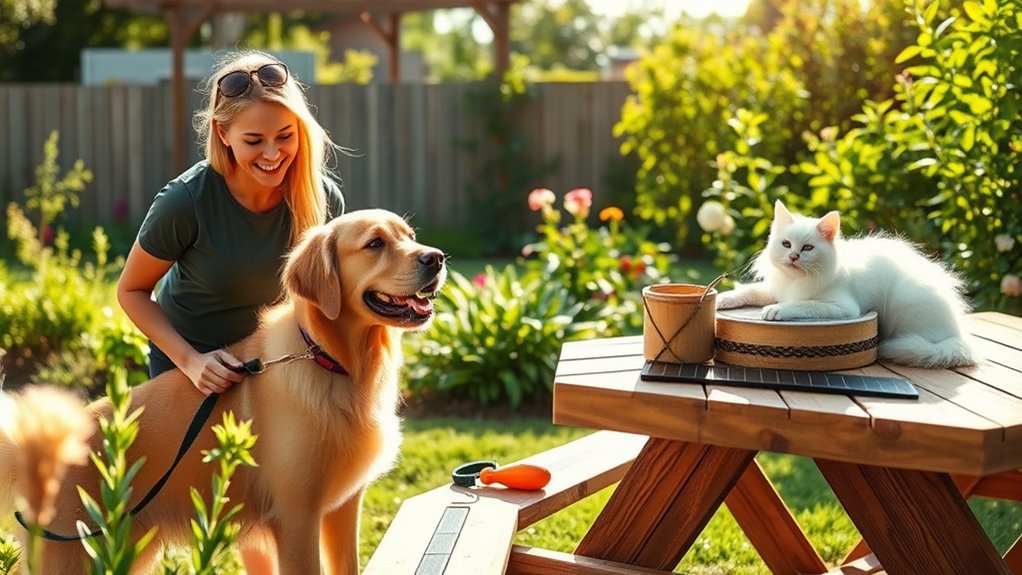
The future of sustainable pet parenting looks promising as market opportunities continue to grow and innovate. You’ll see more eco-friendly products, from biodegradable waste bags to plant-based foods, becoming mainstream choices. As consumer preferences shift toward transparency and ethical sourcing, brands that lead with genuine sustainability will stand out.
Market Expansion Opportunities
As consumer awareness around sustainability continues to grow, the market for eco-friendly pet products is poised for significant expansion. You can expect more brands to innovate and diversify their offerings to meet rising demand. Opportunities include:
- Expanding eco-friendly pet accessories, such as biodegradable collars and sustainable bedding
- Developing affordable, sustainable pet food options, including insect-based and lab-grown proteins
- Increasing availability of recycled and upcycled pet toys and household items
- Enhancing transparency through blockchain and third-party certifications to build consumer trust
This growth will be driven by rising pet ownership, shifting consumer values, and a desire for ethical, eco-conscious choices. As the industry evolves, you’ll find more accessible, innovative options aligning with your commitment to sustainable pet care.
Innovation in Eco Products
Innovations in eco-friendly pet products are set to reshape the future of sustainable pet parenting. You’ll see more biodegradable poop bags, which are now widely adopted, reducing plastic waste. Plant-based and lab-grown pet foods are gaining popularity, offering lower-carbon alternatives to traditional options. Insect proteins and sustainably caught fish provide nutritious, eco-conscious choices for your furry friends. Upcycled household items are transforming into affordable, sustainable toys, giving new life to waste. Digital pet records help eliminate paper clutter, making record-keeping more eco-friendly. Brands are increasingly transparent, using blockchain and third-party certifications to build trust. These innovations empower you to make environmentally responsible choices, aligning your pet care with your sustainability values and shaping a greener future for pet ownership.
Frequently Asked Questions
How Do Eco-Friendly Pet Products Compare in Cost to Traditional Options?
Eco-friendly pet products often cost more than traditional options, but your investment can pay off in quality and sustainability. Expect biodegradable poop bags, plant-based foods, and cruelty-free toys to be slightly pricier due to eco-conscious sourcing and manufacturing processes. However, many owners find the health benefits, reduced environmental impact, and peace of mind worth the extra expense. As demand grows, prices may balance out, making eco-friendly choices more accessible.
Are There Any Health Risks Associated With Plant-Based or Lab-Grown Pet Foods?
Plant-based and lab-grown pet foods can pose health risks if not properly formulated, but reputable brands rigorously test their products for nutritional balance and safety. You should always check for third-party certifications and consult your veterinarian before switching. While these options may reduce environmental impact, verify they meet your pet’s specific dietary needs to avoid deficiencies or digestive issues. Responsible sourcing and quality assurance are key to minimizing potential health risks.
How Can I Verify if a Pet Brand’s Sustainability Claims Are Genuine?
You can verify a pet brand’s sustainability claims by scrutinizing their transparency, much like reading a detailed map. Look for third-party certifications, clear ingredient sourcing info, and supply chain disclosures. Use blockchain or sustainability reports as your compass, and beware of greenwashing tactics that disguise false eco-claims. Trust brands that openly share their practices and demonstrate genuine commitments, turning skepticism into confidence in their environmental integrity.
What Are the Best Ways to Reduce Pet Waste Sustainably?
You can reduce pet waste sustainably by switching to biodegradable poop bags and composting waste if possible. Opt for eco-friendly pet products made from recycled or natural materials, and avoid single-use items. Consider feeding your pets plant-based or lab-grown foods to lower environmental impact. Regularly clean and recycle household items into toys or accessories. By making these choices, you actively minimize waste and support a greener, more sustainable pet care routine.
How Does Eco-Friendly Packaging Affect Product Shelf Life and Freshness?
Eco-friendly packaging can help maintain product freshness and shelf life if designed properly. You should look for packaging made from breathable, biodegradable materials that protect against moisture, oxygen, and light exposure. Using innovative sealing techniques guarantees freshness while reducing environmental impact. By choosing packaging with eco-friendly certifications, you support sustainability without sacrificing product quality, keeping pet food safe and fresh for longer, and appealing to environmentally conscious consumers.
Conclusion
By choosing eco-friendly pet products, you’re making a positive impact on the planet while caring for Fido and Fluffy. With so many sustainable options available, isn’t it rewarding to know you’re contributing to a healthier environment? Embracing green pet ownership isn’t just good for your furry friends; it’s a meaningful step toward a more sustainable future. Ready to make eco-conscious choices and lead by example? Your pet and the planet will thank you.