

To host a zero-waste party that impresses your friends, set clear sustainability goals and plan accordingly, choosing venues with recycling and composting support. Opt for eco-friendly foods, like local and bulk items, and use reusable dishes and utensils to cut waste. Clearly label waste stations and guide everyone on proper disposal. Track your success, share your achievements, and celebrate your eco-friendly efforts—if you keep exploring, you’ll discover even more ways to make your event green and memorable.
Key Takeaways
- Set clear waste reduction goals and communicate them to guests using visual tools and digital invites.
- Choose a venue with existing recycling and composting systems, and clearly mark waste stations for easy sorting.
- Serve food using local, organic ingredients in bulk or package-free options, and encourage reusable drinkware.
- Use reusable serviceware, color-coded bins, and train volunteers to ensure proper waste sorting and composting.
- Track waste diversion rates, share success stories with guests, and celebrate milestones to inspire ongoing sustainability efforts.
Set Clear Zero-Waste Goals and Planning Strategies

To effectively host a zero-waste party, you need to start by setting clear and realistic goals. Decide how much waste you want to reduce, such as cutting trash by 50-75% or diverting over 90% from landfills. Create a waste reduction plan that covers both guest areas and food prep zones. Consider your event’s duration, type, and food service to customize your goals and strategies. Assign someone to track waste data and measure success. Use digital communication methods like online RSVPs and electronic event materials to cut paper waste. Incorporating comfort solutions for reusable tableware and seating can enhance guest experience while maintaining sustainability. Additionally, implementing visualization techniques such as progress charts can motivate guests and help everyone stay focused on waste reduction goals. Incorporating examples of successful zero-waste events can provide inspiration and practical tips for your planning. Monitoring platform features like TikTok’s trending challenges and creative content sharing can also inspire innovative ideas for your event. These steps help you focus efforts, stay organized, and ensure everyone’s on the same page, making your event more sustainable from the start.
Choose the Perfect Venue and Infrastructure for Sustainability

Have you considered how your venue can support your zero-waste goals? Choosing a location with existing recycling and composting programs makes waste management easier. Look for venues with clearly designated waste stations, ideally near food areas and main entrances, to encourage proper disposal. Calculate the number of bins needed based on your expected attendance—typically 5-8 stations for 500-1,000 guests—each labeled for recycling, compost, and landfill. Ensure stations are staffed or monitored by trained volunteers to guide guests. Opt for venues that support digital communication, reducing paper waste from signage and programs. Select spaces that can accommodate reusable setups and minimize single-use materials. A sustainable venue simplifies your waste reduction efforts and sets a strong foundation for your zero-waste event. Incorporating automation in waste management can further streamline your efforts and improve overall efficiency. Additionally, choosing venues with established waste diversion programs can significantly enhance your sustainability goals. Leveraging advanced waste processing technologies can help your event achieve higher waste diversion rates and reduce environmental impact. Exploring venues with integrated sustainability practices can also provide additional support for your eco-friendly initiatives. Furthermore, selecting a venue with sustainable infrastructure can make a meaningful difference in your event’s overall environmental footprint.
Select Eco-Friendly Food and Beverage Options

When choosing food and drinks for your party, opt for local, organic ingredients to cut down on transportation emissions and support sustainable farming. Encourage guests to use reusable drinkware instead of disposable cups, which helps reduce waste. Avoid single-use items by selecting bulk or package-free options whenever possible, making your event more eco-friendly from start to finish. Incorporating sustainable practices in your menu planning can further minimize your environmental footprint and set a positive example for your guests. Additionally, consider using vetted electric bike conversion kits to transport supplies sustainably, reducing reliance on fossil-fuel-powered vehicles. Paying attention to tea storage by keeping loose leaf teas in airtight containers and away from strong odors can help maintain their freshness, ensuring your beverages are both delicious and eco-conscious. Being mindful of the overall cost of home security systems can help you choose affordable options that fit your budget while maintaining safety.
Choose Local, Organic Ingredients
Choosing local, organic ingredients for your event is a powerful way to reduce environmental impact and support sustainable agriculture. By sourcing from nearby farms, you cut down on transportation emissions and packaging waste. Organic produce is grown without synthetic pesticides or fertilizers, which helps protect soil health and biodiversity. When you select organic meats and dairy, you’re supporting humane farming practices and reducing chemical runoff. Communicating your eco-friendly choices to vendors to ensure they prioritize sustainable sourcing not only minimizes packaging waste but also encourages suppliers to adopt greener practices. Incorporating sustainable sourcing practices demonstrates your commitment to sustainability and leaves a positive impression on your guests. Plus, local, organic ingredients often taste fresher and more flavorful, making your menu more appealing. Utilizing appropriate packaging materials further minimizes waste and aligns with your eco-conscious goals.
Offer Reusable Drinkware
Offering reusable drinkware is one of the most effective ways to minimize waste at your event. By choosing cups, glasses, and bottles that can be washed and reused, you cut down on single-use plastics and disposable containers. You can provide your own collection of durable glassware or rent eco-friendly options from rental companies that specialize in sustainable event supplies. Encourage guests to bring their own reusable bottles or cups, and set up designated drink stations with clearly labeled bins for rinsing and collection. Not only does this reduce waste, but it also creates a stylish, cohesive look for your party. Plus, reusable drinkware fosters a more eco-conscious atmosphere, impressing your friends while supporting your zero-waste goals. Additionally, cultivating a creative practice around sustainable hosting can inspire innovative ideas for eco-friendly event planning.
Avoid Single-Use Items
Avoid single-use items by selecting eco-friendly food and beverage options that minimize waste. Opt for reusable dishes, utensils, and cups to cut down on disposable waste. Encourage vendors to provide bulk servings or packaged goods in compostable containers. Offer drinks in refillable bottles or aluminum cups instead of plastic bottles. You can also set up water stations with pitchers and glasses to reduce bottled water use. Here’s a quick comparison:
| Item Type | Eco-Friendly Choice |
|---|---|
| Disposable Plates | Reusable ceramic or glass plates |
| Single-Use Cups | Refillable bottles or metal cups |
| Packaging | Compostable or recyclable materials |
| Utensils | Metal or bamboo utensils |
Additionally, choosing foods that are minimally processed can further reduce waste and environmental impact. Incorporating sustainable sourcing practices when selecting ingredients can also help lessen the environmental footprint of your party. Using efficient supply chains can further reduce transportation emissions and packaging waste. Implementing local and seasonal ingredients not only supports local farmers but also reduces the environmental impact associated with transportation.
Minimize Waste With Smart Purchasing and Packaging Choices

Smart purchasing and packaging choices are essential for minimizing waste at your zero-waste event. Opt for reusable serviceware like dishes, utensils, and cups to cut down on disposables. If you must use disposables, choose those that are certified compostable or recyclable, and communicate this to your vendors. Prioritize locally sourced food vendors to reduce packaging waste and transportation emissions. Avoid plastic bottled water by providing reusable or aluminum bottles for attendees. Replace plastic products with sustainable alternatives such as bamboo or metal. Carefully review vendor contracts to ensure they follow zero-waste principles, emphasizing minimal packaging and eco-friendly materials. Incorporating sustainable packaging options can further enhance your event’s eco-friendliness. These decisions not only reduce waste but also set a sustainable tone that impresses guests and aligns with your zero-waste goals. Additionally, practicing mindful purchasing can help you select items that are durable and designed for reuse, further reducing your environmental impact. Educating vendors and guests about zero-waste practices can foster a collective commitment to sustainability throughout your event. Being aware of eye patch benefits and their proper use can also be helpful if you or your team need quick aesthetic refreshment during the event. Incorporating knowledge from Basics of Soaring and Gliding can inspire creative ways to optimize resource use and promote sustainable transportation options for your event.
Implement Effective Waste Sorting and Composting Systems
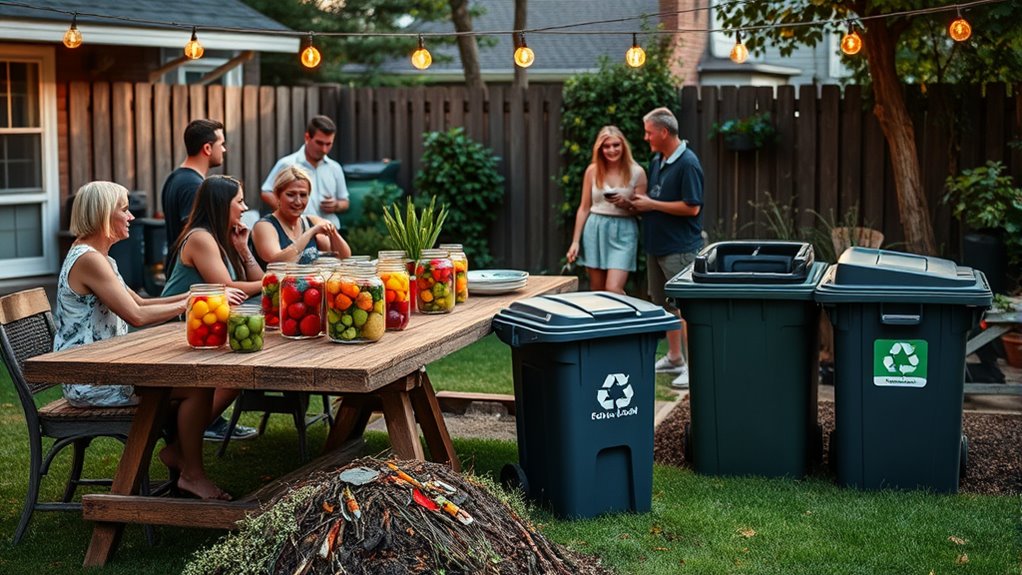
To guarantee effective waste sorting and composting at your event, you need to set up clearly labeled stations that make it easy for guests to sort their waste correctly. Use simple signage with icons and color coding to distinguish recycling, compost, and landfill areas. Position stations near food and beverage areas, entrances, and high-traffic spots to maximize visibility.
Set up clearly labeled stations with icons and colors near high-traffic areas for easy waste sorting.
Consider these key steps:
- Provide distinct, well-marked bins to prevent confusion and cross-contamination.
- Train volunteers or staff to monitor stations and guide guests on proper disposal.
- Implement a composting plan that includes pre- and post-consumer food waste, ensuring materials are clean and free of contaminants.
These measures streamline waste management and support your zero-waste goals effectively.
Engage and Educate Guests and Volunteers on Waste Reduction

Engaging and educating guests and volunteers is essential for achieving your zero-waste goals. You want everyone to understand the importance of proper waste sorting and how their actions make a difference. Use clear signage and brief explanations to guide them. Host a quick training session for volunteers, emphasizing their role in guiding guests. Create a visual image in their minds with this table:
| Waste Type | Disposal Method |
|---|---|
| Recyclables | Rinse and place in recycling bin |
| Compostables | Food scraps, biodegradable items |
| Landfill Waste | Non-recyclable, non-compost items |
Encourage questions and provide easy-to-understand instructions. When everyone feels informed and involved, your event will run smoothly, and your waste reduction efforts will succeed.
Measure Success and Share Your Green Achievements

You should track your waste diversion rates to see how well your efforts are working. Sharing your results with guests and stakeholders highlights your sustainability achievements and encourages continued support. Celebrating these successes motivates everyone to keep reducing waste at future events.
Track Waste Diversion Rates
Tracking waste diversion rates is essential for measuring the success of your zero-waste efforts and demonstrating your event’s environmental impact. You’ll need accurate data to see how much waste is diverted from landfills and identify areas for improvement. To do this effectively:
- Weigh bins before and after the event to determine total waste and the amount diverted to recycling or compost.
- Record the quantity of materials recycled, composted, or reused to evaluate waste reduction strategies.
- Document challenges and successes to refine your process for future events and motivate your team.
Showcase Zero-Waste Results
Sharing the results of your zero-waste efforts is essential for demonstrating the event’s environmental impact and inspiring future initiatives. You’ll want to compile data on waste diversion rates, showing how much waste was recycled, composted, or reused instead of landfilled. Present these results clearly, using visuals like charts or infographics to make your achievements tangible. Highlight specific milestones, such as diverting 90% of waste or eliminating single-use plastics. Share these successes with attendees, volunteers, and stakeholders to reinforce the importance of sustainability. By transparently showcasing your results, you motivate others to adopt similar practices and build momentum for ongoing green initiatives. Remember, celebrating your achievements strengthens your community’s commitment to zero waste and environmental responsibility.
Celebrate Sustainability Achievements
Measuring and celebrating your sustainability achievements not only showcase the success of your zero-waste efforts but also motivate ongoing commitment. When you highlight your accomplishments, you inspire others to adopt eco-friendly habits and reinforce your event’s positive impact. To do this effectively:
- Share data on waste diversion rates, showing how much waste was recycled or composted compared to landfill.
- Highlight specific initiatives, like reusable serviceware or local sourcing, that made a difference.
- Gather and share attendee feedback about their experience with waste management, emphasizing improvements and lessons learned.
Frequently Asked Questions
How Can I Set Realistic Zero-Waste Goals for My Event?
You can set realistic zero-waste goals by first evaluating your event’s size, duration, and activities. Aim for achievable reductions, like cutting waste by 50-75%, and focus on areas where you can make the biggest impact, such as food service and guest materials. Develop a clear plan, assign responsibilities, and track progress with digital tools. Be flexible and adjust goals as needed to ensure they’re practical yet ambitious.
What Characteristics Should I Look for in an Eco-Friendly Venue?
When choosing an eco-friendly venue, look for places with established recycling and composting programs. make sure there are enough clearly labeled waste stations, ideally near high-traffic areas. Select venues that prioritize sustainability, such as those using renewable energy or eco-friendly materials. Check if they support reusable serviceware and local sourcing. A venue with a strong environmental reputation makes your event more sustainable and impresses your guests with your commitment to the planet.
How Do I Communicate Waste Sorting Effectively to Guests?
You need to hit the nail on the head by making waste sorting crystal clear. Use simple, bold signage with recognizable symbols and color coding at each station. Verbally guide your guests, explaining what goes where, and place volunteers nearby to assist. Keep instructions friendly and brief, so everyone knows exactly what to do without feeling overwhelmed. This way, your guests will be more likely to follow through and help your event stay zero waste.
What Are the Best Ways to Measure Waste Diversion Success?
You can measure waste diversion success by weighing waste bins before and after your event to track how much material is diverted from landfills. Keep detailed records of recycled, composted, and reused materials, and compare these figures to total waste generated. Share the results with your guests and team to celebrate achievements, identify areas for improvement, and refine your waste management plan for future events.
How Can I Encourage Volunteers to Stay Motivated During Cleanup?
Think of your volunteers as sailors steering stormy seas; their motivation keeps your ship afloat. To keep them energized, celebrate small wins, like successful waste sorting, with shout-outs or snacks. Provide clear instructions and visual cues, so they feel confident. Recognize their efforts publicly, fostering camaraderie and purpose. Regularly check in, listen, and adapt. When volunteers feel appreciated and engaged, they’ll stay motivated and help your zero-waste voyage succeed.
Conclusion
Hosting a zero-waste party not only impresses your friends but also helps protect the planet. Did you know that reducing food waste alone could save up to 1.4 billion pounds of greenhouse gases annually? By planning smart, choosing eco-friendly options, and engaging your guests, you make a real difference. Keep tracking your efforts and sharing your successes—every small step counts toward a greener future. Your celebration can inspire others to join the zero-waste movement!