Choosing the ideal MacBook Pro for data science and AI work in 2026 involves balancing raw power, portability, and budget. The Apple 2026 MacBook Pro with M5 Pro Chip stands out with its combination of advanced AI capabilities and a stunning display, making it perfect for demanding computational tasks. The MacBook Pro with M5 Max offers the highest performance for intensive workloads but comes with a hefty price and size. Meanwhile, the 14-inch MacBook Pro with M1 Pro provides a compelling mix of power and portability at a more accessible price point. This guide helps you understand how these options differ and which suits your specific needs.

Prime made for students and young adults
- Fast, free delivery for dorm and study essentials
- Prime Video and Amazon Music included
- Member-only deals
Key Takeaways
- The M5 Max models deliver the most raw power, ideal for heavy AI workloads and large datasets.
- The 14-inch M1 Pro version balances performance with portability, suitable for users on the go.
- Price and weight increase with performance; choose based on your mobility needs and budget.
- All models integrate seamlessly into the Apple ecosystem, enhancing workflows for Apple users.
- Display quality, battery life, and ports vary, influencing suitability for different professional contexts.
| Apple 2026 MacBook Pro Laptop with M5 Pro Chip, 16.2-inch Liquid Retina XDR Display, 24GB RAM, 1TB SSD, Space Black |  | Best Overall for Power and Display | Processor: Apple M5 Pro chip with 18-core CPU and 20-core GPU | Display: 16.2-inch Liquid Retina XDR | Memory: 24GB Unified Memory | VIEW ON AMAZON | See Our Full Breakdown |
| Apple MacBook Pro with M5 Max, 14.2-inch Display, 128GB Memory, 4TB SSD, Space Black |  | Premium Power for Demanding Workloads | Processor: M5 Max, 18-core CPU | GPU: 40-core GPU | Display: 14.2-inch Liquid Retina XDR | VIEW ON AMAZON | See Our Full Breakdown |
| Apple MacBook Pro Laptop with M5 Max, 16.2-inch Display, 64GB RAM, 2TB SSD, Silver |  | Best for Creative and Professional Power Users | Processor: M5 Max, 18-core CPU | GPU: 40-core GPU | Display: 16.2-inch Liquid Retina XDR | VIEW ON AMAZON | See Our Full Breakdown |
| Apple MacBook Pro (14-inch, M1 Pro, 16GB RAM, 1TB SSD, Silver) | 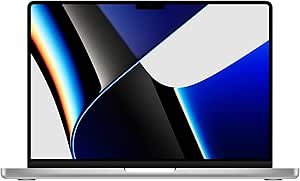 | Best for Balance of Power and Portability | Processor: M1 Pro, 10-core CPU | GPU: 16-core GPU | Display: 14-inch Liquid Retina XDR | VIEW ON AMAZON | See Our Full Breakdown |
| Apple 2026 MacBook Pro Laptop with M5 Pro Chip, 14.2-inch Liquid Retina XDR Display, 24GB RAM, 1TB SSD, Wi-Fi 7, Silver |  | Best Compact Powerhouse for AI and Data Tasks | Processor: Apple M5 Pro, 15-core CPU | GPU: 16-core GPU | Display: 14.2-inch Liquid Retina XDR | VIEW ON AMAZON | See Our Full Breakdown |
| macbook pro for data science and ai | Processor | Display | Memory | Storage |
|---|---|---|---|---|
| Apple 2026 MacBook Pro Laptop | Apple M5 Pro chip with 18-core CPU and 20-core GPU | 16.2-inch Liquid Retina XDR | 24GB Unified Memory | 1TB SSD |
| Apple MacBook Pro with M5 Max | M5 Max, 18-core CPU | 14.2-inch Liquid Retina XDR | 128GB | 4TB SSD |
| Apple MacBook Pro Laptop with | M5 Max, 18-core CPU | 16.2-inch Liquid Retina XDR | 64GB | 2TB SSD |
| Apple MacBook Pro | M1 Pro, 10-core CPU | 14-inch Liquid Retina XDR | 16GB | 1TB SSD |
| Apple 2026 MacBook Pro Laptop | Apple M5 Pro, 15-core CPU | 14.2-inch Liquid Retina XDR | 24GB | 1TB SSD |
More Details on Our Top Picks
Apple 2026 MacBook Pro Laptop with M5 Pro Chip, 16.2-inch Liquid Retina XDR Display, 24GB RAM, 1TB SSD, Space Black
This model stands out for its powerful M5 Pro chip and expansive 16.2-inch Liquid Retina XDR display, making it ideal for intensive AI computations and data visualization. Unlike the smaller M5 Max models, it strikes a balance between performance and size, though its weight may be a consideration for mobile use. It offers ample 24GB RAM and fast 1TB SSD storage, ensuring smooth handling of large datasets. While its high price might be prohibitive for some, its seamless Apple ecosystem integration makes it a top choice for professionals who prioritize display quality and AI capabilities.
Pros:- Powerful M5 Pro chip with advanced AI features
- Large 16.2-inch Liquid Retina XDR display
- Ample memory and fast SSD storage
- All-day battery life
Cons:- High cost
- Heavy and less portable
- Limited flexibility outside Apple ecosystem
Best for: Power users who need a large, high-performance machine with excellent display quality
Not ideal for: Frequent travelers or those on a tight budget
- Processor:Apple M5 Pro chip with 18-core CPU and 20-core GPU
- Display:16.2-inch Liquid Retina XDR
- Memory:24GB Unified Memory
- Storage:1TB SSD
- Battery Life:All-day
- Connectivity:Wi-Fi 7, Bluetooth 6, Thunderbolt 5, HDMI, SDXC, MagSafe 3
Our verdict“Best overall for those needing serious power, display quality, and AI capabilities in a single package.”
Apple MacBook Pro with M5 Max, 14.2-inch Display, 128GB Memory, 4TB SSD, Space Black
For users who need maximum processing and graphics power, this MacBook Pro with the M5 Max chip is unmatched. Its 14.2-inch Liquid Retina XDR display offers superb clarity, perfect for detailed data visualization. The 128GB RAM and 4TB SSD enable handling of large datasets and complex AI models without breaking a sweat. It also features extensive connectivity options, including multiple Thunderbolt 5 ports and SDXC, making it a flexible tool for demanding workloads. However, its size and weight make it less ideal for frequent travel, and its high price may restrict accessibility to some users.
Pros:- Exceptional CPU and GPU performance
- High-brightness, high-contrast display
- Extensive connectivity options
- Large RAM and storage capacity
Cons:- Very high price
- Heavy and less portable
- Limited flexibility outside Apple ecosystem
Best for: AI researchers and data scientists running heavy workloads requiring maximum GPU and CPU power
Not ideal for: Those prioritizing portability or on a limited budget
- Processor:M5 Max, 18-core CPU
- GPU:40-core GPU
- Display:14.2-inch Liquid Retina XDR
- Memory:128GB
- Storage:4TB SSD
- Connectivity:Three Thunderbolt 5, MagSafe 3, SDXC, HDMI, headphone jack
Our verdict“An ideal choice for those who need the highest computing power and are less concerned about portability or price.”
Apple MacBook Pro Laptop with M5 Max, 16.2-inch Display, 64GB RAM, 2TB SSD, Silver
This 16.2-inch MacBook Pro with the M5 Max chip offers exceptional computational and GPU performance, suited for complex AI modeling, large datasets, and multimedia workflows. Its stunning Liquid Retina XDR display ensures accurate color and high contrast, vital for professional-grade visualization. The 64GB RAM supports multitasking and large models, while the 2TB SSD provides fast data access. Its extensive port selection, including Thunderbolt 5 and HDMI, increases flexibility for professional setups. The main tradeoff remains its size and weight, making it less practical for mobile users, and the high price tag may restrict some buyers.
Pros:- Powerful M5 Max chip with excellent AI and GPU performance
- High-quality Liquid Retina XDR display
- Multiple ports for connectivity and external displays
- Strong performance for demanding tasks
Cons:- Expensive
- Heavy and large
- Limited upgradeability
Best for: AI developers and data scientists who need top-tier performance and display quality
Not ideal for: Frequent travelers or those on a tight budget
- Processor:M5 Max, 18-core CPU
- GPU:40-core GPU
- Display:16.2-inch Liquid Retina XDR
- Memory:64GB
- Storage:2TB SSD
- Ports:Three Thunderbolt 5, MagSafe 3, SDXC, HDMI, headphone jack
Our verdict“Best suited for professionals who demand the highest AI and graphics performance in a portable form factor.”
Apple MacBook Pro (14-inch, M1 Pro, 16GB RAM, 1TB SSD, Silver)
Though not featuring the latest M5 chips, this 2021 MacBook Pro with M1 Pro remains a reliable choice for data science and AI work that doesn’t require the bleeding edge hardware. Its 14-inch Liquid Retina XDR display offers excellent contrast and clarity, and the long battery life makes it practical for on-the-go use. The 16GB RAM and 1TB SSD are sufficient for many workflows, especially those that prioritize mobility over raw power. Its lighter weight and compact form make it a sensible choice for professionals who need a portable yet capable machine, despite missing out on the latest chip advancements.
Pros:- Powerful M1 Pro chip
- Excellent display quality
- Long battery life
- Lightweight and portable
Cons:- Older chip architecture
- Limited to 512TB SSD in some configurations
- Higher price relative to performance
Best for: Mobile professionals who need a capable yet lightweight machine
Not ideal for: Heavy AI workloads or extensive datasets requiring the latest hardware
- Processor:M1 Pro, 10-core CPU
- GPU:16-core GPU
- Display:14-inch Liquid Retina XDR
- Memory:16GB
- Storage:1TB SSD
- Battery Life:Up to 17 hours
Our verdict“A well-rounded choice for users prioritizing portability and balanced performance at a more accessible price point.”
Apple 2026 MacBook Pro Laptop with M5 Pro Chip, 14.2-inch Liquid Retina XDR Display, 24GB RAM, 1TB SSD, Wi-Fi 7, Silver
This 14-inch MacBook Pro with the M5 Pro chip offers a compact yet powerful solution for data science and AI professionals who need portability without sacrificing performance. Its 15-core CPU and 16-core GPU provide solid AI processing, while the high-quality Liquid Retina XDR display ensures data visualization clarity. The 24GB RAM and 1TB SSD support multitasking and large datasets. It’s a versatile option for those who require a high-performance machine in a smaller footprint, though its high price may limit accessibility and its battery life under intensive workloads remains somewhat unconfirmed.
Pros:- Powerful M5 Pro chip with AI capabilities
- High-quality 14.2-inch display
- Portable size and weight
- Seamless Apple ecosystem integration
Cons:- Pricey for its size
- Limited battery info under stress
- Less GPU power than larger M5 Max models
Best for: Professionals who need power in a portable, smaller form factor
Not ideal for: Users who need maximum GPU power or extended battery life for heavy AI tasks
- Processor:Apple M5 Pro, 15-core CPU
- GPU:16-core GPU
- Display:14.2-inch Liquid Retina XDR
- Memory:24GB
- Storage:1TB SSD
- Connectivity:Wi-Fi 7, Bluetooth 6, Thunderbolt 5 ports
Our verdict“Ideal for mobile professionals seeking a balance of performance and portability in AI workflows.”

How We Picked
Our selection process focused on selecting MacBook Pro models available in 2026 that are designed for demanding data science and AI tasks. We prioritized models with the latest Apple Silicon chips, extensive memory options, high-performance GPUs, and compelling display technology. Portability, battery life, and connectivity were also key factors, as these influence workflow flexibility. We compared these elements across different configurations and price points to recommend models that combine power, usability, and value for professionals working in data science and AI.
| macbook pro for data science and ai | Processor | Connectivity |
|---|---|---|
| Apple 2026 MacBook Pro Laptop | Apple M5 Pro chip with 18-core CPU and 20-core GPU | Wi-Fi 7, Bluetooth 6, Thunderbolt 5, HDMI, SDXC, MagSafe 3 |
| Apple MacBook Pro with M5 Max | M5 Max, 18-core CPU | Three Thunderbolt 5, MagSafe 3, SDXC, HDMI, headphone jack |
| Apple MacBook Pro Laptop with | M5 Max, 18-core CPU | — |
| Apple MacBook Pro | M1 Pro, 10-core CPU | — |
| Apple 2026 MacBook Pro Laptop | Apple M5 Pro, 15-core CPU | Wi-Fi 7, Bluetooth 6, Thunderbolt 5 ports |
Factors to Consider When Choosing Macbook Pro For Data Science And Ai
When selecting a MacBook Pro for data science and AI, your priorities should guide your choice. Consider whether you need raw power for large models and datasets, portability for frequent travel, or a balance of both. The latest M5 Max models deliver unmatched performance but come with a hefty price and size, making them suited for heavy-duty AI work in a fixed location. Conversely, the M1 Pro and M5 Pro models offer excellent performance with more manageable sizes, fitting better into mobile workflows. Connectivity options, display quality, and battery life also play key roles in ensuring your setup supports your professional demands effectively.
Performance and Power
For data science and AI tasks, processing power is paramount. The M5 Max chips provide the highest CPU and GPU performance, ideal for training large models and handling extensive datasets. The M5 Pro chips, still highly capable, strike a balance for most professional needs. The older M1 Pro still holds up well but may fall short for the most demanding workloads. When evaluating, prioritize RAM (at least 24GB for serious AI work) and GPU cores, as these directly impact processing speed and efficiency.
Portability vs. Size
If you’re frequently on the move, a lighter, smaller model like the 14-inch MacBook Pro with M1 Pro or M5 Pro makes sense. Larger models, especially those with M5 Max chips, tend to be heavier and bulkier, better suited for fixed locations. Battery life also varies: while most modern MacBooks offer extended use, intensive AI processing can drain batteries faster, so consider your typical usage environment when choosing.
Display and Connectivity
High-quality displays with accurate color and high contrast are vital for data visualization. All recommended models feature Liquid Retina XDR screens, but larger sizes deliver more workspace. Connectivity options like Thunderbolt 5, HDMI, SDXC, and MagSafe ensure compatibility with external peripherals, external GPUs, and data storage solutions, which are often critical in data science workflows. Assess your external device needs and choose accordingly.
Budget and Ecosystem
The highest-performance models come at a premium, which might be prohibitive for some users. If budget constraints exist, the 14-inch M1 Pro version offers a solid compromise. Additionally, if you are already invested in the Apple ecosystem, these MacBooks will integrate seamlessly, streamlining your workflow. For those outside of Apple’s ecosystem, flexibility might be limited, as these machines are optimized for macOS and Apple services.
Frequently Asked Questions
Is the M5 Max chip necessary for data science and AI work?
The M5 Max chip offers the highest processing power and GPU performance, making it ideal for training large AI models and handling massive datasets. However, many data science tasks can be effectively managed with the M5 Pro or even the M1 Pro, especially if your workloads are less intensive. The choice depends on the scale of your projects and your budget.
How does portability affect my choice for AI and data science tasks?
If you frequently work in different locations or travel often, a lighter model like the 14-inch MacBook Pro with M1 Pro or M5 Pro makes more sense. Larger, more powerful models tend to be heavier and bulkier, which could hinder mobility. Battery life under heavy AI workloads is also a consideration; lighter models often have optimized power management suited for on-the-go use.
Can I run large datasets on the older MacBook Pro models?
While older MacBook Pro models with the M1 Pro chip can handle many data science tasks well, they may struggle with extremely large datasets or complex AI training, where the latest M5 chips excel. Upgrading to newer models with more RAM and GPU cores enhances performance and future-proofs your setup.
Are external GPUs necessary with these MacBooks?
Most current MacBook Pros with Apple Silicon chips include highly capable integrated GPUs, which are sufficient for many AI and data science applications. External GPUs are less common on Macs and typically not necessary unless you require specialized, high-power graphics processing beyond what the integrated GPU offers.
How important is display quality for data visualization?
Display quality is critical for accurately interpreting data visualizations. All recommended models feature Liquid Retina XDR screens, providing high contrast, sharp detail, and color accuracy. Larger screens improve workspace, but even 14-inch models offer excellent visual fidelity for most professional tasks.
Conclusion
For users prioritizing raw computational power and handling large AI models, the MacBook Pro with M5 Max remains the top-tier choice, despite its size and cost. Creative professionals or data scientists who need excellent displays and extensive ports should consider the 16.2-inch M5 Max model. Those who value portability without sacrificing too much power will find the 14-inch M1 Pro or M5 Pro versions to be more suitable, especially for mobile workflows. Budget-conscious users can focus on the 14-inch M1 Pro for a capable yet more affordable option. Ultimately, your specific workflow needs and mobility considerations will guide the best fit in 2026.
Evergreen bestsellers Picks
bestsellers
As an affiliate, we earn on qualifying purchases.