
TL;DR

Prime made for students and young adults
- Fast, free delivery for dorm and study essentials
- Prime Video and Amazon Music included
- Member-only deals
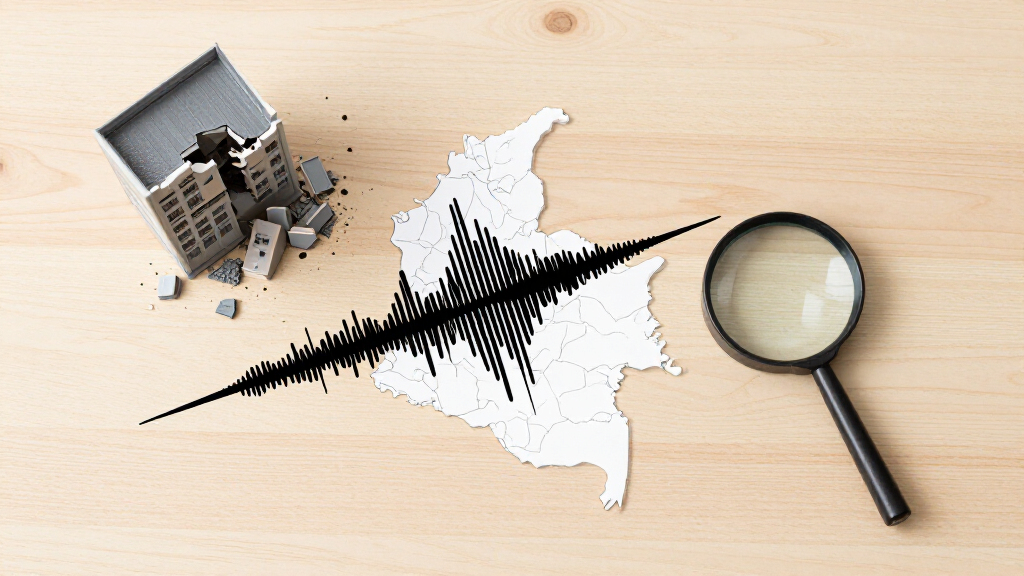
A strong earthquake with a magnitude of 6.8 struck Colombia today, leading to injuries and damage. Emergency response efforts are underway, but full extent remains unclear.
A magnitude 6.8 earthquake struck Colombia today, causing injuries, structural damage, and widespread disruption. Authorities have confirmed injuries and damage in several regions, and emergency services are actively responding. You can track ongoing updates on Earthquake Now. This event marks one of the strongest quakes in the region this year and raises concerns about aftershocks and ongoing risks. For historical context, see the seismic waves bounced off Earth’s core after the 2011 earthquake in Japan.
The earthquake occurred at approximately 2:15 PM local time, with the epicenter located near the city of Cali, in the Valle del Cauca department. The Colombian Geological Service reported that the quake was felt across multiple departments, including Bogotá, Antioquia, and Cauca. Initial reports indicate at least 15 injuries requiring hospital treatment, primarily from falls and building collapses.
Authorities have confirmed damage to several structures, including residential buildings, schools, and commercial facilities. Emergency response teams are mobilizing to assist affected communities, and local officials have issued warnings about potential aftershocks. The National Disaster Risk Management Unit is coordinating efforts and assessing the full extent of the damage.
Why the Colombia Earthquake Matters to People
This earthquake is significant because of its strength and the widespread impact across multiple regions, highlighting vulnerabilities in infrastructure and emergency preparedness. It also raises concerns about potential aftershocks, which could cause further damage and injuries. The event underscores the importance of rapid response and preparedness in earthquake-prone areas of Colombia, a country regularly affected by seismic activity.
As an affiliate, we earn on qualifying purchases.
Recent Seismic Activity and Regional Vulnerability
Colombia lies along the Pacific Ring of Fire, an area known for frequent seismic activity. The country experiences regular earthquakes, with notable recent events including a magnitude 6.5 quake in 2022. The region’s seismic history underscores ongoing risks, especially in urban centers like Cali and Bogotá, which are densely populated and have varying levels of building resilience. The current quake is among the strongest recorded in Colombia this year, prompting renewed attention to disaster preparedness.
“The earthquake was felt strongly across several departments, and we are conducting initial damage assessments.”
— Colombian Geological Service spokesperson
Extent of Damage and Aftershock Risks Still Unclear
It is not yet clear how extensive the damage is, as assessments are ongoing. The full number of injuries, structural damages, and affected communities remains to be confirmed. Additionally, the likelihood and potential impact of aftershocks are still being evaluated by authorities.
Emergency Response and Damage Assessments Continue
Authorities are expected to complete initial damage assessments within the next 24 hours. Emergency services will continue rescue and relief operations, and officials will monitor for aftershocks. Further updates on casualties, infrastructure damage, and recovery efforts are anticipated as more information becomes available.
Key Questions
How strong was the earthquake in Colombia?
The earthquake had a magnitude of 6.8, making it one of the strongest in the region this year.
Which areas were most affected by the quake?
The epicenter was near Cali, with significant impacts reported in Valle del Cauca, and felt across Bogotá, Antioquia, and Cauca.
Are there risks of aftershocks?
Yes, authorities have warned residents to remain cautious as aftershocks are likely and could cause further damage or injuries.
What kind of damage has been reported?
Initial reports include injuries from building collapses and damage to residential, commercial, and public infrastructure.
What is the government doing in response?
Emergency services are deploying rescue teams, and officials are conducting damage assessments while advising residents to stay alert for aftershocks.
Source: google-trends
Fall Picks
fall essentials
As an affiliate, we earn on qualifying purchases.