
TL;DR

Prime made for students and young adults
- Fast, free delivery for dorm and study essentials
- Prime Video and Amazon Music included
- Member-only deals
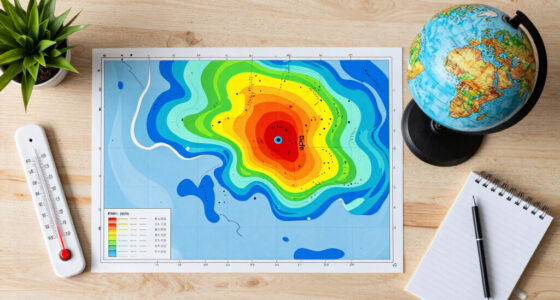
A magnitude 6.2 earthquake struck the Scotia Sea, confirmed by USGS. No immediate damage reports have emerged. Authorities are investigating potential impacts.
A magnitude 6.2 earthquake was recorded in the Scotia Sea early today, according to the United States Geological Survey (USGS). The event was detected at approximately 4:15 a.m. local time, with no immediate reports of damage or casualties. Authorities are currently assessing the potential impact of the quake on nearby islands and maritime routes.
The earthquake’s epicenter was located in the central Scotia Sea, roughly 150 kilometers south of the South Georgia Islands, at a depth of approximately 10 kilometers, as per USGS data. The quake was felt by some residents on the South Georgia Islands, but no reports of injuries or structural damage have been confirmed so far. Seismologists indicate that the event is consistent with regional tectonic activity associated with the Scotia Plate, a key area of seismic activity in the South Atlantic region.
Emergency response agencies in the region are monitoring for possible aftershocks and assessing maritime safety. The USGS has issued a preliminary alert, but there have been no tsunami warnings issued at this stage. The Scotia Sea is known for its seismic activity, but large earthquakes are relatively infrequent compared to other tectonic zones in the world.
Why the Scotia Sea Earthquake Matters
This earthquake is significant because it highlights ongoing tectonic movements in the South Atlantic region, which could impact maritime navigation and nearby island communities. Although no damage has been reported, the event underscores the importance of regional seismic monitoring. It also raises questions about the potential for aftershocks or secondary hazards, such as tsunamis, which could affect local populations and shipping routes.
educational science reference books
As an affiliate, we earn on qualifying purchases.
As an affiliate, we earn on qualifying purchases.
Regional Seismic Activity and Historical Earthquakes in the Scotia Sea
The Scotia Sea, located between South America and Antarctica, is part of a seismically active zone associated with the Scotia Plate. Historically, this region has experienced several notable earthquakes, though most have been moderate in magnitude. The last significant quake in the area occurred in 2012, with a magnitude of 6.0. Experts note that the tectonic activity in this region is driven by the complex interactions between the Scotia Plate and surrounding plates, including the South American and Antarctic plates.
Geologists have been monitoring the Scotia Sea for signs of increased seismic activity, especially as climate change and ice melt could influence tectonic stresses in the region. The recent quake is seen as part of this ongoing seismic pattern, but it does not appear to be an immediate precursor to larger events.
Unconfirmed Reports and Potential Aftershocks
It is still unclear whether there will be significant aftershocks or secondary hazards such as tsunamis. No damage or casualties have been reported, but authorities are continuing to assess the situation. The extent of the quake’s impact on local communities and maritime routes remains uncertain as investigations are ongoing.
Ongoing Monitoring and Impact Assessments Expected
Authorities in the region will conduct detailed assessments of the seismic activity and potential aftershocks. Maritime agencies are monitoring shipping lanes, and local authorities are preparing for possible aftershocks. Scientists will analyze data to understand the quake’s implications for regional seismic risk and update the public accordingly.
Key Questions
Was there any tsunami threat following the earthquake?
Currently, no tsunami warnings have been issued. Authorities are monitoring for any secondary hazards but have not detected any signs of a tsunami so far.
Did the earthquake cause any damage or injuries?
There are no reports of damage or injuries at this time. The quake was felt on nearby islands, but no significant impact has been confirmed.
How common are earthquakes in the Scotia Sea?
The Scotia Sea is an active seismic zone, but large earthquakes are relatively infrequent. Most events are moderate, like the recent magnitude 6.2 quake.
Could this earthquake lead to a larger seismic event?
It is uncertain. Seismologists are monitoring for aftershocks, but there is no indication at this point that a larger quake is imminent.
Source: hazard
Columbus Day / Indigenous Peoples' Day Picks
long weekend sales
As an affiliate, we earn on qualifying purchases.