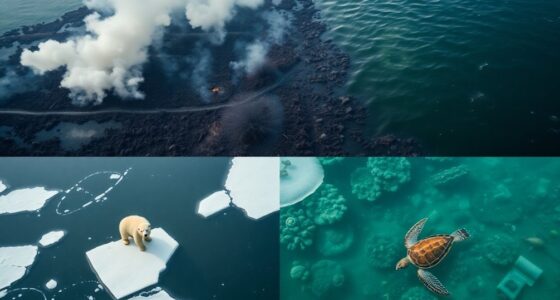
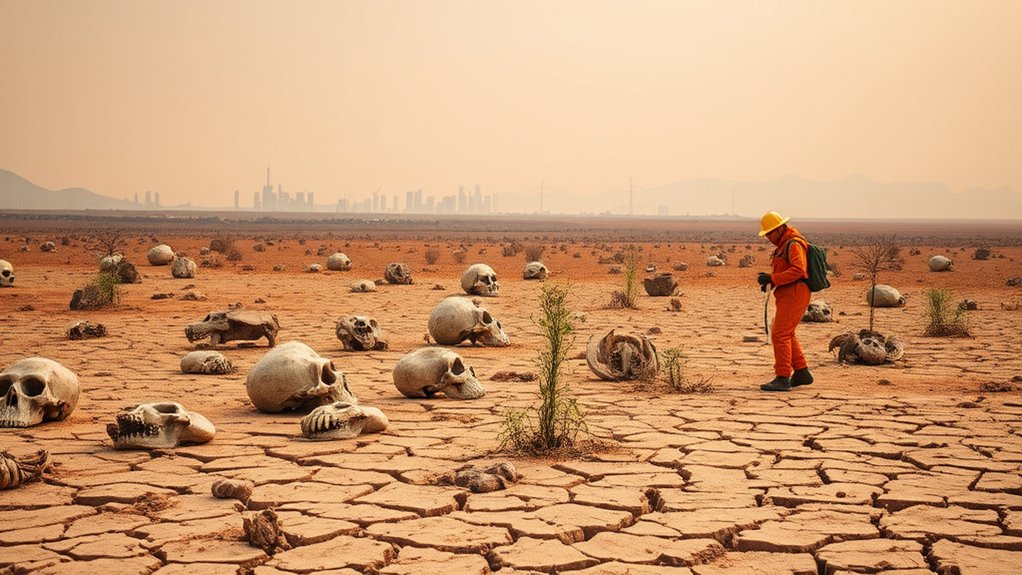
Yes, we are experiencing a sixth mass extinction driven by human activities like deforestation, pollution, overfishing, and climate change. Current extinction rates are over 100 times higher than natural background levels, threatening many species, especially those on islands and in marine environments. Experts say this rapid loss of biodiversity could accelerate further if urgent action isn’t taken. To understand how close we are and what’s at stake, keep exploring these vital details.

Prime made for students and young adults
- Fast, free delivery for dorm and study essentials
- Prime Video and Amazon Music included
- Member-only deals
Key Takeaways
- Current extinction rates are 100 to 1,000 times higher than natural background levels, indicating a potential sixth mass extinction.
- Human activities like deforestation, pollution, and climate change are primary drivers accelerating biodiversity loss worldwide.
- Many species, especially those on islands and in marine ecosystems, face imminent extinction risks due to habitat destruction and invasive species.
- Scientific debates persist on whether current extinction rates meet the formal criteria of a mass extinction event.
- Urgent conservation efforts are crucial to prevent irreversible biodiversity loss during this unprecedented crisis.
As an affiliate, we earn on qualifying purchases.
Understanding the Concept of a Mass Extinction
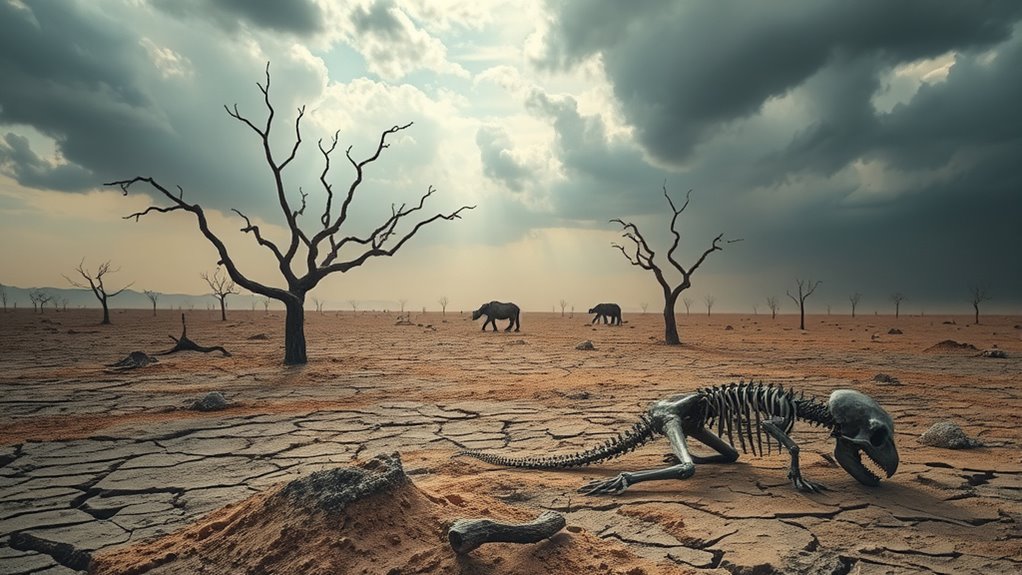
What exactly is a mass extinction, and how do you recognize it? It’s a period when at least 75% of species disappear in a relatively short geological time. Scientists look for signs like rapid, widespread loss of biodiversity across different groups of life. Historically, mass extinctions wiped out huge portions of marine and terrestrial species, reshaping ecosystems. Some argue current extinction rates aren’t high enough to qualify, while others see evidence that human activities are causing an unprecedented spike in species loss. The debate centers on how we define and measure these events. You can recognize a mass extinction by looking at the scale and speed of species disappearances, not just isolated extinctions. It’s about understanding whether current trends could match the catastrophic losses of the past. Additionally, scientists analyze biodiversity decline patterns and ecological disruptions to assess the severity of ongoing extinction events. Recognizing these patterns is crucial for conservation and sustainability efforts to prevent further losses. Moreover, the evidence from past mass extinctions helps us contextualize current biodiversity crises and evaluate their potential long-term impacts.
Comparing Past and Present Extinction Rates
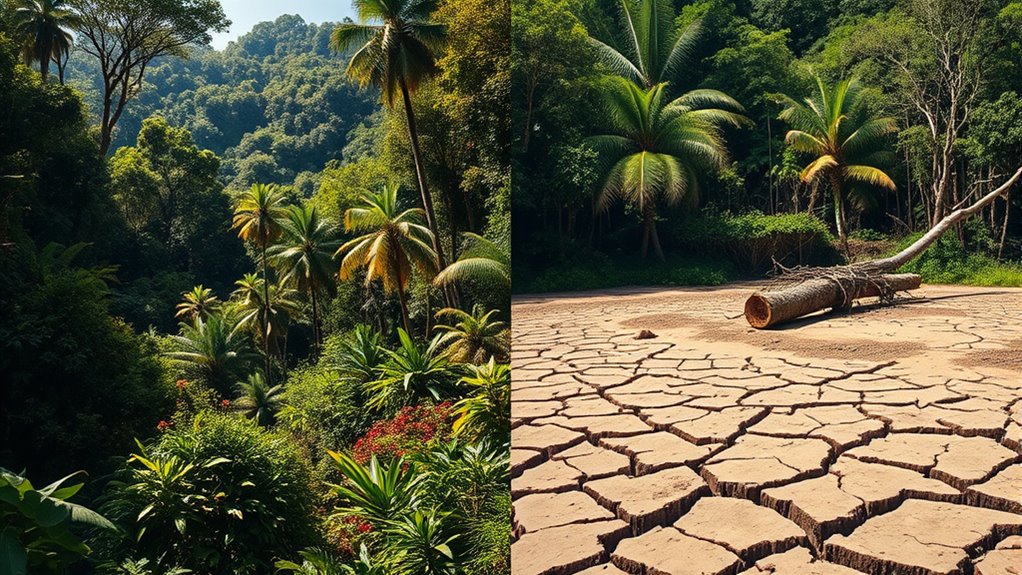
You need to understand how current extinction rates compare to those in Earth’s history, but measuring these rates isn’t straightforward. Past rates are based on geological evidence, while today’s rely on recorded and estimated data, which can be inconsistent. Recognizing these differences is essential to evaluating whether we’re truly in a mass extinction event. Additionally, inspirational quotes about fatherhood can remind us of the importance of nurturing and protecting life on Earth for future generations.
Historical vs. Modern Rates
While recorded extinction rates over the past 500 years are relatively low compared to previous mass extinctions, they are considerably higher than natural background rates. Historically, mass extinctions wiped out at least 75% of species in a short time, often linked to global catastrophes. Today, the current rate is estimated to be 100 to 1,000 times higher than natural background levels, but fewer than 2% of species have gone extinct in this period. Past extinctions mainly affected marine life and isolated island species. In contrast, modern extinctions target land species, especially on islands. Although the overall percentage of extinct species remains below the mass extinction threshold, the rapid acceleration of current rates suggests we’re on a critical trajectory that could match or surpass past catastrophic events. Additionally, relationship dynamics and human activities play a significant role in accelerating extinction processes today.
Rate Measurement Challenges
Comparing past and present extinction rates presents significant measurement challenges due to differences in data quality, scope, and methods. Historical data rely on incomplete fossil records and are often difficult to interpret, making it hard to establish accurate rates. Modern assessments benefit from extensive scientific tools, but they face limitations like detecting recent or cryptic extinctions and accounting for undiscovered species. Additionally, current extinction estimates are influenced by projections and models, which depend on assumptions and incomplete knowledge. This makes direct comparisons tricky, as past extinction events are better understood in terms of geological change, while today’s rates depend heavily on rapid, human-driven factors. These challenges complicate efforts to determine whether current biodiversity loss truly exceeds natural variability or fits within historical patterns.
Human Activities as Drivers of Biodiversity Loss
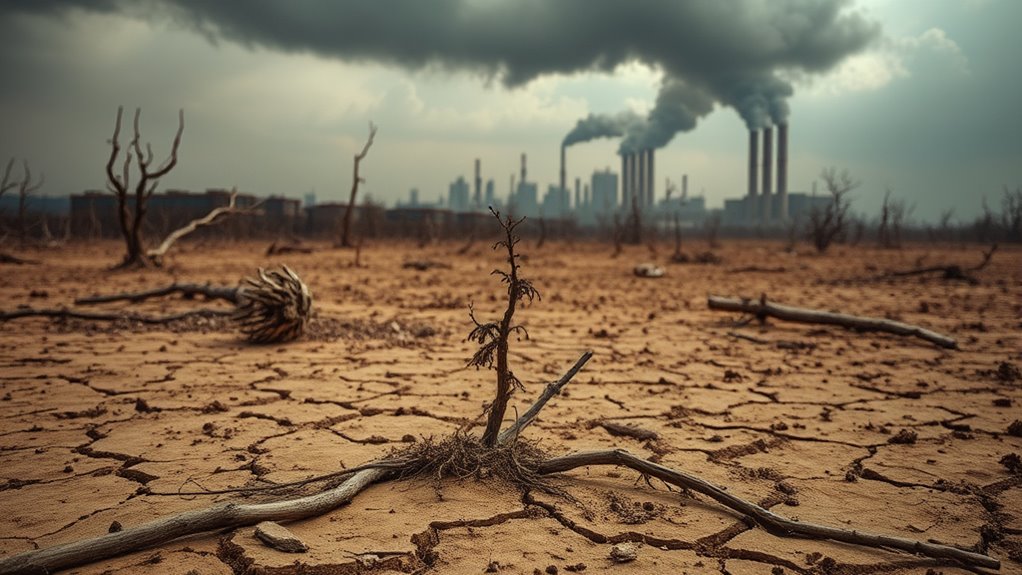
Human activities are the primary drivers of biodiversity loss today, markedly accelerating extinction rates beyond natural levels. Your actions—like deforestation, pollution, and overfishing—directly harm ecosystems. Land development destroys habitats, while invasive species outcompete native ones. Climate change, driven by fossil fuel use, shifts climate patterns, impacting species’ survival. The table below highlights key activities and their effects:
| Human Activity | Impact on Biodiversity |
|---|---|
| Deforestation | Habitat loss, species decline |
| Pollution | Toxic environments, health risks |
| Overexploitation | Unsustainable hunting and fishing |
| Land-use change | Fragmentation, reduced habitats |
| Climate change | Altered ecosystems, species stress |
These activities accelerate extinction, threaten ecosystems, and demand urgent action to protect the planet’s biodiversity. Climate change not only affects individual species but also disrupts entire ecological networks, amplifying the urgency for sustainable practices.
Which Species Are Most at Risk Today
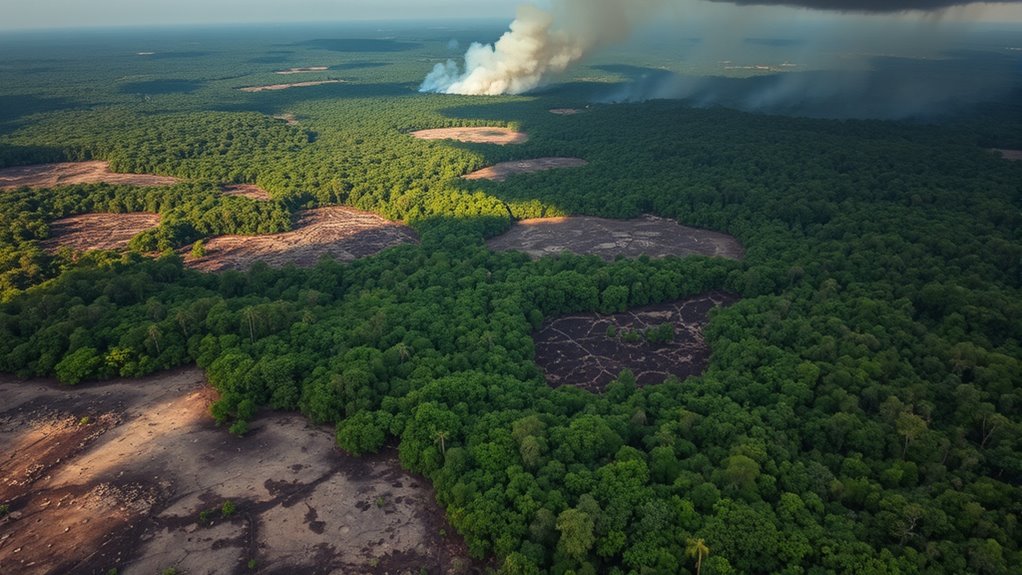
Species most at risk today are primarily those that face the combined pressures of habitat loss, invasive species, and climate change. You’ll find island species especially vulnerable because their isolation makes recovery difficult. Many amphibians, reptiles, and small mammals struggle with shrinking habitats and invasive predators or competitors. Birds, particularly those on isolated islands, are also highly threatened. Marine species face risks from overfishing, pollution, and warming waters, but terrestrial and freshwater species are more immediately impacted by deforestation and land conversion. Endemic species—those found nowhere else—are especially at risk because their limited ranges mean small population sizes. Overall, species with low reproductive rates, specialized diets, or restricted habitats are most likely to face extinction without urgent conservation efforts. Additionally, water parks and other human-made environments can sometimes inadvertently impact local ecosystems and species survival when not managed sustainably, highlighting the importance of sustainable management practices. Efforts to restore habitats and control invasive species are crucial for improving the chances of survival for many vulnerable species. Recognizing the importance of community engagement and policy changes can also play a vital role in conservation success. Implementing conservation strategies that address multiple threats simultaneously is essential for effective preservation.
The Role of Islands and Marine Environments in Extinction Patterns
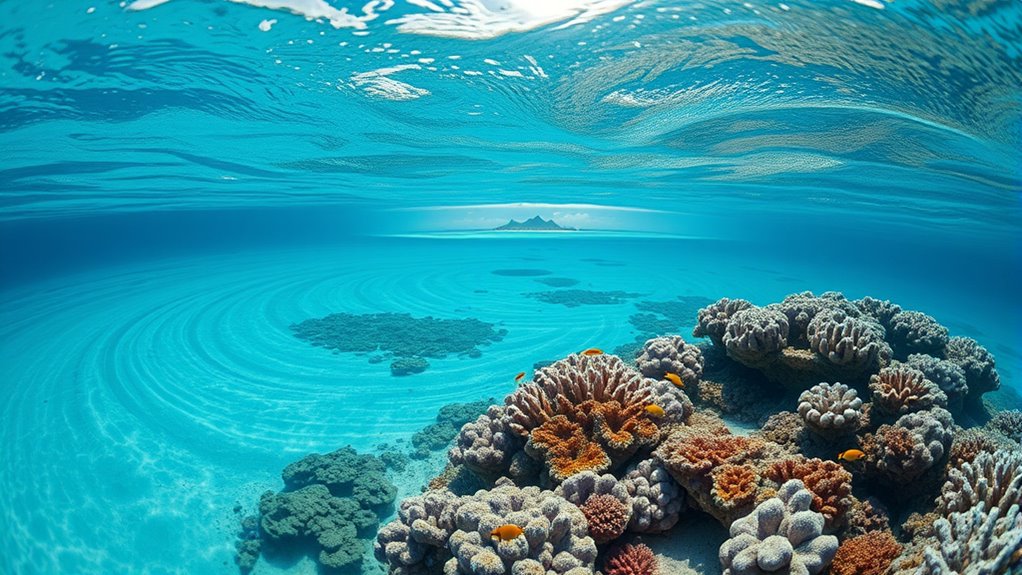
Islands and marine environments play a disproportionately significant role in extinction patterns, primarily because their isolated ecosystems are highly vulnerable to disturbances. Species on islands often evolve without defenses against new threats, so invasive species or habitat changes can wipe them out quickly. Marine environments, especially coral reefs and deep-sea habitats, face threats from overfishing, pollution, and climate change, leading to rapid declines. These ecosystems host unique species with limited ranges, making them especially susceptible to extinction. The vulnerability of these environments underscores the importance of ecosystem conservation efforts to prevent further extinctions. Protecting these fragile habitats is crucial because their loss can lead to irreversible biodiversity decline, impacting global ecological balance.
Scientific Perspectives on the Current Extinction Event
You need to contemplate how current extinction rates compare to past mass extinctions, as some argue they are unprecedented while others see them as insufficient for a true mass event. The debate over definitions and thresholds influences whether this qualifies as a sixth mass extinction in scientific terms. Many scientists emphasize that biodiversity loss is accelerating at an alarming pace, which could have irreversible consequences. Recognizing the importance of biodiversity helps to understand the full scope of these ongoing changes. Additionally, some researchers highlight that extinction thresholds vary depending on the criteria used, complicating the classification of this event. For example, understanding chemical impacts on ecosystems can shed light on how human activities contribute to extinction processes. Recent studies also suggest that habitat destruction is one of the most immediate drivers of species decline today. Ultimately, consensus remains elusive, but many agree that human activity is pushing biodiversity toward a critical tipping point.
Extinction Rate Comparisons
Many scientists agree that current extinction rates are alarmingly high, but opinions differ on how they compare to past mass extinctions. Recorded extinction rates in the last 500 years are still lower than during previous mass events, but estimates show today’s rates are 100 to 1,000 times higher than natural background levels. While less than 2% of mammal genera and under 0.5% of all genera have gone extinct recently, the pace of loss is accelerating, especially among island species. Some projections suggest up to 10% of species could vanish by century’s end, with IPBES stating rates are tens to hundreds of times higher than in the last 10 million years. Whether this qualifies as a mass extinction depends on definitions, but the trend remains deeply concerning. Cybersecurity measures can be crucial in protecting environmental data and research from digital threats, emphasizing the importance of secure communication solutions. Additionally, extinction rates are influenced by various factors, including habitat destruction, climate change, and invasive species, which continue to threaten biodiversity worldwide. The increasing global biodiversity crisis underscores the urgent need for conservation efforts and sustainable practices to mitigate further losses. Understanding the natural background extinction rate helps contextualize these alarming trends and emphasizes the importance of ongoing research. Recent advancements in conservation biology highlight innovative strategies to combat biodiversity loss and protect endangered species.
Definitions and Thresholds
The debate over whether the current extinction event qualifies as a mass extinction hinges on how scientists define and measure such crises. Mass extinctions are traditionally marked by the loss of at least 75% of species within a geologically short period. Some scientists argue current rates fall short of this threshold, citing lower recorded extinctions and the relatively small percentage of species lost. Others contend that the unprecedented speed and scale of biodiversity decline justify labeling it a mass extinction. Key considerations include:
- The percentage of species lost relative to historical events.
- The time span over which extinctions occur.
- The distinction between recorded and projected future extinctions.
- The impact on global biodiversity and ecosystem stability.
These factors shape the ongoing debate about the event’s classification.
Scientific Consensus Status
Scientists largely agree that human activities are driving an unprecedented rate of biodiversity loss, sparking intense debate about whether this qualifies as a mass extinction. Some scientists argue that current extinction rates, though high, haven’t yet reached the 75% species loss threshold to officially define a mass extinction. Others contend that the rapid decline, especially among island species and certain groups, signals a crisis comparable to past events. Multiple reports, including those from IPBES, highlight extinction rates are tens to hundreds of times higher than normal, suggesting we’re in a critical phase. Most conservationists believe we’re on the brink of a mass extinction, but consensus remains elusive due to differing definitions and interpretations of data. Still, there’s widespread concern that ongoing trends could lead to irreversible ecosystem collapse. Additionally, understanding the extinction mechanisms and their implications is crucial for developing effective conservation strategies. Recognizing the role of human activity in accelerating these processes emphasizes the urgency of implementing sustainable practices.
The Impact of Climate Change and Other Emerging Threats
Climate change is increasingly emerging as a significant threat to global biodiversity, yet its full impact remains uncertain due to time lags and complex ecological responses. As temperatures rise, you might observe:
- Shifts in species distributions, forcing some to migrate or face extinction.
- Altered breeding and migration timings, disrupting food webs.
- Increased frequency of extreme weather events damaging habitats.
- Ocean acidification threatening marine life, especially coral reefs and shell-forming species.
While climate change isn’t yet the leading driver of extinctions, its effects compound existing threats like habitat loss and pollution. You should recognize that these emerging threats accelerate biodiversity loss, often exacerbating vulnerabilities in species already under pressure. The full impact may only become apparent over decades, but early signs signal significant risks ahead.
Conservation Efforts and Their Effectiveness
Conservation efforts have made significant progress in preventing the complete extinction of many vulnerable species, demonstrating that targeted actions can yield tangible results. Protected areas, like national parks and wildlife reserves, have helped preserve critical habitats and reduce direct human threats. Recovery programs for species such as the California condor and certain marine turtles have increased their populations. Legislation like the Endangered Species Act has provided legal protections, curbing poaching and habitat destruction. Community-led initiatives foster local engagement and sustainable practices. However, these efforts face challenges from ongoing climate change, habitat loss, and pollution. While some species benefit from conservation, many others remain at risk. Overall, conservation has shown that proactive measures can slow extinction rates, but continuous and adaptive strategies are essential for long-term success.
Projecting the Future of Global Biodiversity

How will global biodiversity change in the coming decades? You can expect several key trends.
- Extinction rates are projected to rise, potentially losing 30-40% of species within the next century.
- Climate change will increasingly drive habitat shifts, threatening vulnerable species and ecosystems.
- Invasive species and habitat destruction will continue accelerating, compounding extinction risks.
- Conservation efforts may slow or fail without urgent, coordinated global action.
While some models suggest stabilization through restoration, many projections warn of significant biodiversity declines. The rate of loss could surpass previous mass extinctions, especially if current trends persist. Understanding these projections helps you realize the urgency needed to prevent irreversible damage. The future of biodiversity hinges on immediate, effective intervention.
Frequently Asked Questions
How Do Scientists Define a Mass Extinction Event?
Scientists define a mass extinction event as a rapid loss of at least 75% of species within a relatively short geological period. They consider the rate and scale of species disappearances, often comparing current extinction rates to past events. Some debate whether today’s biodiversity loss qualifies, but many agree that if current trends continue, we could be heading toward a new mass extinction, driven mainly by human activities.
What Are the Main Differences Between Past and Current Extinction Drivers?
You see, the main difference is that past extinctions were driven mostly by natural events like volcanic eruptions or asteroid impacts, but today, human actions dominate. Habitat destruction, pollution, and invasive species now threaten life on a massive scale, unlike the unpredictable natural forces of the past. Climate change is emerging as a new, powerful threat, making current extinction drivers far more rapid and widespread than ever before.
Can Extinction Rates Be Accurately Projected Into the Future?
You can’t predict future extinction rates with absolute certainty because they depend on many unpredictable factors, like climate change and human actions. While models suggest that up to 40% of species could be lost within a century, these projections involve assumptions and uncertainties. Consequently, although future trends can be estimated, you should remember they’re not set in stone, and actual outcomes may differ markedly.
Which Ecosystems Are Most Vulnerable to Ongoing Species Loss?
When it comes to ecosystems most vulnerable to ongoing species loss, you should keep your eye on islands and coastal areas. These regions are like sitting ducks, especially because island species are highly isolated and less adaptable. Habitats here are often fragile, and invasive species, habitat destruction, and climate change hit them hardest. Protecting these ecosystems is essential, or we risk losing irreplaceable biodiversity that supports global health and stability.
How Effective Are Current Conservation Strategies Worldwide?
You can see that current conservation strategies are somewhat effective but still fall short of stopping all species loss. Protected areas, legal protections, and restoration projects help prevent extinctions and preserve habitats. However, challenges like limited funding, political will, and climate change threaten progress. You need to support conservation efforts and advocate for stronger policies to bolster their impact and ensure a healthier future for biodiversity worldwide.
Conclusion
Remember, history shows us that nature can be resilient, but only if we act wisely. You’re part of this story, and your choices matter. By understanding the risks and supporting conservation efforts, you can help turn the tide. Don’t wait until it’s too late—it’s better to prevent than to cure. As the saying goes, “A stitch in time saves nine,” so take action now to protect our planet’s future.
Fall Picks
fall essentials
As an affiliate, we earn on qualifying purchases.