
Endemism refers to species that are unique to a specific area, like islands or mountain ranges, and can’t be found elsewhere. It’s important because these species often evolve in isolation, making them more vulnerable to threats like habitat loss, climate change, and invasive species. Protecting endemic species helps preserve biodiversity and maintain healthy ecosystems. If you want to discover more about how endemism influences our world, keep exploring this fascinating subject.

Prime made for students and young adults
- Fast, free delivery for dorm and study essentials
- Prime Video and Amazon Music included
- Member-only deals
Key Takeaways
- Endemism refers to species native to a single, isolated geographic area, highlighting their unique evolutionary history.
- Endemic species are vulnerable to habitat loss, climate change, and invasive species due to their limited distribution.
- Recognizing endemism helps identify biodiversity hotspots crucial for targeted conservation efforts.
- Protecting endemic species maintains genetic diversity and supports ecosystem health.
- Endemism emphasizes the importance of preserving unique habitats to prevent species extinction.
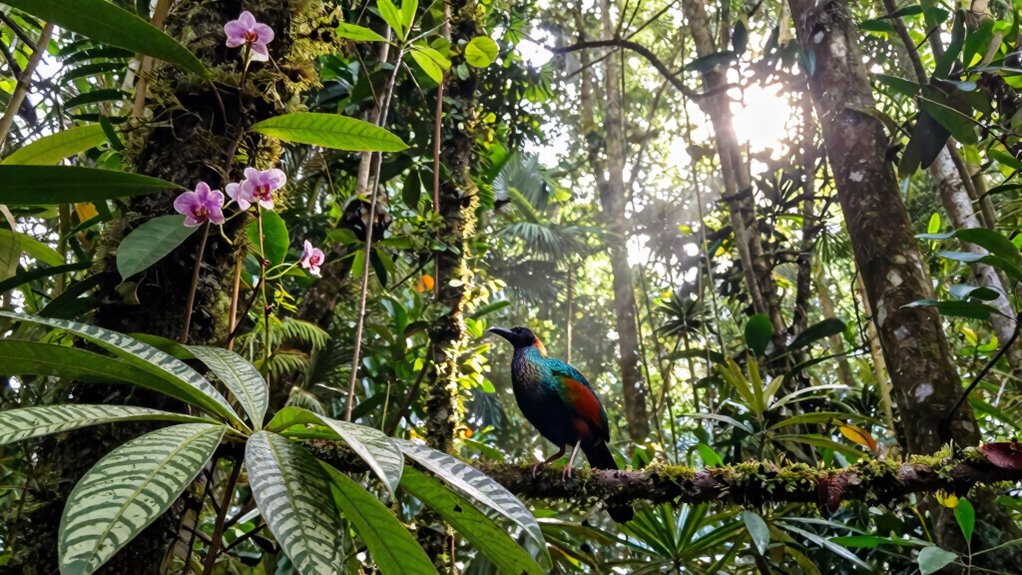
Have you ever wondered why certain species are found only in specific locations? This phenomenon, known as endemism, occurs when plants or animals are native to a single, often isolated, geographic area. Endemic species are unique to their habitats, and their limited distribution makes them especially vulnerable to threats like habitat destruction, climate change, and invasive species. Recognizing endemism helps you understand the importance of conservation strategies tailored to these delicate populations. When you focus on endemic species, you’re supporting efforts to preserve biodiversity hotspots—regions with exceptionally high levels of species richness and endemism. These hotspots are essential because they contain many species found nowhere else on Earth, making their protection critical for global biodiversity.
Endemic species are unique to specific areas, highlighting the need for targeted conservation to protect Earth’s biodiversity.
Understanding endemism highlights how geographic isolation, climate, and ecological factors shape species distribution. For example, island species are often endemic because they evolved in isolation, adapting to specific environmental conditions. Similarly, mountain ranges and remote forests create natural barriers that prevent species from spreading. Recognizing how geographic isolation influences species distribution emphasizes the importance of protecting these unique habitats. Because these species are confined to small areas, they face heightened risks. If their habitat is disturbed or destroyed, they may face extinction because there are no other populations elsewhere to sustain their numbers. This is why targeted conservation strategies are imperative—they help protect these vulnerable species before they vanish forever. Recognizing the role of ecological factors in shaping species distribution emphasizes the importance of preserving their environments. Additionally, understanding the biogeographical processes involved can help inform effective conservation efforts.
Your efforts in conserving endemic species directly contribute to maintaining the integrity of biodiversity hotspots. These areas are not just biologically rich; they are also globally significant because of their ecological importance and the evolutionary processes they harbor. Protecting endemic species within these hotspots ensures the preservation of genetic diversity and ecological resilience. It’s essential that you support policies and initiatives aimed at safeguarding these regions, whether through habitat preservation, sustainable land use, or community engagement. Every small action, like supporting protected areas or raising awareness, can make a difference in preventing the loss of these irreplaceable species.
Ultimately, understanding what endemism is and why it matters empowers you to see the bigger picture of biodiversity conservation. Endemic species are living proof of nature’s incredible capacity for adaptation and evolution within specific environments. By focusing on conservation strategies tailored to protect these unique organisms, you help preserve the rich tapestry of life that makes our planet extraordinary. Protecting biodiversity hotspots and the endemic species they contain isn’t just about saving individual species—it’s about maintaining the health and balance of entire ecosystems that sustain life on Earth, including your own.
endangered species conservation books
As an affiliate, we earn on qualifying purchases.
As an affiliate, we earn on qualifying purchases.
Frequently Asked Questions
How Is Endemism Different From Endemic Species?
Endemism refers to the ecological condition where species are unique to a specific geographic area, highlighting habitat specificity. Endemic species are those that are naturally found only in that particular location, emphasizing species differentiation. So, endemism is the concept of restricted distribution, while endemic species are the actual organisms that exhibit this restriction. Fundamentally, endemism describes the phenomenon, and endemic species are the result of that phenomenon.
Can Endemism Change Over Time?
Yes, endemism can change over time. About 20% of endemic species might lose their status due to species migration or habitat changes. If species migrate or habitats evolve, their endemism can disappear or shift, reflecting dynamic ecological processes. Habitat specialization makes some species more vulnerable to these changes, so understanding how endemism evolves helps us protect unique ecosystems and the species that depend on them.
What Causes High Endemism in Certain Areas?
You’ll find high endemism in areas where species isolation occurs, often due to geographic barriers like mountains or islands. Habitat specificity also plays a key role, as species adapt to unique environmental conditions, limiting their distribution. These factors create isolated populations that evolve independently, leading to a high concentration of endemic species. Fundamentally, the more isolated and specialized an area’s habitat, the higher its endemism levels become.
How Do Conservation Efforts Benefit From Understanding Endemism?
Understanding endemism helps your conservation efforts focus on habitat specialization and evolutionary isolation. You might think protecting widespread species is enough, but endemic species often face higher extinction risks due to their limited ranges. By recognizing areas with high endemism, you can prioritize protecting unique habitats, ensuring these species survive and preserving the evolutionary history locked within those isolated environments. This targeted approach maximizes your conservation impact effectively.
Are There Any Global Patterns in Endemism Distribution?
You’ll notice that global patterns in endemism often align with biogeographic zones and evolutionary hotspots. These regions, like Madagascar or the Amazon, harbor high levels of endemic species due to their isolation or unique evolutionary history. Understanding these patterns helps you identify critical areas for conservation, ensuring you focus efforts where endemism indicates vulnerable, irreplaceable biodiversity. Recognizing these zones guides your actions to protect global biodiversity effectively.
Conclusion
Understanding endemism helps you see the unique treasures of our planet and why they matter. Protecting these special species isn’t just about saving animals and plants; it’s about preserving the rich tapestry of life that makes Earth so fascinating. When you realize that these species are one-of-a-kind, you see that losing them would be like throwing the baby out with the bathwater. So, it’s up to you to help safeguard these irreplaceable wonders before they’re gone for good.
Fall Picks
fall essentials
As an affiliate, we earn on qualifying purchases.