
TL;DR

Prime made for students and young adults
- Fast, free delivery for dorm and study essentials
- Prime Video and Amazon Music included
- Member-only deals
Japan has developed a new recycling method that can recover up to 90% of lithium from used EV batteries. The breakthrough could significantly impact battery supply chains and environmental sustainability.
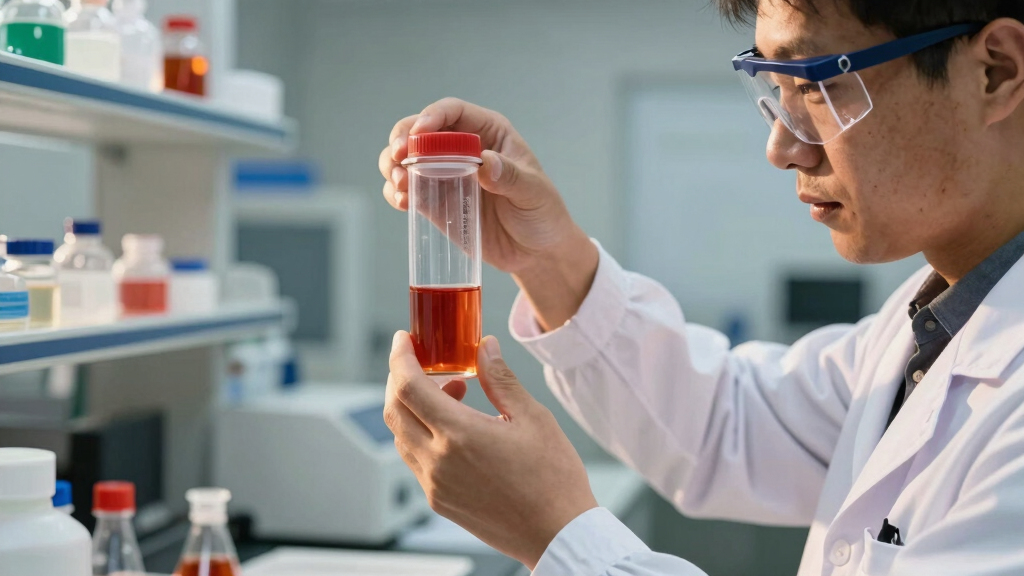
Japan has developed a new recycling method capable of recovering up to 90% of lithium from used electric vehicle (EV) batteries, according to Japanese research institutions. This breakthrough is expected to address critical supply shortages and environmental concerns associated with battery waste, making Japan a leader in sustainable battery recycling technology.
The new process, developed by researchers at the Japan Institute of Industrial Science and Technology (AIST), involves a chemical treatment that efficiently extracts lithium from spent EV batteries. The method reportedly achieves a recovery rate of up to 90%, significantly higher than current recycling techniques, which typically recover 50-70% of lithium.
Japan’s Ministry of Economy, Trade and Industry (METI) confirmed the development and indicated that pilot testing is underway. The process is designed to be environmentally friendly, reducing hazardous waste and energy consumption compared to traditional methods. No commercial deployment date has been announced yet, but officials suggest it could be scaled within the next few years.
Implications for Battery Supply and Recycling Industry
This development could have a major impact on the global supply chain for lithium, a critical material for EV batteries. By increasing recovery efficiency, Japan’s method could reduce reliance on lithium mining, which is often associated with environmental degradation and geopolitical risks. The breakthrough also addresses mounting concerns over battery waste, providing a more sustainable option for recycling used EV batteries.
Industry experts suggest that if adopted widely, this technology could lower costs for manufacturers and accelerate the adoption of electric vehicles by making battery supply more sustainable and less dependent on raw material imports.
Popular right now

Ninja Foodi DZ201 8-Quart DualZone 6-in-1 Air Fryer

KitchenAid Artisan 5-Quart Tilt-Head Stand Mixer, Almond Cream

De'Longhi Dinamica Plus Fully Automatic Espresso Machine
As an affiliate, we earn on qualifying purchases.
Background on Lithium Recycling Challenges and Japan’s Innovation
Currently, most lithium is extracted through mining, which poses environmental and social challenges. Recycling used EV batteries offers a potential alternative, but existing methods recover only a fraction of the lithium, limiting economic viability. Japan has been investing in advanced recycling research, aiming to develop more efficient and environmentally friendly techniques.
Previous efforts in lithium recycling have faced technical limitations, often resulting in low recovery rates and high costs. Japan’s new method builds on recent advances in chemical processing and materials science, aiming to overcome these barriers and establish a new standard for battery recycling.
Remaining Questions About Commercial Deployment
It is not yet clear when the new recycling method will be commercially available or how cost-effective it will be at scale. Details about the process’s environmental impact and integration into existing recycling infrastructure are still under evaluation. Additionally, the durability and consistency of the process in real-world applications remain to be tested.
Next Steps Toward Industry Adoption and Scaling
Researchers plan to conduct larger pilot programs and collaborate with battery manufacturers to test the process at industrial scale. Regulatory approvals and cost assessments are expected to follow. If successful, widespread adoption could occur within the next 2-3 years, potentially transforming the battery recycling landscape globally.
Key Questions
How does this new lithium recovery method differ from existing techniques?
The new method claims to recover up to 90% of lithium, compared to 50-70% in current processes, using a chemical treatment that is more efficient and environmentally friendly.
When could this recycling technology be available for commercial use?
It is not yet certain, but pilot tests are ongoing, and industry experts suggest it could be scaled within the next 2-3 years if proven successful.
What impact could this have on lithium prices and supply chains?
If widely adopted, the technology could reduce dependence on lithium mining, stabilize supply, and potentially lower prices by increasing recycled lithium availability.
Are there environmental concerns associated with the new process?
According to developers, the process is designed to be environmentally friendly, reducing hazardous waste and energy consumption compared to traditional methods, but full lifecycle assessments are still underway.
Will this method work for all types of EV batteries?
Details about compatibility are still being evaluated, but initial tests focus on lithium-ion batteries commonly used in electric vehicles.
Source: hn