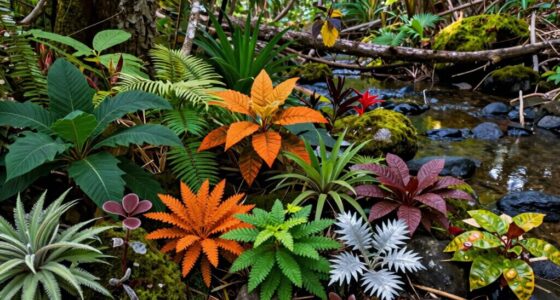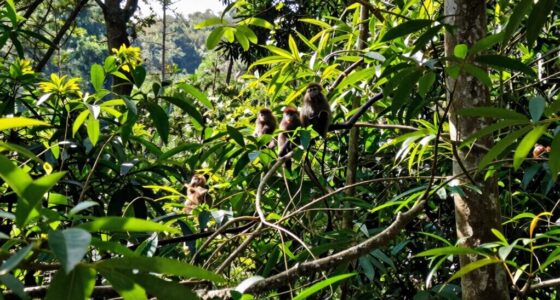

Biodiversity provides the essential natural resources and traditional knowledge that keep your medicine cabinet stocked with life-saving drugs. Many medicines originate from plants, fungi, marine organisms, and other natural sources that offer unique compounds not found elsewhere. When ecosystems are protected, their rich chemical diversity remains available for new discoveries. Understanding the importance of biodiversity helps you see how preserving these resources supports future breakthroughs in healthcare—if you continue exploring, you’ll learn more about this crucial connection.

Prime made for students and young adults
- Fast, free delivery for dorm and study essentials
- Prime Video and Amazon Music included
- Member-only deals
Key Takeaways
- Over half of all drugs originate from natural sources like plants, fungi, and marine organisms.
- Biodiversity provides unique chemical compounds essential for developing new medicines.
- Traditional knowledge about medicinal plants guides scientists in discovering effective treatments.
- Conservation of ecosystems preserves the natural resources vital for ongoing drug discovery.
- Loss of species reduces the availability of vital bioactive compounds, hindering future medicine development.
As an affiliate, we earn on qualifying purchases.
The Role of Natural Sources in Modern Medicine

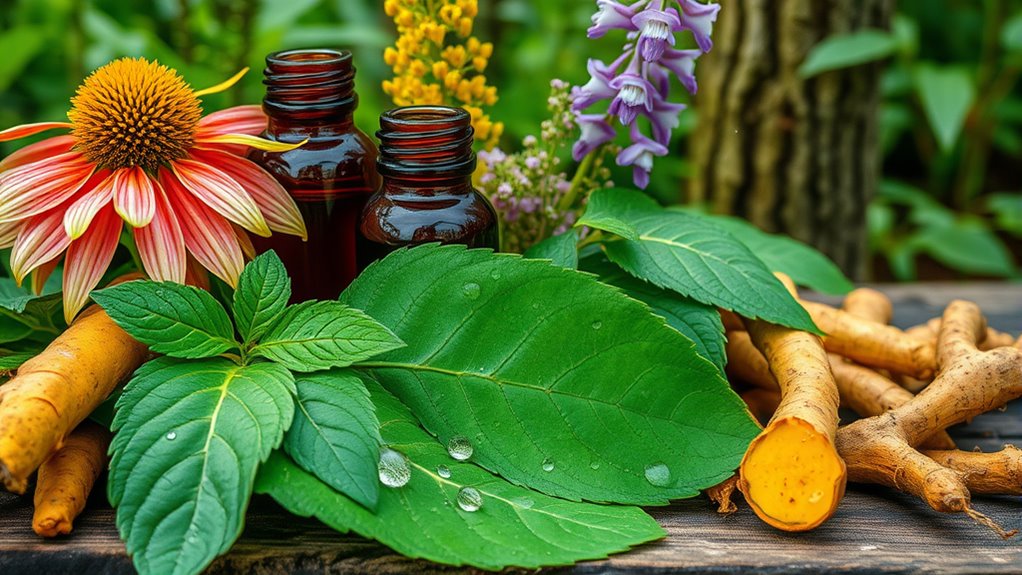
Natural sources play a vital role in modern medicine, providing the raw materials for over half of the drugs we use today. You might not realize it, but many medicines originate from plants, fungi, and marine organisms. For example, antibiotics like penicillin come from fungi, while painkillers such as morphine are derived from poppy plants. Around 10% of essential drugs listed by the WHO are from flowering plants, highlighting their importance. Additionally, more than 40% of pharmaceutical formulations include natural ingredients. Fungi, in particular, are valuable for producing antibiotics, immunosuppressants, and statins. These natural compounds form the foundation for many treatments, demonstrating how biodiversity directly supports medical advancements and improves your health. Recognizing the biodiversity of natural sources is crucial for ongoing drug discovery and development.
The Impact of Biodiversity Loss on Drug Discovery
As we rely heavily on biodiversity for discovering new medicines, the ongoing loss of species poses a serious threat to this essential resource. When species go extinct, you lose unique molecules and compounds that could lead to breakthrough treatments. This diminishes the pool of natural chemicals available for research and hampers drug development. You also risk losing traditional knowledge tied to specific plants and animals, which often guides discoveries. Furthermore, fewer species mean fewer options for combating resistant pathogens or developing targeted therapies. The rapid extinction rate accelerates this loss, making it harder for scientists to find novel compounds.
Biodiversity loss threatens future medicines, reducing natural resources and traditional knowledge vital for drug discovery.
- Important bioactive compounds become unavailable, limiting new drug options
- Traditional medicinal knowledge risks disappearing forever
- Reduced molecular diversity hampers pharmaceutical innovation
- Future resources for drug discovery are irretrievably lost
Marine Life as a Treasure Trove of Therapeutic Compounds
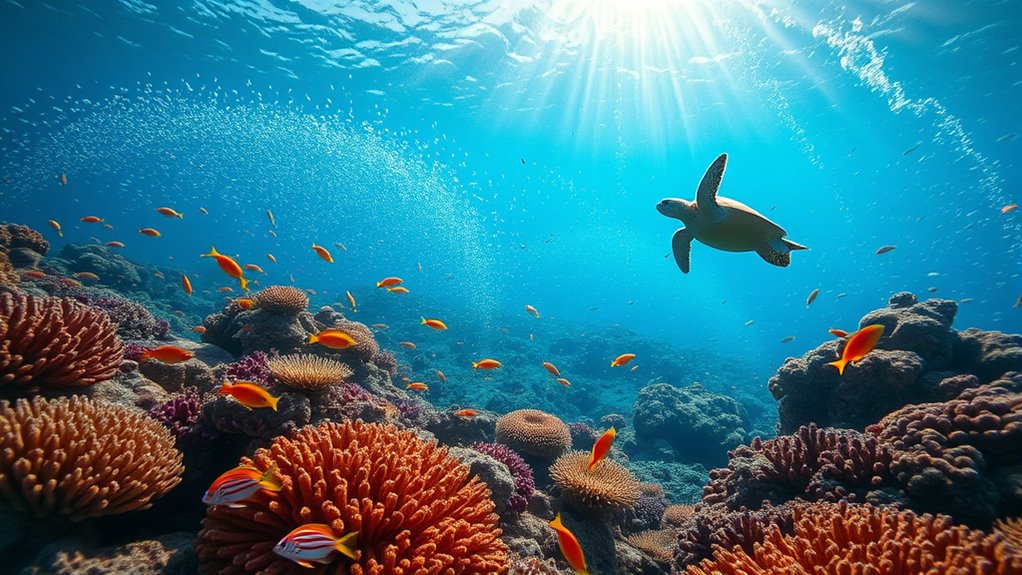
Marine life offers a vast and largely untapped reservoir of therapeutic compounds that could revolutionize medicine. Ocean organisms produce unique molecules not found on land, giving you access to novel treatments. Marine bacteria and fungi are cultivated for new antibiotics and anti-inflammatory agents, expanding your options against resistant infections. The high hit rates from marine bioassays suggest many undiscovered drugs, especially for cancer and bacterial infections. Additionally, wall organization systems in home decor can assist in organizing these marine-derived products safely and aesthetically. Recognizing the vulnerabilities in AI models used in research can help ensure the safety and efficacy of marine-derived pharmaceuticals. Furthermore, ongoing research into marine bioactive compounds highlights the importance of understanding their effectiveness and safety, which is crucial for developing reliable medical treatments. Promoting rigorous testing protocols and thorough validation processes can help mitigate potential risks associated with these novel compounds. Emphasizing active listening and empathy in research collaborations can foster more accurate and responsible scientific discoveries.
Traditional Medicine’s Dependence on Wild Plant Resources

Many traditional medicines rely on wild plants as their primary source of healing ingredients, making these species crucial to healthcare in many communities. However, overharvesting threatens these plants’ survival, risking the loss of essential medicinal resources. If this continues, it could undermine the effectiveness and availability of traditional treatments worldwide.
Wild Plants as Primary Source
Wild plants serve as the primary sources for traditional medicine in many parts of the world, especially in regions where modern healthcare access is limited. You rely on these plants for remedies, healing, and maintaining health, often gathering them from the wild. Their importance is clear, as they provide a vast array of bioactive compounds essential for traditional treatments. Utilizing wild plants can foster sustainable practices when properly managed. Many medicinal plants are harvested directly from forests and grasslands, often risking overharvesting. Local communities depend on wild plants for affordable, accessible healthcare. The diversity of wild plants offers unique compounds not yet replicated in laboratories. Loss of these plants due to habitat destruction threatens the availability of traditional medicines and cultural knowledge.
Risks of Overharvesting
Relying heavily on wild plants for traditional medicine can lead to significant overharvesting, threatening both plant populations and the cultural practices that depend on them. When plants are collected faster than they can replenish, many species face decline or extinction, disrupting ecosystems and reducing biodiversity. Overharvesting often targets rare or slow-growing species, intensifying their vulnerability. This unsustainable practice can also lead to the loss of sound design techniques used in documenting and studying these plants, which are crucial for understanding their properties and conservation needs. This not only endangers the plants but also risks losing valuable medicinal knowledge passed down through generations. Unsustainable collection methods can damage habitats, further threatening entire plant communities. As demand for traditional remedies grows, especially in regions with limited cultivation options, the pressure on wild resources intensifies. Implementing sustainable harvesting practices and promoting cultivation can help reduce the strain on wild populations. Additionally, raising awareness about the importance of biodiversity conservation helps foster responsible use and protection of these vital resources. Protecting plant populations through conservation efforts helps ensure these vital resources remain available for future generations.
Natural Products in Cancer Treatment and Research
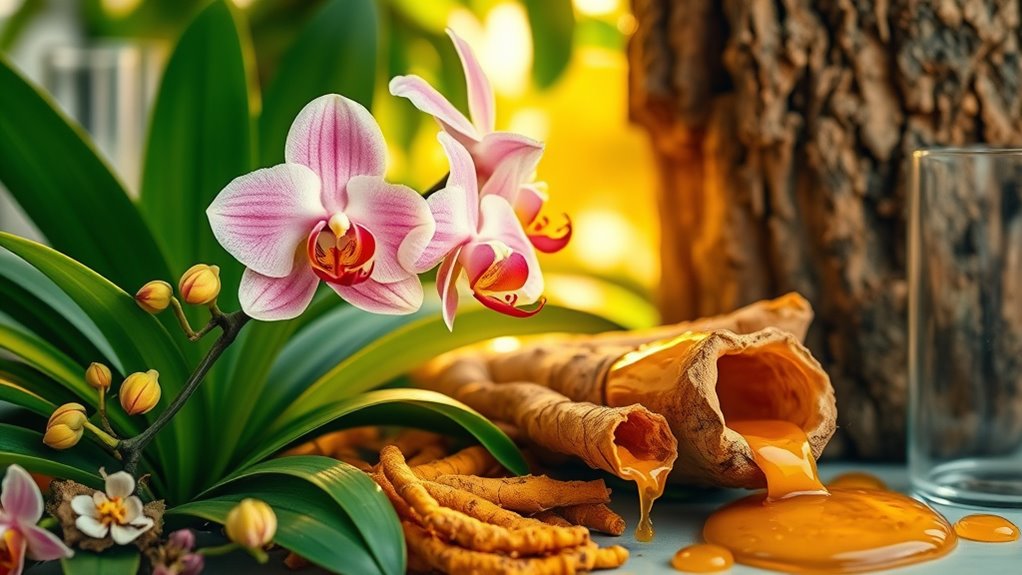
Natural compounds from plants, fungi, and marine organisms form the backbone of many cancer treatments. Advances in high-throughput technologies and AI are now speeding up the discovery of new bioactive agents from biodiversity. By exploring these resources, you can uncover promising therapies and expand the arsenal against cancer.
Natural Compound Origins
Many cancer treatments originate from compounds found in plants, fungi, and marine organisms, highlighting the vital role of biodiversity in drug development. These natural sources provide a vast chemical diversity that synthetic labs often struggle to replicate. For example, you might find:
- Plant-derived alkaloids like vincristine and vinblastine used in chemotherapy.
- Fungal compounds such as penicillin that revolutionized infection treatment.
- Marine organisms producing unique bioactive molecules with anticancer properties.
- Traditional knowledge guiding scientists to explore specific species for potential drugs.
This natural chemical diversity has fueled advancements, enabling the discovery of new medicines. As biodiversity declines, so does the pool of unique compounds. Hackathons provide opportunities for researchers and innovators to collaborate on developing sustainable solutions for conserving ecosystems, which is essential to maintaining this invaluable drug reservoir for future cancer therapies.
Marine-Derived Agents
Have you ever wondered how the ocean’s depths might hold the key to new cancer treatments? Marine organisms produce unique compounds not found on land, making them promising sources for pharmaceuticals. Currently, less than 20 marine-derived drugs are available in pharmacies, but many more are in development. Marine bacteria and fungi are cultivated to discover new antibacterial and anticancer agents. These organisms create bioactive molecules that target cancer cells effectively, often with fewer side effects. Researchers use marine bioassay screening to identify compounds with potent anti-inflammatory, antibacterial, and anticancer properties. The ocean’s biodiversity offers a vast, largely untapped reservoir of molecular diversity, holding the potential to revolutionize cancer treatment and provide novel therapies that could save countless lives. Marine bioactive molecules are increasingly recognized for their potential to lead to the development of new, targeted medications. Additionally, advances in marine biotechnology are facilitating the sustainable harvesting and synthesis of these valuable compounds.
Innovative Discovery Technologies
Advances in high-throughput omics technologies and artificial intelligence are transforming how researchers discover and develop cancer treatments from natural sources. These tools enable rapid screening of plant compounds, fungi, and marine organisms for anticancer activity, vastly accelerating drug discovery. You can now:
- Use AI algorithms to identify promising phytochemicals with therapeutic potential.
- Apply genomic and proteomic data to understand how natural compounds target cancer cells.
- Screen thousands of natural extracts quickly through automated platforms.
- Integrate traditional knowledge with modern tech to uncover novel bioactive molecules.
This synergy helps pinpoint new drug candidates more efficiently than ever before. As a result, natural products are playing an increasingly essential role in developing targeted, effective, and less toxic cancer therapies, keeping biodiversity at the forefront of medical innovation.
Ecosystems as Regulators of Emerging Infectious Diseases

Ecosystems play an essential role in regulating emerging infectious diseases by maintaining the balance and health of natural habitats. When ecosystems remain intact, they act as buffers, controlling populations of wildlife that carry pathogens. This natural regulation reduces the likelihood of zoonotic spillover, where diseases jump from animals to humans. Deforestation, land-use changes, and habitat destruction disturb this balance, increasing contact between humans and wildlife, and raising infection risks. Healthy ecosystems also support biodiversity, which can dilute pathogen concentrations and limit outbreaks. Additionally, maintaining environmental stability helps prevent the emergence of new diseases. Preserving natural habitats not only benefits conservation efforts but also serves as a public health strategy to prevent disease transmission. By protecting ecosystems, you help prevent the emergence of new diseases. Safeguarding these environments isn’t just about conservation; it’s a key public health strategy that keeps disease transmission in check and safeguards your community from future health crises. Maintaining ecosystem integrity is crucial for the resilience of natural systems and their ability to suppress disease spread.
Protecting Biodiversity to Sustain Future Medical Advances

Protecting biodiversity is essential for ensuring that future medical breakthroughs continue to emerge. When species vanish, you lose access to unique compounds and genetic traits crucial for developing new medicines. Without biodiversity, the pool of natural resources shrinks, limiting research and innovation. You also risk losing traditional knowledge that guides drug discovery and sustainable practices. To safeguard this indispensable resource, focus on:
Protecting biodiversity ensures future medical discoveries and preserves vital natural resources and traditional knowledge.
- Preserving habitats to maintain species diversity
- Supporting conservation efforts and protected areas
- Promoting sustainable harvesting of medicinal plants
- Investing in research that values biodiversity’s role in medicine
- Recognizing the importance of Historical Farmhouse Explorations by Region in understanding regional biodiversity and cultural practices. Additionally, safeguarding plant genetic diversity is vital for discovering novel pharmaceuticals. Understanding the biodiversity of ecosystems helps researchers identify new medicinal compounds and supports ecological balance essential for ongoing species survival. Preserving biodiversity hotspots ensures a continuous supply of valuable biological resources for future medical discoveries and fosters medicinal plant conservation efforts worldwide.
Innovative Technologies Accelerating Natural Compound Discovery

Innovative technologies are transforming the way scientists discover natural compounds with medicinal potential. You now have access to high-throughput screening methods that rapidly test thousands of samples for bioactivity, speeding up the discovery process. Artificial intelligence and machine learning analyze complex datasets, identifying promising molecules faster than traditional methods. Genomic sequencing allows you to explore the genetic blueprints of plants, fungi, and marine organisms, revealing hidden biosynthetic pathways for new compounds. Metabolomics profiles natural substances in detail, pinpointing unique bioactive molecules. Additionally, advanced cultivation techniques enable you to grow rare or previously inaccessible species in laboratory settings, reducing reliance on wild collection. These innovations collectively accelerate drug discovery, helping you harness biodiversity’s full potential for developing tomorrow’s medicines more efficiently. Understanding biodiversity enhances your ability to identify novel medicinal compounds and supports sustainable harvesting practices. Moreover, storage conditions and proper handling of natural products are essential to maintain their efficacy during research and development.
Frequently Asked Questions
How Does Biodiversity Directly Influence the Development of New Medicines?
Biodiversity directly influences new medicine development by providing a vast pool of natural compounds that can be explored for drug discovery. You benefit from this diversity since many medicines, including antibiotics and cancer treatments, originate from plants, fungi, and marine organisms. When biodiversity declines, you risk losing potential cures, and research faces hurdles. Protecting ecosystems guarantees that future medicines continue to emerge from nature’s rich, untapped resources.
What Are the Main Threats to Medicinal Plant and Marine Species?
You face threats like habitat destruction, deforestation, and pollution that endanger medicinal plants and marine species. Overharvesting and illegal collection also deplete these resources faster than they can recover. Climate change alters ecosystems, making it harder for species to survive. If these threats continue, you risk losing crucial natural sources for medicines, traditional remedies, and future drug discoveries, ultimately impacting your health and access to essential treatments.
Can Traditional Medicine Replace Modern Pharmaceuticals Effectively?
Traditional medicine can’t fully replace modern pharmaceuticals because it lacks the consistency and precision of scientific development. While traditional remedies are essential and often effective, they rely on wild plants and biodiversity that are disappearing rapidly. If biodiversity continues to decline, we risk losing these ancient knowledge systems and potential new medicines. Modern drugs undergo rigorous testing, ensuring safety and efficacy, which traditional medicine can’t always guarantee.
How Do Ecosystems Prevent the Emergence of New Infectious Diseases?
Ecosystems prevent new infectious diseases by maintaining balanced interactions among wildlife, livestock, and humans. When ecosystems stay intact, they act as buffers, reducing contact with disease reservoirs. You can help by supporting conservation efforts, which protect biodiversity and keep these natural barriers strong. Disrupted ecosystems increase zoonotic disease risks, so preserving natural habitats is essential to prevent the emergence and spread of new infections.
What Policies Can Protect Biodiversity and Secure Future Drug Discovery?
You can protect biodiversity and secure future drug discovery by supporting policies that curb habitat destruction, like enforcing strict land-use regulations and creating protected areas. Since known species go extinct at 1,000 times the discovery rate, every effort matters. Promoting sustainable harvesting of medicinal plants and funding conservation programs helps preserve genetic diversity, ensuring we keep discovering lifesaving medicines from nature’s vast, untapped resources.
Conclusion
To keep your medicine cabinet stocked, you need to protect the rich biodiversity that’s been nature’s pharmacy since ancient times—think of it as guarding your own personal alchemist’s workshop. If we lose these essential sources, it’s like throwing the key to Pandora’s box into the fire. By embracing innovative tech and conservation efforts, you can help guarantee future breakthroughs, turning back the clock to when every plant and creature held the promise of healing, just like in the days of old.
Columbus Day / Indigenous Peoples' Day Picks
long weekend sales
As an affiliate, we earn on qualifying purchases.